- Industrial LCD display
-
Industrial Products
- DC Servo Drive
- AC Servo Drive
- other
- Heidelberg
- FANUC
- IFM
- Meter
- CCD
- Membrane Keypad
- Film
- YOKOGAWA Module
- Card
- ABB
- MITSUBISHI
- FANUC
- KEYENCE
- BECKHOFF
- Honeywell
- HOLLYSYS
- FUJI servo drives
- HP
- solenoid valve
- thermostat
- Siemens adapter
- color oscilloscope
- Fujitsu connector
- CHELIC
- SMC
- CISCO Module
- INTEL
- Key board
- FAIRCHILD
- Motherboard
- Board
- Bearing
- other
- Control Panel
- Contactor
- Circuit
- OMRON
- Relay
- Controller
- Photoelectric Switch
- Photoelectric Sensor
- Original
- Fan
- Motor Driver
- Limit Switch
- Amplifier
- power supply
- LENZE
- Cable
- Encoder
- Sensor
- Transformer
- Fiber Optic Sensor
- Protection Relay
- Temperature Controller
- Proximity Switch
- Switch Sensor
- Siemens
- Industrial board
- HMI Touch Glass
-
HMI Full Machine Whole unit
- OMRON HMI Touch Panel
- Siemens HMI Touch Panel
- Mitsubishi HMI Touch Panel
- Allen-Bradley automation HMI Touch Panel
- DELTA HMI Touch Panel
- EVIEW DELTA HMI Touch Panel
- KINCO DELTA HMI Touch Panel
- HITECH HMI Touch Panel
- WEINTECK HMI Touch Panel
- TECVIEW HMI Touch Panel
- WEINVIEW HMI Touch Panel
- PRO-FACE HMI Touch Panel
- SIMATIC HMI Touch Panel
- AMPIRE HMI Touch Panel
- HEIDELBERG HMI Touch Panel
- PANASONIC HMI Touch Panel
- PATLITE HMI Touch Panel
- KYOCERA HMI Touch Panel
- KEYENCE HMI Touch Panel
- WEINVIEW HMI Touch Panel
- HITECH HMI Touch Panel
- FUJI HMI Touch Panel
- HAKKO HMI Touch Panel
- SCHNEIDER HMI Touch Panel
- SAMKOON touch panel
- other
- Module
- lcd inverter
- Membrane Keypad Switch
- Winni Touch Screens
- Frequency Inverter
- Servo Motor
- PLC


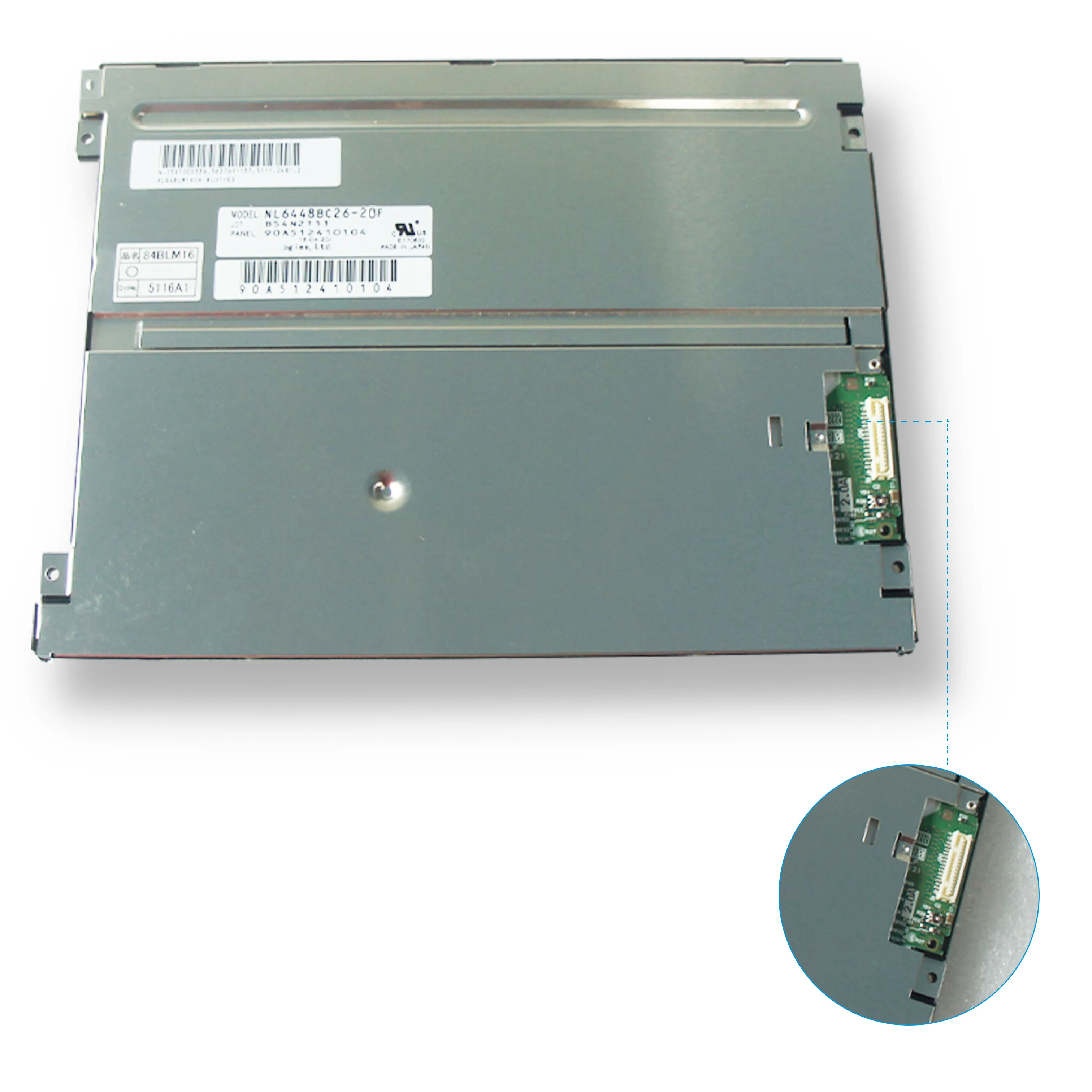

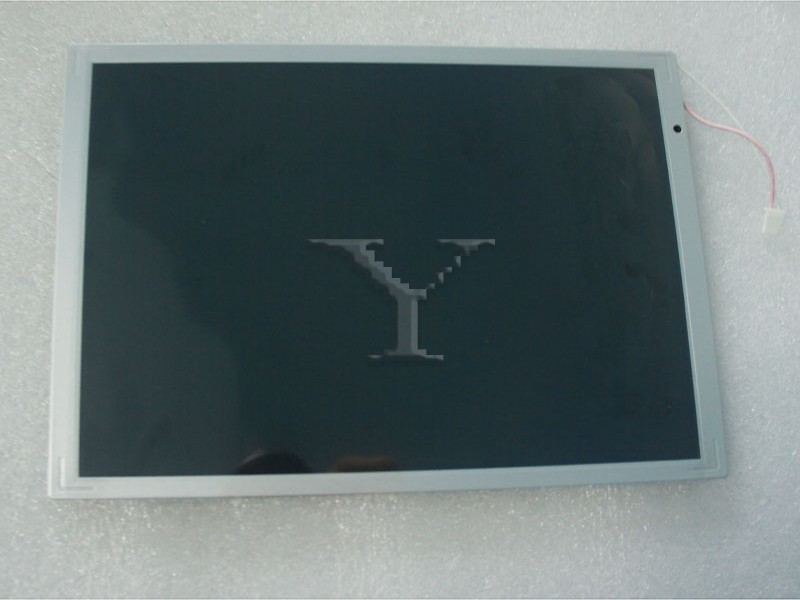
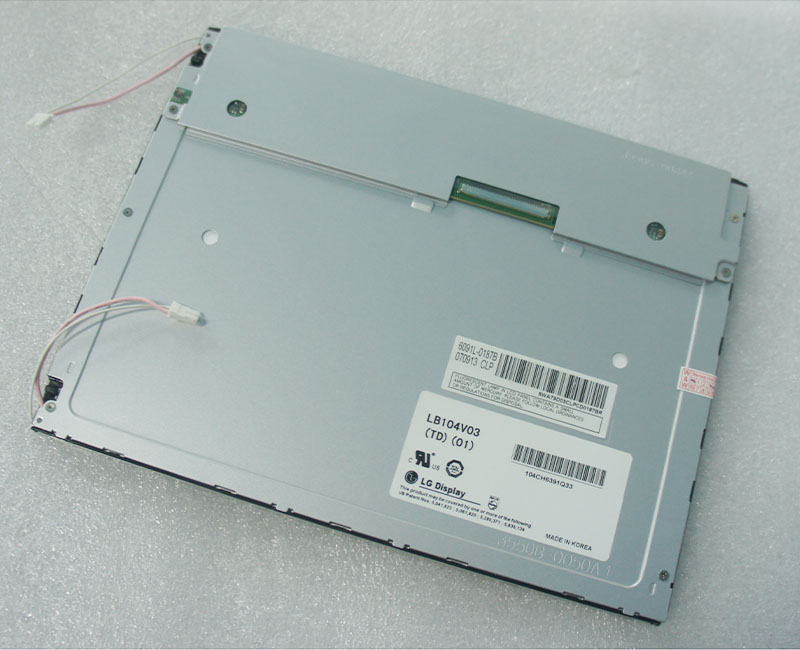
10.4 inch 640*480 for LG LB104V03-TD01 LCD Panel
In the ever-evolving landscape of industrial and embedded displays, specific components often become unsung heroes, quietly powering critical applications where reliability and consistency trump consumer-grade flashiness. The LG LB104V03-TD01 is precisely such a component. This 10.4-inch diagonal LCD panel, with its modest 640x480 pixel resolution, represents a distinct design philosophy: one prioritizing long-term availability, robust performance, and visual clarity over high-definition novelty.
This article provides a deep-dive technical analysis of the LB104V03-TD01. We will move beyond basic specifications to explore the panel’s core architecture, examining its critical timing parameters, interface logic, backlight system, and durability metrics. We will also analyze its ideal deployment environments, contrasting its strengths against modern high-resolution alternatives. The goal is to arm engineers, procurement specialists, and system integrators with a comprehensive understanding of why this "legacy" panel remains a viable and often superior choice for specific industrial, medical, and retail use cases in the present day. Understanding this panel is a masterclass in selecting the right tool for the job, not just the newest one.
At first glance, a 640x480 (VGA) resolution on a 10.4-inch screen seems anachronistic in a world of 4K and OLED. However, this choice is a deliberate engineering decision, not a limitation. The 4:3 aspect ratio of this panel is perfectly suited for displaying legacy industrial HMI (Human-Machine Interface) software, point-of-sale systems, and medical patient monitors, which were predominantly designed before the widescreen revolution. Retrofitting these systems with a modern widescreen panel often triggers costly software re-engineering or produces distorted, stretched images. The LB104V03-TD01 offers a seamless, pixel-perfect 1:1 mapping for these applications, eliminating the overhead of scaling algorithms and signal conversion.
Furthermore, the VGA resolution on this physical size yields a pixel pitch of approximately 0.33mm, which provides a comfortable pixel density for typical viewing distances in industrial settings (18–36 inches). Text and simple geometric shapes appear sharp and legible without eye strain. The low resolution also simplifies hardware integration. The panel’s 41-pin LVDS interface operates at a lower data rate than a high-res counterpart, placing less demand on the host controller’s processing power and reducing electromagnetic interference (EMI) in sensitive factory floor environments. This resolution is not a weakness; it is a strategic fit for a specific ecosystem of applications where stability, readability, and compatibility are paramount.
At the heart of the LG LB104V03-TD01 is a standard 2-channel 6-bit LVDS interface. This means each pixel is formed by a combination of 64 levels per primary color (Red, Green, Blue), resulting in a total color palette of 262,144 colors. While this is far less than the 16.7 million colors of an 8-bit panel, it is entirely intentional for its target applications. In medical imaging for patient vitals or factory automation, the subtle color gradations of a photo-editing monitor are irrelevant; what matters is clear, high-contrast discrimination between states (e.g., alarm vs. safe). The reduced data bandwidth also contributes to the panel’s inherent robustness against data transmission errors in noisy electrical environments.
Key timing parameters for the integrator include a pixel clock frequency typically around 25 MHz and a horizontal scanning frequency near 31.5 kHz. A critical specification to understand is the response time, typically in the 15-25ms (Tr+Tf) range. This TN (Twisted Nematic) film-based panel is not designed for fast-paced video or gaming. Attempting to use it for such will result in noticeable motion blur. Instead, its response time is optimized for static or slowly changing graphical content. The power consumption of the logic section is remarkably low, often under 2 Watts, which is vital for passively cooled or fanless embedded systems. The 3.3V LVDS common mode voltage is standard, but designers must always ensure their host board’s LVDS driver is compatible with the panel’s input threshold specifications to avoid ghosting or display corruption.
No LCD is functional without a backlight, and the LB104V03-TD01 typically uses a CCFL (Cold Cathode Fluorescent Lamp) backlight in its original design, although aftermarket replacements may utilize LED. The original CCFL-based model, with a rated lifetime of roughly 30,000 to 50,000 hours, is a crucial factor for lifecycle planning. A brightness specification of 350 cd/m² (nits) is standard, which is more than adequate for indoor industrial or medical environments. High ambient light tolerance is not a primary feature; direct sunlight readability is poor. The contrast ratio is typically rated at 500:1 to 700:1, which, by modern standards, is modest but produces sufficiently deep blacks for its intended content.
The viewing angles are the most significant optical compromise. As a TN panel, the LB104V03-TD01 has a narrow horizontal viewing angle (e.g., 70°/70°) and an even more restrictive vertical angle (e.g., 40°/60°). If the monitor is viewed from a sharp angle, colors will invert, and contrast will plummet. This is a feature, not a flaw, for applications like an operator terminal or medical monitor. The directional viewing nature prevents bystanders from easily reading the screen and ensures that the primary operator, who is positioned directly in front of it, sees an optimal, high-contrast image. The CCFL backlight’s dimming is typically controlled by an external inverter, and understanding the inverter’s input voltage and enable signal requirements is essential for a successful integration, as a mismatched inverter can cause flickering or premature backlight failure.
The LG LB104V03-TD01 is engineered for an operational lifetime measured in years, not months. It operates reliably across a specified temperature range of -5°C to +60°C for standard models (with extended range versions for more extreme conditions). This thermal tolerance is critical for use inside sealed enclosures with no airflow or in unheated warehouses. The panel is designed to be vibration and shock resistant, typically adhering to industrial standards for equipment used in machinery or transportation hubs. The mechanical structure is robust, with mounting holes and lugs designed for secure, four-point fixture in a panel-mount application.
Integrators must pay careful attention to the mechanical drawing. The 10.4-inch size refers to the display diagonal, but the overall dimensions are typically 236.0 x 174.0 x 13.0 mm (with slight variations depending on the exact revision). The active area is 211.2 x 158.4 mm. The panel’s mounting thickness and the bezel opening are critical to ensure a proper seal against dust and moisture when installed. The use of a standard 41-pin LVDS connector facilitates easy cable routing. This panel is not a fragile consumer tablet; it is a workhorse component designed to survive the thermal, mechanical, and electrical stresses of a factory floor or a hospital’s intensive care unit, making it a favorite for long-run production equipment.
The biggest challenge with the LG LB104V03-TD01 today is its active status versus transition to End of Life (EOL). While a standard component for decades, original manufacturers are increasingly moving away from CCFL solutions and standard TN panels with VGA resolution. Many of these panels are now sold as "new old stock" or via aftermarket manufacturers who have reproduced or qualified compatible LED backlit versions. This creates a critical sourcing strategy: relying on this panel for a new product design requires careful supply chain management. However, for legacy system support, it remains an indispensable spare part. The alternative—a full system redesign—can cost tens of thousands of dollars and years of validation.
The viability argument is straightforward. If you are designing a new system that must interface with legacy software written for a 4:3 640x480 display, the LB104V03-TD01 or a direct compatible replacement is often the most cost-effective and least risky solution. Using a physically larger modern panel and scaling the image down introduces software complexity and potential display issues. Conversely, if you are designing a brand-new, high-volume consumer device, this panel is a poor choice due to its resolution and technology obsolescence. The key is context. For retrofits, maintenance contracts, and low-volume niche industrial equipment where 4:3 is king, this panel still delivers unmatched value and reliability, a testament to the idea that "good enough" is often the perfect engineering specification.
Q: What is the native resolution and aspect ratio of this panel?
A: Its native resolution is 640 (H) x 480 (V) pixels, with a classic 4:3 aspect ratio.
Q: What interface does it use for video data?
A: It uses a standard 41-pin Single or Dual channel 6-bit LVDS interface.
Q: Is this panel suitable for high-speed video or gaming?
A: No. Its slow response time (15-25ms) and TN technology make it unsuitable for motion-rich content. It is optimized for static or slowly changing graphics.
Q: What type of backlight does the original model use?
A: The majority of original LG LB104V03-TD01 panels use a single CCFL (Cold Cathode Fluorescent Lamp) backlight.
Q: What is the typical lifespan of the CCFL backlight?
A: Approximately 30,000 to 50,000 hours of operation, after which the brightness will degrade significantly.
Q: Can the CCFL backlight be replaced by an LED backlight?
A: Yes, many aftermarket suppliers offer LED conversion kits or compatible LED-backlit panels that functionally replace this model, requiring a different power supply.
Q: What are the primary limitations of this panel's viewing angles?
A: It has narrow viewing angles (e.g., 70°/70° horizontally, 40°/60° vertically). Colors will invert if viewed from an extreme angle.
Q: Is this panel touchscreen capable?
A: The panel itself does not include a touch sensor. It is typically driven via the LVDS interface and requires an external touch controller and overlay to be added.
Q: What are the typical operating temperature limits?
A: Standard models operate from -5°C to +60°C (23°F to 140°F), though some industrial versions offer a wider range.
Q: Is this panel still in active production or is it obsolete?
A: It is largely being phased out of active production by LG and is now widely available as "new old stock" or through compatible aftermarket suppliers for legacy applications.
Conclusion: A Durable Standard for a Purpose-Built World
The LG LB104V03-TD01 is far more than an outdated screen. It is a masterclass in purpose-driven engineering. This analysis has shown that its seemingly low-resolution, narrow viewing angle, and CCFL backlight are not shortcomings, but deliberate optimizations for a specific world: the industrial shop floor, the hospital bedside, and the retail checkout counter. Its robust electrical interface, mechanical durability, and seamless compatibility with VGA-era systems make it an irreplaceable component for maintaining long-life equipment. The key takeaway for any professional is one of context. While useless for a modern multi-media project, it is a cornerstone of reliability for legacy system support and targeted new builds. For those tasked with keeping critical infrastructure running or designing a simple, bulletproof interface, the LB104V03-TD01 and its compatible brethren represent a value proposition that transcends technological fashion—a durable standard in a throwaway world. Understanding its place in your project is the difference between a costly mistake and a perfect fit.