- Industrie-LCD-Display
-
Industrial Products
- DC Servo Drive
- AC Servo Drive
- other
- Heidelberg
- FANUC
- IFM
- Meter
- CCD
- Membrane Keypad
- Film
- YOKOGAWA
- Card
- ABB
- MITSUBISHI
- FANUC
- KEYENCE
- BECKHOFF
- Honeywell
- HOLLYSYS
- FUJI servo drives
- HP
- solenoid valve
- thermostat
- Siemens adapter
- color oscilloscope
- Fujitsu connector
- CHELIC
- SMC
- CISCO
- INTEL
- Key board
- FAIRCHILD
- Motherboard
- Board
- Bearing
- other
- Control Panel
- Contactor
- Circuit
- Omron
- Relais.
- Der controller
- Optoelektronische schalter
- Optoelektronische sensoren
- Original
- Fan
- Motortreiber
- Endschalter
- Verstärker
- power supply
- LENZE
- Cable
- Encoder
- Sensor
- Transformator
- Fiber Optic Sensor
- Schutzrelais
- Temperaturregler
- Näherungsschalter
- Switch Sensor
- Siemens
- PCB
- HMI Touch-Glas
-
HMI-Vollautomat Ganze Einheit
- OMRON HMI Touch Panel
- Siemens HMI Touch Panel
- Mitsubishi HMI Touch Panel
- Allen-Bradley Automatisierung HMI Touch
- DELTA HMI Touch Panel
- EVIEW DELTA HMI Touch Panel
- KINCO DELTA HMI Touch Panel
- HITECH HMI Touch Panel
- WEINTECK HMI Touch Panel
- TECVIEW HMI Touch Panel
- WEINVIEW HMI Touch Panel
- PRO-FACE HMI Touch Panel
- SIMATIC HMI Touch Panel
- AMPIRE HMI Touch Panel
- HEIDELBERG HMI Touch Panel
- PANASONIC HMI Touch Panel
- PATLITE HMI Touch Panel
- KYOCERA HMI Touch Panel
- KEYENCE HMI Touch Panel
- WEINVIEW HMI Touch Panel
- HITECH HMI Touch Panel
- FUJI HMI Touch Panel
- HAKKO HMI Touch Panel
- SCHNEIDER HMI Touch Panel
- SAMKOON touch panel
- andere
- Module
- LCD Wechselrichter
- Membran Tastenfeld Schalter
- Winni Touch Screens
- Frequenzumrichter
- Servo Motor
- PLC


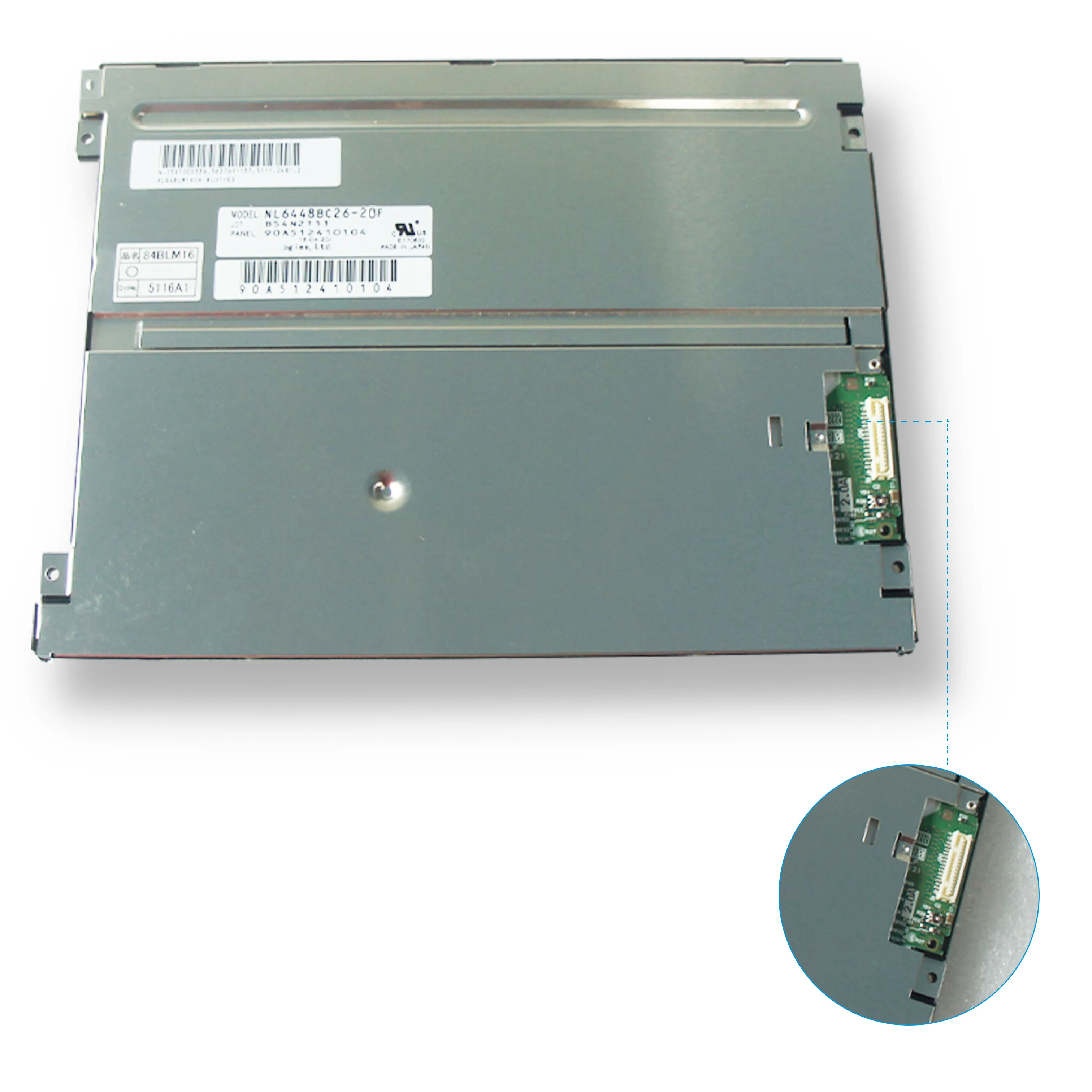

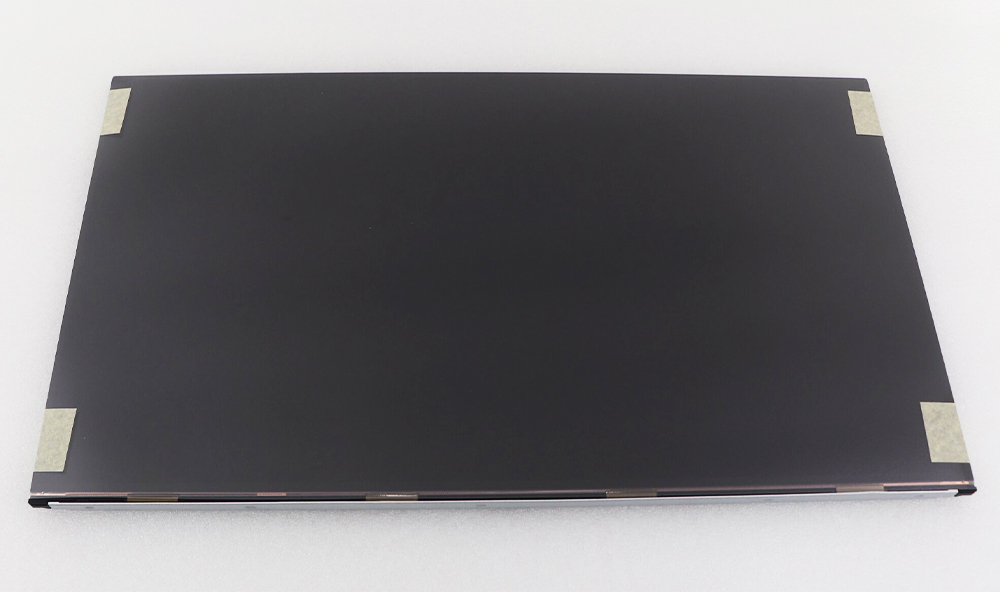
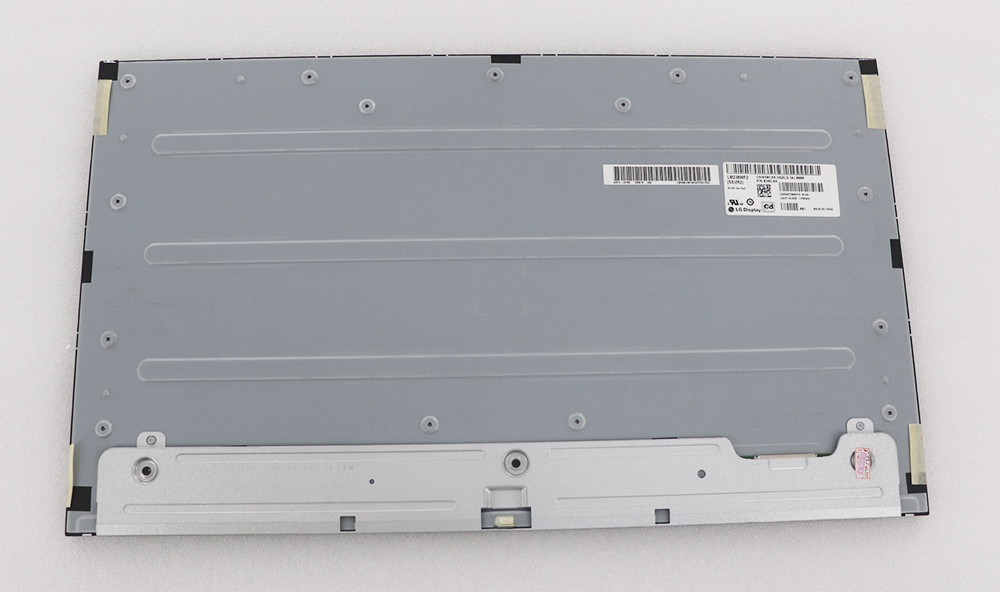
Comprehensive Technical Analysis of the LG LM238WF2-SSR2 23.8" TFT-LCD Display
1. Panel Architecture and Optical Characteristics
Resolution and Aspect Ratio: The panel delivers a native 1920 x 1080 (Full HD) resolution. At 23.8 inches, this yields a pixel density of approximately 92.6 PPI. This is an optimal balance for desktop viewing distances (50-70 cm), where individual pixels are invisible without magnification, yet the pixel pitch (0.2745 mm) is large enough to avoid strain on graphics processing for embedded systems.
Color Depth and Gamut: This model is specified for 16.7M colors, indicating an 8-bit (6-bit + FRC) driver architecture. However, the SSR2 revision typically supports a 72% NTSC color gamut (approximately 96-100% sRGB). This excludes the high-end "LG UltraFine" DCI-P3 coverage, making it a professional office or industrial panel rather than a graphics design monitor.
Brightness and Contrast Ratio: The typical brightness rating is 250 cd/m² (nits) with a contrast ratio of 1000:1. The 250-nit ceiling is lower than modern consumer monitors (often 300-350 nits), which is a deliberate engineering choice to reduce power consumption and heat generation in embedded environments.
2. Interface and Compatibility
Interface type: 2-channel LVDS (8-bit), requiring a 30-pin connector (typically JAE or compatible). This is not compatible with eDP (Embedded DisplayPort) panels without an active adapter.
Power Requirements: The panel operates on a 3.3V power supply for the logic board and a separate 10V to 13V line for the backlight (LED). The typical power consumption is approximately 15 watts, including the backlight. This low draw makes it suitable for fanless industrial PCs.
Backlight Type: It uses a WLED (White Light Emitting Diode) edge-lit system. Unlike CCFL backlights, this provides instant-on functionality and a longer operational lifespan (rated for 30,000 to 50,000 hours to half brightness).
3. Viewing Angle and Contrast Stability
4. Mechanical and Physical Constraints
Active Area: 527.04 mm (W) x 296.46 mm (H).
Overall Dimensions: 535.0 mm (W) x 312.0 mm (H) x 8.0 mm (thickness). The thin profile (8mm) is achieved via the edge-lit LED design.
Weight: Approximately 1.6 kg (3.5 lbs), which is heavier than a modern equivalent due to the metallic back chassis used for heatsinking.
Mounting: The panel uses standard 75mm x 75mm VESA mounting holes on the rear. However, the total thickness for mounting must account for the 8mm panel plus the control board and backlight driver board stacking.
5. Practical Applications and Suitability
Industrial Control Systems: The 250-nit brightness and LVDS interface are ideal for machines in factories where ambient light is controlled and the display must remain static for years without burn-in.
Medical Equipment: The 1000:1 contrast and 72% NTSC gamut meet the basic requirements for DICOM grayscale display standard (Part 14) when calibrated with a dedicated sensor.
Digital Signage (Indoor): For kiosks or menu boards where viewing angles are critical (e.g., at the side), the wide 89/89/89/89 performance ensures readability from any position within a room.
Repair Replacement: This panel is a direct drop-in replacement for many Acer, Dell, and HP monitors from the 2015-2019 era, including models like the Dell P2418H and Acer R240HY. However, the specific firmware on the monitor's controller board must support the SSR2 timing parameter.
6. Technical Limitations and Considerations
Refresh Rate Counter: This is a 60Hz native panel. Overclocking to 75Hz or higher is generally not recommended. The LVDS interface lacks the bandwidth for higher refresh rates at 1920x1080 without risking data corruption or ghosting.
Color Uniformity: At full brightness, the edge-lit LED arrangement can cause backlight bleeding along the bottom edge. This is a factory tolerance issue; premium-grade units have tighter specifications, while standard industrial units may show slight unevenness in the 5% to 10% brightness range.
Response Time: The G2G (Gray-to-Gray) response time is rated at 14ms (Typical). This is unacceptable for competitive gaming but perfectly adequate for static text, video playback at 30fps, or general office use.