- Industrial LCD display
-
Industrial Products
- DC Servo Drive
- AC Servo Drive
- other
- Heidelberg
- FANUC
- IFM
- Meter
- CCD
- Membrane Keypad
- Film
- YOKOGAWA Module
- Card
- ABB
- MITSUBISHI
- FANUC
- KEYENCE
- BECKHOFF
- Honeywell
- HOLLYSYS
- FUJI servo drives
- HP
- solenoid valve
- thermostat
- Siemens adapter
- color oscilloscope
- Fujitsu connector
- CHELIC
- SMC
- CISCO Module
- INTEL
- Key board
- FAIRCHILD
- Motherboard
- Board
- Bearing
- other
- Control Panel
- Contactor
- Circuit
- OMRON
- Relay
- Controller
- Photoelectric Switch
- Photoelectric Sensor
- Original
- Fan
- Motor Driver
- Limit Switch
- Amplifier
- power supply
- LENZE
- Cable
- Encoder
- Sensor
- Transformer
- Fiber Optic Sensor
- Protection Relay
- Temperature Controller
- Proximity Switch
- Switch Sensor
- Siemens
- Industrial board
- HMI Touch Glass
-
HMI Full Machine Whole unit
- OMRON HMI Touch Panel
- Siemens HMI Touch Panel
- Mitsubishi HMI Touch Panel
- Allen-Bradley automation HMI Touch Panel
- DELTA HMI Touch Panel
- EVIEW DELTA HMI Touch Panel
- KINCO DELTA HMI Touch Panel
- HITECH HMI Touch Panel
- WEINTECK HMI Touch Panel
- TECVIEW HMI Touch Panel
- WEINVIEW HMI Touch Panel
- PRO-FACE HMI Touch Panel
- SIMATIC HMI Touch Panel
- AMPIRE HMI Touch Panel
- HEIDELBERG HMI Touch Panel
- PANASONIC HMI Touch Panel
- PATLITE HMI Touch Panel
- KYOCERA HMI Touch Panel
- KEYENCE HMI Touch Panel
- WEINVIEW HMI Touch Panel
- HITECH HMI Touch Panel
- FUJI HMI Touch Panel
- HAKKO HMI Touch Panel
- SCHNEIDER HMI Touch Panel
- SAMKOON touch panel
- other
- Module
- lcd inverter
- Membrane Keypad Switch
- Winni Touch Screens
- Frequency Inverter
- Servo Motor
- PLC


Industry News
Driven by rising demand for AI PCs, high-end gaming monitors, foldable devices, and automotive displays, mid-size OLED has become a strategic priority for major panel manufacturers. During recent earnings calls, Samsung Display outlined its capacity roadmap to continuously develop and ramp up its A6 8.6-G IT OLED production line in Asan. Utilizing oxide backplane technology, the line will supply panels for notebooks, foldable all-in-ones, and premium IT products.
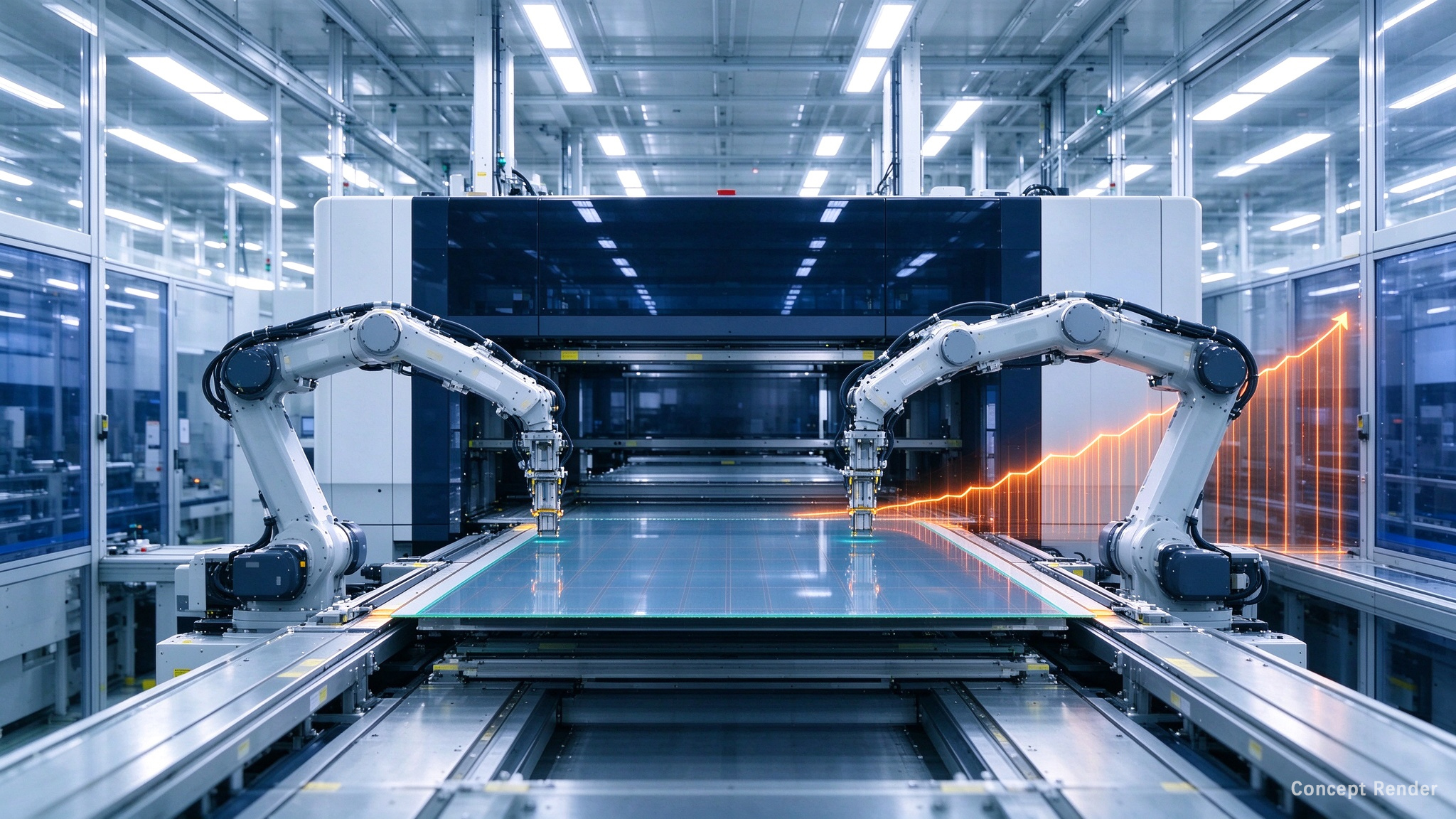
Converted from an existing LCD line, the fab is designed with a total monthly capacity of 15,000 substrates, to be rolled out in phases. The first phase entered mass production in July. Once the second phase is fully operational, Samsung will further bolster its mid-size OLED supply capabilities to fulfill orders from global PC brands and system integrators.
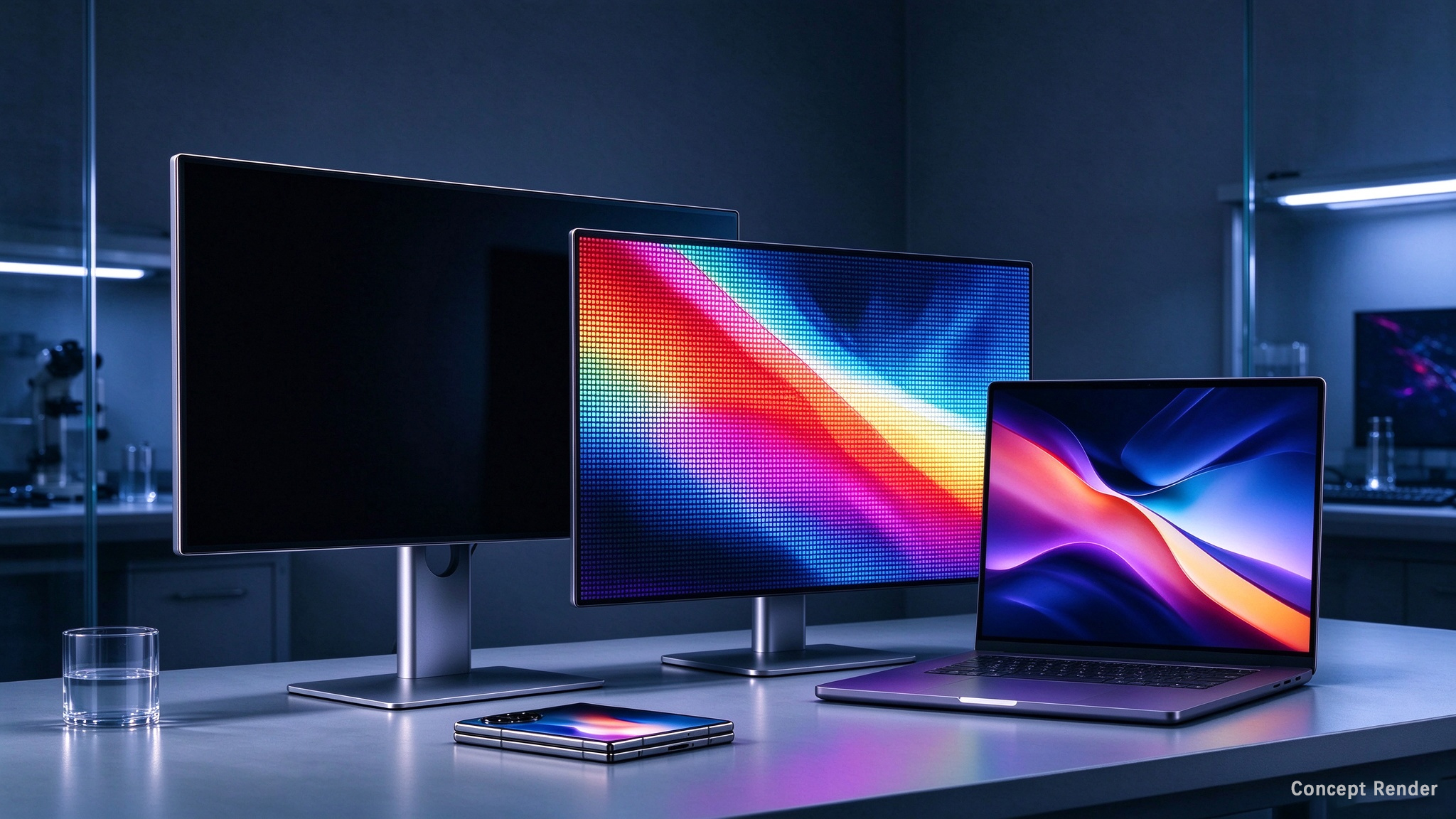
Samsung Display is adopting a differentiated product strategy. For small and medium sizes, it focuses on foldable OLED to maintain its market share in premium smartphones and laptops. For large sizes, QD-OLED gaming panels serve as a core growth driver, with an expanding portfolio of screen sizes. The company is also steadily expanding into emerging segments, such as automotive displays and gaming console accessories, to unlock new growth avenues.
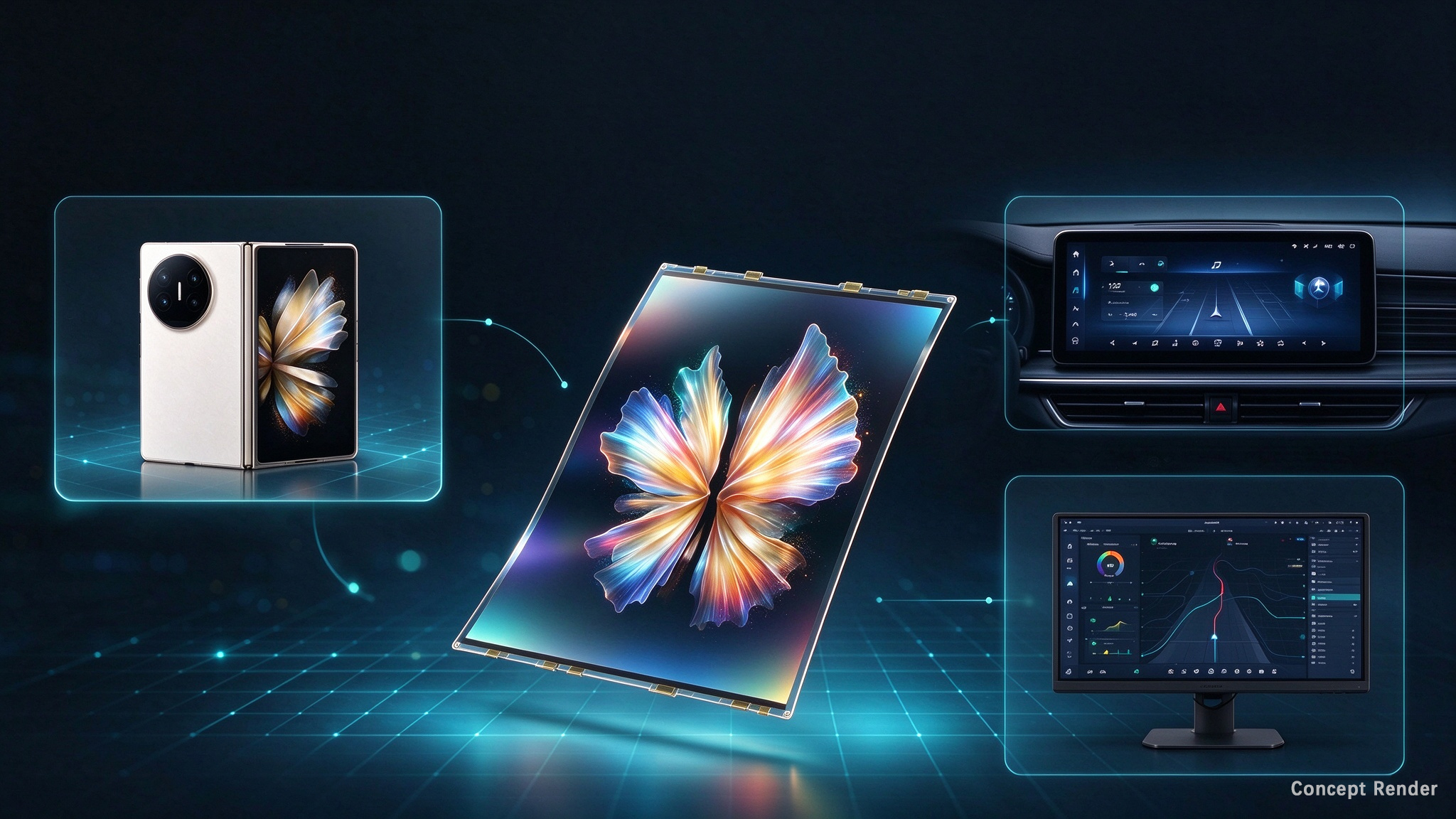
The 8.6-G IT OLED segment has become a highly competitive arena. Rival panel makers are also developing similar generation production lines. This incoming capacity expansion will help drive down overall OLED costs and accelerate the replacement of traditional LCDs in IT applications. It will also reshape upstream materials, equipment, and supporting supply chains, creating broader panel selection and supply opportunities for industrial and commercial display suppliers in the long run.
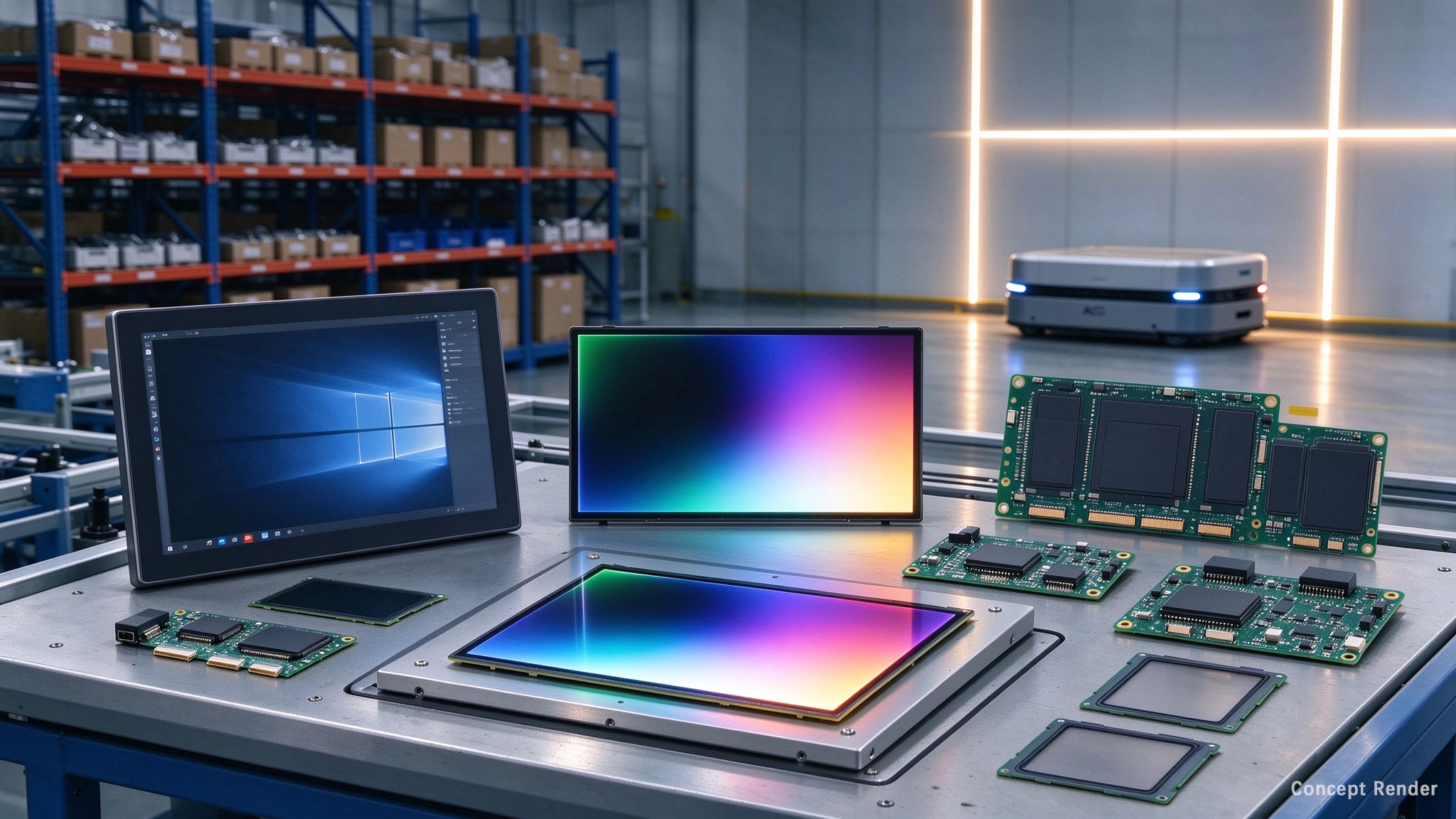
Industry insiders believe the next one to two years will be a critical period for the mass adoption of mid-size OLED. Market penetration will hinge on capacity release schedules, yield rates, and brand adoption. Moving forward, competition among panel suppliers will shift from pure capacity expansion to performance metrics such as high brightness, low power consumption, long service life, and high reliability.