- Industrie-LCD-Display
-
Industrial Products
- DC Servo Drive
- AC Servo Drive
- other
- Heidelberg
- FANUC
- IFM
- Meter
- CCD
- Membrane Keypad
- Film
- YOKOGAWA
- Card
- ABB
- MITSUBISHI
- FANUC
- KEYENCE
- BECKHOFF
- Honeywell
- HOLLYSYS
- FUJI servo drives
- HP
- solenoid valve
- thermostat
- Siemens adapter
- color oscilloscope
- Fujitsu connector
- CHELIC
- SMC
- CISCO
- INTEL
- Key board
- FAIRCHILD
- Der Aufsichtsrat
- Board
- Bearing
- other
- Control Panel
- Contactor
- Circuit
- Omron
- Relais.
- Der controller
- Optoelektronische schalter
- Optoelektronische sensoren
- Original
- Fan
- Motortreiber
- Endschalter
- Verstärker
- power supply
- LENZE
- Cable
- Encoder
- Sensor
- Transformator
- Fiber Optic Sensor
- Schutzrelais
- Temperaturregler
- Näherungsschalter
- Switch Sensor
- Siemens
- PCB
- HMI Touch-Glas
-
HMI-Vollautomat Ganze Einheit
- OMRON HMI Touch Panel
- Siemens HMI Touch Panel
- Mitsubishi HMI Touch Panel
- Allen-Bradley Automatisierung HMI Touch
- DELTA HMI Touch Panel
- EVIEW DELTA HMI Touch Panel
- KINCO DELTA HMI Touch Panel
- HITECH HMI Touch Panel
- WEINTECK HMI Touch Panel
- TECVIEW HMI Touch Panel
- WEINVIEW HMI Touch Panel
- PRO-FACE HMI Touch Panel
- SIMATIC HMI Touch Panel
- AMPIRE HMI Touch Panel
- HEIDELBERG HMI Touch Panel
- PANASONIC HMI Touch Panel
- PATLITE HMI Touch Panel
- KYOCERA HMI Touch Panel
- KEYENCE HMI Touch Panel
- WEINVIEW HMI Touch Panel
- HITECH HMI Touch Panel
- FUJI HMI Touch Panel
- HAKKO HMI Touch Panel
- SCHNEIDER HMI Touch Panel
- SAMKOON touch panel
- andere
- Module
- LCD Wechselrichter
- Membran Tastenfeld Schalter
- Winni Touch Screens
- Frequenzumrichter
- Servo Motor
- PLC


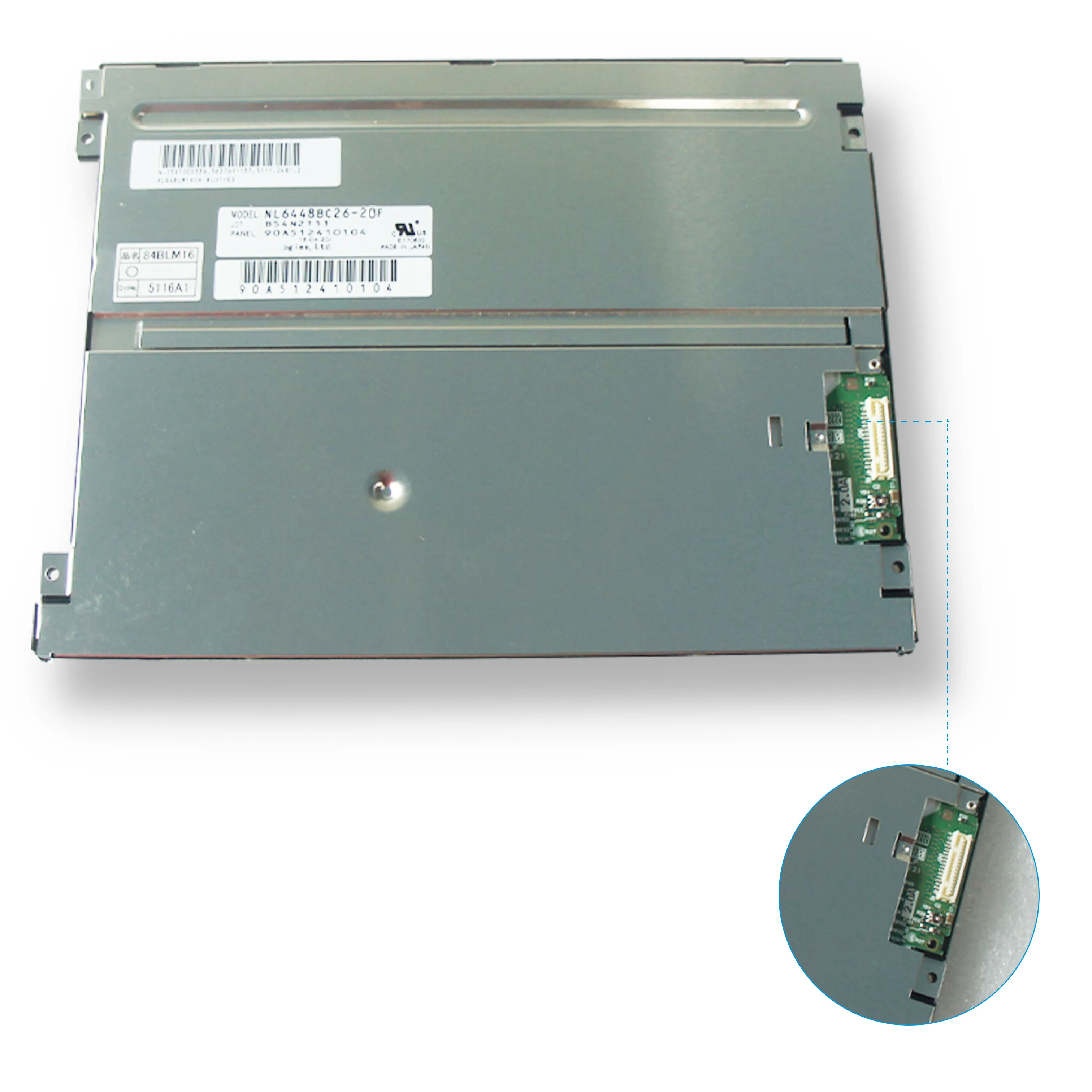


AA104VC04 Mitsubishi 10.4" TFT-LCD-Bildschirm 640*480 Anzeige
In the intricate world of industrial automation, machine interfaces, and specialized display applications, the choice of a display module is a critical decision that impacts reliability, readability, and system integration. At the heart of many legacy and specialized systems lies a specific component: the AA104VC04 Mitsubishi 10.4" TFT-LCD display module. This isn't just any screen; it represents a specific era and standard of industrial visual technology, characterized by its 640 x 480 pixel VGA resolution and robust design.
This article delves deep into the technical DNA, application landscape, and enduring relevance of the AA104VC04. We will move beyond basic specifications to explore why this particular module was engineered, where it excels, and what considerations are paramount when integrating it into a system today. From its core electrical characteristics to its mechanical footprint and compatibility challenges in a modern high-resolution world, we provide a comprehensive analysis for engineers, procurement specialists, and technical decision-makers tasked with maintaining, replacing, or understanding this pivotal piece of industrial hardware.
Technical Specifications and Core Architecture
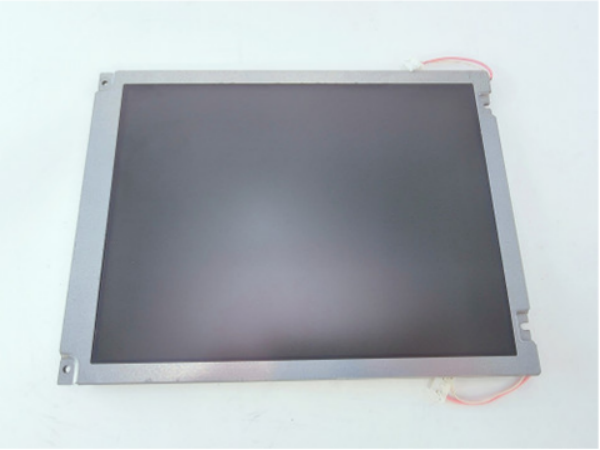
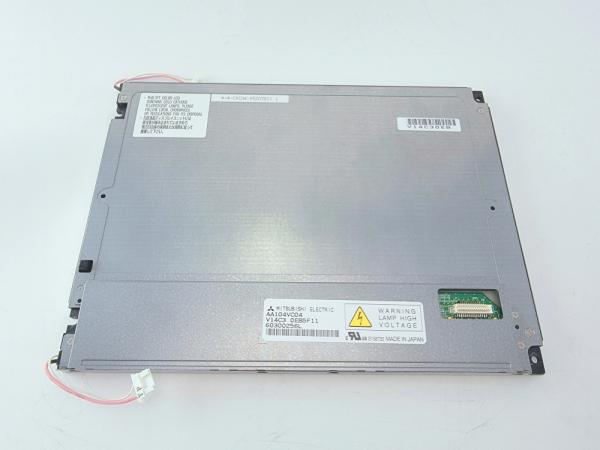
The Mitsubishi AA104VC04 is built around a 10.4-inch diagonal active matrix TFT (Thin-Film Transistor) LCD panel. Its defining characteristic is its native resolution of 640 pixels horizontally by 480 pixels vertically, universally known as VGA. This 4:3 aspect ratio was the cornerstone of display standards for decades. The module typically incorporates a CCFL (Cold Cathode Fluorescent Lamp) backlighting system, known for its wide operating temperature range and stable, even illumination, crucial for industrial environments.
Electrically, the interface is a critical factor. The AA104VC04 commonly utilizes an analog RGB interface, accepting standard VGA timing signals. This requires a compatible controller to drive it. Key parameters include its supply voltage for logic and backlight, its optical performance such as brightness (nits), contrast ratio, and viewing angles. Understanding these specifications is the first step in determining compatibility with existing driver boards or when sourcing a replacement, ensuring the electrical and signal characteristics match precisely to avoid damage or suboptimal performance.
Primary Applications and Industry Use Cases
The AA104VC04 found its home in applications where reliability and clarity under demanding conditions were more critical than ultra-high pixel density. Its primary domain is industrial automation and control systems. You would encounter it as the visual interface on factory floor HMIs (Human-Machine Interfaces), CNC machine controls, test and measurement equipment, and medical diagnostic devices from a certain period.
Beyond the factory, this display module served in transportation (e.g., onboard information systems), point-of-sale terminals, and specialized instrumentation. The 10.4-inch size offered a substantial viewing area without being overly bulky, perfect for embedding into control panels. The VGA resolution, while low by today's standards, was sufficient for displaying schematic diagrams, control menus, data logs, and graphical representations of processes, where fine detail was less important than overall shape and numerical data readability.
The Mechanical and Electrical Integration Challenge
Integrating a display module like the AA104VC04 is not merely a plug-and-play affair. It presents specific mechanical and electrical challenges. Mechanically, the module has exact outline dimensions, bezel size, and mounting hole patterns. Successful replacement or new integration requires careful attention to these details to ensure it fits the existing chassis or panel cutout.
Electrically, the integration is more complex. The analog RGB interface needs a compatible controller board (often called an LCD controller or VGA board). Designers must manage the power supply for both the logic and the CCFL backlight, which requires an inverter. Furthermore, considerations around electromagnetic compatibility (EMC), heat dissipation from the backlight, and the connection of touchscreen overlays (if applicable) add layers to the integration process. A mismatch in pinout or voltage can render the module inoperative.
CCFL Backlighting: Characteristics and Longevity Considerations
A defining feature of the AA104VC04 era is its CCFL backlighting. Unlike modern LED-backlit panels, CCFL tubes provide illumination via a fluorescent process. They offer excellent uniformity and performance across a wide temperature range. However, they have a finite lifespan, typically rated in tens of thousands of hours, after which brightness degrades significantly.
This is a major consideration for legacy systems still in operation. A dim or flickering display often points to backlight failure. Repair options include replacing the CCFL tubes themselves—a delicate procedure—or retrofitting the module with an LED backlight conversion kit. This upgrade can extend the display's life, improve energy efficiency, and eliminate the need for a high-voltage inverter, though it requires technical skill to implement correctly without damaging the LCD panel.
Sourcing, Compatibility, and Modern Alternatives
As a discontinued industrial component, sourcing the authentic Mitsubishi AA104VC04 can be challenging. The market consists largely of new old stock (NOS), refurbished units, or compatible panels from other manufacturers. When sourcing, verifying the exact model number, revision, and interface type is paramount to avoid compatibility issues.
For new designs or upgrades, modern alternatives exist. These are typically 10.4-inch LCD modules with LVDS or other digital interfaces, higher resolutions (XGA, 1024x768), and LED backlights. However, direct "drop-in" compatibility is rare. Adopting a modern panel often necessitates a new controller board, potential software driver updates, and mechanical adaptation, representing a more significant system redesign versus a like-for-like module replacement.
Maintenance, Troubleshooting, and End-of-Life Planning
Maintaining systems based on the AA104VC04 involves proactive monitoring of display quality. Common issues include backlight failure (dimness, pink hue, or no light), image persistence (screen burn-in), loss of contrast, or complete failure due to capacitor aging on the internal PCB.
Troubleshooting starts with isolating the problem: is it the module, the controller board, the inverter, or the source signal? Having a known-good spare module for testing is invaluable. For organizations reliant on this technology, developing an end-of-life strategy is crucial. This involves securing a last-time-buy inventory of critical spares, identifying qualified refurbishment partners, or planning a phased migration to a newer display technology platform to ensure long-term operational continuity.
Frequently Asked Questions (FAQs)
10. What should I consider for long-term system support?Plan for component obsolescence by securing spares, exploring qualified refurbishment options, or designing a future upgrade path to a modern display standard.
Conclusion
The Mitsubishi AA104VC04 10.4" TFT-LCD module is more than a simple screen; it is a testament to a specific epoch of industrial design where robustness and standardized VGA resolution met the needs of a generation of machinery and interfaces. Its continued presence in the field underscores the long lifecycles inherent in industrial and specialized equipment.
Navigating the world of such legacy components demands a careful balance of technical knowledge and practical strategy. Understanding its specifications, integration nuances, and failure modes is essential for effective maintenance. Ultimately, engaging with this technology today is an exercise in lifecycle management—whether through meticulous sourcing of compatible parts, skilled refurbishment, or planning a thoughtful transition to modern alternatives to ensure system resilience for years to come.