- Industrie-LCD-Display
-
Industrial Products
- DC Servo Drive
- AC Servo Drive
- other
- Heidelberg
- FANUC
- IFM
- Meter
- CCD
- Membrane Keypad
- Film
- YOKOGAWA
- Card
- ABB
- MITSUBISHI
- FANUC
- KEYENCE
- BECKHOFF
- Honeywell
- HOLLYSYS
- FUJI servo drives
- HP
- solenoid valve
- thermostat
- Siemens adapter
- color oscilloscope
- Fujitsu connector
- CHELIC
- SMC
- CISCO
- INTEL
- Key board
- FAIRCHILD
- Der Aufsichtsrat
- Board
- Bearing
- other
- Control Panel
- Contactor
- Circuit
- Omron
- Relais.
- Der controller
- Optoelektronische schalter
- Optoelektronische sensoren
- Original
- Fan
- Motortreiber
- Endschalter
- Verstärker
- power supply
- LENZE
- Cable
- Encoder
- Sensor
- Transformator
- Fiber Optic Sensor
- Schutzrelais
- Temperaturregler
- Näherungsschalter
- Switch Sensor
- Siemens
- PCB
- HMI Touch-Glas
-
HMI-Vollautomat Ganze Einheit
- OMRON HMI Touch Panel
- Siemens HMI Touch Panel
- Mitsubishi HMI Touch Panel
- Allen-Bradley Automatisierung HMI Touch
- DELTA HMI Touch Panel
- EVIEW DELTA HMI Touch Panel
- KINCO DELTA HMI Touch Panel
- HITECH HMI Touch Panel
- WEINTECK HMI Touch Panel
- TECVIEW HMI Touch Panel
- WEINVIEW HMI Touch Panel
- PRO-FACE HMI Touch Panel
- SIMATIC HMI Touch Panel
- AMPIRE HMI Touch Panel
- HEIDELBERG HMI Touch Panel
- PANASONIC HMI Touch Panel
- PATLITE HMI Touch Panel
- KYOCERA HMI Touch Panel
- KEYENCE HMI Touch Panel
- WEINVIEW HMI Touch Panel
- HITECH HMI Touch Panel
- FUJI HMI Touch Panel
- HAKKO HMI Touch Panel
- SCHNEIDER HMI Touch Panel
- SAMKOON touch panel
- andere
- Module
- LCD Wechselrichter
- Membran Tastenfeld Schalter
- Winni Touch Screens
- Frequenzumrichter
- Servo Motor
- PLC


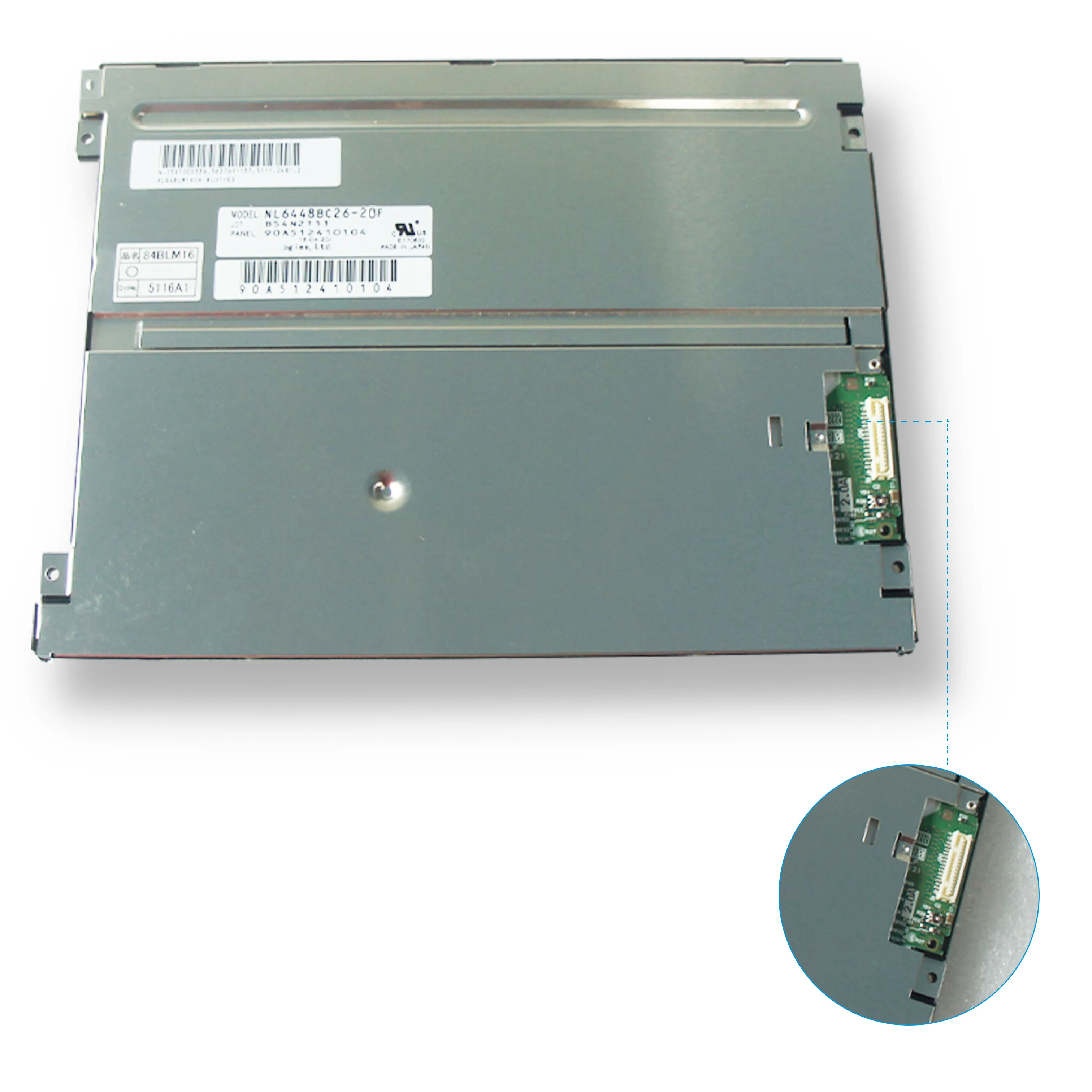


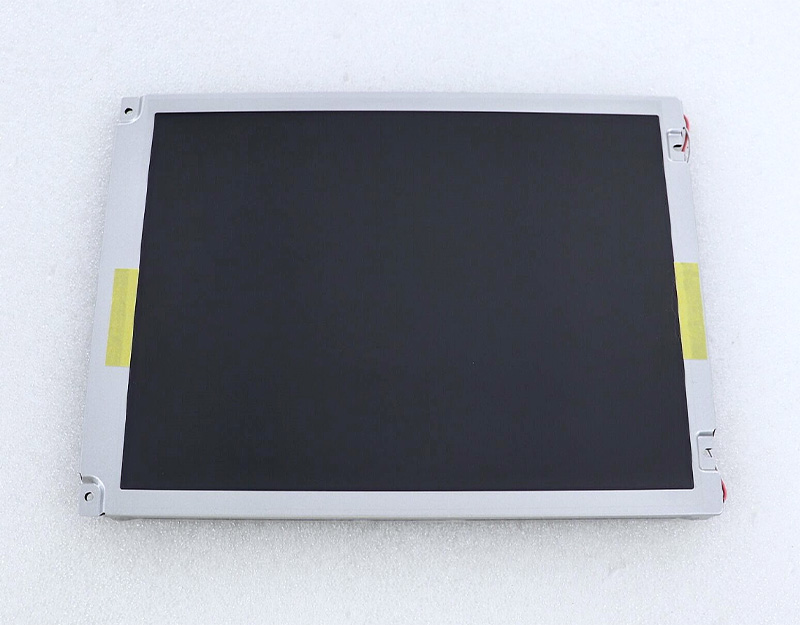
AA104VC11 10.4-inch 640*480 LCD panel display
In the intricate world of industrial and embedded systems, the display panel is far more than just a window for information; it is the critical interface bridging human operators and complex machinery. Among the myriad of specialized components, the AA104VC11 10.4-inch LCD panel emerges as a notable and enduring solution. Characterized by its 640 x 480 pixel resolution—a standard known as VGA—this display module represents a specific class of technology engineered for reliability and clarity in demanding environments.
This article delves into a comprehensive analysis of the AA104VC11 display panel. We will move beyond basic specifications to explore its underlying technology, the rationale behind its enduring resolution standard, and its precise application landscape. By examining its performance characteristics, integration requirements, and comparative advantages, we aim to provide engineers, procurement specialists, and system integrators with a deep, practical understanding of where and why this particular display module continues to be a relevant and vital component in modern industrial design.
Decoding the AA104VC11: Core Specifications and Technology
The AA104VC11 is fundamentally a 10.4-inch diagonal TFT-LCD (Thin-Film Transistor Liquid Crystal Display) module. Its most defining characteristic is its native resolution of 640 pixels horizontally by 480 pixels vertically. This VGA standard, while considered low by consumer electronics standards, offers a distinct advantage in industrial contexts: pixel density and size. On a 10.4-inch screen, VGA results in large, well-defined individual pixels, ensuring that text, numerical data, and interface elements are exceptionally legible, even from a distance or in suboptimal lighting.
Beyond resolution, key specifications include its aspect ratio of 4:3, which is ideal for displaying traditional machine control interfaces, data logs, and legacy software applications designed for this format. The module typically employs a CCFL or LED backlighting system, with the latter (LED) offering superior longevity, lower power consumption, and a wider operating temperature range. Understanding these core specs—the 10.4" size, 640x480 resolution, and 4:3 aspect ratio—is the first step in recognizing its targeted application philosophy: functional clarity over multimedia immersion.
The Enduring Relevance of VGA Resolution in Niche Applications
In an era of 4K and 8K displays, the persistence of VGA (640x480) may seem anachronistic. However, its continued use is a calculated choice driven by engineering and operational pragmatism. Firstly, legacy system compatibility is paramount. Countless industrial machines, medical devices, and point-of-sale systems were designed decades ago with VGA output. Upgrading the entire system is often prohibitively expensive; integrating a modern display that accepts VGA input is a cost-effective solution.
Secondly, reliability and simplicity are enhanced. Lower resolution means less data to process and transmit, reducing the load on embedded controllers and minimizing potential points of failure. The signal integrity for VGA, while analog, is robust over short distances typical in enclosed systems. Finally, for applications displaying primarily text-based data, schematic diagrams, or simple HMI graphics, higher resolution provides diminishing returns while increasing cost and complexity. The VGA standard, as embodied by panels like the AA104VC11, strikes a perfect balance for these use cases.
Optical Performance and Environmental Durability
The performance of an industrial display is measured not in color gamut for movies, but in readability and resilience. The AA104VC11 is built for challenging conditions. Its optical performance is tailored for high brightness (often 300 nits or more) to combat glare and ambient light in factories or outdoor kiosks. It also features wide viewing angles, particularly in the horizontal plane, allowing multiple operators to view data accurately from different positions.
Environmental durability is equally critical. These panels are designed to operate reliably across an extended temperature range (e.g., -20°C to 70°C), ensuring functionality in unheated warehouses or under the heat of machinery. They resist vibration and shock, a necessity in manufacturing plants. Furthermore, the front surface often includes a robust coating or is paired with a protective glass overlay to resist scratches, chemical splashes, and constant interaction. This ruggedized design philosophy separates industrial modules like the AA104VC11 from their consumer-grade counterparts.
Interface and Integration: Connecting to the System
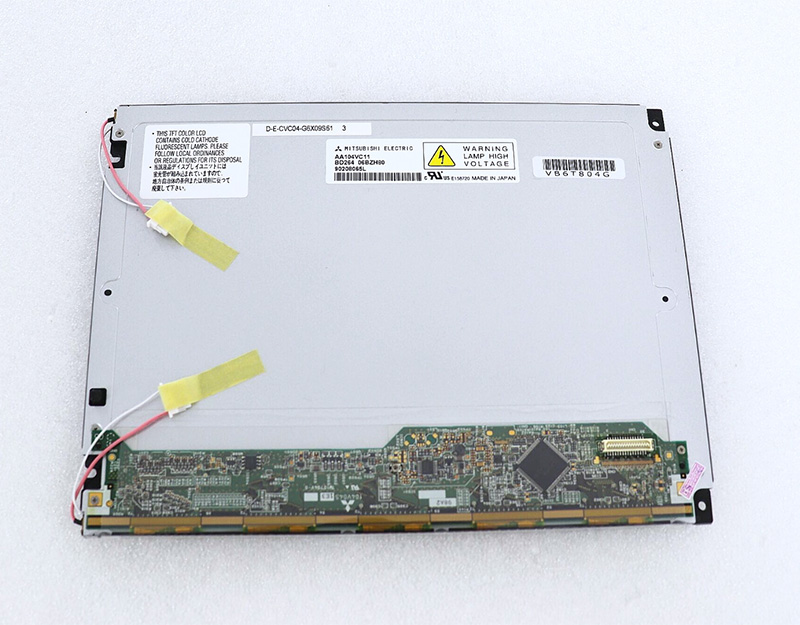
The AA104VC11 is a "panel only" module, meaning it requires a supporting controller board (often called a LCD controller or driver board) to function. The most common interface for this panel is LVDS (Low-Voltage Differential Signaling). LVDS is a digital interface standard favored in industrial applications for its noise immunity, which is crucial for maintaining a clean image in electrically noisy environments. The specific pin configuration and signal requirements are detailed in the panel's datasheet, which is essential for proper integration.
System integrators must also account for power requirements (typically 3.3V or 5V for logic and a separate voltage for the backlight), mechanical mounting (using standardized holes on the metal chassis), and the interface between the controller board and the host system (which may be via VGA, DVI, or even embedded protocols like RGB). Successful integration hinges on matching the panel's interface with the correct controller and ensuring mechanical and electrical compatibility within the end-product's enclosure.
Comparative Analysis: AA104VC11 vs. Modern Alternatives
Compared to other industrial-grade touchscreen solutions, the AA104VC11 is often a more affordable "core component." It can be paired with a separate resistive or projected capacitive touch overlay based on the specific need (durability vs. multi-touch). This modularity offers design flexibility. The primary trade-off is integration effort; a modern all-in-one industrial monitor may be simpler to deploy but less customizable and potentially more expensive for high-volume applications.
Primary Application Sectors and Use Cases
Industrial Automation: As the primary HMI on CNC machines, PLC controllers, test equipment, and factory floor monitoring stations.
Medical Equipment: In patient monitoring devices, diagnostic instruments, and older medical imaging systems where display consistency is vital.
Point-of-Sale (POS) and Kiosks: In retail terminals, self-service kiosks, and hospitality systems, where the interface is form-based and the hardware must endure constant use.
Transportation and Aerospace: In vehicle telematics systems, cabin control panels, and ground support equipment.
Legacy System Upgrades: As a direct replacement for failing CRT or early-generation LCD displays in any of the above fields, extending the life of capital-intensive machinery.
FAQs: AA104VC11 10.4-inch LCD Panel Display
Q10: Where is the best place to source it?A: Through specialized industrial electronic component distributors, display module manufacturers, or authorized resellers who can provide technical datasheets and support.
Conclusion
The AA104VC11 10.4-inch LCD panel is a compelling testament to the principle that in engineering, the "best" technology is the one most fit for purpose. Its enduring design, centered on the 640x480 VGA standard, is not a limitation but a strategic feature that delivers unmatched legibility, robust compatibility, and proven reliability. It serves as the vital visual interface in sectors where system uptime, clarity of data, and longevity are non-negotiable.
For designers and integrators working in industrial automation, medical technology, or legacy system support, understanding this module's capabilities and integration pathway is crucial. It represents a reliable, cost-effective, and highly specialized solution that continues to hold a significant and respected place in the ecosystem of embedded display technology, proving that optimal performance is always defined by context.