- Industrial LCD display
-
Industrial Products
- DC Servo Drive
- AC Servo Drive
- other
- Heidelberg
- FANUC
- IFM
- Meter
- CCD
- Membrane Keypad
- Film
- YOKOGAWA Module
- Card
- ABB
- MITSUBISHI
- FANUC
- KEYENCE
- BECKHOFF
- Honeywell
- HOLLYSYS
- FUJI servo drives
- HP
- solenoid valve
- thermostat
- Siemens adapter
- color oscilloscope
- Fujitsu connector
- CHELIC
- SMC
- CISCO Module
- INTEL
- Key board
- FAIRCHILD
- Motherboard
- Board
- Bearing
- other
- Control Panel
- Contactor
- Circuit
- OMRON
- Relay
- Controller
- Photoelectric Switch
- Photoelectric Sensor
- Original
- Fan
- Motor Driver
- Limit Switch
- Amplifier
- power supply
- LENZE
- Cable
- Encoder
- Sensor
- Transformer
- Fiber Optic Sensor
- Protection Relay
- Temperature Controller
- Proximity Switch
- Switch Sensor
- Siemens
- Industrial board
- HMI Touch Glass
-
HMI Full Machine Whole unit
- OMRON HMI Touch Panel
- Siemens HMI Touch Panel
- Mitsubishi HMI Touch Panel
- Allen-Bradley automation HMI Touch Panel
- DELTA HMI Touch Panel
- EVIEW DELTA HMI Touch Panel
- KINCO DELTA HMI Touch Panel
- HITECH HMI Touch Panel
- WEINTECK HMI Touch Panel
- TECVIEW HMI Touch Panel
- WEINVIEW HMI Touch Panel
- PRO-FACE HMI Touch Panel
- SIMATIC HMI Touch Panel
- AMPIRE HMI Touch Panel
- HEIDELBERG HMI Touch Panel
- PANASONIC HMI Touch Panel
- PATLITE HMI Touch Panel
- KYOCERA HMI Touch Panel
- KEYENCE HMI Touch Panel
- WEINVIEW HMI Touch Panel
- HITECH HMI Touch Panel
- FUJI HMI Touch Panel
- HAKKO HMI Touch Panel
- SCHNEIDER HMI Touch Panel
- SAMKOON touch panel
- other
- Module
- lcd inverter
- Membrane Keypad Switch
- Winni Touch Screens
- Frequency Inverter
- Servo Motor
- PLC


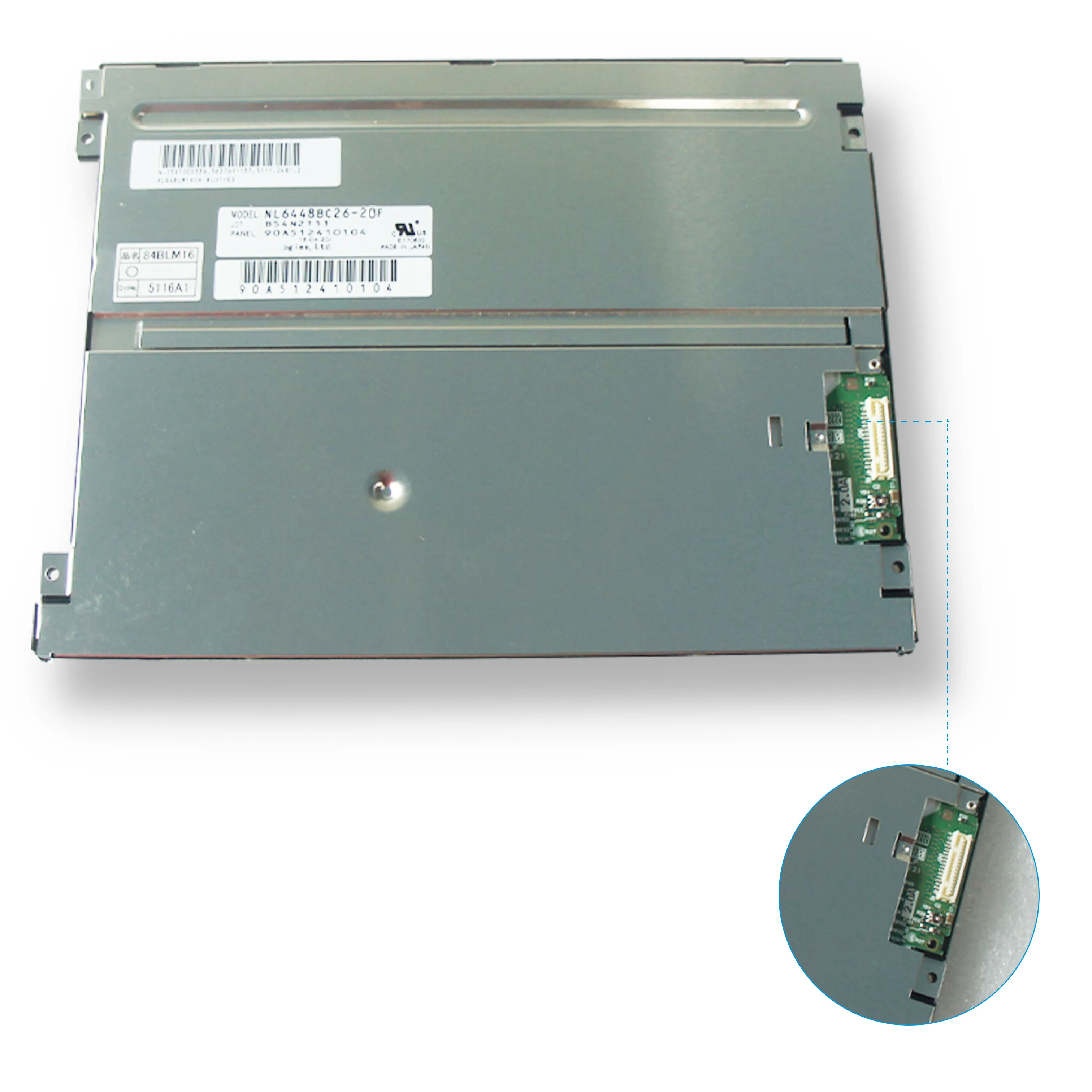


AA150XS01 Mitsubishi 15inch lcd display new and Original
In the intricate world of industrial automation, medical imaging, and high-reliability control systems, the display interface is far more than a simple window to data—it is a critical component of operational integrity. At the heart of many such demanding applications lies the Mitsubishi AA150XS01, a 15-inch LCD display module renowned for its precision and durability. This article delves into the nuanced ecosystem surrounding this specific component, exploring not just its technical specifications but the significant implications of sourcing new versus original units.
Navigating the procurement landscape for specialized industrial parts like the AA150XS01 presents a unique set of challenges. The market is often segmented between brand-new, factory-fresh modules and original units that may be refurbished or pulled from existing systems. Understanding the distinction is paramount for engineers, procurement specialists, and system integrators whose projects hinge on long-term performance and reliability. This deep dive aims to equip professionals with the knowledge to make informed decisions, balancing technical requirements, budgetary constraints, and risk management in their pursuit of this pivotal display solution.
Unpacking the AA150XS01: A Technical Profile
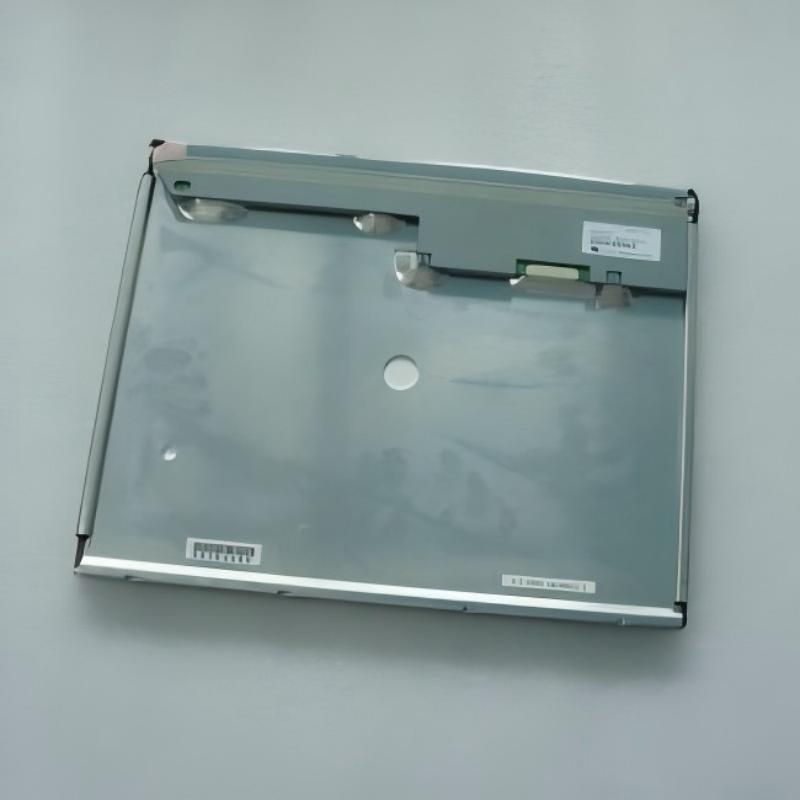
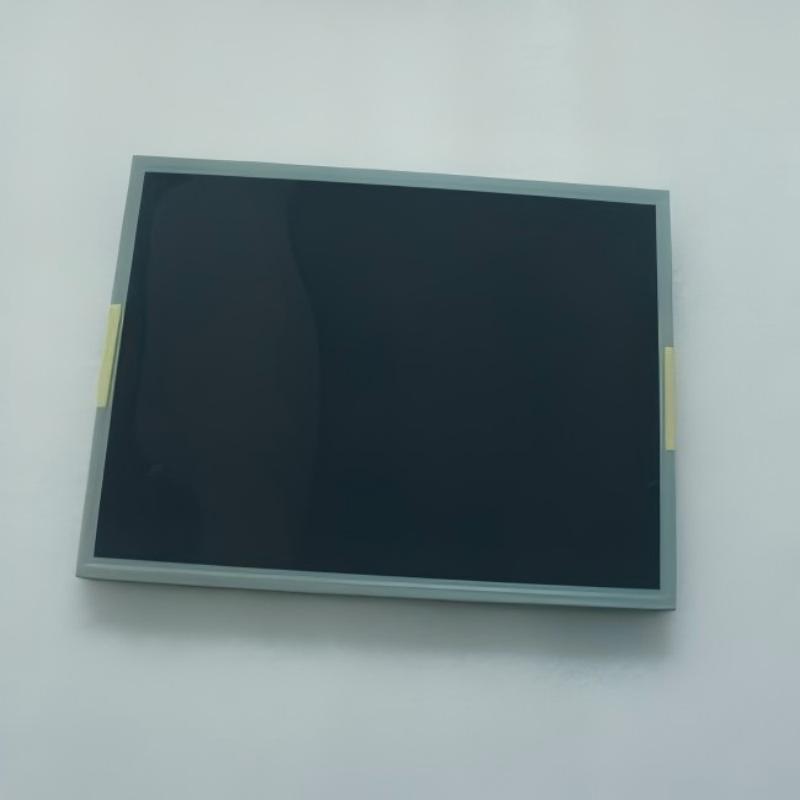
The Mitsubishi AA150XS01 is a 15-inch TFT-LCD module designed from the ground up for industrial and professional applications. Its core specifications reveal its purpose: typically offering XGA (1024 x 768) resolution, high brightness levels for readability in various lighting conditions, and a robust interface, often LVDS, ensuring stable signal transmission. Unlike consumer-grade monitors, this module is built to withstand extended operational hours, often within a wider temperature range and with higher resistance to shock and vibration.
Its design philosophy prioritizes accuracy and consistency. The color reproduction and grayscale performance are calibrated for precision, making it suitable for tasks where visual detail is non-negotiable, such as diagnostic medical displays or quality control monitoring. The mechanical design, including its bezel dimensions and mounting points, is standardized for integration into larger systems, emphasizing its role as a component, not a standalone product. This technical foundation sets the stage for understanding why the provenance of the module is so critical.
The Critical Distinction: New vs. Original
In component sourcing, the terms "new" and "original" are frequently conflated, yet they represent fundamentally different supply chain paths with major implications. A new AA150XS01 refers to a module that is factory-fresh, never used or installed, and typically sourced directly from Mitsubishi or an authorized distributor. It comes with full manufacturer warranty and guaranteed performance metrics.
An original unit, however, signifies that the part is genuinely manufactured by Mitsubishi (not a counterfeit) but may not be new. This category includes new old stock (NOS), refurbished (tested and repaired to a functional standard), or pulled (used, working components from decommissioned equipment). While original ensures compatibility and avoids knock-offs, it does not automatically guarantee the lifespan or performance of a new unit. This distinction forms the core of the procurement risk assessment.
Application Environments Demanding the AA150XS01
The specific features of the AA150XS01 make it indispensable in environments where failure is not an option. In industrial automation, it serves as the HMI (Human-Machine Interface) for PLC systems, controlling machinery on factory floors where dust, temperature fluctuations, and continuous operation are the norm. In medical equipment, such as ultrasound or patient monitoring systems, its reliable grayscale and image stability are crucial for accurate diagnostics.
Furthermore, it finds a home in transportation (control panels for rail or maritime), test and measurement apparatus, and specialized military or aerospace interfaces. In each case, the display is embedded into a larger, mission-critical system. A failure can lead to costly downtime, safety hazards, or operational errors, thereby justifying the focus on high-quality, reliable sourcing for this component.
The Supply Chain Landscape and Sourcing Challenges
Procuring an AA150XS01 is rarely as simple as a standard e-commerce purchase. Authorized distributors for new units may have minimum order quantities or long lead times, especially for a component that may be in phased production. This drives many buyers to the open market, where independent suppliers and brokers offer original parts.
Here, challenges abound: verifying the authenticity of the module, assessing the true condition of "original" stock, and understanding the supplier's testing protocols. The market also contends with counterfeit components that mimic model numbers but fail to deliver on performance or safety. Navigating this landscape requires due diligence, technical verification (such as requesting detailed photos or test reports), and working with reputable suppliers who specialize in industrial electronic components.
Cost-Benefit Analysis and Total Cost of Ownership
The initial purchase price is only one factor in the decision between a new and an original AA150XS01. A Total Cost of Ownership (TCO) analysis provides a more complete picture. A new module, while higher in upfront cost, offers predictable performance, full warranty coverage, and a maximum expected service life. This minimizes risk and potential future replacement costs.
An original unit from secondary markets may offer significant upfront savings. However, the TCO must account for potential risks: shorter remaining lifespan, higher probability of early failure, lack of warranty, and the labor costs associated with troubleshooting and replacing a faulty module in a deployed system. For non-critical applications or budget-constrained projects with robust redundancy, an original unit can be viable. For mission-critical systems, the lower risk profile of a new unit often justifies the investment.
Verification and Integration Best Practices
Once a sourcing decision is made, successful deployment hinges on verification and proper integration. Upon receipt, inspect the module for physical damage and verify labels and part numbers. If possible, bench-test it with the appropriate controller board to check for pixel defects, backlight uniformity, and interface functionality.
Integration requires attention to the datasheet specifications: ensuring compatible voltage levels, signal timing, and physical mounting. Consider the operating environment—additional sealing or cooling may be necessary. For original/refurbished units, planning for a shorter maintenance cycle is prudent. Documenting the source, date of installation, and any test results creates a valuable history for future maintenance and liability purposes.
FAQs: Mitsubishi AA150XS01 Sourcing and Application
Q10: Where can I find the technical datasheet?A10: Datasheets can be found through Mitsubishi's component division websites, distributor sites, or technical document archives. Ensure you have the exact revision.
Conclusion
The journey to source a Mitsubishi AA150XS01 15-inch LCD display encapsulates a critical decision-making process in industrial component procurement. It moves beyond a simple transaction to a strategic evaluation of technical requirements, supply chain realities, and total cost of ownership. The choice between a new and an original unit is not inherently right or wrong but must be aligned with the application's criticality, risk tolerance, and long-term operational goals.
For professionals entrusted with system integrity, knowledge is the most valuable tool. By understanding the technical profile of the AA150XS01, meticulously assessing the sourcing options, and adhering to rigorous verification practices, one can secure the reliable performance that complex systems demand. In the realm where display meets data, the right choice ensures clarity, reliability, and continuity.