- Industrie-LCD-Display
-
Industrial Products
- DC Servo Drive
- AC Servo Drive
- other
- Heidelberg
- FANUC
- IFM
- Meter
- CCD
- Membrane Keypad
- Film
- YOKOGAWA
- Card
- ABB
- MITSUBISHI
- FANUC
- KEYENCE
- BECKHOFF
- Honeywell
- HOLLYSYS
- FUJI servo drives
- HP
- solenoid valve
- thermostat
- Siemens adapter
- color oscilloscope
- Fujitsu connector
- CHELIC
- SMC
- CISCO
- INTEL
- Key board
- FAIRCHILD
- Der Aufsichtsrat
- Board
- Bearing
- other
- Control Panel
- Contactor
- Circuit
- Omron
- Relais.
- Der controller
- Optoelektronische schalter
- Optoelektronische sensoren
- Original
- Fan
- Motortreiber
- Endschalter
- Verstärker
- power supply
- LENZE
- Cable
- Encoder
- Sensor
- Transformator
- Fiber Optic Sensor
- Schutzrelais
- Temperaturregler
- Näherungsschalter
- Switch Sensor
- Siemens
- PCB
- HMI Touch-Glas
-
HMI-Vollautomat Ganze Einheit
- OMRON HMI Touch Panel
- Siemens HMI Touch Panel
- Mitsubishi HMI Touch Panel
- Allen-Bradley Automatisierung HMI Touch
- DELTA HMI Touch Panel
- EVIEW DELTA HMI Touch Panel
- KINCO DELTA HMI Touch Panel
- HITECH HMI Touch Panel
- WEINTECK HMI Touch Panel
- TECVIEW HMI Touch Panel
- WEINVIEW HMI Touch Panel
- PRO-FACE HMI Touch Panel
- SIMATIC HMI Touch Panel
- AMPIRE HMI Touch Panel
- HEIDELBERG HMI Touch Panel
- PANASONIC HMI Touch Panel
- PATLITE HMI Touch Panel
- KYOCERA HMI Touch Panel
- KEYENCE HMI Touch Panel
- WEINVIEW HMI Touch Panel
- HITECH HMI Touch Panel
- FUJI HMI Touch Panel
- HAKKO HMI Touch Panel
- SCHNEIDER HMI Touch Panel
- SAMKOON touch panel
- andere
- Module
- LCD Wechselrichter
- Membran Tastenfeld Schalter
- Winni Touch Screens
- Frequenzumrichter
- Servo Motor
- PLC


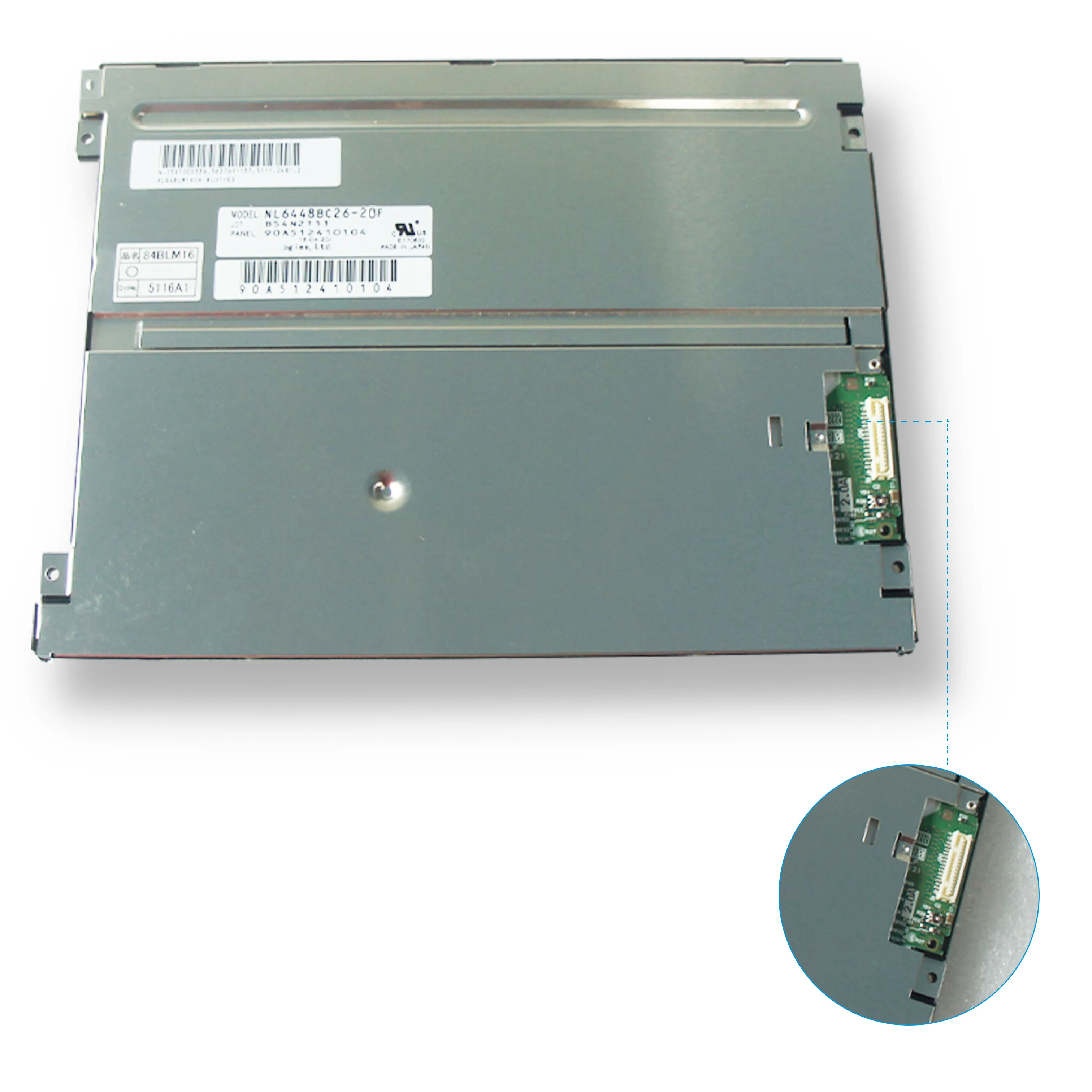


In the intricate world of industrial and specialized display solutions, the Mitsubishi AA150XT01 stands as a notable component, a 15-inch LCD panel engineered for reliability and clarity in demanding environments. This article delves into the specifics of this display module, focusing on the critical distinction between new and original units in the current marketplace. As legacy industrial panels remain vital for maintenance, repair, and operations (MRO) of existing equipment, understanding their technical pedigree becomes paramount.
Procuring a genuine AA150XT01 is not merely a transaction; it's an investment in system longevity and performance integrity. We will explore its technical specifications, ideal applications, and the substantial risks associated with counterfeit or refurbished parts masquerading as new. This guide aims to equip engineers, procurement specialists, and technical decision-makers with the knowledge to source authentically, ensuring their mission-critical systems operate as designed.
Decoding the AA150XT01: Technical Specifications and Legacy Value
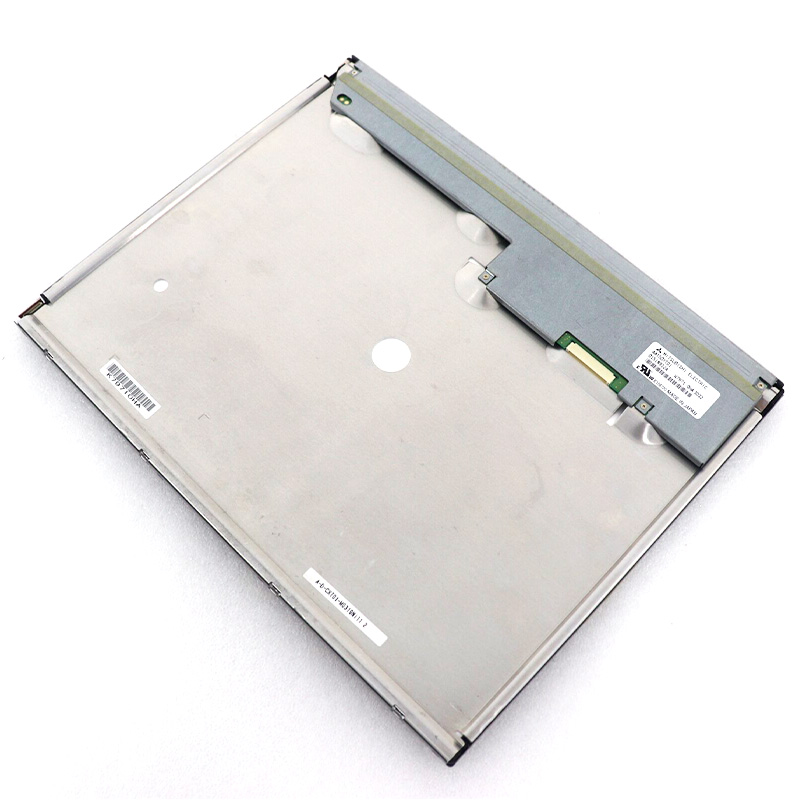
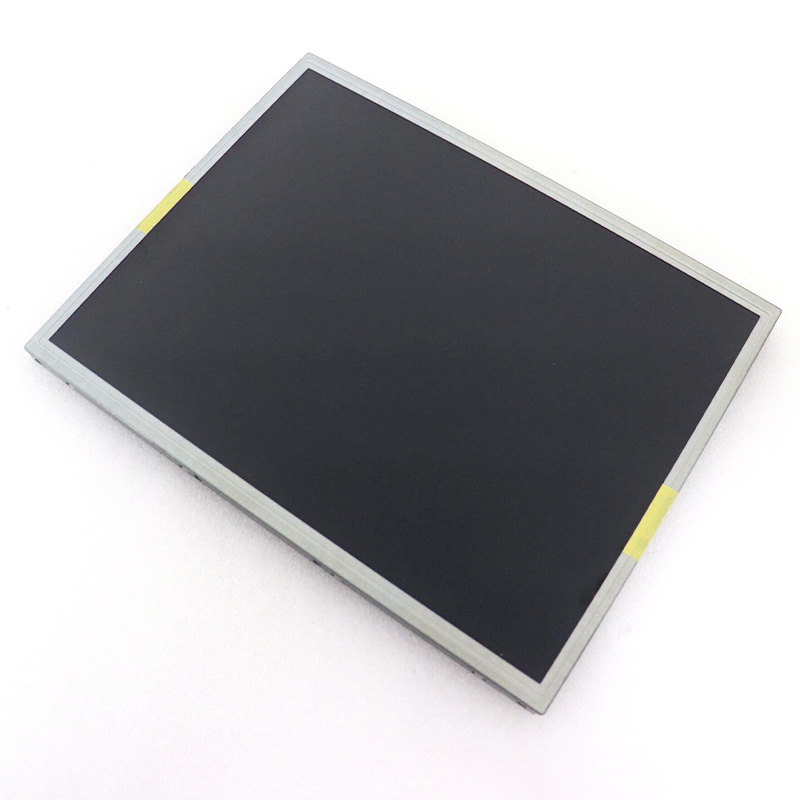
The Mitsubishi AA150XT01 is a 15-inch diagonal active matrix TFT-LCD display module with a native resolution of 1024 x 768 (XGA). This 4:3 aspect ratio format was once the industry standard and remains crucial for interfacing with a vast installed base of control systems, medical devices, and test equipment. The panel typically employs a high-contrast ratio and wide viewing angle technology, ensuring readability in varied lighting conditions and from different perspectives.
Beyond the basic resolution, its value lies in its electrical and mechanical interface consistency. It features specific LVDS (Low-Voltage Differential Signaling) interface protocols, precise mounting hole patterns, and defined backlight requirements (often CCFL). This precise set of characteristics is what original equipment manufacturers (OEMs) designed their products around. A true original AA150XT01 guarantees a drop-in replacement, maintaining signal integrity, power efficiency, and physical compatibility, thereby preserving the original design's lifecycle.
The Critical Imperative of "New and Original" in Component Sourcing
In the context of industrial components, "new" and "original" are contractual and technical terms of art. New signifies that the component has never been installed or used in a field application, typically sourced from factory surplus or authorized channel stock. Original means it was manufactured by or under the strict license of Mitsubishi Electric, adhering to the original bill of materials and quality controls.
This combination is essential because a display can be "new" (unused) but not "original" (a clone with different internal components), or "original" (Mitsubishi-made) but not "new" (pulled from used equipment). Only units that are both guarantee the performance, reliability, and lifespan intended by the original system engineer. Compromising on either attribute introduces variables that can lead to premature failure, system incompatibility, or even safety risks in regulated environments like healthcare or aviation.
Primary Applications and Industries Relying on This Display
The AA150XT01 finds its home in environments where equipment longevity far exceeds the rapid refresh cycles of consumer electronics. Its primary applications are in industrial automation (HMIs for PLCs, control panels for manufacturing lines), medical instrumentation (patient monitors, diagnostic ultrasound machines, laboratory analyzers), and transportation systems (in-cab displays, navigation interfaces).
These sectors share a common need: systems are capital-intensive and certified to operate for decades. When a single display fails, replacing the entire machine is often economically unfeasible. Therefore, a reliable source for a direct-display replacement becomes the most cost-effective and logical MRO strategy. The panel's XGA resolution is perfectly suited for displaying complex schematic data, waveform traces, and legacy software interfaces without scaling artifacts.
Navigating the Market: Risks of Counterfeits and Misrepresented Units
The secondary market for discontinued panels is rife with risk. Common issues include counterfeit panels that replicate the external label but use inferior LCD cells, drivers, or backlights, leading to poor image quality and short life. Refurbished or "reclaimed" units may be sold as new, having had worn-out backlights replaced or surface components reworked, which compromises long-term reliability.
Other risks involve compatible or alternative panels marketed as direct replacements. While sometimes functional, they may have slight variations in voltage requirements, timing controllers, or mechanical frames that cause intermittent failures or physical fitting issues. These problems may not manifest immediately but can cause costly downtime weeks or months after installation. Due diligence in supplier vetting is non-negotiable.
How to Verify Authenticity and Source Responsibly
Verifying an authentic AA150XT01 requires a multi-faceted approach. First, procure from authorized or highly reputable specialist distributors with proven track records in industrial components. Scrutinize supplier documentation, including certificates of conformity and traceable lot codes. Physically, inspect the unit for consistent Mitsubishi branding on the LCD cell itself (often visible at the edge), the quality of the connector, and the integrity of the anti-static bag and packaging.
Request high-resolution photos of the actual item, including the barcode and part number label. Compare these with known genuine examples. Reputable suppliers will also provide technical support and a warranty. While price is a factor, a quote significantly below market average is a major red flag, often indicating a counterfeit, refurbished, or pulled unit being misrepresented as new and original.
The Long-Term Value Proposition of Genuine Components
Choosing a genuine, new AA150XT01 is ultimately a decision rooted in Total Cost of Ownership (TCO). The higher initial cost is offset by extended mean time between failures (MTBF), zero compatibility headaches, and the avoidance of unplanned downtime. In an industrial setting, an hour of production line stoppage can far exceed the price difference between a genuine and a counterfeit panel.
Furthermore, using original components maintains the certification and validation status of the host equipment, which is critical in regulated industries. It protects the capital investment in the larger system and ensures operational continuity. By sourcing authentically, you are not just buying a display; you are purchasing reliability, preserving system integrity, and ensuring predictable performance for years to come.
Frequently Asked Questions (FAQs)
10. Why is the price higher than consumer LCDs?It reflects industrial-grade components, manufacturing standards, guaranteed specifications, and the value of guaranteed compatibility for critical systems.
Conclusion
The Mitsubishi AA150XT01 15-inch XGA display represents more than just a collection of glass and electronics; it is a vital link in the lifecycle of enduring industrial and medical systems. In the pursuit of maintaining these systems, the imperative to source new and original components cannot be overstated. It is a safeguard against operational risk, a preserver of capital investment, and a commitment to system integrity.
As this market segment demands expertise, informed procurement is the key. By understanding the technical specifications, recognizing the application criticality, diligently verifying authenticity, and appreciating the long-term value, professionals can navigate the secondary market with confidence. Ultimately, specifying the genuine AA150XT01 ensures that legacy equipment continues to perform with the reliability its designers intended, securing productivity and safety for the long term.