- Industrial LCD display
-
Industrial Products
- DC Servo Drive
- AC Servo Drive
- other
- Heidelberg
- FANUC
- IFM
- Meter
- CCD
- Membrane Keypad
- Film
- YOKOGAWA Module
- Card
- ABB
- MITSUBISHI
- FANUC
- KEYENCE
- BECKHOFF
- Honeywell
- HOLLYSYS
- FUJI servo drives
- HP
- solenoid valve
- thermostat
- Siemens adapter
- color oscilloscope
- Fujitsu connector
- CHELIC
- SMC
- CISCO Module
- INTEL
- Key board
- FAIRCHILD
- Motherboard
- Board
- Bearing
- other
- Control Panel
- Contactor
- Circuit
- OMRON
- Relay
- Controller
- Photoelectric Switch
- Photoelectric Sensor
- Original
- Fan
- Motor Driver
- Limit Switch
- Amplifier
- power supply
- LENZE
- Cable
- Encoder
- Sensor
- Transformer
- Fiber Optic Sensor
- Protection Relay
- Temperature Controller
- Proximity Switch
- Switch Sensor
- Siemens
- Industrial board
- HMI Touch Glass
-
HMI Full Machine Whole unit
- OMRON HMI Touch Panel
- Siemens HMI Touch Panel
- Mitsubishi HMI Touch Panel
- Allen-Bradley automation HMI Touch Panel
- DELTA HMI Touch Panel
- EVIEW DELTA HMI Touch Panel
- KINCO DELTA HMI Touch Panel
- HITECH HMI Touch Panel
- WEINTECK HMI Touch Panel
- TECVIEW HMI Touch Panel
- WEINVIEW HMI Touch Panel
- PRO-FACE HMI Touch Panel
- SIMATIC HMI Touch Panel
- AMPIRE HMI Touch Panel
- HEIDELBERG HMI Touch Panel
- PANASONIC HMI Touch Panel
- PATLITE HMI Touch Panel
- KYOCERA HMI Touch Panel
- KEYENCE HMI Touch Panel
- WEINVIEW HMI Touch Panel
- HITECH HMI Touch Panel
- FUJI HMI Touch Panel
- HAKKO HMI Touch Panel
- SCHNEIDER HMI Touch Panel
- SAMKOON touch panel
- other
- Module
- lcd inverter
- Membrane Keypad Switch
- Winni Touch Screens
- Frequency Inverter
- Servo Motor
- PLC


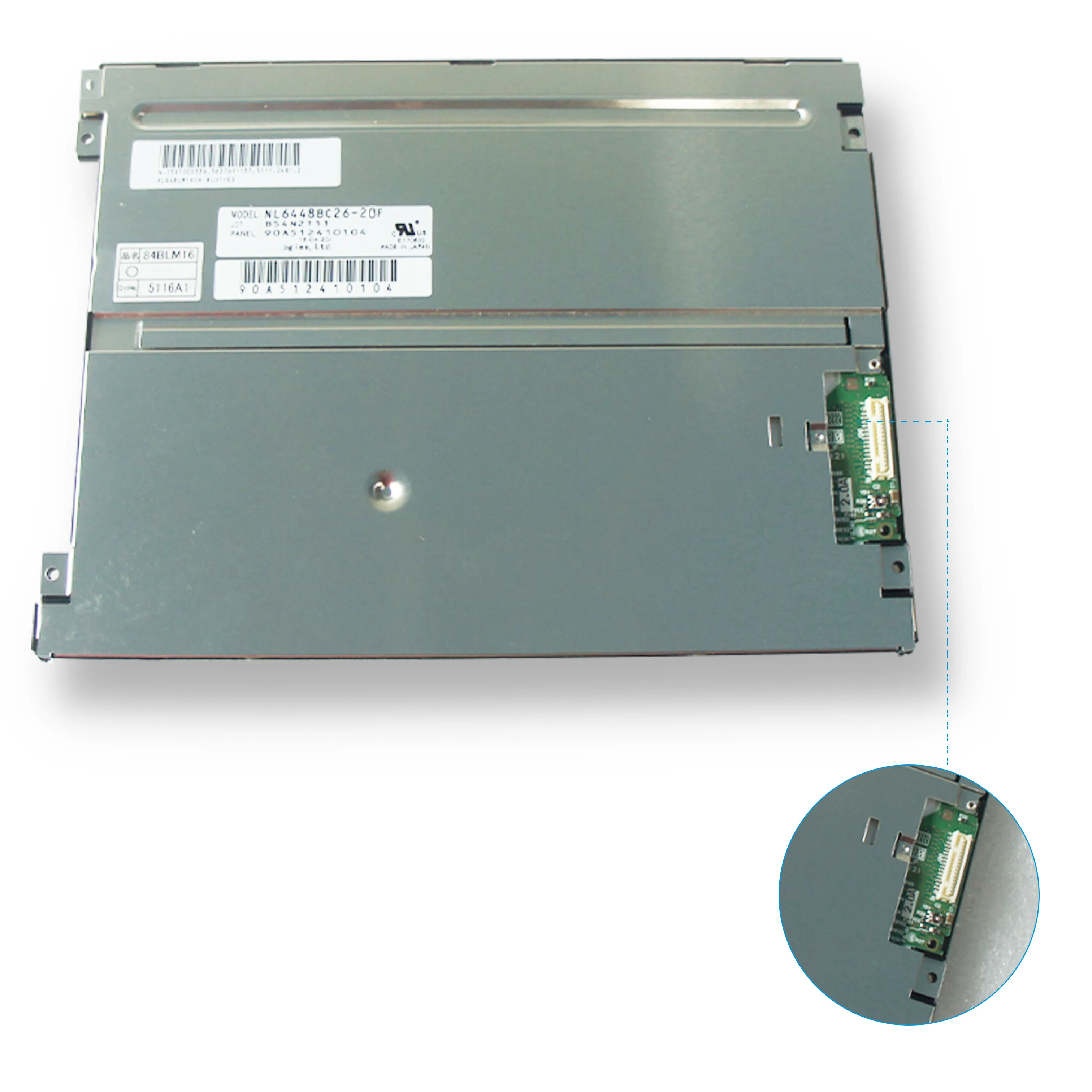


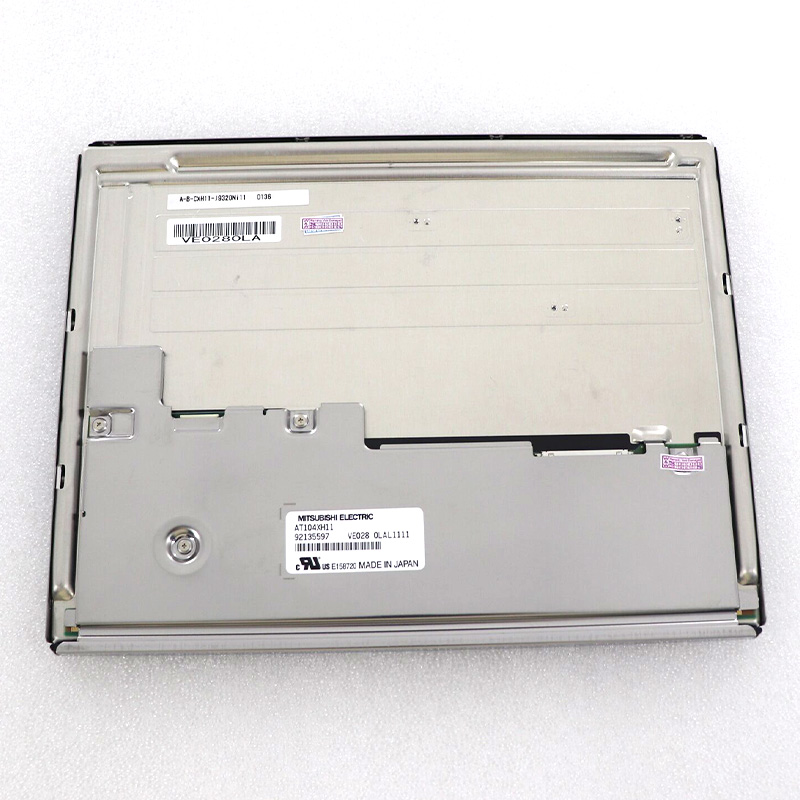
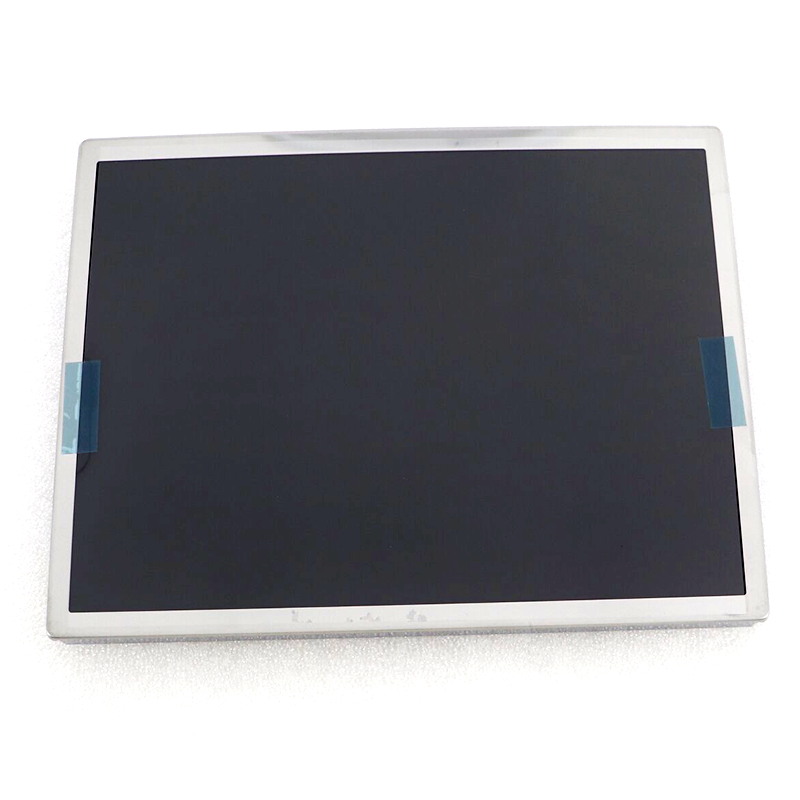
AT104XH11 Mitsubishi 10.4inch 1024*768 Lcd Panel Display
In the intricate world of industrial and embedded display solutions, the choice of a panel is a critical decision that impacts usability, reliability, and system integration. Among the myriad of options, the AT104XH11 Mitsubishi 10.4-inch LCD panel stands out as a notable and enduring component. This article delves into a comprehensive analysis of this specific display module, moving beyond basic specifications to explore its technological DNA, practical applications, and the nuanced value proposition it offers to engineers, system integrators, and procurement specialists.
We will dissect the AT104XH11's core characteristics, from its classic 4:3 aspect ratio and XGA resolution to its robust construction and interface logic. The exploration will contextualize this panel within modern display trends, address its key advantages in challenging environments, and provide crucial guidance for integration and sourcing. This deep dive aims to equip technical decision-makers with the insights needed to evaluate whether this Mitsubishi panel is the optimal solution for their specialized display requirements.
Decoding the AT104XH11: Core Specifications and Legacy Technology
The Mitsubishi AT104XH11 is built around a 10.4-inch diagonal amorphous silicon TFT-LCD with a native resolution of 1024 x 768 pixels (XGA). Its 4:3 aspect ratio immediately signals its design heritage, optimized for legacy machine interfaces, industrial control systems, and medical devices where screen real estate for toolbars and data fields is paramount. The panel typically features a high-brightness CCFL backlighting system, offering ample luminance for environments with ambient light, though this influences power consumption and form factor.
Understanding its electrical interface is crucial. The panel utilizes LVDS (Low-Voltage Differential Signaling) for robust, low-noise data transmission. This requires a compatible controller board. Its longevity in the market means it was engineered during an era prioritizing durability and stable performance over the ultra-thin profiles of contemporary consumer displays. This foundational technology makes it a known-quantity replacement for countless systems still in operation, sustaining the lifecycle of critical capital equipment.
The Enduring Relevance of the 4:3 XGA Format
In an era dominated by widescreen 16:9 and taller aspect ratios, the persistence of the 4:3 format, as seen in the AT104XH11, is not an anachronism but a deliberate choice for specific verticals. Industrial Human-Machine Interfaces (HMIs), point-of-sale terminals, and specialized test equipment often feature interfaces designed for this squarer aspect ratio. It efficiently displays multiple data columns, lists, and control panels without the wasted space or distorted scaling that can occur on widescreens.
The XGA (1024x768) resolution provides a sweet spot of information density and readability. Text and icons remain sharp without being minuscule, a critical factor for operators who may be viewing screens for extended periods. For system upgrades or replacements, maintaining this aspect ratio and resolution ensures software compatibility, avoiding costly and time-consuming GUI redesigns. Thus, the AT104XH11 serves as a bridge, allowing modern hardware refreshes while preserving legacy interface investments.
Robustness for Demanding Environments: Key Durability Features
The AT104XH11 is engineered for reliability beyond typical commercial displays. Its construction is geared towards mitigating the challenges of 24/7 operation, vibration, temperature fluctuations, and electromagnetic interference. The use of a metal frame or bezel provides structural rigidity and aids in heat dissipation from the CCFL backlight and driving electronics. This robust mechanical design is essential for integration into machinery, transportation, or outdoor kiosks.
While specific ratings can vary, panels like the AT104XH11 are often designed to operate over an extended temperature range (e.g., -10°C to 70°C for the operating panel surface). The LVDS interface itself is inherently resistant to EMI. Furthermore, the surface typically incorporates an anti-glare treatment to reduce reflections in brightly lit factories or medical settings. These features collectively minimize downtime and maintenance, translating to lower total cost of ownership in industrial applications where failure is not an option.
Primary Application Verticals and Use Cases
The technical profile of the AT104XH11 directs it towards several key application verticals. In industrial automation, it is a staple for PLC-based control stations, CNC machine interfaces, and process monitoring screens. The medical equipment field utilizes it in diagnostic devices, patient monitoring systems, and older ultrasound or surgical displays where color fidelity and consistency are important.
It also finds a home in transportation and infrastructure, such as in-vehicle information systems for trains or buses, and control panels for utilities. Another significant niche is the replacement and repair market. As original end-of-life equipment ages, the AT104XH11 becomes a vital drop-in replacement part, extending the service life of expensive machinery by a decade or more, which is a highly cost-effective strategy for many organizations.
Critical Considerations for System Integration
Successfully integrating the AT104XH11 requires attention to several technical details. First is power and backlight integration. The CCFL backlight requires an inverter for its high-voltage AC drive, which must be properly shielded and sourced. Designers must account for the power sequencing between the panel logic, the backlight, and the controller board to prevent damage.
Second is the controller board (LCD controller). This critical component converts video signals (e.g., from VGA, DVI, or HDMI sources) into the LVDS format and timing required by the panel. The controller must be matched to the panel's specific resolution, interface pinout, and voltage requirements. Finally, mechanical integration involves managing heat, securing the panel against vibration, and ensuring the bezel or mounting system aligns correctly with the device's front panel.
Sourcing, Alternatives, and Lifecycle Management
The AT104XH11, like many industrial components, may be in various stages of its product lifecycle. While Mitsubishi may have listed it as discontinued, it is often available through specialized distributors, brokers, and aftermarket manufacturers. Sourcing requires diligence: verify compatibility (checking the exact model suffix), ensure the supplier provides genuine or reliable refurbished units, and confirm availability of necessary accessories like inverters and cables.
Evaluating alternatives is prudent. These may include direct replacement panels from other manufacturers with identical mechanical and electrical specs, or modern upgrades to LED-backlit 10.4-inch panels for better efficiency and longevity, provided the interface and form factor are compatible. Effective lifecycle management involves auditing current equipment using this panel, forecasting future needs, and securing a small inventory to mitigate future obsolescence risks for critical systems.
FAQs: AT104XH11 Mitsubishi LCD Panel
10. What are the main advantages over consumer-grade screens?Superior durability, wider operating temperature range, robust construction for vibration, and long-term availability for repair cycles.
Conclusion
The Mitsubishi AT104XH11 10.4-inch LCD panel exemplifies a class of industrial display components where longevity, reliability, and specific format compatibility trump the latest consumer trends. Its XGA resolution and 4:3 aspect ratio remain vitally important for a wide array of legacy and specialized systems across industrial, medical, and transportation sectors. Its value lies not in cutting-edge specs, but in its proven robustness and its role as a sustaining technology.
For engineers and procurement managers, understanding this panel's characteristics, integration requirements, and sourcing landscape is essential for maintaining critical infrastructure. The AT104XH11 is more than just a display; it is a key component in lifecycle management strategies, enabling businesses to protect their investments in expensive equipment by ensuring a reliable supply of high-quality, compatible display modules for years to come.