- Industrie-LCD-Display
-
Industrial Products
- DC Servo Drive
- AC Servo Drive
- other
- Heidelberg
- FANUC
- IFM
- Meter
- CCD
- Membrane Keypad
- Film
- YOKOGAWA
- Card
- ABB
- MITSUBISHI
- FANUC
- KEYENCE
- BECKHOFF
- Honeywell
- HOLLYSYS
- FUJI servo drives
- HP
- solenoid valve
- thermostat
- Siemens adapter
- color oscilloscope
- Fujitsu connector
- CHELIC
- SMC
- CISCO
- INTEL
- Key board
- FAIRCHILD
- Der Aufsichtsrat
- Board
- Bearing
- other
- Control Panel
- Contactor
- Circuit
- Omron
- Relais.
- Der controller
- Optoelektronische schalter
- Optoelektronische sensoren
- Original
- Fan
- Motortreiber
- Endschalter
- Verstärker
- power supply
- LENZE
- Cable
- Encoder
- Sensor
- Transformator
- Fiber Optic Sensor
- Schutzrelais
- Temperaturregler
- Näherungsschalter
- Switch Sensor
- Siemens
- PCB
- HMI Touch-Glas
-
HMI-Vollautomat Ganze Einheit
- OMRON HMI Touch Panel
- Siemens HMI Touch Panel
- Mitsubishi HMI Touch Panel
- Allen-Bradley Automatisierung HMI Touch
- DELTA HMI Touch Panel
- EVIEW DELTA HMI Touch Panel
- KINCO DELTA HMI Touch Panel
- HITECH HMI Touch Panel
- WEINTECK HMI Touch Panel
- TECVIEW HMI Touch Panel
- WEINVIEW HMI Touch Panel
- PRO-FACE HMI Touch Panel
- SIMATIC HMI Touch Panel
- AMPIRE HMI Touch Panel
- HEIDELBERG HMI Touch Panel
- PANASONIC HMI Touch Panel
- PATLITE HMI Touch Panel
- KYOCERA HMI Touch Panel
- KEYENCE HMI Touch Panel
- WEINVIEW HMI Touch Panel
- HITECH HMI Touch Panel
- FUJI HMI Touch Panel
- HAKKO HMI Touch Panel
- SCHNEIDER HMI Touch Panel
- SAMKOON touch panel
- andere
- Module
- LCD Wechselrichter
- Membran Tastenfeld Schalter
- Winni Touch Screens
- Frequenzumrichter
- Servo Motor
- PLC


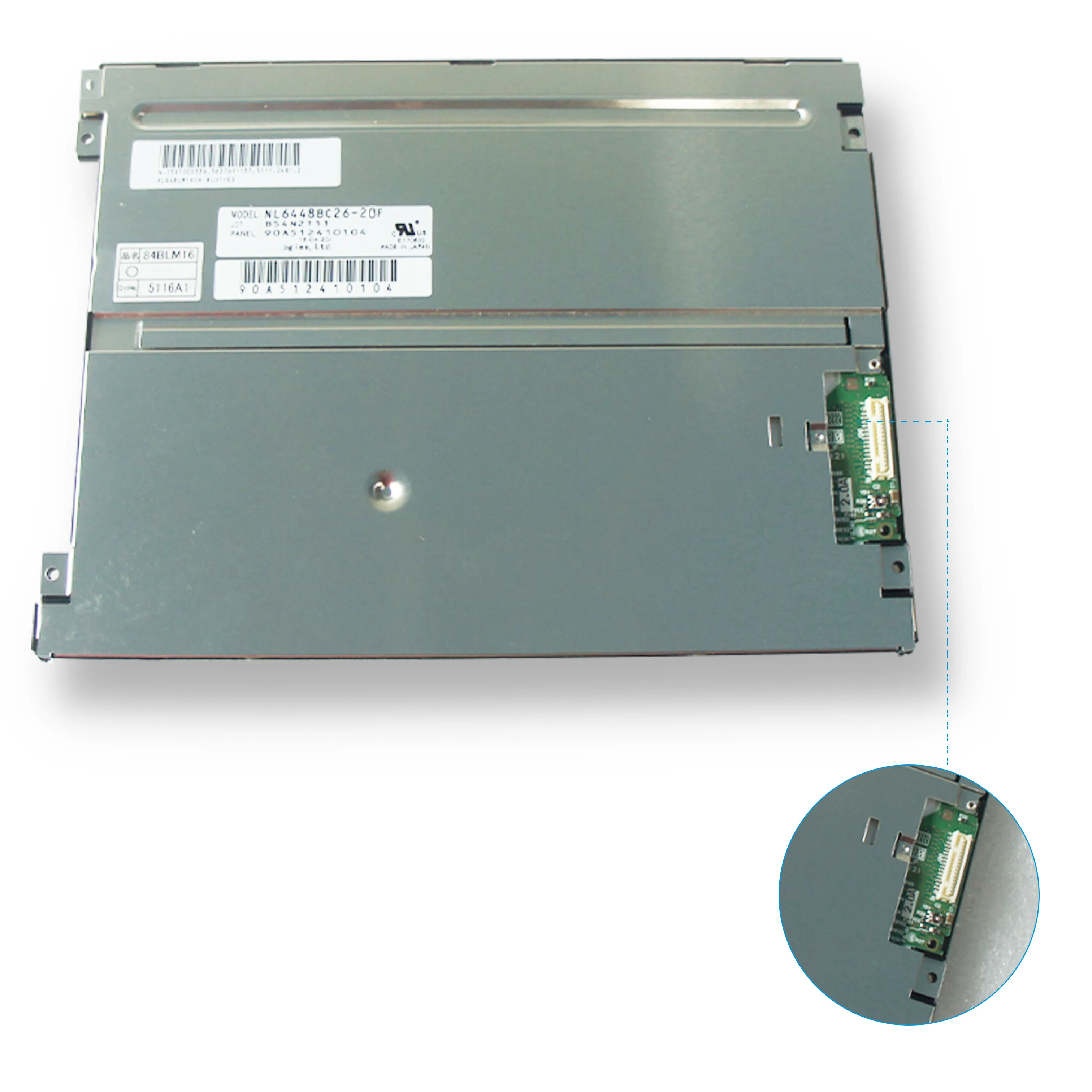


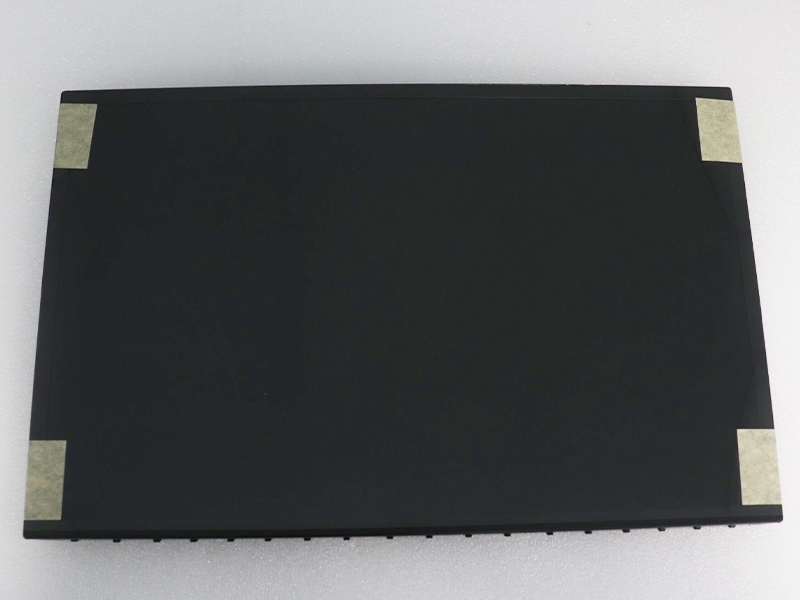
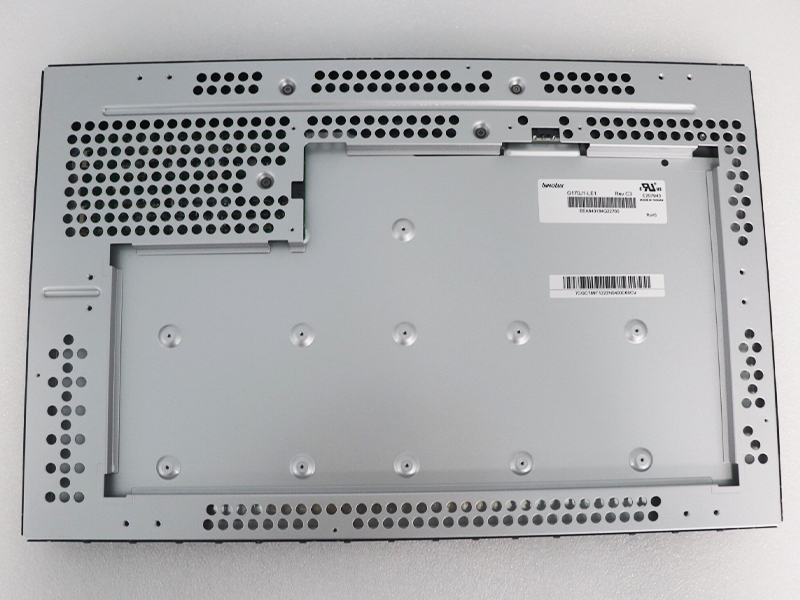
CMO G170J1-LE1 17 inch LCD screen
In the intricate ecosystem of industrial and commercial technology, the display interface is far more than a simple window to data—it is a critical component of operational efficiency, reliability, and user interaction. The CMO G170J1-LE1 17-inch LCD screen represents a specific class of display solutions engineered not for the consumer market, but for the demanding environments of industrial control, point-of-sale systems, medical devices, and transportation. This article delves deep into this particular panel model, moving beyond basic specifications to explore its technological DNA, application suitability, and the tangible value it delivers in professional settings.
Understanding this display requires a shift in perspective. We will not be discussing gaming refresh rates or home cinema color gamuts. Instead, we will dissect its design philosophy, which prioritizes longevity, stability, and compatibility over flashy features. From its core panel technology and ruggedized build to its specific interface logic and integration challenges, this analysis aims to provide technical buyers, system integrators, and procurement specialists with a comprehensive resource for evaluating the CMO G170J1-LE1 as a potential component in their mission-critical systems.
Decoding the Panel Technology: A Foundation of Reliability
At the heart of the CMO G170J1-LE1 lies a 17-inch diagonal Twisted Nematic (TN) LCD panel. While newer technologies like IPS offer wider viewing angles, the choice of TN is deliberate and strategic for its intended applications. TN panels are known for their fast response times, a legacy advantage that ensures minimal motion blur in dynamic information display scenarios, such as scanning data on a logistics conveyor or updating financial tickers. More critically, TN technology is mature, cost-effective for industrial volumes, and offers excellent contrast ratios in direct, front-on viewing conditions, which is typical for embedded systems.
The panel features a standard XGA (1024 x 768) resolution with a 4:3 aspect ratio. This "square" format remains highly relevant in industrial and medical fields, as it optimally displays legacy application interfaces, detailed vertical data lists, and diagnostic imagery without wasteful black bars. The underlying backlighting system is typically an array of long-life LEDs, engineered for consistent luminance over tens of thousands of hours. This fundamental technological makeup establishes the screen's core identity: a workhorse focused on clarity, speed, and enduring performance in controlled viewing environments.
Rugged by Design: Built for Endurance Over Aesthetics
The construction of the G170J1-LE1 immediately distinguishes it from consumer monitors. Its design philosophy prioritizes environmental robustness and long-term durability. The front surface often features a strengthened glass or hard-coated polycarbonate overlay to resist scratches, impacts, and chemical exposure common in factories, laboratories, or kitchens. The bezel is typically wider and sturdier, providing structural integrity and space for integration mounting points.
Thermal management is engineered for extended operation, often supporting a wide temperature range (e.g., -20°C to 70°C) to function reliably in non-climate-controlled settings. The panel assembly is designed to resist vibration and shock, a crucial feature for transportation or manufacturing floor deployments. Every aspect of the physical build, from the metal chassis to the sealed connectors, is intended to minimize failure points. This ruggedization ensures the display can withstand the rigors of 24/7 operation, where downtime is not an option and repair means a costly system teardown.
The Interface Logic: LVDS and System Integration
Communication is key, and the G170J1-LE1 speaks the native language of embedded systems: Low-Voltage Differential Signaling (LVDS). This is a critical differentiator from consumer displays that use HDMI or DisplayPort. LVDS is a digital video interface standard known for its robustness, low electromagnetic interference (EMI), and ability to transmit high-speed data over longer cable lengths within a device chassis. It connects directly to an LVDS transmitter on an industrial Single-Board Computer (SBC) or system motherboard.
This interface choice dictates the integration workflow. Integrators must ensure their host controller's LVDS output matches the panel's specific requirements—single or dual-channel, supported voltage, and clock frequency. The connection is made via a standard 30-pin or 40-pin LVDS ribbon cable. Understanding this interface is paramount, as it eliminates the need for external controller boards in most cases, leading to a more compact, efficient, and reliable system design. It underscores the panel's role as a pure component, not a standalone peripheral.
Application-Specific Optimization: Where the Screen Excels
The true value of the CMO G170J1-LE1 materializes in its targeted applications. In Point-of-Sale (POS) and Kiosk systems, its 4:3 aspect ratio perfectly accommodates traditional transaction software, and its rugged front resists constant touch and cleaning. For industrial Human-Machine Interfaces (HMIs), the fast response time and wide operating temperature range allow it to control machinery and display real-time process data in harsh environments.
In medical instrumentation (for non-patient-critical display), such as diagnostic equipment or monitoring devices, the stable performance and clear contrast aid in data readability. Transportation information displays benefit from its vibration resistance and consistent backlight. It is also found in specialized gaming and amusement machines, where its reliability and standard resolution align with legacy game platforms. In each case, it serves as a dependable, long-life visual interface that fades into the background, allowing the primary system to perform its core function without display-related concerns.
Critical Procurement and Compatibility Considerations
Sourcing and integrating a panel like the G170J1-LE1 requires careful attention to detail. First, verification of the exact model number and revision is crucial, as minor changes can affect pinouts or backlight requirements. Procurement often occurs through specialized industrial component distributors or directly from system OEMs, rather than retail channels.
LVDS Signal Mapping: Ensuring the host's LVDS pinout (JEIDA or VESA standard) matches the panel's input.
Backlight Power: Confirming the voltage and current requirements for the LED backlight (e.g., 3.3V, 5V, or a higher voltage series) and whether an inverter is needed.
Physical Dimensions: Checking the outline dimensions, mounting hole patterns, and bezel clearance for the intended enclosure.
Neglecting these steps can lead to a non-functional display or premature failure.
Total Cost of Ownership and Lifecycle Perspective
Evaluating the G170J1-LE1 purely on unit cost is a common mistake. Its value proposition is rooted in a favorable Total Cost of Ownership (TCO). While the initial price may be higher than a consumer-grade 17-inch monitor, its extended lifespan—often rated for 50,000 to 100,000 hours of operation—dramatically reduces replacement frequency and associated labor costs. Its high reliability minimizes system downtime, which in industrial or retail settings can represent significant lost revenue.
Furthermore, its component-level design allows for efficient repair or refurbishment of the larger system, as the display can be easily replaced if needed. The long-term availability and consistency of the model from manufacturers like CMO are also key, preventing costly system redesigns due to panel end-of-life. From a lifecycle perspective, this display is an investment in system stability, reducing hidden costs and operational risks over many years of service.
FAQs: CMO G170J1-LE1 17-Inch LCD Screen
Q1: What is the primary use case for this screen?
A: It is designed for embedded industrial, commercial, and medical applications like POS systems, HMIs, kiosks, and instrumentation, not for consumer desktop use.
Q2: What is the screen resolution and aspect ratio?
A: It features XGA resolution (1024 x 768) with a 4:3 aspect ratio.
Q3: What type of video interface does it use?
A: It uses an LVDS (Low-Voltage Differential Signaling) interface, typical for direct connection to industrial SBCs and embedded controllers.
Q4: Is this a touch screen?
A: The G170J1-LE1 model is typically a display-only panel. Touch functionality (resistive or capacitive) would be added as a separate overlay component.
Q5: What are the key durability features?
A: It is built for rugged use with features like a wide operating temperature range, resistance to vibration/shock, and often a hardened front surface.
Q6: Can I plug this directly into a PC's HDMI or VGA port?
A: No. It requires an LVDS signal. Connecting to a standard PC requires a specific controller board that converts HDMI/VGA to the panel's exact LVDS format.
Q7: How long is the typical lifespan?
A: The backlight is often rated for 50,000 to 100,000 hours, supporting years of 24/7 operation.
Q8: Where can I buy this panel?
A: Through specialized industrial electronic component distributors, system integrators, or directly from OEM partners.
Q9: What must I check before integrating it?
A: Critically verify LVDS pinout compatibility, backlight voltage/current requirements, and physical mounting dimensions.
Q10: How does it compare to an IPS panel?
A: It uses TN technology, which has faster response times but narrower viewing angles than IPS. TN is often chosen for its cost-effectiveness and performance in direct-view industrial applications.
Conclusion
The CMO G170J1-LE1 17-inch LCD screen exemplifies the principle that the right tool is defined by its context. As we have explored, its value is not in standalone feature specs, but in its engineered alignment with the harsh, continuous, and integrated realities of professional environments. From its robust TN panel and rugged construction to its native LVDS interface, every characteristic is a deliberate answer to the challenges of industrial and commercial deployment.
For system designers and procurement specialists, understanding this depth is crucial. Selecting such a component is a strategic decision that impacts system reliability, maintenance costs, and total lifecycle value. The G170J1-LE1 stands as a reliable, purpose-built visual interface—a testament to the specialized engineering that powers the often-unseen digital infrastructure of our daily commercial and industrial world.