- Industrial LCD display
-
Industrial Products
- DC Servo Drive
- AC Servo Drive
- other
- Heidelberg
- FANUC
- IFM
- Meter
- CCD
- Membrane Keypad
- Film
- YOKOGAWA Module
- Card
- ABB
- MITSUBISHI
- FANUC
- KEYENCE
- BECKHOFF
- Honeywell
- HOLLYSYS
- FUJI servo drives
- HP
- solenoid valve
- thermostat
- Siemens adapter
- color oscilloscope
- Fujitsu connector
- CHELIC
- SMC
- CISCO Module
- INTEL
- Key board
- FAIRCHILD
- Motherboard
- Board
- Bearing
- other
- Control Panel
- Contactor
- Circuit
- OMRON
- Relay
- Controller
- Photoelectric Switch
- Photoelectric Sensor
- Original
- Fan
- Motor Driver
- Limit Switch
- Amplifier
- power supply
- LENZE
- Cable
- Encoder
- Sensor
- Transformer
- Fiber Optic Sensor
- Protection Relay
- Temperature Controller
- Proximity Switch
- Switch Sensor
- Siemens
- Industrial board
- HMI Touch Glass
-
HMI Full Machine Whole unit
- OMRON HMI Touch Panel
- Siemens HMI Touch Panel
- Mitsubishi HMI Touch Panel
- Allen-Bradley automation HMI Touch Panel
- DELTA HMI Touch Panel
- EVIEW DELTA HMI Touch Panel
- KINCO DELTA HMI Touch Panel
- HITECH HMI Touch Panel
- WEINTECK HMI Touch Panel
- TECVIEW HMI Touch Panel
- WEINVIEW HMI Touch Panel
- PRO-FACE HMI Touch Panel
- SIMATIC HMI Touch Panel
- AMPIRE HMI Touch Panel
- HEIDELBERG HMI Touch Panel
- PANASONIC HMI Touch Panel
- PATLITE HMI Touch Panel
- KYOCERA HMI Touch Panel
- KEYENCE HMI Touch Panel
- WEINVIEW HMI Touch Panel
- HITECH HMI Touch Panel
- FUJI HMI Touch Panel
- HAKKO HMI Touch Panel
- SCHNEIDER HMI Touch Panel
- SAMKOON touch panel
- other
- Module
- lcd inverter
- Membrane Keypad Switch
- Winni Touch Screens
- Frequency Inverter
- Servo Motor
- PLC


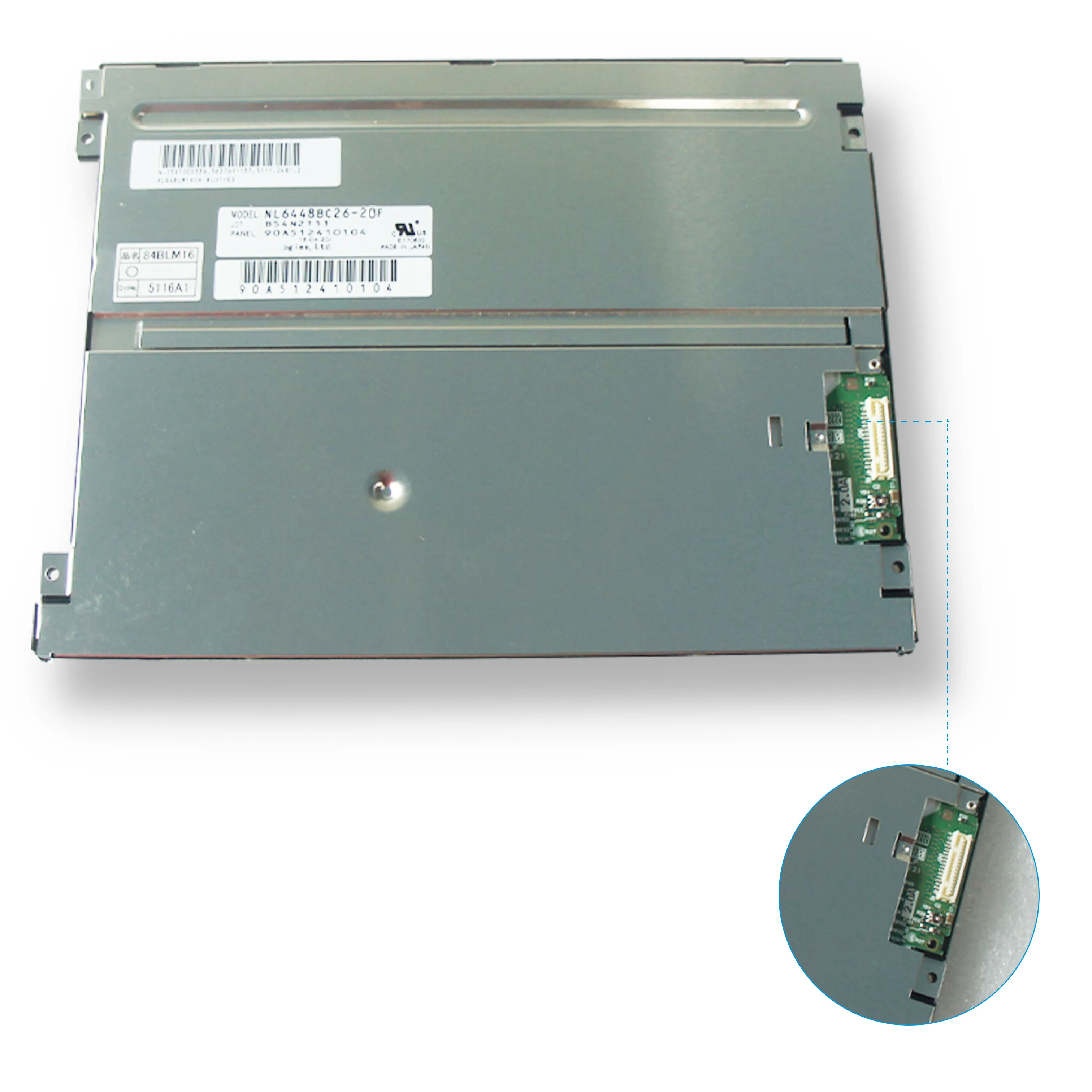

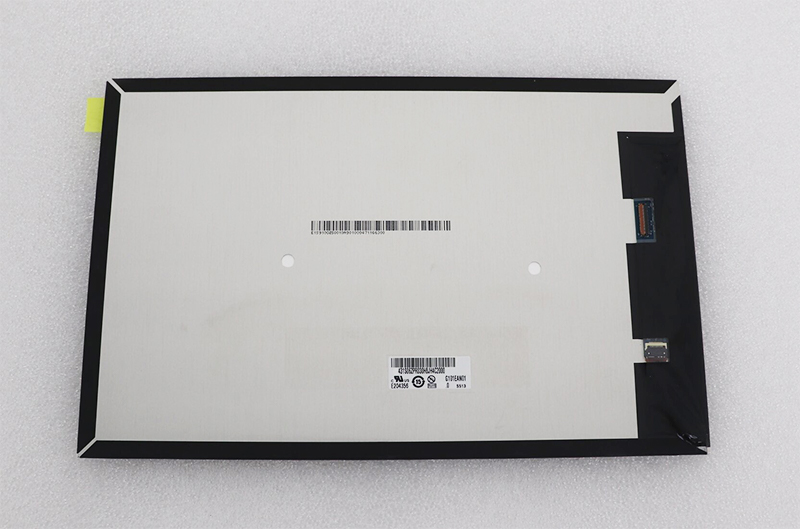
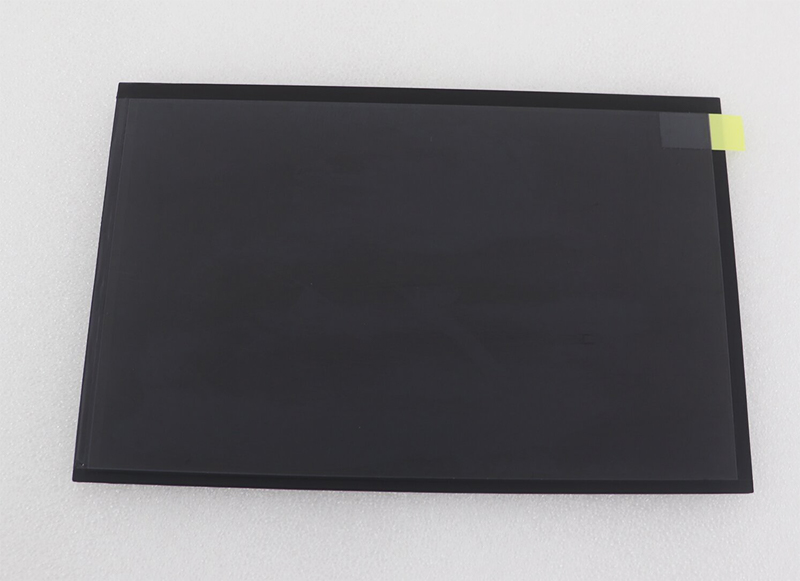
G101EAN01.0 AUO 10.1inch TFT-LCD screen 800*1280 Display
In the intricate ecosystem of electronic components, the display often serves as the critical interface between human and machine. Among the myriad of options available to engineers and product designers, the G101EAN01.0 from AUO (AU Optronics) stands out as a meticulously engineered solution for applications demanding clarity, precision, and reliability. This 10.1-inch TFT-LCD module, with its distinctive 800 x 1280 portrait-mode resolution, is not merely a screen; it is a foundational component that can define the user experience of medical devices, industrial control panels, advanced point-of-sale systems, and portable instrumentation.
This article delves into a comprehensive technical and application-oriented analysis of the G101EAN01.0 display. We will move beyond basic datasheet specifications to explore the implications of its unique aspect ratio, its performance under various environmental conditions, and the key integration considerations that ensure optimal performance. Our goal is to provide hardware developers, procurement specialists, and tech enthusiasts with a deep understanding of where and how this specific display module creates value, enabling informed decision-making for next-generation embedded projects.
Decoding the G101EAN01.0: Core Specifications and Significance
The AUO G101EAN01.0 is a 10.1-inch diagonal TFT-LCD module featuring an active area of 216.96mm x 130.176mm. Its most defining characteristic is the 800 (horizontal) x 1280 (vertical) pixel resolution, which yields a portrait-oriented 16:10 aspect ratio when the connector is at the top. This configuration provides a pixel density of approximately 149 PPI, ensuring sharp text and detailed graphics.
Utilizing a-Si (amorphous Silicon) TFT technology, it offers a balanced blend of performance and manufacturing maturity. The module boasts a brightness of 500 cd/m² (nits), making it viewable in brightly lit environments, and a high contrast ratio of 1000:1 for deep blacks and vivid imagery. The color depth is 16.7M colors (8-bit), covering a substantial 70% of the NTSC color gamut, which is more than adequate for most industrial and professional applications where color accuracy is important but not ultra-critical. These core specs establish it as a robust, high-performance workhorse panel.
The Portrait Advantage: UX and Application-Specific Design
The portrait orientation of the G101EAN01.0 is a deliberate design choice with profound implications for user experience. Unlike common landscape screens, this format aligns naturally with the way humans read and process vertical lists, documents, and control sequences. In medical diagnostic equipment, such as ultrasound or patient monitors, it allows for full-length display of patient data, waveforms, and high-resolution scan images without excessive scrolling.
For industrial Human-Machine Interfaces (HMIs), the vertical layout is ideal for presenting long ladder logic diagrams, process flow charts, or multi-level control menus. In the retail and hospitality sectors, portrait-oriented POS terminals and self-service kiosks facilitate smoother transaction lists and better product or menu browsing. This aspect ratio effectively increases the amount of "above-the-fold" information, reducing user interaction fatigue and streamlining workflow in specialized vertical applications.
Optical Performance and Readability Under Pressure
Superior optical performance is where the G101EAN01.0 transitions from a simple component to a critical system asset. The 500 nits brightness ensures clear visibility even under strong ambient light, a common challenge in factories, outdoor enclosures, or medical operating rooms. The 1000:1 contrast ratio is crucial for displaying fine details in grayscale medical imagery or differentiating between status indicators on a complex HMI.
Furthermore, the module features a wide viewing angle of 85/85/85/85 (Left/Right/Up/Down, typical), ensuring consistent color and contrast when viewed from off-angles—essential for multi-operator monitoring or devices viewed from varying positions. The display surface options, typically including an anti-glare treatment, help mitigate distracting reflections. These combined optical traits guarantee that critical information is communicated accurately and reliably, regardless of the operating environment.
Interface and Integration: The Critical Connection
Successful integration hinges on the interface. The G101EAN01.0 employs an LVDS (Low-Voltage Differential Signaling) interface, a robust and widely adopted standard in industrial and medical displays. LVDS offers excellent noise immunity, which is paramount for maintaining signal integrity in electrically noisy environments and over the cable lengths typical in embedded systems.
The module requires a single-power supply (typically 3.3V or similar, as per datasheet) and integrates the necessary timing controller (T-Con) and power circuitry, simplifying the designer's task. However, engineers must pay close attention to the mechanical integration aspects: the location of the connector (top-side), the outline dimensions, and the bezel design. Proper grounding, EMI shielding, and thermal management are also non-negotiable for achieving the display's rated performance and long-term reliability in the field.
Reliability and Environmental Durability Considerations
For the target applications of the G101EAN01.0, failure is not an option. This module is engineered for extended operational life and stability. Its a-Si TFT backbone is known for long-term reliability. Designers must assess the operating temperature range (which varies by model grade, e.g., commercial, industrial, or extended) to ensure it matches the end-product's requirements, which could range from a climate-controlled office to a non-climate-controlled factory floor.
Resistance to vibration and shock is inherent in its solid construction, a key factor for portable medical devices or vehicles. Additionally, for applications like medical touchscreens, the display is often paired with a robust cover glass that provides chemical resistance for frequent cleaning with disinfectants. Understanding and testing for these environmental stresses during the product development phase is crucial to leveraging the display's inherent durability.
Competitive Landscape and Application Scenarios
Positioning the G101EAN01.0 reveals its unique niche. Compared to standard 16:9 landscape 10.1-inch panels (like 1280x800), it offers superior vertical space for data-dense applications. Against higher-resolution or premium technology panels (like IPS or LTPS), it provides an optimal cost-to-performance ratio for applications that need quality and reliability without the expense of consumer-grade color gamut or ultra-high resolution.
Its primary application scenarios are highly specialized: Medical Imaging Displays (portable diagnostics, monitoring), Industrial Control Panels (PLC interfaces, automation control), TransportationHigh-End Kiosks/POS. In each scenario, the combination of portrait format, robust optical specs, and reliable LVDS interface makes it a preferred, purpose-driven choice over more generic display solutions.
FAQs: G101EAN01.0 AUO 10.1-inch Display
10. Is this module suitable for outdoor use?With 500 nits, it can handle bright indoor/covered outdoor use. For direct sunlight, higher brightness (>1000 nits) and specific environmental sealing would be required.
Conclusion
The AUO G101EAN01.0 10.1-inch TFT-LCD module exemplifies how a specialized component can become the cornerstone of an effective human-machine interface. Its defining portrait resolution is not a mere specification but a thoughtful design philosophy that aligns with data-intensive workflows in medical, industrial, and commercial settings. When combined with its robust optical performance, reliable LVDS interface, and built-for-durability construction, it presents a compelling solution for engineers who prioritize clarity, reliability, and purpose-driven design over generic off-the-shelf parts.
Selecting a display is a strategic decision that impacts product usability, longevity, and overall success. The G101EAN01.0 stands as a testament to the value of matching component capabilities precisely to application demands. For projects where vertical information space, readability under pressure, and unwavering reliability are paramount, this display module offers a proven and performance-oriented path forward.