- Industrie-LCD-Display
-
Industrial Products
- DC Servo Drive
- AC Servo Drive
- other
- Heidelberg
- FANUC
- IFM
- Meter
- CCD
- Membrane Keypad
- Film
- YOKOGAWA
- Card
- ABB
- MITSUBISHI
- FANUC
- KEYENCE
- BECKHOFF
- Honeywell
- HOLLYSYS
- FUJI servo drives
- HP
- solenoid valve
- thermostat
- Siemens adapter
- color oscilloscope
- Fujitsu connector
- CHELIC
- SMC
- CISCO
- INTEL
- Key board
- FAIRCHILD
- Der Aufsichtsrat
- Board
- Bearing
- other
- Control Panel
- Contactor
- Circuit
- Omron
- Relais.
- Der controller
- Optoelektronische schalter
- Optoelektronische sensoren
- Original
- Fan
- Motortreiber
- Endschalter
- Verstärker
- power supply
- LENZE
- Cable
- Encoder
- Sensor
- Transformator
- Fiber Optic Sensor
- Schutzrelais
- Temperaturregler
- Näherungsschalter
- Switch Sensor
- Siemens
- PCB
- HMI Touch-Glas
-
HMI-Vollautomat Ganze Einheit
- OMRON HMI Touch Panel
- Siemens HMI Touch Panel
- Mitsubishi HMI Touch Panel
- Allen-Bradley Automatisierung HMI Touch
- DELTA HMI Touch Panel
- EVIEW DELTA HMI Touch Panel
- KINCO DELTA HMI Touch Panel
- HITECH HMI Touch Panel
- WEINTECK HMI Touch Panel
- TECVIEW HMI Touch Panel
- WEINVIEW HMI Touch Panel
- PRO-FACE HMI Touch Panel
- SIMATIC HMI Touch Panel
- AMPIRE HMI Touch Panel
- HEIDELBERG HMI Touch Panel
- PANASONIC HMI Touch Panel
- PATLITE HMI Touch Panel
- KYOCERA HMI Touch Panel
- KEYENCE HMI Touch Panel
- WEINVIEW HMI Touch Panel
- HITECH HMI Touch Panel
- FUJI HMI Touch Panel
- HAKKO HMI Touch Panel
- SCHNEIDER HMI Touch Panel
- SAMKOON touch panel
- andere
- Module
- LCD Wechselrichter
- Membran Tastenfeld Schalter
- Winni Touch Screens
- Frequenzumrichter
- Servo Motor
- PLC


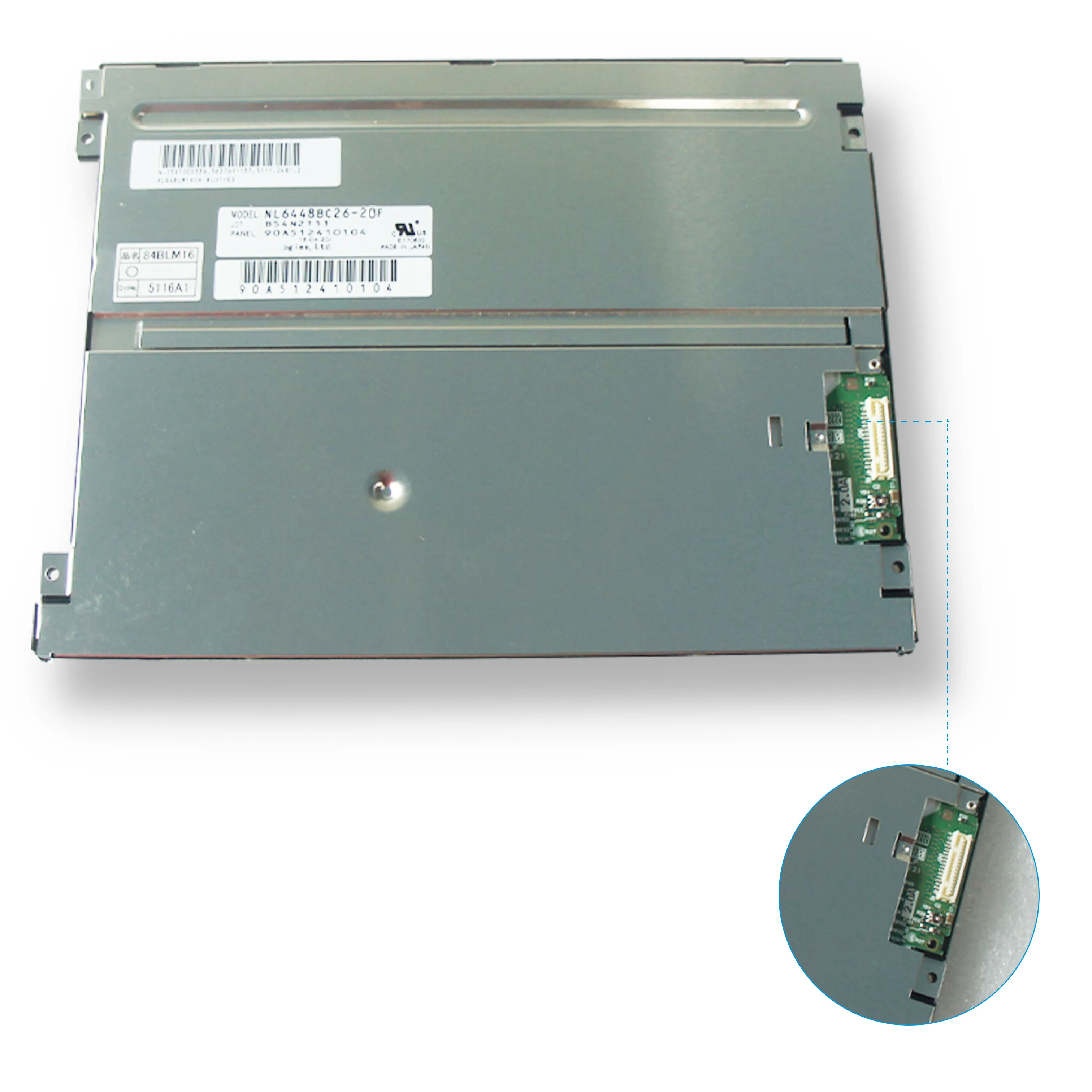

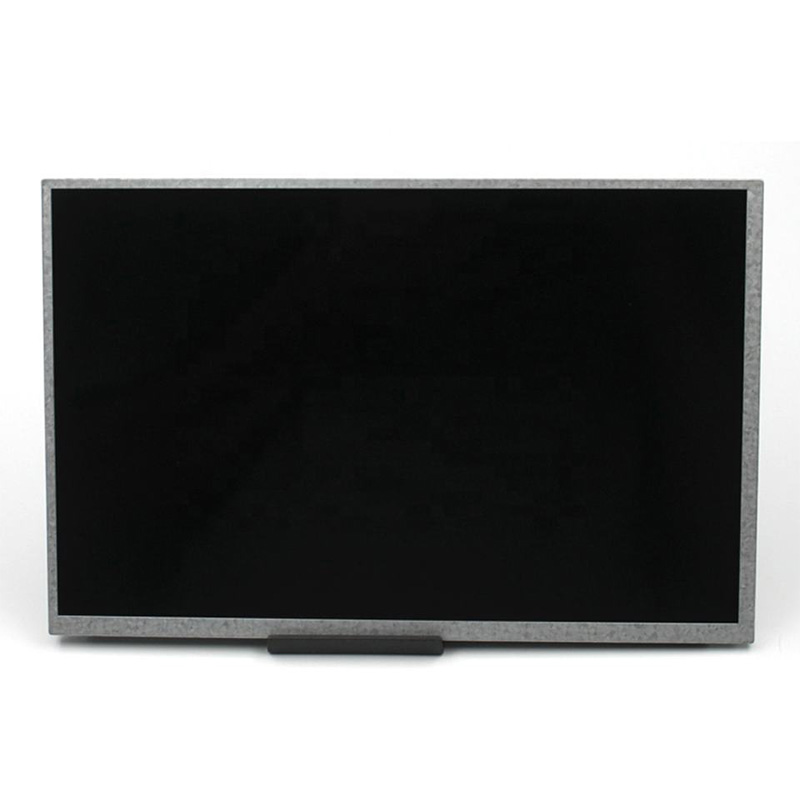
G101EAN02.2 AUO 10.1" TFT-LCD screen 1280*800 Display
In the intricate ecosystem of electronic components, the display often serves as the primary interface between human and machine. Its quality and performance are paramount, directly influencing user experience, product reliability, and application suitability. This article delves into a specific, high-performance display module: the G101EAN02.2 AUO 10.1" TFT-LCD screen with a 1280x800 resolution. Far more than just a part number, this module represents a carefully engineered solution designed for demanding applications. We will dissect its core specifications, explore the technological advantages embedded within its design, and examine its ideal use cases.
Our analysis will move beyond basic datasheet parameters to understand the real-world implications of its features. From its pixel density and viewing characteristics to its interface and power considerations, we will build a comprehensive profile of this display. Whether you are an engineer sourcing components for an industrial device, a product designer evaluating display options, or a technology enthusiast seeking deeper insight, this exploration aims to provide the clarity and depth needed to appreciate the capabilities and strategic value of the G101EAN02.2 display module.
Decoding the Specification: A 10.1" WXGA Powerhouse
The model number G101EAN02.2 itself is a key to its identity. Breaking it down, it signifies a 10.1-inch diagonal screen size from AU Optronics (AUO), a leading panel manufacturer. The core of its performance lies in its 1280 x 800 pixel resolution, known as WXGA (Wide Extended Graphics Array). This 16:10 aspect ratio offers a balanced canvas, providing more vertical space compared to the common 16:9 ratio, which is beneficial for reading documents, browsing web pages, and certain industrial software interfaces.
With a pixel density of approximately 149 PPI (Pixels Per Inch), this display delivers sharp and clear imagery, sufficient for detailed graphics and text rendering without imposing excessive processing burdens on the driving hardware. The specification sheet typically reveals a standard brightness level (often around 300-400 nits), a contrast ratio that ensures depth in visuals, and a color gamut coverage that defines its color reproduction fidelity. Understanding these foundational specs is crucial as they form the baseline against which all other performance features and technological enhancements are measured.
The Core Technology: TFT-LCD and IPS Innovation
At its heart, the G101EAN02.2 utilizes TFT-LCD (Thin-Film-Transistor Liquid Crystal Display) technology, the industry standard for active-matrix displays. Each pixel is controlled by one to four transistors, allowing for faster response times and better control over color and contrast compared to passive matrix displays. This technology ensures stable image quality and is highly reliable for continuous operation.
More critically, this module almost certainly incorporates IPS (In-Plane Switching) or a similar advanced LCD technology. IPS panels are renowned for their superior viewing angles. Unlike older TN (Twisted Nematic) panels that suffer from color shift and contrast loss when viewed off-center, IPS technology maintains color consistency and image integrity across wide horizontal and vertical viewing angles, often up to 85/85/85/85 degrees or more. This feature is non-negotiable for applications where multiple users may view the screen simultaneously or where the device may be mounted at an angle, such as in medical equipment, point-of-sale systems, or automotive dashboards.
Interface and Integration: The LVDS Connection
A display module does not function in isolation; it must communicate efficiently with the host system. The G101EAN02.2 typically employs an LVDS (Low-Voltage Differential Signaling) interface. This is a critical design choice for several reasons. LVDS is a high-speed digital interface known for its robustness, low power consumption, and excellent noise immunity. It transmits data as the difference between two voltages, making it highly resistant to electromagnetic interference (EMI), which is a common challenge in compact electronic enclosures or industrial environments.
For integrators, this means reliable signal transmission over longer cable lengths within a device, ensuring a stable image without flicker or artifacts. The use of a standard LVDS interface also simplifies the design process, as compatible controller boards and driver ICs are widely available. Understanding the pin configuration, voltage requirements (often 3.3V or 5V for power and signal), and backlight driving method (usually LED arrays) is essential for a successful and trouble-free integration into a final product.
Optical Performance: Brightness, Contrast, and Color
The functional performance of a display is judged by its optical characteristics. The brightness, measured in nits (cd/m²), determines readability in various ambient lighting conditions. A specification in the 300-400 nit range, common for this class, is suitable for most indoor applications, from kiosks to control panels. The contrast ratio—the difference between the brightest white and the darkest black—impacts image depth and detail. A high contrast ratio delivers more vibrant and lifelike visuals.
Color performance is another key dimension. The module's color gamut defines the range of colors it can reproduce. While it may not cover 100% of the Adobe RGB or DCI-P3 spaces used in professional photography, it typically covers a solid portion of the sRGB spectrum, ensuring pleasing and accurate colors for general applications. The combination of WXGA resolution, wide viewing angles from IPS, and balanced optical performance makes this display a versatile choice for applications where visual clarity and consistency are priorities.
Application Scenarios: Where This Display Excels
Industrial Human-Machine Interfaces (HMIs): In factory automation and process control, the wide viewing angles and clear resolution allow operators to monitor data and controls from various positions.
Medical Monitoring Equipment: Reliability, consistent color (crucial for certain diagnostic images), and stable performance are essential in medical settings.
Point-of-Sale (POS) Systems and Kiosks: The screen needs to be visible to both customers and attendants, making IPS technology vital.
Transportation and Automotive Displays: For in-vehicle infotainment or control systems, the display must withstand varying temperatures and remain readable from different angles.
Test and Measurement Devices: The sharp 1280x800 resolution is excellent for displaying detailed graphs, readings, and complex instrument interfaces.
Sourcing and Compatibility Considerations
For engineers and procurement specialists, sourcing the G101EAN02.2 involves more than finding a supplier. It is crucial to verify the exact version and revision of the panel, as minor changes (denoted by the ".2" in the model) can affect pinouts or optical performance. Ensuring a reliable supply chain from reputable distributors or directly from AUO is key to project stability.
Compatibility is a major practical concern. This is not a plug-and-play monitor; it requires a compatible LVDS controller board that matches its resolution, interface pinout, and power requirements. Designers must also plan for the mechanical integration—mounting holes, bezel dimensions, and the connection to the backlight inverter or LED driver circuit. Considering the total cost of ownership, including the display module, controller, and integration effort, is necessary to evaluate its true value for a specific project against alternative options.

FAQs: G101EAN02.2 AUO 10.1" Display
Conclusion
The AUO G101EAN02.2 10.1" TFT-LCD display is far more than a simple component; it is a thoughtfully engineered visual interface solution. Its combination of WXGA resolution, the almost-certain inclusion of wide-viewing-angle IPS technology, and the robust LVDS interface positions it as a reliable and high-performance choice for professional applications. Its strengths lie in delivering consistent, clear, and stable imagery under the demanding conditions of industrial, medical, and commercial environments.