- Industrie-LCD-Display
-
Industrial Products
- DC Servo Drive
- AC Servo Drive
- other
- Heidelberg
- FANUC
- IFM
- Meter
- CCD
- Membrane Keypad
- Film
- YOKOGAWA
- Card
- ABB
- MITSUBISHI
- FANUC
- KEYENCE
- BECKHOFF
- Honeywell
- HOLLYSYS
- FUJI servo drives
- HP
- solenoid valve
- thermostat
- Siemens adapter
- color oscilloscope
- Fujitsu connector
- CHELIC
- SMC
- CISCO
- INTEL
- Key board
- FAIRCHILD
- Der Aufsichtsrat
- Board
- Bearing
- other
- Control Panel
- Contactor
- Circuit
- Omron
- Relais.
- Der controller
- Optoelektronische schalter
- Optoelektronische sensoren
- Original
- Fan
- Motortreiber
- Endschalter
- Verstärker
- power supply
- LENZE
- Cable
- Encoder
- Sensor
- Transformator
- Fiber Optic Sensor
- Schutzrelais
- Temperaturregler
- Näherungsschalter
- Switch Sensor
- Siemens
- PCB
- HMI Touch-Glas
-
HMI-Vollautomat Ganze Einheit
- OMRON HMI Touch Panel
- Siemens HMI Touch Panel
- Mitsubishi HMI Touch Panel
- Allen-Bradley Automatisierung HMI Touch
- DELTA HMI Touch Panel
- EVIEW DELTA HMI Touch Panel
- KINCO DELTA HMI Touch Panel
- HITECH HMI Touch Panel
- WEINTECK HMI Touch Panel
- TECVIEW HMI Touch Panel
- WEINVIEW HMI Touch Panel
- PRO-FACE HMI Touch Panel
- SIMATIC HMI Touch Panel
- AMPIRE HMI Touch Panel
- HEIDELBERG HMI Touch Panel
- PANASONIC HMI Touch Panel
- PATLITE HMI Touch Panel
- KYOCERA HMI Touch Panel
- KEYENCE HMI Touch Panel
- WEINVIEW HMI Touch Panel
- HITECH HMI Touch Panel
- FUJI HMI Touch Panel
- HAKKO HMI Touch Panel
- SCHNEIDER HMI Touch Panel
- SAMKOON touch panel
- andere
- Module
- LCD Wechselrichter
- Membran Tastenfeld Schalter
- Winni Touch Screens
- Frequenzumrichter
- Servo Motor
- PLC


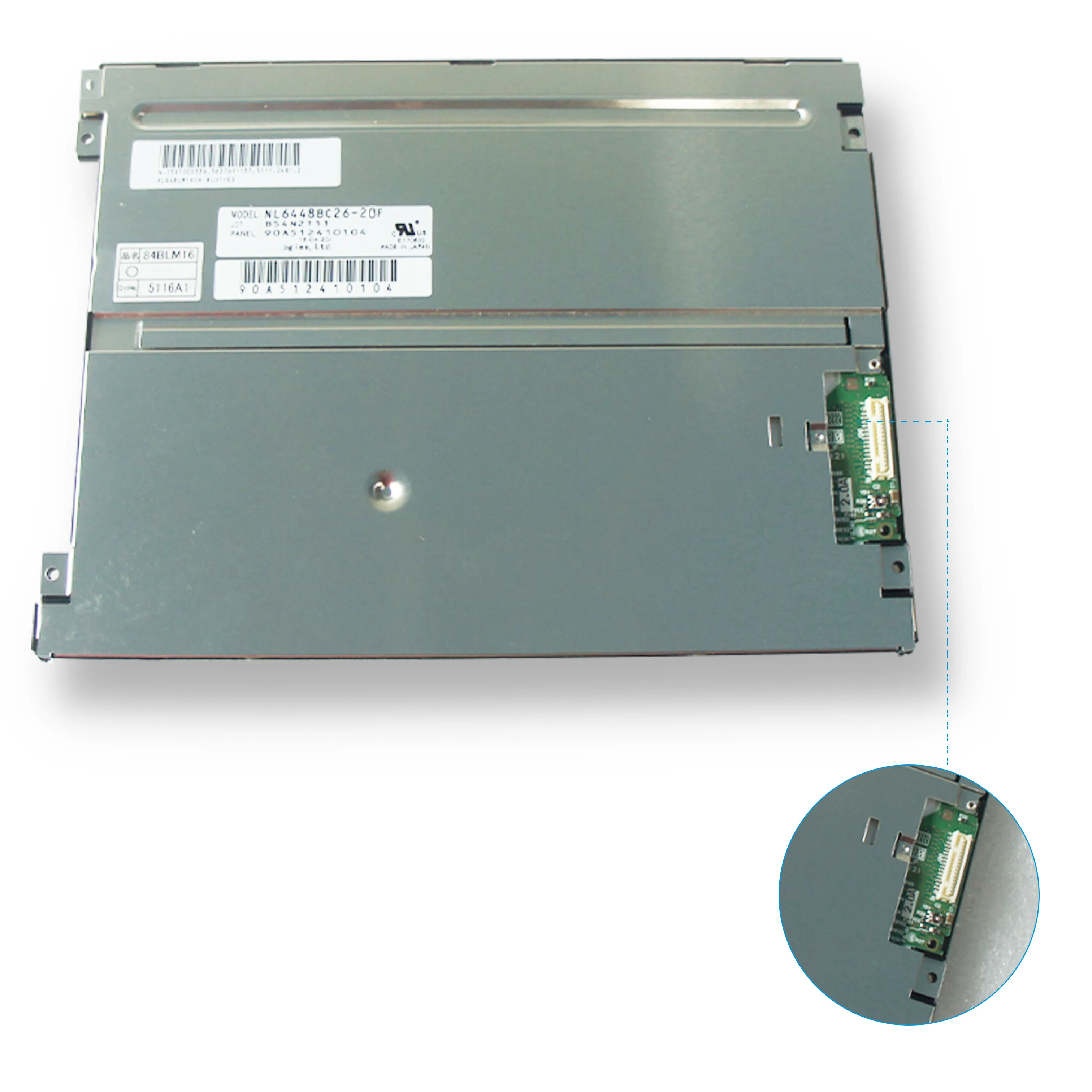

G101EVN01.4 AUO 10.1inch 1280*800 LCD PANEL
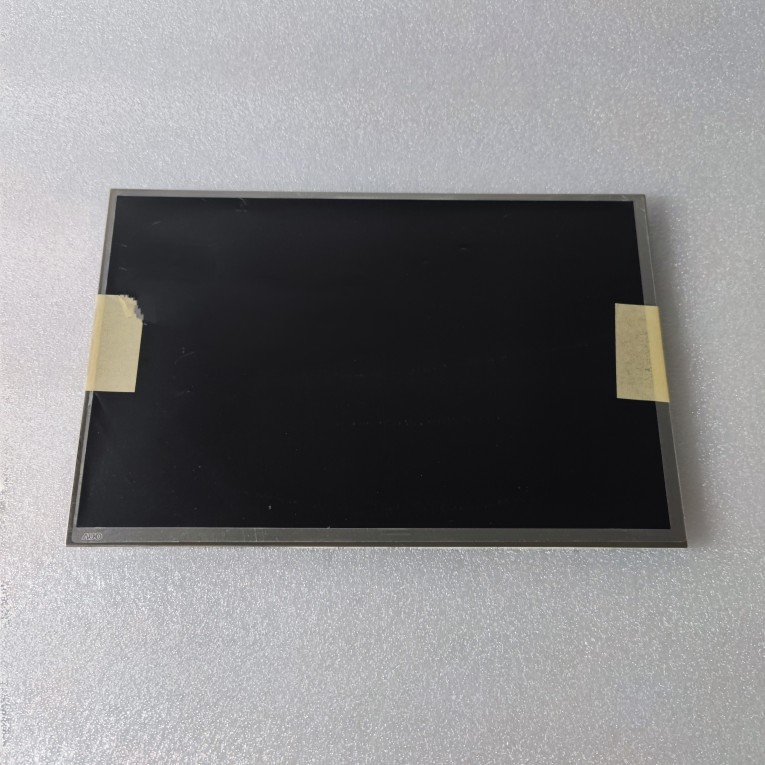
In the intricate world of electronic components, the display panel often serves as the critical interface between user and machine. Among the myriad of options available to engineers and procurement specialists, the G101EVN01.4 from AUO (AU Optronics) stands out as a mature and highly reliable solution for a specific class of applications. This 10.1-inch LCD panel, with its 1280x800 resolution (WXGA), represents a carefully balanced set of specifications that has found enduring relevance in industrial, commercial, and embedded systems long after its initial introduction.
This article delves deep into the G101EVN01.4, moving beyond basic datasheet parameters to explore its technical architecture, inherent strengths, and ideal use-case scenarios. We will dissect the logic behind its enduring design, compare it with modern alternatives, and provide practical guidance for integration and sourcing. Our goal is to offer a comprehensive resource that empowers you to make an informed decision on whether this specific panel is the optimal visual engine for your next project.
Decoding the G101EVN01.4: Core Specifications and Significance
The G101EVN01.4 is a 10.1-inch diagonal TFT-LCD module utilizing a-Si (amorphous silicon) technology. Its 1280 x 800 pixel resolution, with a 16:10 aspect ratio, is a key defining characteristic. This offers 24% more vertical screen real estate than the common 1280x720 (16:9) format, making it advantageous for applications requiring more data lines, toolbars, or document viewing without excessive scrolling. With a brightness of 300 cd/m² and a contrast ratio of 500:1, it delivers clear readability in typical indoor environments.
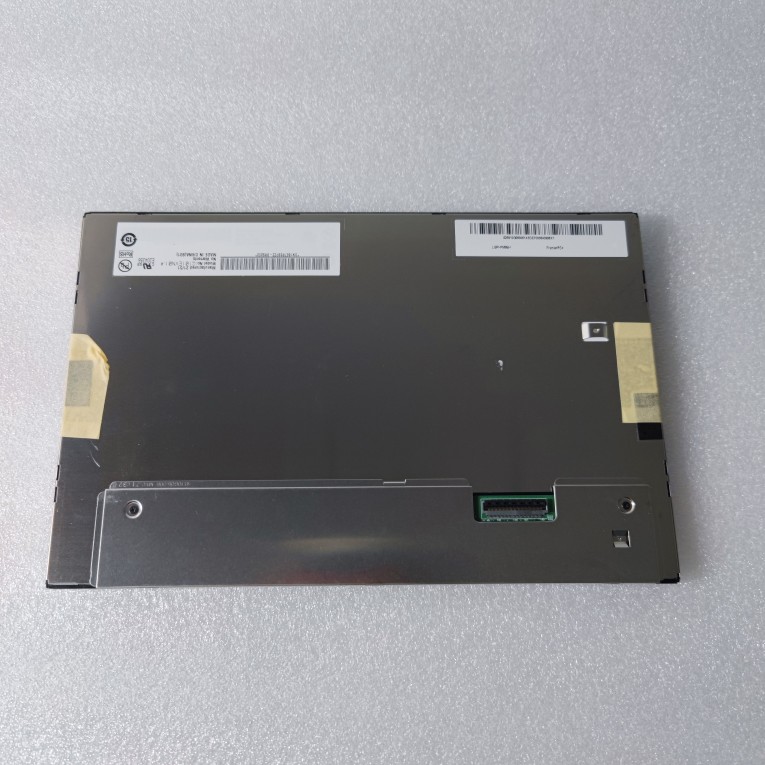
Its interface is a single-channel LVDS (Low-Voltage Differential Signaling), a robust and widely supported standard that ensures reliable data transmission with minimal electromagnetic interference. The panel features a wide operating temperature range, a hallmark of industrial-grade components, and uses a CCFL (Cold Cathode Fluorescent Lamp) backlighting system. Understanding these foundational specs is crucial, as they directly dictate compatibility, performance boundaries, and the panel's suitability for various operating conditions.
The Enduring Appeal of a Mature Panel Design
In an era obsessed with the latest and greatest, the G101EVN01.4's longevity is a testament to its effective and proven design. Its maturity translates into several tangible benefits. First is extreme reliability. Having been in production for years, any initial design or manufacturing flaws have been long resolved, resulting in a stable and predictable performance profile. Second is supply chain stability. While it may be in a "mature production" or "last-time buy" phase, its well-understood bill of materials often allows for more consistent sourcing compared to brand-new panels that might face yield issues.
Furthermore, its technology stack—CCFL backlighting and standard LVDS—is deeply familiar to engineers. This reduces design risk and development time, as reference designs and troubleshooting knowledge are abundant. For products with long lifecycles, such as medical devices, industrial HMIs, or point-of-sale systems, using a mature, battle-tested component like the G101EVN01.4 can significantly mitigate project risk and ensure long-term serviceability.
Ideal Application Environments and Use Cases
The G101EVN01.4 is not designed for consumer tablets or high-end gaming. Its value proposition shines in demanding, focused applications. Industrial Human-Machine Interfaces (HMIs) are a primary domain, where its wide temperature range, stable performance, and 16:10 aspect ratio for data display are crucial. It is equally prevalent in embedded systems like transportation infotainment, kiosks, and ruggedized handheld devices.
Other key use cases include legacy system upgrades and service parts. Many older medical monitors, test equipment, and factory machines were built with this form factor and interface. The G101EVN01.4 serves as a direct drop-in replacement, extending the life of expensive capital equipment. Its characteristics make it a pragmatic choice for applications where color accuracy, ultra-high brightness, or touch capability are secondary to reliability, availability, and cost-effectiveness over a 5-10 year product horizon.
Comparative Analysis: CCFL vs. LED Backlighting
A defining feature of the G101EVN01.4 is its CCFL backlight. It is essential to understand the implications of this choice compared to modern LED backlights. CCFL technology provides a very uniform light distribution across the panel, which can be superior for applications requiring consistent grayscale presentation. However, it comes with trade-offs: CCFL inverters require higher operating voltages, generate more heat, and have a slower response to brightness modulation.
More critically, CCFLs have a shorter operational lifespan (typically 25,000 - 50,000 hours) compared to LEDs (often 50,000 - 100,000 hours) and are less energy efficient. They also tend to be thicker. The choice here is not about "better" or "worse," but about design alignment. For a system originally designed for CCFL, switching to an LED variant may require electrical redesign (removing the inverter, adding constant-current drivers) and potential optical redesign to manage hotspots, adding complexity to a simple replacement project.
Critical Integration Considerations and Potential Challenges
Successfully integrating the G101EVN01.4 requires attention to several technical details. Power sequencing is paramount; the panel's datasheet provides a strict timing diagram for applying power to the logic board, CCFL inverter, and enabling signals. Ignoring this can damage the panel. Mechanical integration must account for its bezel dimensions and mounting holes, as well as providing adequate heat dissipation for the CCFL inverter.
Electrically, designers must ensure the LVDS signal from their controller matches the panel's input requirements (voltage swing, mapping). The most significant long-term challenge is component obsolescence. As CCFL technology phases out globally, sourcing replacement backlight tubes or inverters may become difficult. Forward-thinking designs using this panel should consider a future migration path to an LED-backlit equivalent, which may involve a different driver board or slight optical adjustments.
Sourcing Strategies and Lifecycle Management
Procuring the G101EVN01.4 demands a strategic approach. It is classified as an End-of-Life (EOL) or Last-Time-Buy (LTB) component by AUO. Therefore, buying from authorized distributors may yield limited stock. The primary sourcing channel is often through specialized independent distributors or reputable component brokers who hold inventory. Rigorous vetting is essential to avoid counterfeit or remarked parts.
A robust lifecycle management plan is critical. This includes conducting a final lifetime buy calculation to cover anticipated production and service needs for the entire lifespan of your end product. Simultaneously, initiating a redesign feasibility study for a pin-compatible LED-backlit alternative (like the G101EVN01.5 or other manufacturer's equivalents) is a prudent risk mitigation step. Understanding the panel's lifecycle stage transforms procurement from a simple purchase into a strategic business decision.
FAQs: G101EVN01.4 LCD Panel
Q10: Does it support wide viewing angles?A10: It uses standard TN (Twisted Nematic) technology, which has more limited viewing angles, especially vertically, compared to IPS panels.
Conclusion
The AUO G101EVN01.4 is far more than a simple list of specifications on a page. It represents a specific and enduring design philosophy tailored for reliability, compatibility, and long-term deployment in professional environments. Its 10.1-inch WXGA format, CCFL backlighting, and LVDS interface form a cohesive package that has successfully powered countless industrial and commercial systems.
Choosing this panel today is a strategic decision that balances proven performance against future availability. It is an excellent choice for extending the life of existing products, for new designs with very long lifecycles where risk minimization is paramount, or for applications where its specific technical profile is a perfect match. Ultimately, understanding the G101EVN01.4 in depth allows engineers and buyers to navigate the component landscape with confidence, making choices that ensure the longevity and reliability of their end products.