- Industrie-LCD-Display
-
Industrial Products
- DC Servo Drive
- AC Servo Drive
- other
- Heidelberg
- FANUC
- IFM
- Meter
- CCD
- Membrane Keypad
- Film
- YOKOGAWA
- Card
- ABB
- MITSUBISHI
- FANUC
- KEYENCE
- BECKHOFF
- Honeywell
- HOLLYSYS
- FUJI servo drives
- HP
- solenoid valve
- thermostat
- Siemens adapter
- color oscilloscope
- Fujitsu connector
- CHELIC
- SMC
- CISCO
- INTEL
- Key board
- FAIRCHILD
- Der Aufsichtsrat
- Board
- Bearing
- other
- Control Panel
- Contactor
- Circuit
- Omron
- Relais.
- Der controller
- Optoelektronische schalter
- Optoelektronische sensoren
- Original
- Fan
- Motortreiber
- Endschalter
- Verstärker
- power supply
- LENZE
- Cable
- Encoder
- Sensor
- Transformator
- Fiber Optic Sensor
- Schutzrelais
- Temperaturregler
- Näherungsschalter
- Switch Sensor
- Siemens
- PCB
- HMI Touch-Glas
-
HMI-Vollautomat Ganze Einheit
- OMRON HMI Touch Panel
- Siemens HMI Touch Panel
- Mitsubishi HMI Touch Panel
- Allen-Bradley Automatisierung HMI Touch
- DELTA HMI Touch Panel
- EVIEW DELTA HMI Touch Panel
- KINCO DELTA HMI Touch Panel
- HITECH HMI Touch Panel
- WEINTECK HMI Touch Panel
- TECVIEW HMI Touch Panel
- WEINVIEW HMI Touch Panel
- PRO-FACE HMI Touch Panel
- SIMATIC HMI Touch Panel
- AMPIRE HMI Touch Panel
- HEIDELBERG HMI Touch Panel
- PANASONIC HMI Touch Panel
- PATLITE HMI Touch Panel
- KYOCERA HMI Touch Panel
- KEYENCE HMI Touch Panel
- WEINVIEW HMI Touch Panel
- HITECH HMI Touch Panel
- FUJI HMI Touch Panel
- HAKKO HMI Touch Panel
- SCHNEIDER HMI Touch Panel
- SAMKOON touch panel
- andere
- Module
- LCD Wechselrichter
- Membran Tastenfeld Schalter
- Winni Touch Screens
- Frequenzumrichter
- Servo Motor
- PLC


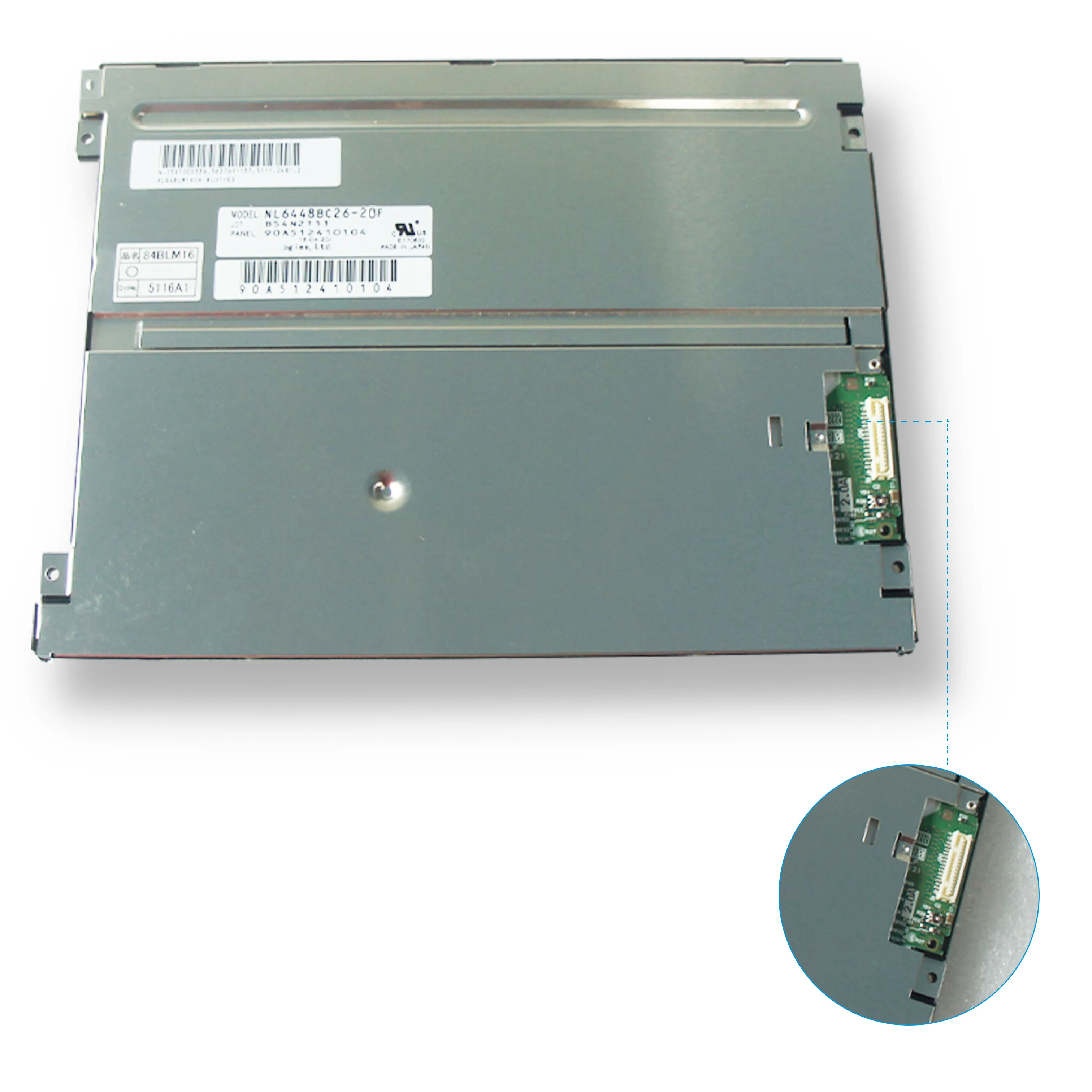

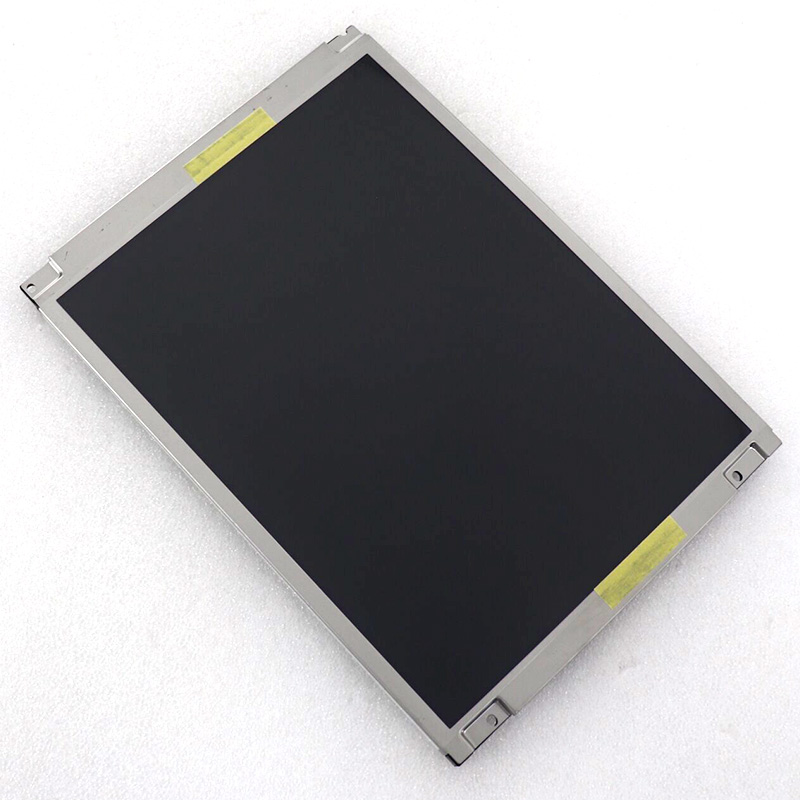
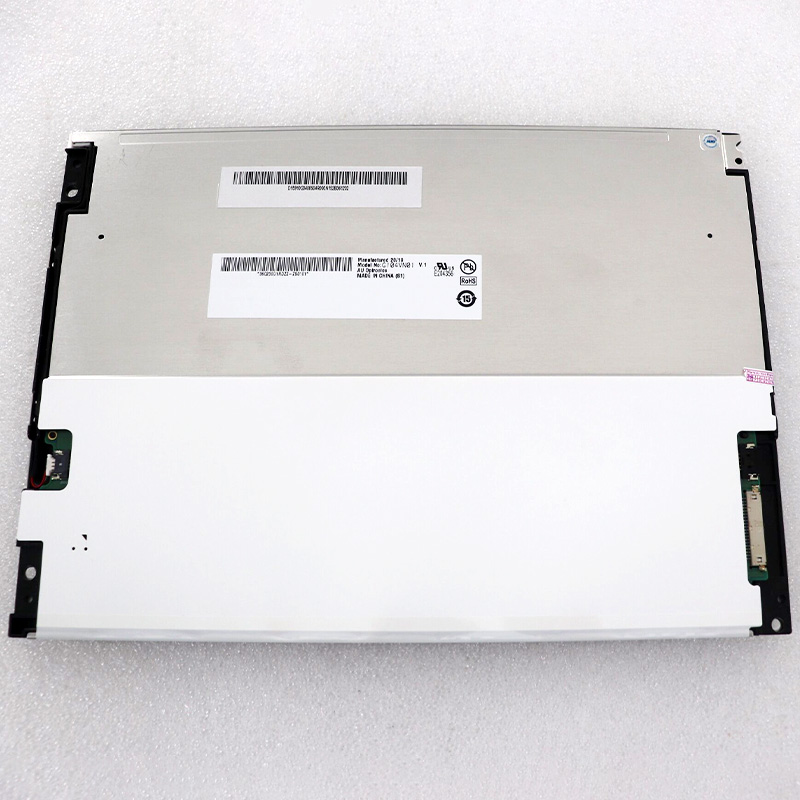
G104VN01 V1 LCD Screen Display Panel For AUO 10.4" 640*480 G104VN01 V.1
In the intricate world of electronic repair and industrial display solutions, the identification and procurement of the exact component can be the defining line between a successful restoration and a costly dead end. This article delves deep into the specifics of one such critical component: the G104VN01 V1 LCD screen display panel. Designed as a replacement for AUO (AU Optronics) 10.4-inch displays, this panel with its 640x480 (VGA) resolution serves as the visual heart for a wide array of legacy and specialized equipment.
Our exploration goes beyond a simple part number listing. We will dissect the technical nuances that distinguish this version, explore its primary applications in sectors like industrial automation, medical devices, and point-of-sale systems, and provide a comprehensive guide for sourcing and compatibility verification. Whether you are a technician, a procurement specialist, or an engineer involved in maintaining critical systems, this deep dive aims to equip you with the knowledge needed to make informed decisions regarding the G104VN01 V1 panel.
Decoding the Part Number: G104VN01 V1
The alphanumeric code G104VN01 V1 is not arbitrary; it is a precise technical identifier. Breaking it down, "G104" typically denotes a 10.4-inch diagonal screen size. The "V" often references the panel type or generation, while "N01" is a specific model designation from the manufacturer. The crucial suffix "V1" or "V.1" indicates the version or revision of the panel. This versioning is critical, as even minor revisions can involve changes in the backlight type (e.g., CCFL to LED), connector pinouts, inverter requirements, or firmware that affect physical and electrical compatibility.
Understanding this nomenclature is the first step in avoiding compatibility pitfalls. A "G104VN01" without the version specifier, or with a different version like V2, may look identical but could be electrically incompatible. This panel is explicitly designed as a direct substitute for AUO's original 10.4-inch modules, ensuring form, fit, and function match for seamless integration into existing chassis and controller boards.
Technical Specifications and Performance Profile
At its core, the G104VN01 V1 is a 10.4-inch TFT-LCD (Thin-Film Transistor Liquid Crystal Display) panel. Its native resolution is 640 x 480 pixels, commonly known as VGA. This 4:3 aspect ratio was the standard for decades and remains vital for interfacing with older control systems and software designed for that format. The panel utilizes a standard LVDS (Low-Voltage Differential Signaling) interface for robust data transmission from the controller board.
Key performance parameters include its brightness, contrast ratio, viewing angles, and color depth. As an industrial-grade panel, it is often characterized by higher brightness levels (nits) for readability in various lighting conditions and wider operating temperature ranges compared to consumer-grade screens. The specific backlight technology—frequently CCFL in earlier versions—impacts power consumption, thickness, and longevity. These specs collectively determine the panel's suitability for demanding environments where reliability is non-negotiable.
Primary Applications and Industry Use Cases
The G104VN01 V1 is not found in modern laptops or tablets; its domain is specialized, embedded systems. Its primary value lies in maintaining and repairing existing hardware where upgrading the entire system is impractical or prohibitively expensive. Major application areas include:
Industrial Automation: Human-Machine Interface (HMI) panels on factory floors, control units for CNC machines, and test equipment displays.
Medical Equipment: Displays for diagnostic devices, patient monitoring systems, and laboratory analyzers, where equipment lifecycles are long.
Point-of-Sale (POS) and Kiosks: Checkout systems, self-service terminals, and informational kiosks in retail and hospitality.
Transportation and Avionics: In-vehicle information displays and control panels in certain maritime or aerospace contexts.
In these fields, the display is a component within a larger, costly system, making a precise replacement the most economical solution.
Compatibility Verification and Sourcing Challenges
Sourcing a G104VN01 V1 requires meticulous verification. The greatest risk is receiving an incompatible version or a physically similar panel from a different manufacturer. To verify compatibility, one must cross-reference the exact part number and version from the original panel's label. Additionally, checking the connector type (e.g., 20-pin, 30-pin), pinout configuration, and backlight connector is essential.
The market contains both original AUO stock (often scarce) and compatible replacement panels manufactured by third parties to the same specifications. While reputable compatible panels are a valid and often more available option, due diligence is required. Buyers should seek suppliers who provide detailed photos, full specifications, and clear compatibility guarantees. Understanding the supply chain—from specialized electronic component distributors to B2B marketplaces—is key to finding reliable stock.
Installation Considerations and Potential Pitfalls
Successful installation extends beyond plugging in a cable. For the G104VN01 V1, technicians must be aware of several factors. Electrostatic discharge (ESD) protection is paramount, as the panel's electronics are highly sensitive. The mounting frame or bezel must align perfectly with the original, as industrial enclosures have little tolerance for variance.
If the original panel used a CCFL backlight, the replacement process may involve handling the high-voltage inverter. Some "V1" replacements might integrate an LED backlight with a different power driver, necessitating an adapter or bypass of the old inverter. Furthermore, the LVDS cable must be securely connected, and in some cases, the system's controller board may require minimal configuration or resetting to recognize the new display properly. Skipping these steps can lead to no display, flickering, or image abnormalities.
The Ecosystem of Replacement: Drivers and Controllers
The LCD panel itself is a passive device; it requires a controller board (often called an LCD driver board or controller) to function. This board receives a video signal (e.g., VGA, HDMI) from the host computer and converts it into the LVDS signal the panel understands. In an original equipment setup, this controller is built into the main system.
When replacing a panel in a proprietary system, the existing controller is typically retained. Therefore, the new panel must be electrically compatible with that controller's LVDS signaling standard (voltage, timing, pin mapping). In scenarios where one is building a custom display or the original controller is faulty, sourcing a universal LVDS controller board programmed specifically for the G104VN01 V1's parameters becomes necessary. This underscores the importance of the panel's "data sheet" or "panel specification," which provides the precise timing and voltage details needed for controller configuration.
FAQS: G104VN01 V1 LCD Panel
Q10: What are the main risks when installing it?A10: ESD damage, connector mismatch, backlight power issues, and physical mounting incompatibility.
Conclusion
The G104VN01 V1 LCD panel exemplifies the critical, yet often overlooked, world of specialized display components that keep essential machinery operational. Its value is not in cutting-edge specs, but in precise compatibility and reliability within established technological ecosystems. Navigating its procurement and integration demands a technical understanding of its versioning, specifications, and the context of its application.
For professionals in repair and industrial maintenance, mastering these details—from decoding part numbers to verifying electrical compatibility—is a necessary skill. It ensures the longevity of capital-intensive equipment and avoids the costly downtime associated with incorrect replacements. In an era of rapid obsolescence, components like the G104VN01 V1 serve as vital links, preserving functionality and maximizing the investment in critical systems across industries.