- Industrial LCD display
-
Industrial Products
- DC Servo Drive
- AC Servo Drive
- other
- Heidelberg
- FANUC
- IFM
- Meter
- CCD
- Membrane Keypad
- Film
- YOKOGAWA Module
- Card
- ABB
- MITSUBISHI
- FANUC
- KEYENCE
- BECKHOFF
- Honeywell
- HOLLYSYS
- FUJI servo drives
- HP
- solenoid valve
- thermostat
- Siemens adapter
- color oscilloscope
- Fujitsu connector
- CHELIC
- SMC
- CISCO Module
- INTEL
- Key board
- FAIRCHILD
- Motherboard
- Board
- Bearing
- other
- Control Panel
- Contactor
- Circuit
- OMRON
- Relay
- Controller
- Photoelectric Switch
- Photoelectric Sensor
- Original
- Fan
- Motor Driver
- Limit Switch
- Amplifier
- power supply
- LENZE
- Cable
- Encoder
- Sensor
- Transformer
- Fiber Optic Sensor
- Protection Relay
- Temperature Controller
- Proximity Switch
- Switch Sensor
- Siemens
- Industrial board
- HMI Touch Glass
-
HMI Full Machine Whole unit
- OMRON HMI Touch Panel
- Siemens HMI Touch Panel
- Mitsubishi HMI Touch Panel
- Allen-Bradley automation HMI Touch Panel
- DELTA HMI Touch Panel
- EVIEW DELTA HMI Touch Panel
- KINCO DELTA HMI Touch Panel
- HITECH HMI Touch Panel
- WEINTECK HMI Touch Panel
- TECVIEW HMI Touch Panel
- WEINVIEW HMI Touch Panel
- PRO-FACE HMI Touch Panel
- SIMATIC HMI Touch Panel
- AMPIRE HMI Touch Panel
- HEIDELBERG HMI Touch Panel
- PANASONIC HMI Touch Panel
- PATLITE HMI Touch Panel
- KYOCERA HMI Touch Panel
- KEYENCE HMI Touch Panel
- WEINVIEW HMI Touch Panel
- HITECH HMI Touch Panel
- FUJI HMI Touch Panel
- HAKKO HMI Touch Panel
- SCHNEIDER HMI Touch Panel
- SAMKOON touch panel
- other
- Module
- lcd inverter
- Membrane Keypad Switch
- Winni Touch Screens
- Frequency Inverter
- Servo Motor
- PLC


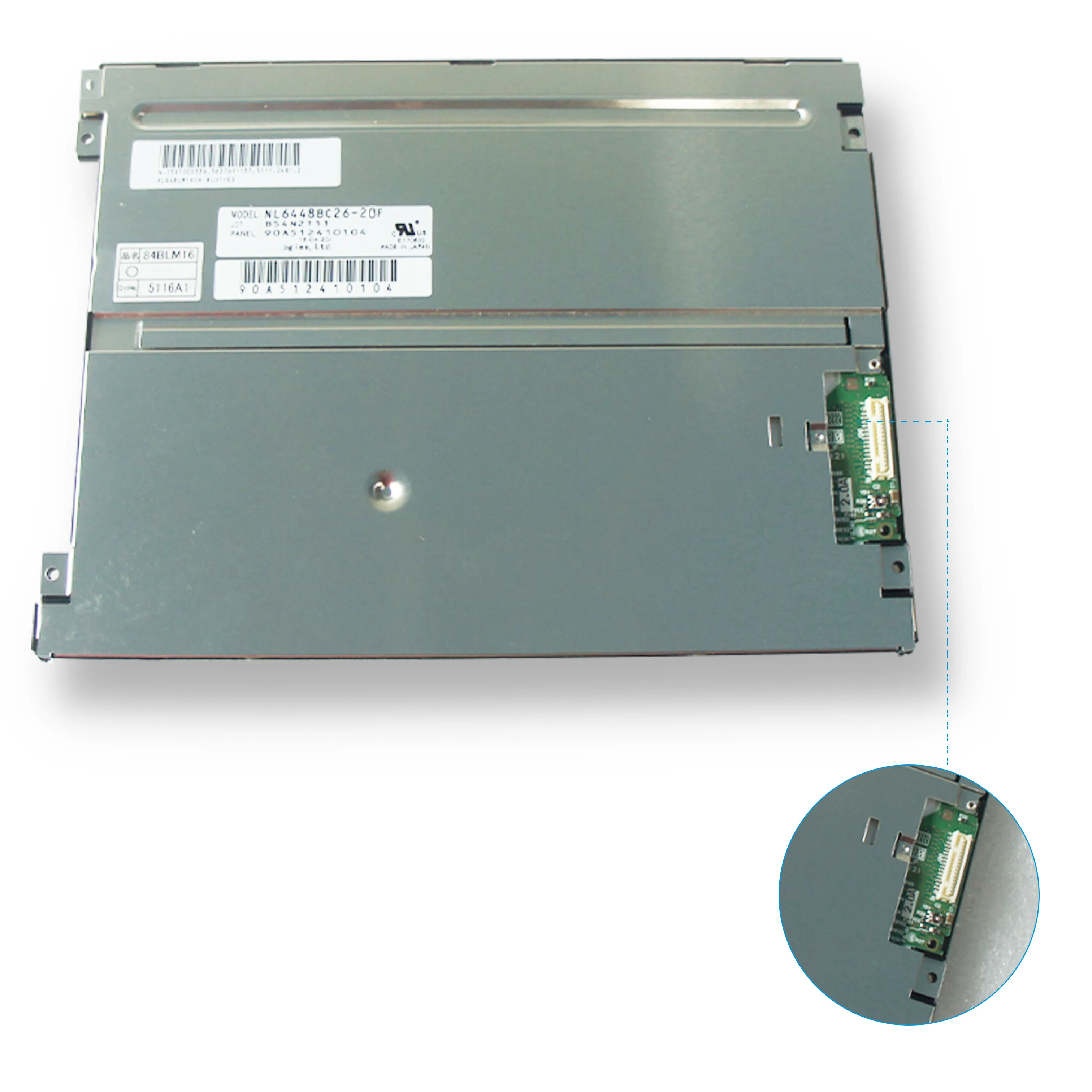


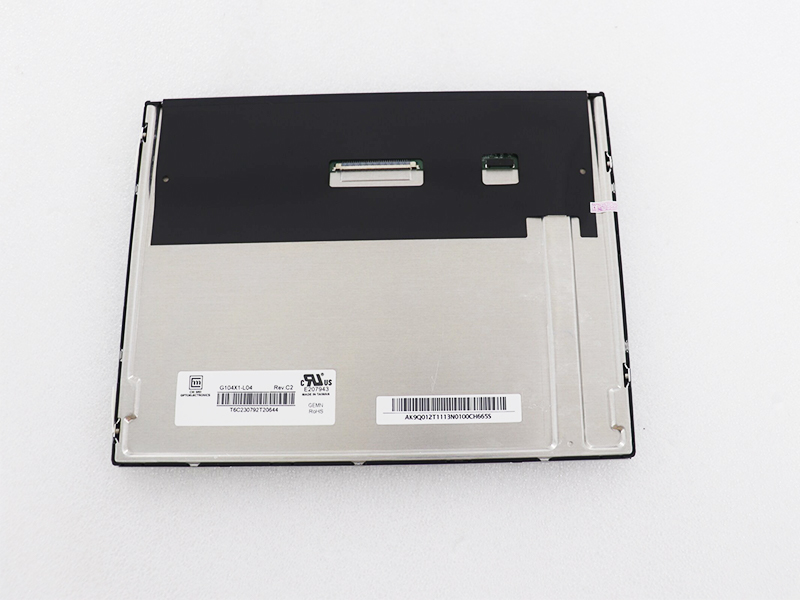
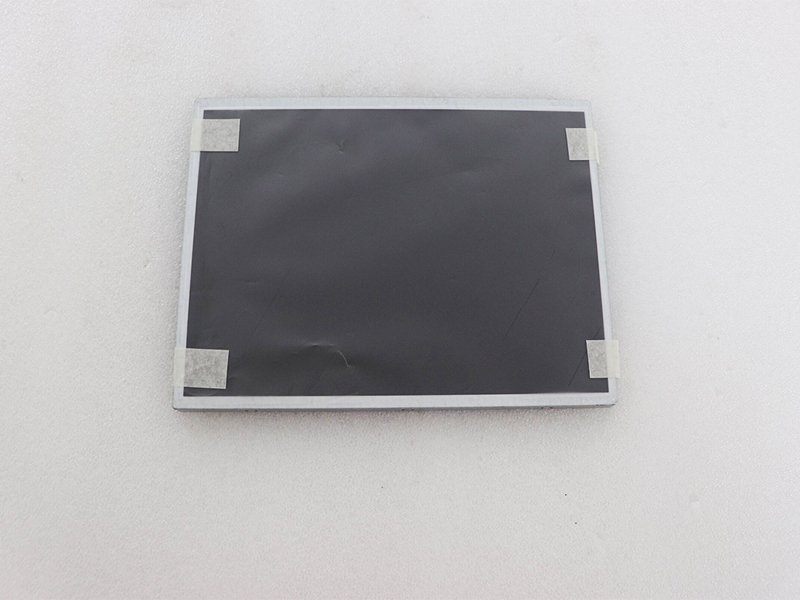
G104X1-L04 new 10.4 inch Innolux 1024*768 LCD Screen Display
In the intricate world of industrial and embedded display solutions, the selection of a single component can dictate the performance, reliability, and user experience of an entire system. At the heart of many modern human-machine interfaces (HMIs), point-of-sale terminals, medical devices, and ruggedized equipment lies a critical element: the LCD screen. Today, we turn our focus to a specific and noteworthy panel that exemplifies engineering precision for specialized applications—the G104X1-L04.
This article provides a comprehensive, in-depth analysis of the G104X1-L04, a new 10.4-inch LCD display module from Innolux featuring a 1024 x 768 (XGA) resolution. We will move beyond basic specifications to explore the technological nuances, application-specific advantages, and integration considerations that make this panel a significant contender in its class. From its underlying TFT-LCD technology and optical performance to its mechanical robustness and market positioning, this deep dive aims to equip engineers, procurement specialists, and tech enthusiasts with the knowledge needed to evaluate its true potential for demanding projects.
Unpacking the Core Technology: Innolux's TFT-LCD Engineering
The G104X1-L04 is built upon a foundation of advanced Thin-Film Transistor Liquid Crystal Display (TFT-LCD) technology. This is not a standard consumer-grade panel; it is engineered for stability and longevity. The 10.4-inch diagonal measurement provides a substantial viewing area while maintaining a compact form factor suitable for embedded designs. The choice of 1024 x 768 pixels, known as XGA (Extended Graphics Array) resolution, is particularly strategic.
This resolution offers a 4:3 aspect ratio, which remains the gold standard for many industrial and legacy applications where software interfaces are designed for this specific format. It avoids the stretching or letterboxing that can occur when forcing a 4:3 interface onto a wider 16:9 panel. Each pixel is precisely controlled by its own transistor, enabling faster response times, superior color accuracy, and higher contrast ratios compared to older passive-matrix displays. The module likely incorporates high-aperture-ratio design and advanced alignment techniques to ensure bright, uniform illumination and wide viewing angles, which are critical for applications where the screen may be viewed from off-axis positions.
Optical Performance and Readability Under Pressure
Beyond the raw pixel count, the optical characteristics of the G104X1-L04 define its usability in real-world environments. A key metric is brightness, typically measured in nits (cd/m²). Industrial panels like this one often boast high brightness levels (frequently 500 nits or more) to ensure readability under strong ambient light, such as in outdoor kiosks or sunlit factories. Conversely, the panel must also offer good low-light performance.
Contrast ratio—the difference between the brightest white and the darkest black—is paramount for delivering crisp, legible text and clear graphics. A high contrast ratio ensures that details are not lost. Furthermore, color gamut coverage, often defined against the NTSC or sRGB standard, determines how vibrant and accurate on-screen colors appear. For medical imaging or diagnostic equipment, color fidelity can be mission-critical. The G104X1-L04's optical stack, including its polarizers and filters, is engineered to balance these factors, providing a stable, clear, and visually comfortable image that reduces operator eye strain during prolonged use.
Interface and Signal Integrity: The Connection Backbone
The utility of any display module is contingent on how seamlessly it integrates with a host system. The G104X1-L04 typically features Low-Voltage Differential Signaling (LVDS) interfaces. LVDS is the prevailing standard for industrial and automotive displays due to its robustness against electromagnetic interference (EMI), its ability to transmit high-speed data over longer cables with low power consumption, and its noise resistance.
The specific pin configuration and interface protocol (such as OpenLDI or JEIDA standards) are vital details for system designers. Matching the controller board's output to the panel's input is essential. Additionally, the module includes a LED backlight driver circuit, often requiring a single power supply voltage. Understanding the interface requirements—power sequencing, signal timing, and connector type—is a crucial step in avoiding integration pitfalls and ensuring a flicker-free, stable image from the moment of power-on.
Ruggedness and Reliability for Demanding Environments
What truly separates an industrial display like the G104X1-L04 from a commercial one is its built-in resilience. The operating temperature range is a primary indicator; this panel is designed to function reliably across a wide span, potentially from -20°C or lower to 70°C or higher, ensuring performance in unheated warehouses or hot industrial floors. The mechanical construction is robust, often featuring a solid metal frame that protects the glass substrate from vibration, shock, and physical stress.
The surface treatment is also critical. Many industrial modules feature an anti-glare (AG) coating to diffuse ambient light reflections. For even harsher environments, options like strengthened glass or direct bonding techniques may be available to enhance durability and resistance to condensation or chemicals. This focus on ruggedness translates directly to lower total cost of ownership, as it minimizes downtime and replacement frequency in challenging applications.
Target Applications and Market Positioning
The specific combination of size, resolution, and ruggedness makes the G104X1-L04 an ideal solution for several key vertical markets. In industrial automation, it serves as the face of PLCs, CNC machine controls, and HMI panels, where its 4:3 ratio matches legacy software and its readability is essential for process monitoring. The medical device industry utilizes such panels in patient monitoring systems, diagnostic equipment, and surgical tools, where reliability and image clarity are non-negotiable.
Furthermore, it finds a home in transportation and logistics (e.g., vehicle telematics, forklift displays), point-of-sale systems, and kiosks. Its market positioning is as a reliable, high-performance workhorse rather than a consumer-facing gadget. It competes not on flashy features but on consistency, long-term availability, and a specification sheet tailored to withstand the test of time and environment.
Integration Considerations and Lifecycle Management
Successfully deploying the G104X1-L04 requires careful forward planning. Engineers must account for mechanical integration: the exact outline dimensions, bezel size, mounting hole positions, and overall thickness. Thermal management is also crucial; ensuring adequate heat dissipation from the backlight and drivers prolongs the panel's life. Electrically, power supply design must be clean and stable to avoid introducing noise.
Perhaps most importantly for industrial clients is lifecycle management. Consumer display models change every few months, but industrial projects may remain in production for a decade or more. A key advantage of modules like the G104X1-L04 from major manufacturers like Innolux is their commitment to long-term product availability and stable sourcing. Securing a reliable supply chain and understanding potential future alternate or compatible parts is a critical aspect of the selection process that mitigates future redesign risks.
FAQs
Conclusion
The Innolux G104X1-L04 10.4-inch XGA LCD display module represents a sophisticated convergence of proven technology and application-specific engineering. It transcends being a mere commodity screen by offering a package tailored for durability, clarity, and integration stability. Its 4:3 XGA resolution addresses a persistent and vital niche in industrial, medical, and commercial hardware, while its robust build and reliable LVDS interface ensure it can perform consistently in environments that would challenge ordinary displays.
Selecting a display is a strategic decision with long-term implications for product performance and maintenance. The G104X1-L04 stands out as a solution for developers and engineers who prioritize lifecycle management, environmental resilience, and optical performance over fleeting consumer trends. In a landscape increasingly dominated by widescreen formats, this panel serves as a powerful reminder that the right tool for the job is defined not by the latest trend, but by the specific, often demanding, requirements of the task at hand.