- Industrial LCD display
-
Industrial Products
- DC Servo Drive
- AC Servo Drive
- other
- Heidelberg
- FANUC
- IFM
- Meter
- CCD
- Membrane Keypad
- Film
- YOKOGAWA Module
- Card
- ABB
- MITSUBISHI
- FANUC
- KEYENCE
- BECKHOFF
- Honeywell
- HOLLYSYS
- FUJI servo drives
- HP
- solenoid valve
- thermostat
- Siemens adapter
- color oscilloscope
- Fujitsu connector
- CHELIC
- SMC
- CISCO Module
- INTEL
- Key board
- FAIRCHILD
- Motherboard
- Board
- Bearing
- other
- Control Panel
- Contactor
- Circuit
- OMRON
- Relay
- Controller
- Photoelectric Switch
- Photoelectric Sensor
- Original
- Fan
- Motor Driver
- Limit Switch
- Amplifier
- power supply
- LENZE
- Cable
- Encoder
- Sensor
- Transformer
- Fiber Optic Sensor
- Protection Relay
- Temperature Controller
- Proximity Switch
- Switch Sensor
- Siemens
- Industrial board
- HMI Touch Glass
-
HMI Full Machine Whole unit
- OMRON HMI Touch Panel
- Siemens HMI Touch Panel
- Mitsubishi HMI Touch Panel
- Allen-Bradley automation HMI Touch Panel
- DELTA HMI Touch Panel
- EVIEW DELTA HMI Touch Panel
- KINCO DELTA HMI Touch Panel
- HITECH HMI Touch Panel
- WEINTECK HMI Touch Panel
- TECVIEW HMI Touch Panel
- WEINVIEW HMI Touch Panel
- PRO-FACE HMI Touch Panel
- SIMATIC HMI Touch Panel
- AMPIRE HMI Touch Panel
- HEIDELBERG HMI Touch Panel
- PANASONIC HMI Touch Panel
- PATLITE HMI Touch Panel
- KYOCERA HMI Touch Panel
- KEYENCE HMI Touch Panel
- WEINVIEW HMI Touch Panel
- HITECH HMI Touch Panel
- FUJI HMI Touch Panel
- HAKKO HMI Touch Panel
- SCHNEIDER HMI Touch Panel
- SAMKOON touch panel
- other
- Module
- lcd inverter
- Membrane Keypad Switch
- Winni Touch Screens
- Frequency Inverter
- Servo Motor
- PLC


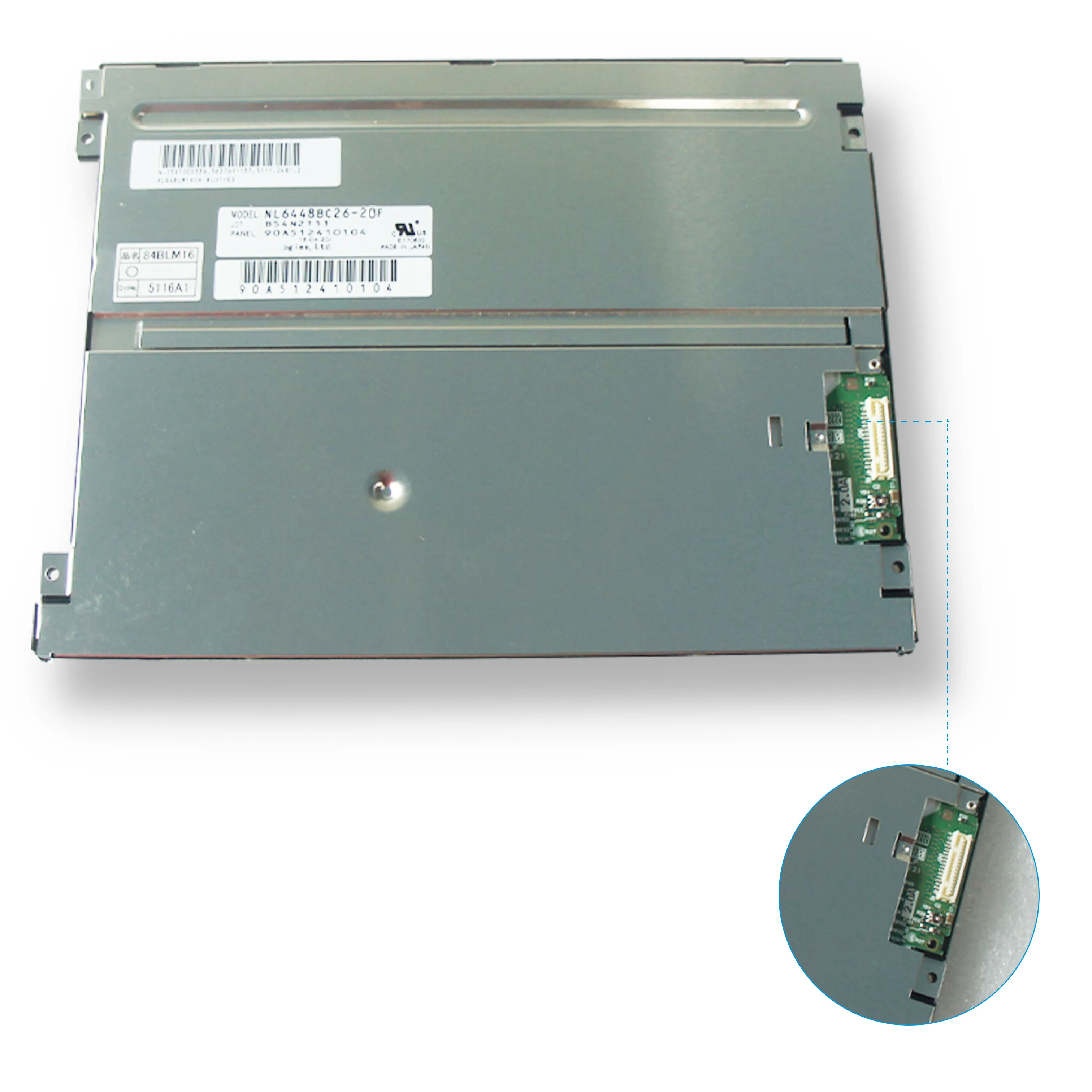

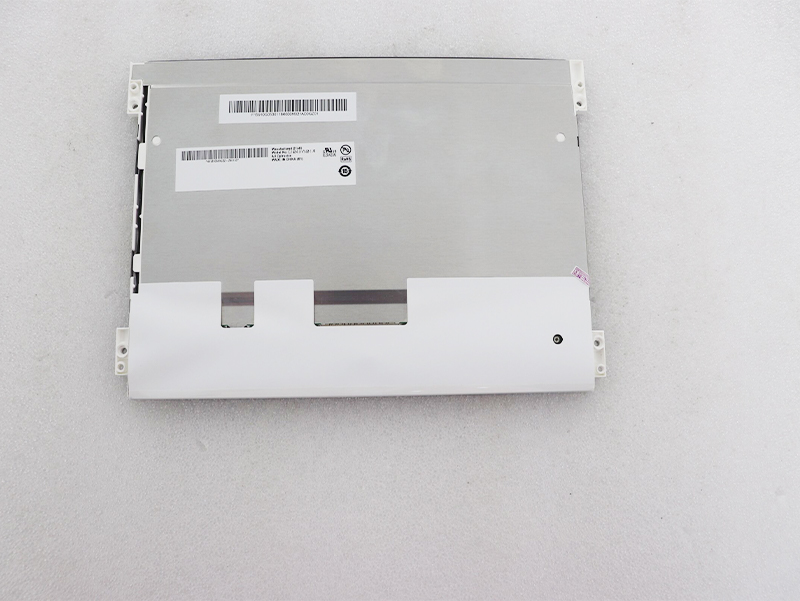
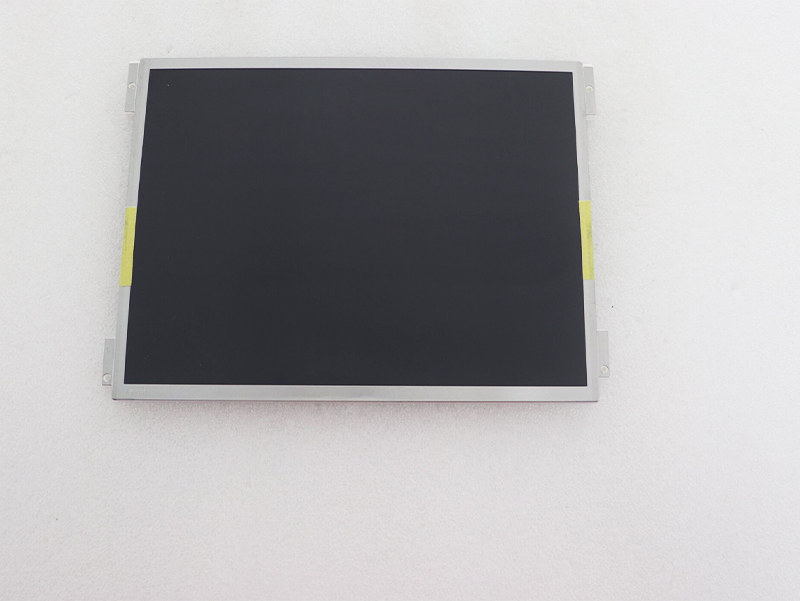
G104XVN01.0 LCD Panel AUO 10.4inch 1024*768
In the intricate world of industrial and embedded display solutions, the choice of a panel is a critical engineering decision that impacts performance, reliability, and total cost of ownership. Among the myriad of options, the G104XVN01.0 LCD panel from AUO (AU Optronics) stands out as a quintessential component for demanding applications. This 10.4-inch display, with its XGA (1024 x 768) resolution, represents a mature yet persistently relevant technology standard. This article delves deep into the G104XVN01.0, moving beyond basic datasheet specifications to explore its architectural merits, ideal application landscapes, and the nuanced considerations for integration.
Our analysis will unpack the panel's significance in an era dominated by higher resolutions, highlighting where its particular blend of features—ruggedness, interface compatibility, and optical performance—creates undeniable value. We will examine its technical DNA, from the pixel structure to the backlight system, and provide a clear framework for engineers and procurement specialists to evaluate its suitability for their next project. This is not just about a display; it's about understanding a proven solution in a complex ecosystem.
Decoding the G104XVN01.0: Core Specifications and Technology
The AUO G104XVN01.0 is built on a Twisted Nematic (TN) LCD technology platform. This mature technology offers distinct advantages for industrial use, primarily its fast response times and cost-effectiveness. The 10.4-inch diagonal active area presents an XGA resolution (1024 horizontal pixels by 768 vertical pixels), resulting in a pixel pitch of approximately 0.2115mm x 0.2115mm and a pixel density of roughly 123 PPI. While not "retina" level, this density is perfectly suited for arm's-length viewing and displaying substantial amounts of data or interface controls without excessive scaling.
The panel typically features a high-brightness CCFL (Cold Cathode Fluorescent Lamp) backlight, often rated at 450 nits or higher, ensuring readability in various ambient lighting conditions. Its contrast ratio, viewing angles (typically 70/70/60/70 degrees in TN mode), and color gamut (covering around 50-60% of NTSC) are characteristic of its technology class. The interface is a critical spec: it uses a standard LVDS (Low-Voltage Differential Signaling) interface, a robust and widely supported protocol in embedded systems, ensuring broad compatibility with standard controller boards.
The Industrial Design Philosophy: Ruggedness and Longevity
Where the G104XVN01.0 truly distinguishes itself is in its design for endurance. Unlike consumer-grade panels, this model is engineered for 24/7 operation in challenging environments. Its construction accounts for wider operating temperature ranges, often from -30°C to 80°C for the storage temperature and a robust operational range. The use of CCFL backlights, though less energy-efficient than modern LEDs, was historically chosen for stability and longevity under constant use, with backlight half-lives often rated for tens of thousands of hours.
The panel's mechanical robustness is also a key consideration. It is designed to resist vibration and shock, a necessity in transportation, factory automation, or field-deployed equipment. Furthermore, AUO typically ensures long-term availability and consistency of this panel model, a crucial factor for industrial product lifecycles that may span a decade or more, preventing costly redesigns due to component end-of-life notifications.
Ideal Application Ecosystems and Use Cases
The specific attributes of the G104XVN01.0 make it a preferred choice in several well-defined verticals. Its XGA resolution is a "sweet spot" for legacy and modern industrial Human-Machine Interfaces (HMIs), providing sufficient screen real estate for complex control dashboards without overburdening the system's graphical processing unit.
Primary application domains include: Industrial Automation (PLC interfaces, control panels for manufacturing equipment), Medical Devices (patient monitoring systems, diagnostic equipment where reliability is paramount), Point-of-Sale and Kiosk Systems, and Transportation (in-vehicle displays for fleet management, railway systems). In these contexts, readability under bright lights, operational reliability, and interface standardization often outweigh the need for ultra-high resolution or wide viewing angles.
Integration Considerations and Electrical Interface
Successfully integrating the G104XVN01.0 requires careful attention to its electrical and physical requirements. The LVDS interface necessitates a compatible controller or system-on-chip (SoC). Engineers must design the power supply circuitry to deliver stable, clean power to both the LCD logic and the CCFL backlight inverter, the latter requiring high-voltage AC output. Thermal management is also vital, as continuous operation, especially in enclosed spaces, can generate heat that must be dissipated to ensure performance and lifespan.
Physically, the panel requires a precise mounting solution, often using screw holes on its metal frame. Designers must account for the bezel dimensions and the depth of the module, including the backlight assembly. Electromagnetic Interference (EMI) shielding may also be necessary to ensure the display does not interfere with, or is not affected by, other sensitive electronics in the final product.
Comparative Analysis: TN vs. Modern Alternatives (IPS, LED)
To fully appreciate the G104XVN01.0's position, a comparison with newer technologies is essential. Modern panels often use IPS (In-Plane Switching) technology, which offers vastly superior viewing angles and color reproduction but may have slower response times and higher cost. The shift to LED backlighting offers benefits in power efficiency, thinner profiles, and mercury-free designs.
However, the G104XVN01.0's TN+CCFL combination holds its ground in specific scenarios. Its fast response time is still advantageous for displaying fast-moving data or simple animations without blur. For systems designed years ago, the CCFL backlight and LVDS interface represent a known, stable quantity, simplifying maintenance and supply chain logistics. The choice, therefore, hinges on prioritizing cutting-edge optics versus proven, ruggedized performance.
Supply Chain, Sourcing, and Future-Proofing
As a mature product, sourcing the G104XVN01.0 involves specific strategies. While AUO may phase out production, the panel typically enjoys long availability through authorized distributors and specialized display module suppliers. It is also commonly found as a repaired or refurbished unit, supporting the maintenance of legacy systems. For new designs, engineers must evaluate the risk of eventual obsolescence.
Future-proofing strategies might involve identifying a "drop-in" replacement panel with similar physical dimensions and LVDS interface but with updated technology (e.g., LED backlight), or designing a system with a more modular display interface. Understanding the total ecosystem of the panel—from driver IC availability to compatible touch screen overlays—is as important as understanding the panel itself.
FAQs: G104XVN01.0 LCD Panel
Q10: What is the most critical factor for integration?A10: Providing a stable power supply and correctly designed LVDS signal lines, along with proper thermal management.
Conclusion
The AUO G104XVN01.0 LCD panel is far more than a simple display component; it is a testament to engineered reliability in the embedded world. Its value proposition is not rooted in being the highest-resolution or most visually stunning option, but in offering a predictable, robust, and compatible solution for mission-critical systems where downtime is not an option. Its XGA resolution, LVDS interface, and industrial-grade construction have cemented its place across diverse sectors from factory floors to medical clinics.
In an industry racing toward 4K and OLED, the enduring relevance of panels like the G104XVN01.0 serves as a crucial reminder: the "best" technology is context-dependent. For designers and maintainers of specialized equipment, understanding the deep technical rationale behind such a component—its strengths, its trade-offs, and its ideal application habitat—is essential for making informed decisions that ensure product longevity and performance in the real world.