- Industrie-LCD-Display
-
Industrial Products
- DC Servo Drive
- AC Servo Drive
- other
- Heidelberg
- FANUC
- IFM
- Meter
- CCD
- Membrane Keypad
- Film
- YOKOGAWA
- Card
- ABB
- MITSUBISHI
- FANUC
- KEYENCE
- BECKHOFF
- Honeywell
- HOLLYSYS
- FUJI servo drives
- HP
- solenoid valve
- thermostat
- Siemens adapter
- color oscilloscope
- Fujitsu connector
- CHELIC
- SMC
- CISCO
- INTEL
- Key board
- FAIRCHILD
- Der Aufsichtsrat
- Board
- Bearing
- other
- Control Panel
- Contactor
- Circuit
- Omron
- Relais.
- Der controller
- Optoelektronische schalter
- Optoelektronische sensoren
- Original
- Fan
- Motortreiber
- Endschalter
- Verstärker
- power supply
- LENZE
- Cable
- Encoder
- Sensor
- Transformator
- Fiber Optic Sensor
- Schutzrelais
- Temperaturregler
- Näherungsschalter
- Switch Sensor
- Siemens
- PCB
- HMI Touch-Glas
-
HMI-Vollautomat Ganze Einheit
- OMRON HMI Touch Panel
- Siemens HMI Touch Panel
- Mitsubishi HMI Touch Panel
- Allen-Bradley Automatisierung HMI Touch
- DELTA HMI Touch Panel
- EVIEW DELTA HMI Touch Panel
- KINCO DELTA HMI Touch Panel
- HITECH HMI Touch Panel
- WEINTECK HMI Touch Panel
- TECVIEW HMI Touch Panel
- WEINVIEW HMI Touch Panel
- PRO-FACE HMI Touch Panel
- SIMATIC HMI Touch Panel
- AMPIRE HMI Touch Panel
- HEIDELBERG HMI Touch Panel
- PANASONIC HMI Touch Panel
- PATLITE HMI Touch Panel
- KYOCERA HMI Touch Panel
- KEYENCE HMI Touch Panel
- WEINVIEW HMI Touch Panel
- HITECH HMI Touch Panel
- FUJI HMI Touch Panel
- HAKKO HMI Touch Panel
- SCHNEIDER HMI Touch Panel
- SAMKOON touch panel
- andere
- Module
- LCD Wechselrichter
- Membran Tastenfeld Schalter
- Winni Touch Screens
- Frequenzumrichter
- Servo Motor
- PLC


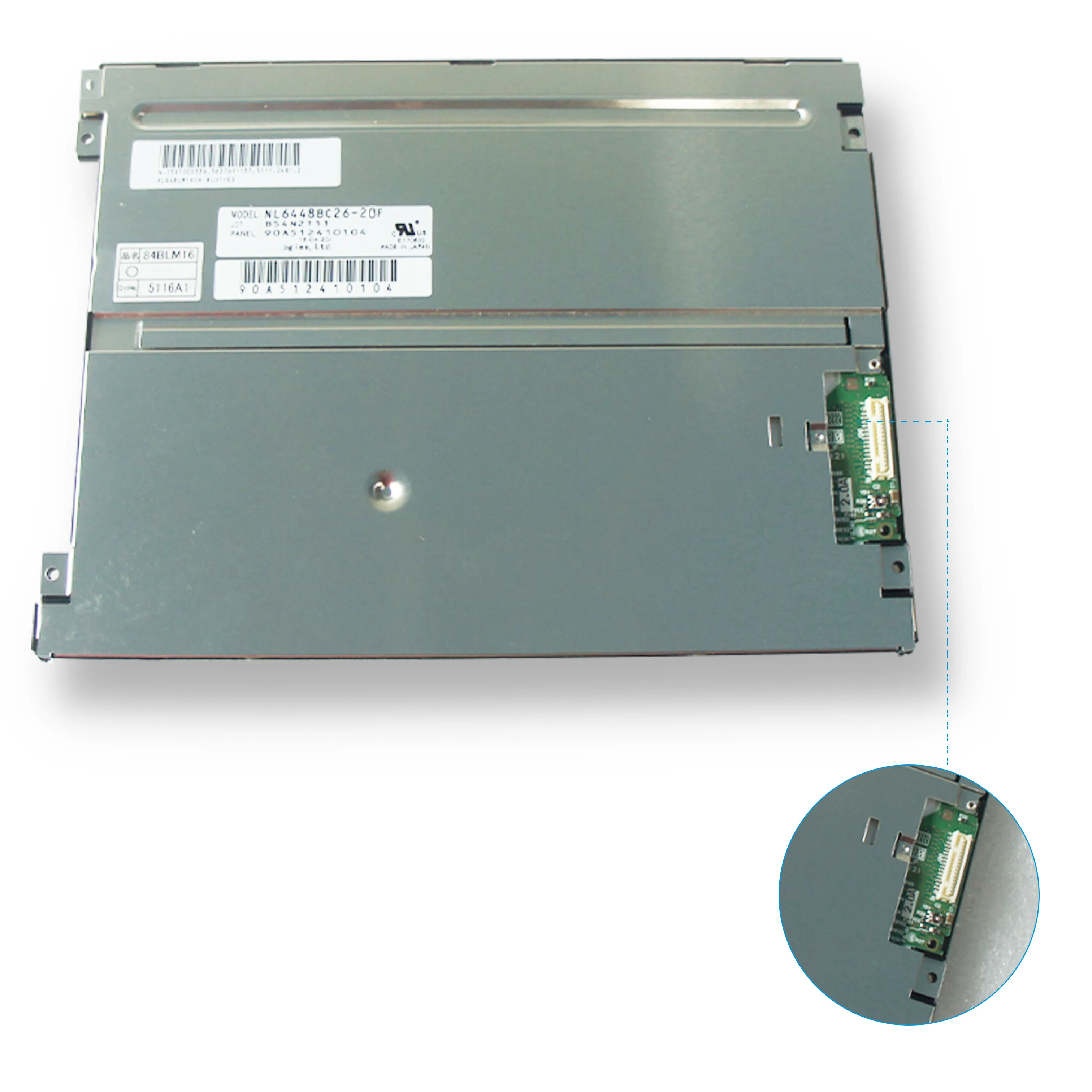

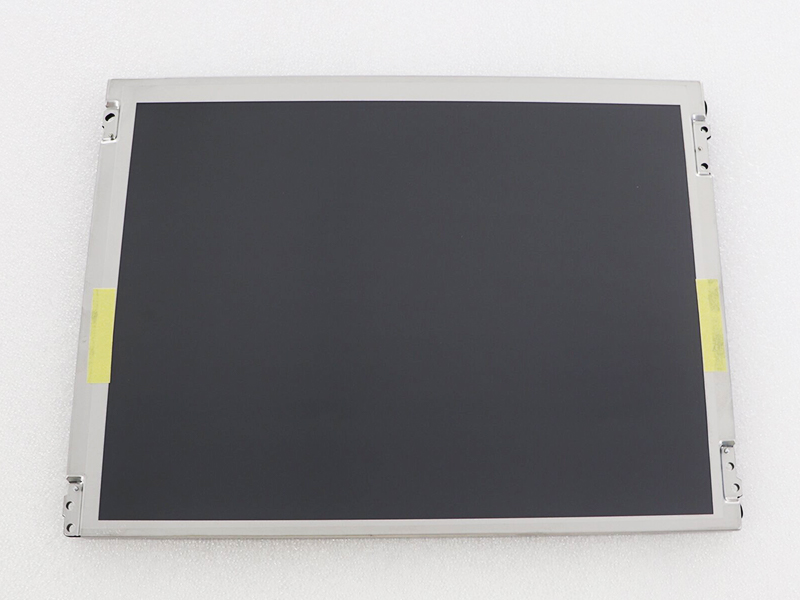
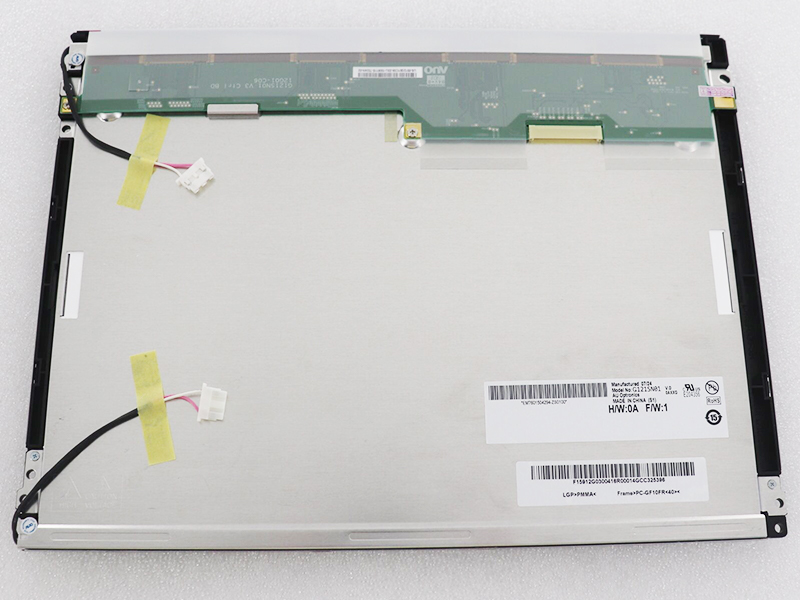
G121SN01 V0 Antiglare 12.1 Inch AUO A-Si TFT-LCD Panel
In the intricate world of industrial and specialized display solutions, the choice of a panel is a critical engineering decision that balances performance, durability, and user experience. Among the myriad options, the G121SN01 V0 from AU Optronics (AUO) stands out as a purpose-built component designed for demanding applications. This 12.1-inch A-Si TFT-LCD panel is not merely a screen; it is a carefully engineered interface built to perform reliably in challenging environments where standard displays would falter.
This article provides a deep-dive analysis of the G121SN01 V0 panel. We will move beyond basic specifications to explore the tangible implications of its anti-glare technology, ruggedized construction, and electrical characteristics. By examining its ideal use cases, integration requirements, and comparative advantages, we aim to equip engineers, procurement specialists, and product developers with the insights needed to determine if this panel is the optimal solution for their next-generation medical, industrial, or transportation equipment.
Decoding the Core Technology: A-Si TFT and Anti-Glare Surface
At the heart of the G121SN01 V0 lies Amorphous Silicon (A-Si) Thin-Film Transistor (TFT) technology, a mature and exceptionally reliable workhorse in the LCD industry. For industrial applications, the proven stability and cost-effectiveness of A-Si are significant advantages over newer, more complex technologies. It delivers consistent performance over a wide temperature range and a long operational lifespan, which are non-negotiable in mission-critical settings.
The "V0" designation and the prominent "Antiglare" feature address a fundamental usability challenge: ambient light interference. The panel is treated with a permanent, etched surface coating that diffuses direct light, drastically reducing reflections and specular glare. This is not a film that can peel or scratch off; it is an integral part of the glass. This transformation ensures that information remains readable under bright factory lighting, outdoor partial sunlight, or the harsh lamps of a medical operating room, minimizing eye strain and preventing dangerous misinterpretation of data.
Robust Physical and Environmental Specifications
The G121SN01 V0 is engineered for resilience. Its mechanical outline features a sturdy metal frame, providing essential structural rigidity and electromagnetic interference (EMI) shielding. This robustness protects the delicate internal components from physical stress and vibration, common in mobile or heavy machinery applications. The panel's dimensional stability is crucial for seamless integration into sealed enclosures.
Environmental tolerance is a key differentiator. With an extended operating temperature range typically from -30°C to 80°C, this panel is built to withstand extreme conditions that would cause consumer-grade displays to fail. This makes it suitable for applications in unheated industrial warehouses, automotive or rail systems exposed to seasonal temperature swings, or medical sterilization environments. Its high reliability under thermal stress ensures system uptime and reduces maintenance costs over the product lifecycle.
Visual Performance and Optical Characteristics
While rugged, the panel does not compromise on visual clarity. It offers a standard WXGA (1280 x 800) resolution, providing a balanced pixel density for detailed schematics, text, and user interface elements on a 12.1-inch diagonal. The contrast ratio and brightness levels are calibrated for clarity rather than the vibrant saturation of consumer entertainment panels, ensuring that grayscale medical images or industrial control readouts are displayed with precision.
The anti-glare treatment, while essential for readability, interacts with the optical stack. It inherently trades a small degree of peak brightness and absolute color saturation for its glare-reduction benefits—a calculated and worthwhile compromise for its target markets. The viewing angles are typically wide (e.g., 80/80/80/80), allowing for accurate viewing from various positions, which is vital in multi-operator scenarios or when a display is mounted at an angle.
Electrical Interface and Signal Compatibility
Integration is governed by the panel's LVDS (Low-Voltage Differential Signaling) interface. This robust, noise-resistant digital interface is the industry standard for industrial displays, ensuring stable signal transmission over longer cable lengths within a device. The specific pin configuration, voltage requirements (typically 3.3V for power and logic), and timing controller specifications are detailed in the panel's datasheet and are paramount for designing the correct driving board.
Understanding the power consumption profile is also critical for system design, especially in battery-powered or energy-sensitive applications. The G121SN01 V0, utilizing a single CCFL or LED backlight system (depending on the version), is designed for efficiency. Engineers must account for this load in their overall power architecture and thermal management plans to ensure stable, long-term operation.
Ideal Application Scenarios and Use Cases
The confluence of its features makes the G121SN01 V0 a specialist tool for specific verticals. In medical diagnostics, its anti-glare surface and reliable performance are essential for displaying X-rays or MRI scans without reflective artifacts that could obscure details. For industrial human-machine interfaces (HMIs) on factory floors, its temperature resilience, durability, and readability under bright lights ensure continuous operation and safe control of machinery.
Furthermore, it finds a home in transportation and logistics, such as in-vehicle infotainment/computers for heavy trucks, agricultural equipment, or forklifts, where vibration and temperature extremes are daily challenges. Any application where reliability, readability, and longevity trump ultra-high color gamut or touch functionality is a potential fit for this panel, forming the core visual component of ruggedized systems.
Integration Considerations and Sourcing
Successfully deploying the G121SN01 V0 requires more than just purchasing the panel. Engineers must design or source a compatible LVDS controller board, ensure the mechanical mounting aligns with the panel's screw holes and bezel dimensions, and select an appropriate backlight inverter if not using an LED-only version. Thermal management within the end-product enclosure must also respect the panel's operating range.
Sourcing is another critical consideration. As an AUO panel, it is available through authorized distributors and specialized display module integrators. Lead times, minimum order quantities, and the availability of compatible accessories (like driver boards) should be factored into project planning. For long-lifecycle products, verifying the panel's manufacturing longevity and securing a stable supply chain is as important as evaluating its technical specs.
FAQs: G121SN01 V0 LCD Panel
10. Where can I buy it and get technical support?Through authorized AUO distributors or specialized display module suppliers who can provide the panel, driver boards, and integration support.
Conclusion
The AUO G121SN01 V0 Antiglare 12.1-inch panel exemplifies the principle that the best tool is the one perfectly suited to the task. It forgoes the fleeting trends of consumer electronics to deliver unwavering reliability, exceptional readability under duress, and robust physical construction. Its value proposition is clear: for engineers designing systems that must function in the real world—amidst glare, vibration, temperature swings, and the need for continuous uptime—this panel is not just a component, but a foundation for trust.
Selecting a display is ultimately a strategic decision that impacts product performance, user safety, and total cost of ownership. By offering a deep, application-oriented understanding of this panel's capabilities and requirements, we underscore that in specialized markets, the quality of the interface is often synonymous with the quality of the entire system. The G121SN01 V0 stands as a testament to engineered resilience, ensuring that critical information remains visible and accessible, no matter the environment.