- Industrie-LCD-Display
-
Industrial Products
- DC Servo Drive
- AC Servo Drive
- other
- Heidelberg
- FANUC
- IFM
- Meter
- CCD
- Membrane Keypad
- Film
- YOKOGAWA
- Card
- ABB
- MITSUBISHI
- FANUC
- KEYENCE
- BECKHOFF
- Honeywell
- HOLLYSYS
- FUJI servo drives
- HP
- solenoid valve
- thermostat
- Siemens adapter
- color oscilloscope
- Fujitsu connector
- CHELIC
- SMC
- CISCO
- INTEL
- Key board
- FAIRCHILD
- Der Aufsichtsrat
- Board
- Bearing
- other
- Control Panel
- Contactor
- Circuit
- Omron
- Relais.
- Der controller
- Optoelektronische schalter
- Optoelektronische sensoren
- Original
- Fan
- Motortreiber
- Endschalter
- Verstärker
- power supply
- LENZE
- Cable
- Encoder
- Sensor
- Transformator
- Fiber Optic Sensor
- Schutzrelais
- Temperaturregler
- Näherungsschalter
- Switch Sensor
- Siemens
- PCB
- HMI Touch-Glas
-
HMI-Vollautomat Ganze Einheit
- OMRON HMI Touch Panel
- Siemens HMI Touch Panel
- Mitsubishi HMI Touch Panel
- Allen-Bradley Automatisierung HMI Touch
- DELTA HMI Touch Panel
- EVIEW DELTA HMI Touch Panel
- KINCO DELTA HMI Touch Panel
- HITECH HMI Touch Panel
- WEINTECK HMI Touch Panel
- TECVIEW HMI Touch Panel
- WEINVIEW HMI Touch Panel
- PRO-FACE HMI Touch Panel
- SIMATIC HMI Touch Panel
- AMPIRE HMI Touch Panel
- HEIDELBERG HMI Touch Panel
- PANASONIC HMI Touch Panel
- PATLITE HMI Touch Panel
- KYOCERA HMI Touch Panel
- KEYENCE HMI Touch Panel
- WEINVIEW HMI Touch Panel
- HITECH HMI Touch Panel
- FUJI HMI Touch Panel
- HAKKO HMI Touch Panel
- SCHNEIDER HMI Touch Panel
- SAMKOON touch panel
- andere
- Module
- LCD Wechselrichter
- Membran Tastenfeld Schalter
- Winni Touch Screens
- Frequenzumrichter
- Servo Motor
- PLC


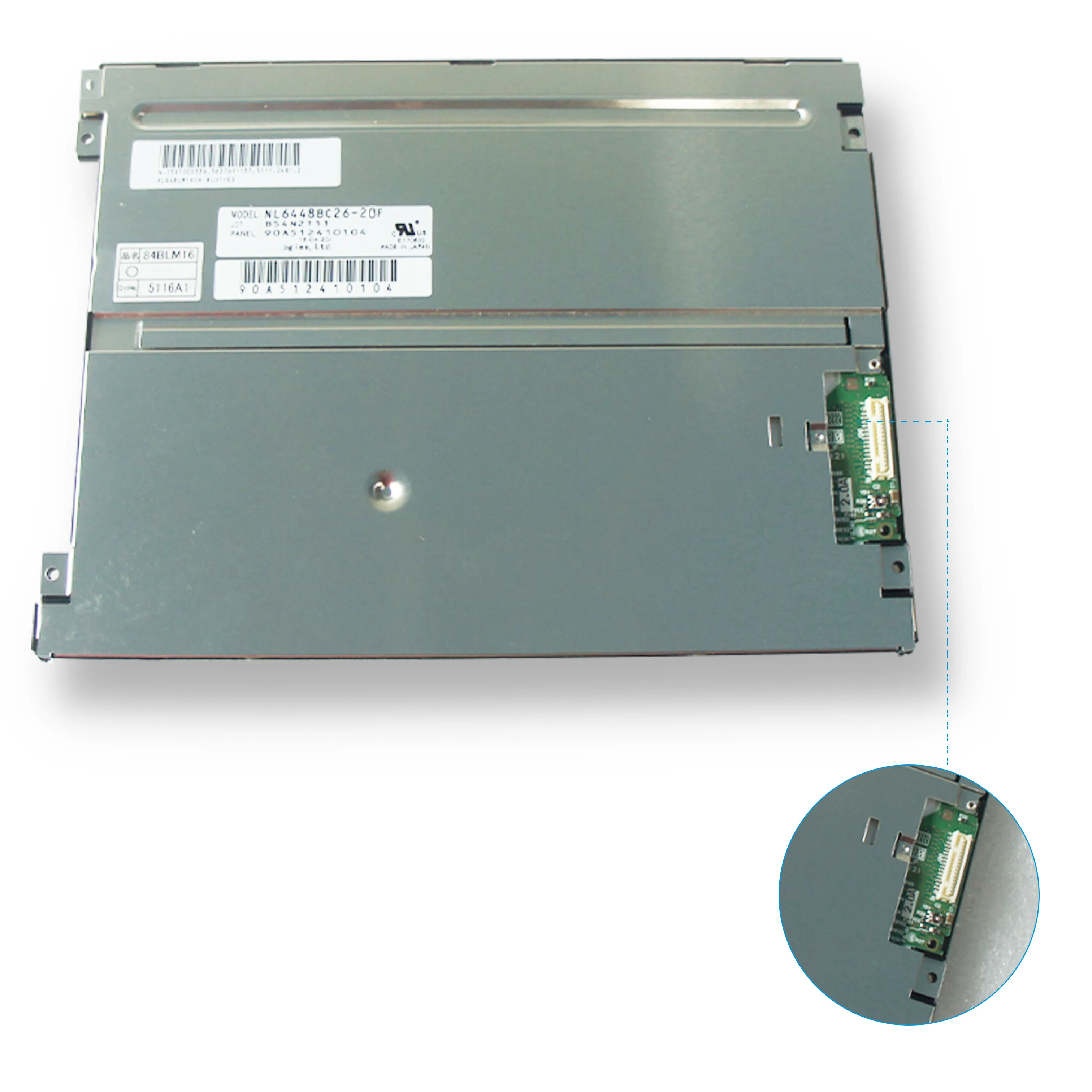

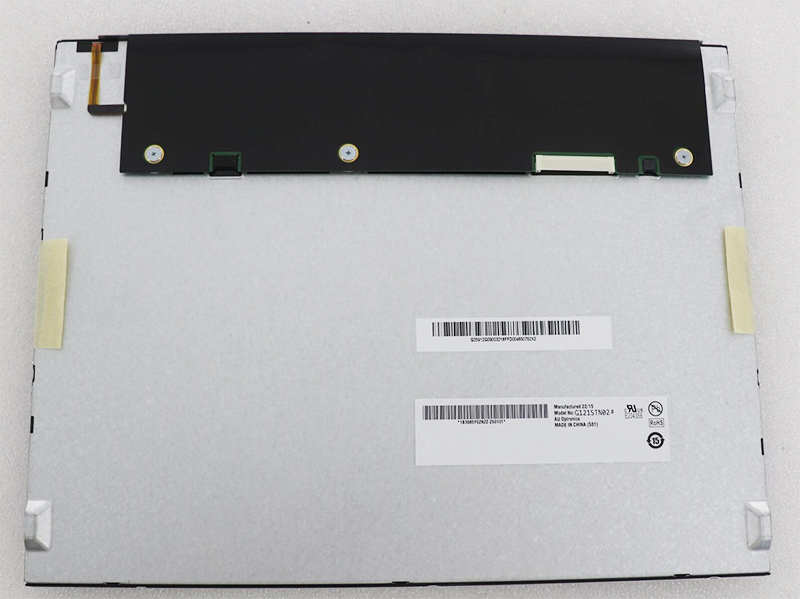
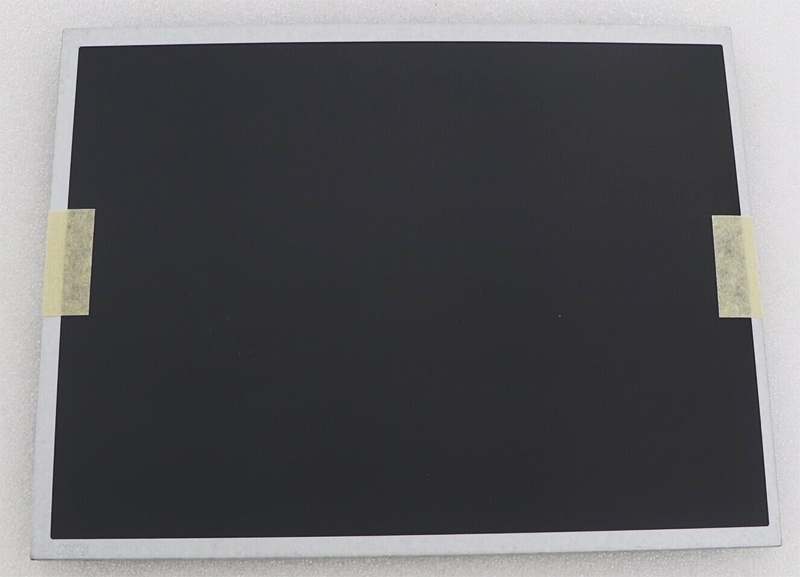
G121STN02.0 AUO 12.1 inch TFT-LCD screen 800*600 Display
In the intricate world of electronic components, where specifications dictate performance and compatibility, the G121STN02.0 emerges as a specialized and enduring solution. This 12.1-inch TFT-LCD module, manufactured by AUO (AU Optronics), is more than just a screen; it is a precisely engineered display interface designed for demanding industrial, medical, and embedded applications. With its 800 x 600 pixel SVGA resolution and a 4:3 aspect ratio, it represents a specific era of display technology that continues to be critically relevant in contexts where reliability trumps the latest consumer trends.
This article delves into a comprehensive technical and application-focused analysis of the G121STN02.0. We will move beyond basic datasheet parameters to explore its core technology, dissect its unique performance characteristics, and understand the electrical and mechanical ecosystem it operates within. Our exploration will clarify why this specific model remains a preferred choice in various professional sectors, examining its advantages, inherent limitations, and the crucial integration considerations for engineers and procurement specialists. The goal is to provide a definitive resource that connects technical specifications to real-world implementation value.
Core Technology and Physical Architecture
The G121STN02.0 is built upon a Twisted Nematic (TN) TFT-LCD panel. This mature technology is characterized by its fast response times and cost-effective manufacturing process. The "STN" in its nomenclature can sometimes cause confusion, but in AUO's lineup, it typically denotes a standard TFT panel. The module is a fully integrated system, comprising the LCD glass, driver ICs, a CCFL (Cold Cathode Fluorescent Lamp) backlight unit, and power supply circuitry, all housed within a rigid metal frame.
The physical architecture is designed for robustness. The 4:3 aspect ratio screen offers a viewable area of 246.0mm x 184.5mm, encapsulated in a compact form factor. The inclusion of a CCFL backlight, while less energy-efficient than modern LED solutions, provides a stable and uniform luminance source, crucial for environments where consistent display quality is paramount. The module's design emphasizes serviceability and integration, with clear mounting hole positions and connector placement, reflecting its industrial pedigree where longevity and repairability are key considerations.
Decoding the SVGA 800x600 Resolution
The 800 x 600 pixel SVGA resolution is a defining feature of this display. In an era dominated by Full HD and 4K, this specification requires contextual understanding. SVGA offers a pixel density of approximately 82 PPI (Pixels Per Inch), which is low by modern smartphone standards but highly functional for its intended purposes.
This resolution is particularly advantageous for legacy systems and specific human-machine interface (HMI) applications. It places less computational load on the controlling processor, which is vital for embedded systems where resources are optimized. The 4:3 aspect ratio is perfectly suited for displaying traditional software interfaces, diagnostic dashboards, and data entry screens without wasteful black bars or distorted graphics. It matches the native output of many older industrial PCs and single-board computers, ensuring sharp, pixel-perfect image reproduction without the need for complex scaling, thereby reducing latency and potential points of failure.
Electrical Interface and Signal Requirements
Successful integration of the G121STN02.0 hinges on a thorough understanding of its electrical interface. The module accepts standard LVDS (Low-Voltage Differential Signaling) input. Specifically, it uses a 1-channel, 18-bit (6-bit per color) or 16-bit (6-bit RGB with FRC) LVDS interface, which is detailed in its datasheet. This interface is robust against noise, making it suitable for electrically noisy industrial environments.
The power requirements are multifaceted. The logic and LCD drive typically require a +3.3V supply, while the CCFL backlight necessitates a high-voltage AC inverter, usually driven by a +5V or +12V input. This separation is critical for design. Engineers must account for both power rails and ensure the inverter is properly matched to the backlight's specifications to avoid flicker, premature backlight failure, or inadequate brightness. Furthermore, the control signals for power sequencing and display enable must be correctly implemented to ensure module longevity and prevent image retention or damage during power cycles.
Key Performance Parameters and Characteristics
Evaluating the G121STN02.0 involves analyzing its key performance metrics. Its brightness, typically around 300 nits (cd/m²), is sufficient for indoor industrial and medical use. The contrast ratio, a characteristic area for TN panels, is moderate, providing clear differentiation between lit and unlit areas for data display. The viewing angles are typical of TN technology: narrower, especially on the vertical axis, compared to IPS panels. This makes it ideal for applications where the screen is viewed directly from the front.
Response time is a strong suit. The fast pixel transition of the TN matrix ensures minimal motion blur, which can be beneficial for displaying rapidly updating numerical data or basic graphical animations in control systems. Color gamut coverage is adequate for its role, accurately representing information rather than aiming for photorealistic media consumption. Its operating temperature range is suitably wide for non-climate-controlled environments, underscoring its industrial design philosophy where consistent operation under varying conditions is a non-negotiable requirement.
Primary Application Sectors and Use Cases
The G121STN02.0 finds its niche in markets where reliability, long-term availability, and system compatibility outweigh the need for ultra-high resolution. A primary sector is industrial automation, where it serves as the display for PLC (Programmable Logic Controller) interfaces, factory machine HMIs, and test equipment. Its rugged build and stable performance under continuous operation make it a trusted component.
In the medical field, it is commonly used in diagnostic instruments, patient monitoring systems, and older ultrasound or dental equipment. The 4:3 ratio is often the native format for these devices' software. Furthermore, it appears in transportation (in-vehicle information systems for fleets), point-of-sale terminals, and specialized embedded systems. Its value is highest in products with long lifecycles, where a display change would necessitate a costly and complex redesign of the entire system's electronics and software.
Advantages, Limitations, and Sourcing Considerations
The advantages of the G121STN02.0 are clear: proven reliability, excellent system compatibility with legacy hardware, fast response times, and a cost-effective solution for refresh or repair projects. Its standardized form factor and interface simplify integration for engineers familiar with industrial displays.
Its limitations are equally important to acknowledge. The CCFL backlight has a finite lifespan, consumes more power, and is thicker than LED alternatives. The narrower viewing angles and moderate contrast may not suit all applications. Crucially, as a mature product, sourcing can be a challenge. While available through specialist distributors and on the surplus market, long-term supply for new projects may be uncertain, necessitating a "last-time buy" strategy or the identification of a modern, pin-compatible LED-backlit alternative for future-proofing.
FAQs: G121STN02.0 TFT-LCD Display
Q10: Can the CCFL backlight be replaced with an LED?A10: While not a simple drop-in replacement, third-party LED retrofit kits are sometimes available. However, this requires modification and should be done considering potential impacts on brightness uniformity and heat dissipation.
Conclusion
The AUO G121STN02.0 12.1-inch TFT-LCD module stands as a testament to a specific, enduring paradigm in display technology. It is not a cutting-edge consumer panel but a specialized industrial component whose value is measured in reliability, compatibility, and sustained performance under demanding conditions. Its 800x600 SVGA resolution and 4:3 aspect ratio are not shortcomings but defining features that align perfectly with a vast installed base of legacy industrial, medical, and embedded systems.
For engineers, integrators, and procurement professionals, understanding this display goes beyond memorizing specs. It involves appreciating its role within a larger system, from the electrical intricacies of its LVDS and CCFL requirements to the mechanical considerations of its integration. While its future for new designs is limited, its present importance in maintaining and servicing critical equipment worldwide is undeniable. The G121STN02.0 reminds us that in the professional world, the "best" technology is often the one that works dependably for decades, not just the one with the highest pixel count.