- Industrial LCD display
-
Industrial Products
- DC Servo Drive
- AC Servo Drive
- other
- Heidelberg
- FANUC
- IFM
- Meter
- CCD
- Membrane Keypad
- Film
- YOKOGAWA Module
- Card
- ABB
- MITSUBISHI
- FANUC
- KEYENCE
- BECKHOFF
- Honeywell
- HOLLYSYS
- FUJI servo drives
- HP
- solenoid valve
- thermostat
- Siemens adapter
- color oscilloscope
- Fujitsu connector
- CHELIC
- SMC
- CISCO Module
- INTEL
- Key board
- FAIRCHILD
- Motherboard
- Board
- Bearing
- other
- Control Panel
- Contactor
- Circuit
- OMRON
- Relay
- Controller
- Photoelectric Switch
- Photoelectric Sensor
- Original
- Fan
- Motor Driver
- Limit Switch
- Amplifier
- power supply
- LENZE
- Cable
- Encoder
- Sensor
- Transformer
- Fiber Optic Sensor
- Protection Relay
- Temperature Controller
- Proximity Switch
- Switch Sensor
- Siemens
- Industrial board
- HMI Touch Glass
-
HMI Full Machine Whole unit
- OMRON HMI Touch Panel
- Siemens HMI Touch Panel
- Mitsubishi HMI Touch Panel
- Allen-Bradley automation HMI Touch Panel
- DELTA HMI Touch Panel
- EVIEW DELTA HMI Touch Panel
- KINCO DELTA HMI Touch Panel
- HITECH HMI Touch Panel
- WEINTECK HMI Touch Panel
- TECVIEW HMI Touch Panel
- WEINVIEW HMI Touch Panel
- PRO-FACE HMI Touch Panel
- SIMATIC HMI Touch Panel
- AMPIRE HMI Touch Panel
- HEIDELBERG HMI Touch Panel
- PANASONIC HMI Touch Panel
- PATLITE HMI Touch Panel
- KYOCERA HMI Touch Panel
- KEYENCE HMI Touch Panel
- WEINVIEW HMI Touch Panel
- HITECH HMI Touch Panel
- FUJI HMI Touch Panel
- HAKKO HMI Touch Panel
- SCHNEIDER HMI Touch Panel
- SAMKOON touch panel
- other
- Module
- lcd inverter
- Membrane Keypad Switch
- Winni Touch Screens
- Frequency Inverter
- Servo Motor
- PLC


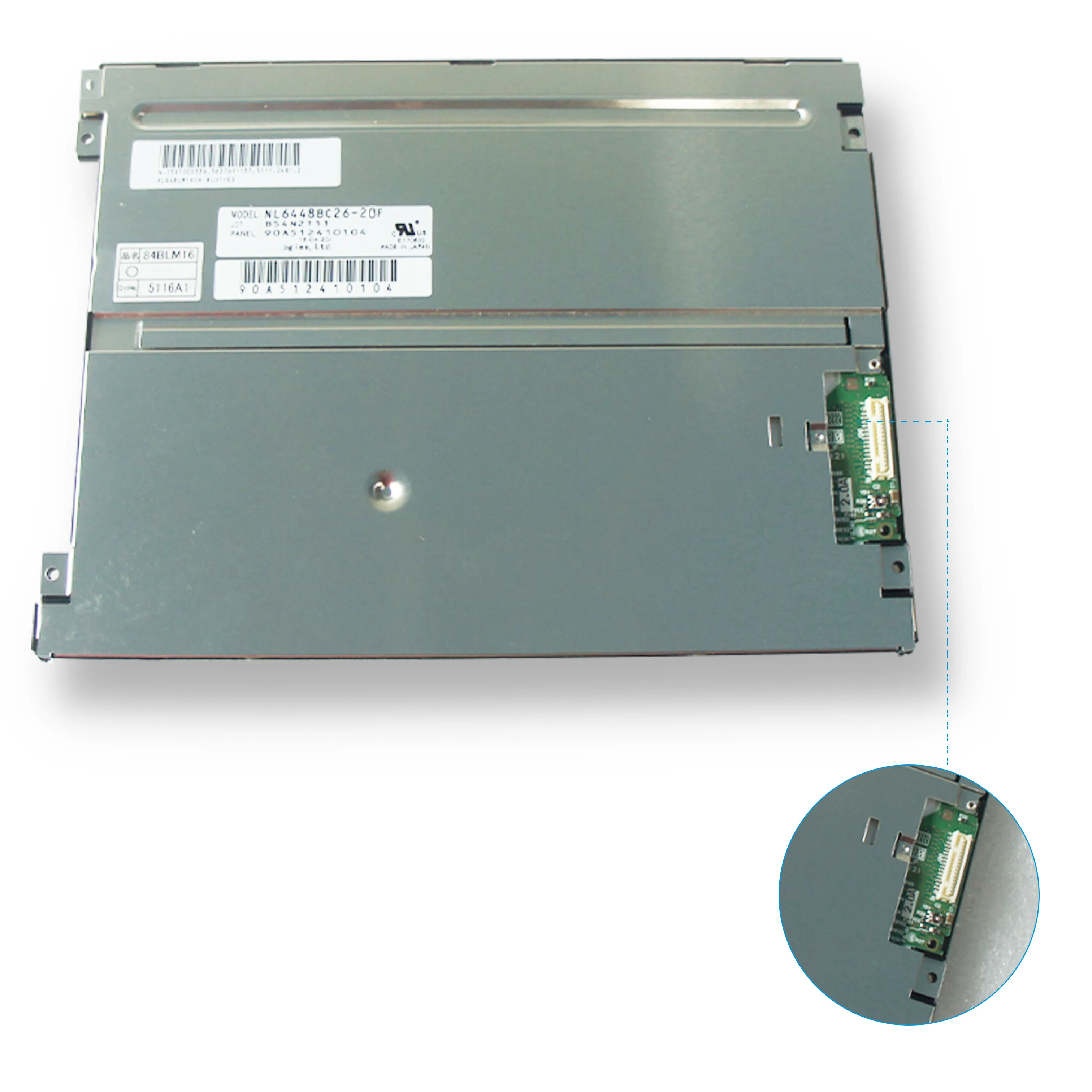


G121UAN01.0 AUO 12.1 inch TFT-LCD screen 1920*1200 Display
In the intricate world of electronic components, the display often serves as the critical bridge between digital data and human perception. For engineers, product designers, and procurement specialists, selecting the right TFT-LCD module is a decision that profoundly impacts the final product's usability, performance, and market success. This article delves into a detailed examination of a specific, high-performance display module: the G121UAN01.0 from AUO (AU Optronics).
Our focus will be on unpacking the technical significance and practical applications of this 12.1-inch screen boasting a sharp 1920x1200 (WUXGA) resolution. Beyond mere specifications, we will explore its underlying technology, the advantages it confers in demanding environments, and the key considerations for integration. This deep dive aims to provide a comprehensive resource for professionals seeking to understand why this particular display module stands out in a crowded field and how it can be leveraged to create superior visual interfaces.
Decoding the G121UAN01.0: A Specification Breakdown
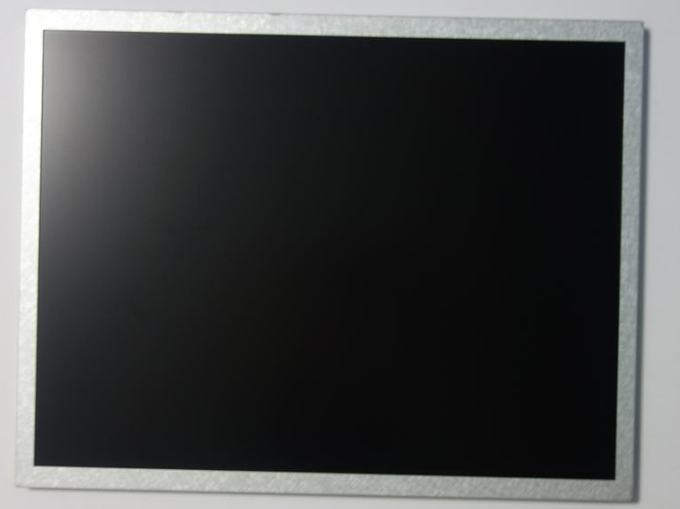
The AUO G121UAN01.0 is a 12.1-inch diagonal TFT-LCD module built on an a-Si (amorphous Silicon) thin-film transistor process. Its most prominent feature is its 1920 x 1200 pixel native resolution, achieving a WUXGA (Widescreen Ultra Extended Graphics Array) aspect ratio of 16:10. This offers a pixel density of approximately 187 PPI, resulting in exceptionally crisp and detailed imagery suitable for displaying complex data or high-fidelity graphics.
Further analysis of its datasheet reveals a standard brightness of 1000 nits (cd/m²), making it readable in high-ambient light conditions. It utilizes a White LED backlight system, typically offering a long lifespan and stable color performance. The interface is a critical factor for integration; this module commonly features LVDS (Low-Voltage Differential Signaling) or eDP (embedded DisplayPort) interfaces, which are standard for reliable, high-speed data transmission from the host controller to the panel, minimizing noise and signal integrity issues.
The 16:10 WUXGA Advantage: Beyond Resolution Numbers
While Full HD (1920x1080) is commonplace, the 1920x1200 (WUXGA) resolution of the G121UAN01.0 provides a distinct functional benefit due to its 16:10 aspect ratio. Compared to the wider 16:9 format, 16:10 offers more vertical screen real estate. This is not a trivial difference; it translates directly to enhanced productivity and usability in professional and industrial contexts.
Users can view more lines of code, longer document pages, additional spreadsheet rows, or a larger segment of a schematic diagram without excessive scrolling. This vertical space reduces visual fatigue and streamlines workflow. In applications like medical diagnostic imaging, control room monitoring, or advanced test equipment, this extra vertical resolution allows for the simultaneous display of critical data streams, menus, or toolbars alongside the primary visual content, creating a more efficient and ergonomic user interface.
Core Technologies: TFT-LCD, AAS, and Optical Performance
The visual quality of the G121UAN01.0 is governed by several key technologies. At its heart is the TFT-LCD (Thin-Film Transistor Liquid Crystal Display) active matrix, where each pixel is controlled by its own transistor, enabling fast response and precise control. Many of AUO's panels, including likely variants of this model, incorporate AAS (Advanced Axial Symmetry) or similar proprietary pixel enhancement technologies.
AAS technology is designed to improve the viewing angle performance—a crucial parameter for displays that may be viewed from off-center positions. It optimizes the liquid crystal alignment and electrode structure to maintain color consistency, contrast, and gamma curve accuracy across wider horizontal and vertical viewing angles, often exceeding 80/80/80/80 (Left/Right/Up/Down). This ensures that the displayed information remains accurate and legible from various vantage points, which is essential in multi-operator environments or devices with adjustable screens.
Application Landscape: Where This Display Excels
The combination of high resolution, robust brightness, and likely wide viewing angles positions the G121UAN01.0 for demanding professional and industrial applications. It is not a consumer-grade panel but a solution for mission-critical visual interfaces.
Primary application domains include: Industrial Human-Machine Interfaces (HMIs) for factory automation and process control; Medical Monitoring Equipment such as patient vital signs displays and diagnostic devices, where clarity and reliability are paramount; Transportation Systems in dashboards for marine, aviation, or heavy machinery; and High-End Test & Measurement Instruments. In these settings, the display must perform consistently under variable lighting, over long operational hours, and often within stringent temperature and reliability specifications, for which this module is engineered.
Critical Integration Considerations for Engineers
Specifying the G121UAN01.0 is the first step; successful integration is the next. Design engineers must address several practical factors. Power Sequencing is vital; the panel, backlight driver, and controller must power up/down in a specific order to prevent damage. Signal Integrity for the LVDS/eDP interface requires careful PCB layout with controlled impedance differential pairs and proper grounding to avoid visual artifacts.
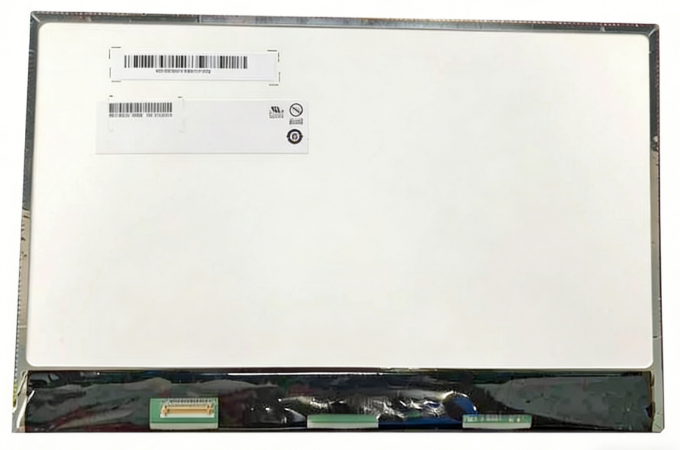
Mechanical Integration involves adhering to precise outline dimensions, bezel clearances, and mounting hole patterns from the datasheet. The thermal management of the LED backlight and drive electronics must be planned to ensure longevity and prevent brightness dimming. Furthermore, sourcing a compatible LCD controller board that matches the panel's interface, resolution, and timing requirements is an essential component of the integration project.
Sourcing, Alternatives, and Lifecycle Management
For procurement teams, understanding the supply chain is key. The G121UAN01.0 is a specific panel model from AUO, typically available through authorized distributors or specialized display module suppliers. It's crucial to verify authenticity and revision status, as minor revisions can impact compatibility. Given the rapid evolution of display tech, lifecycle status should be checked—whether it's in active production, nearing end-of-life, or already obsolete—to mitigate project risk.
Evaluating alternative panels is also prudent. Comparable displays from manufacturers like Innolux, BOE, or Sharp might offer similar 12.1-inch WUXGA specifications. The evaluation must go beyond basic specs to compare viewing angle technology (AAS vs. others), exact brightness, contrast ratio, operating temperature range, and mechanical footprint. This due diligence ensures the selected display is the optimal balance of performance, availability, and cost for the product's lifecycle.
FAQs: G121UAN01.0 AUO 12.1" WUXGA Display
Q10: What are key factors when considering an alternative panel?A10: Compare not just size/resolution, but also viewing angle tech, brightness, contrast, interface, mechanical dimensions, operating temperature range, and lifecycle status.
Conclusion
The AUO G121UAN01.0 12.1-inch WUXGA TFT-LCD module represents a specialized solution engineered for clarity, reliability, and performance in professional environments. Its 1920x1200 resolution with a 16:10 aspect ratio delivers tangible usability benefits, while underlying technologies like AAS ensure consistent visual performance across wide viewing angles.
Successful implementation of such a component requires a holistic understanding that extends from appreciating its technical advantages in specific applications to navigating the practical challenges of integration and supply chain management. For designers aiming to build superior human-machine interfaces, a deep dive into modules like the G121UAN01.0 is not merely about selecting a screen—it's about making a strategic decision that defines the quality and capability of the end product's most critical point of interaction with the user.