- Industrial LCD display
-
Industrial Products
- DC Servo Drive
- AC Servo Drive
- other
- Heidelberg
- FANUC
- IFM
- Meter
- CCD
- Membrane Keypad
- Film
- YOKOGAWA Module
- Card
- ABB
- MITSUBISHI
- FANUC
- KEYENCE
- BECKHOFF
- Honeywell
- HOLLYSYS
- FUJI servo drives
- HP
- solenoid valve
- thermostat
- Siemens adapter
- color oscilloscope
- Fujitsu connector
- CHELIC
- SMC
- CISCO Module
- INTEL
- Key board
- FAIRCHILD
- Motherboard
- Board
- Bearing
- other
- Control Panel
- Contactor
- Circuit
- OMRON
- Relay
- Controller
- Photoelectric Switch
- Photoelectric Sensor
- Original
- Fan
- Motor Driver
- Limit Switch
- Amplifier
- power supply
- LENZE
- Cable
- Encoder
- Sensor
- Transformer
- Fiber Optic Sensor
- Protection Relay
- Temperature Controller
- Proximity Switch
- Switch Sensor
- Siemens
- Industrial board
- HMI Touch Glass
-
HMI Full Machine Whole unit
- OMRON HMI Touch Panel
- Siemens HMI Touch Panel
- Mitsubishi HMI Touch Panel
- Allen-Bradley automation HMI Touch Panel
- DELTA HMI Touch Panel
- EVIEW DELTA HMI Touch Panel
- KINCO DELTA HMI Touch Panel
- HITECH HMI Touch Panel
- WEINTECK HMI Touch Panel
- TECVIEW HMI Touch Panel
- WEINVIEW HMI Touch Panel
- PRO-FACE HMI Touch Panel
- SIMATIC HMI Touch Panel
- AMPIRE HMI Touch Panel
- HEIDELBERG HMI Touch Panel
- PANASONIC HMI Touch Panel
- PATLITE HMI Touch Panel
- KYOCERA HMI Touch Panel
- KEYENCE HMI Touch Panel
- WEINVIEW HMI Touch Panel
- HITECH HMI Touch Panel
- FUJI HMI Touch Panel
- HAKKO HMI Touch Panel
- SCHNEIDER HMI Touch Panel
- SAMKOON touch panel
- other
- Module
- lcd inverter
- Membrane Keypad Switch
- Winni Touch Screens
- Frequency Inverter
- Servo Motor
- PLC


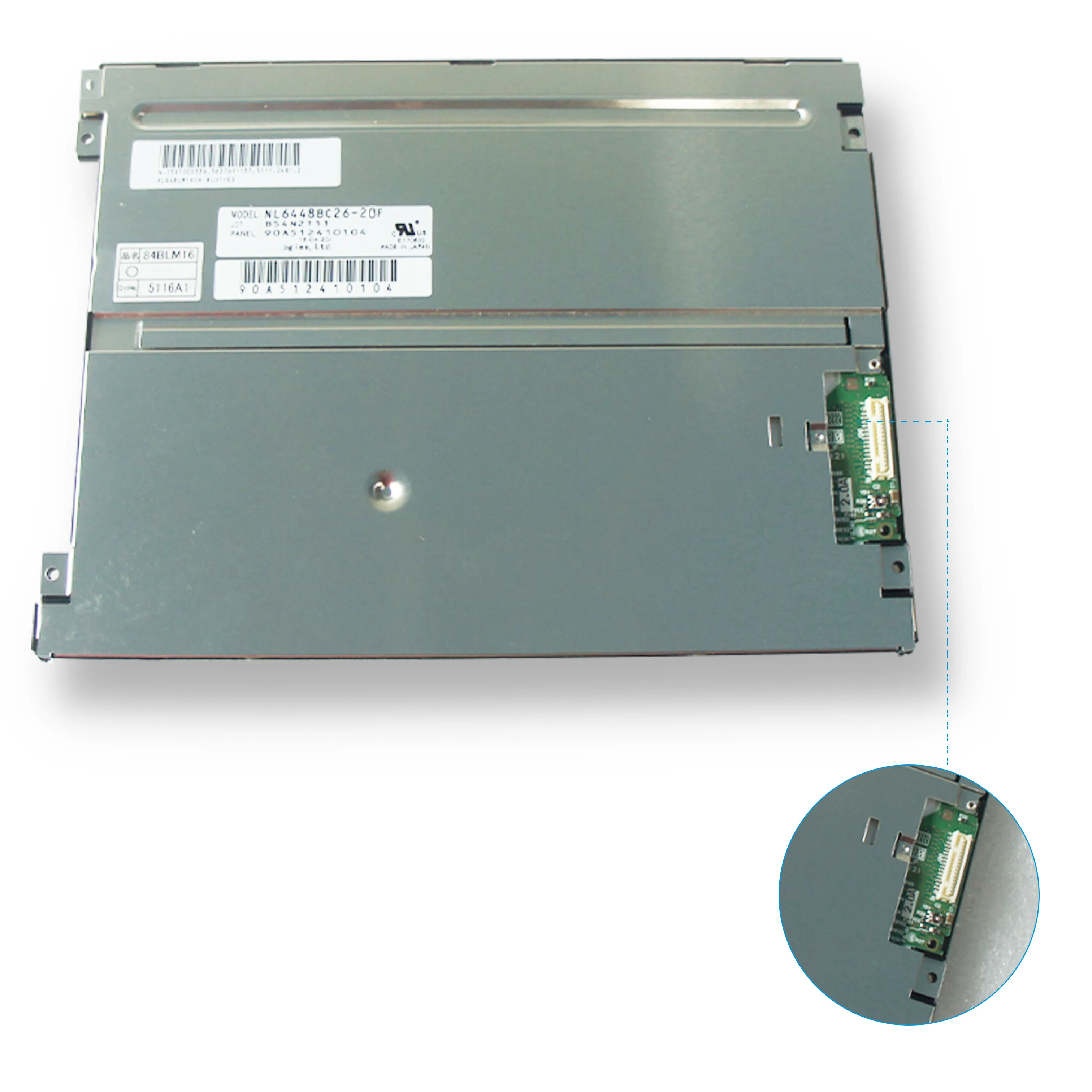


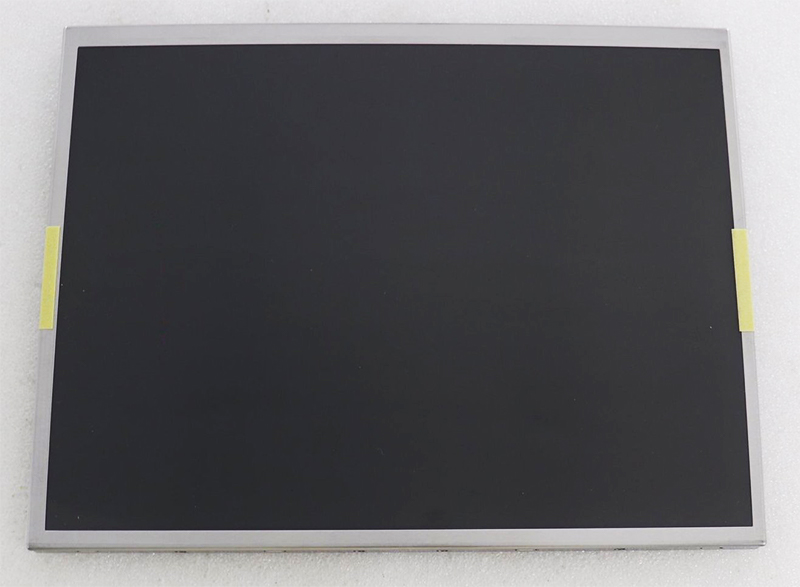
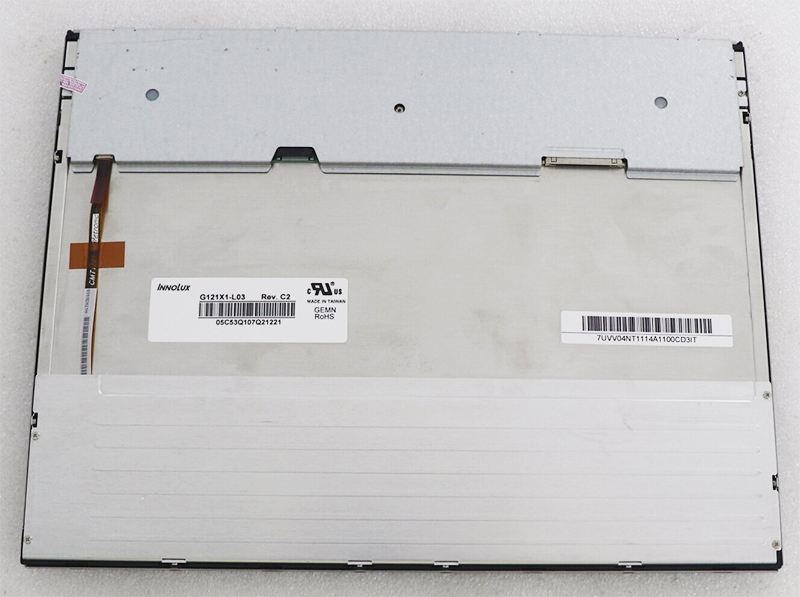
G121X1-L03 12.1 inch 1024*768 CHIMEI LCD panel original
In the intricate world of electronic components and display technologies, the precise specifications of a single panel can dictate the success of an entire product line. The G121X1-L03 12.1-inch LCD panel from CHIMEI Innolux stands as a quintessential example of a mature, reliable, and purpose-driven display solution. This article delves deep into this specific model, moving beyond basic datasheet parameters to explore its enduring relevance in a market saturated with higher-resolution options.
Our exploration will uncover the technical DNA of the G121X1-L03, examining why its 1024 x 768 (XGA) resolution remains a strategic choice for industrial and embedded applications. We will analyze its optical performance, mechanical design, and interface logic, providing a comprehensive understanding of its strengths and ideal use cases. Furthermore, we will address critical considerations for system integrators, from compatibility and sourcing to lifecycle management, offering a practical guide for professionals who rely on proven component stability.
Decoding the G121X1-L03: A Legacy of Reliability
The CHIMEI Innolux G121X1-L03 is a 12.1-inch diagonal Liquid Crystal Display panel featuring an XGA (1024 x 768 pixels) resolution. This 4:3 aspect ratio format, once the standard for desktop computing, has found a lasting home in industrial, medical, and point-of-sale systems. The panel utilizes a Twisted Nematic (TN) technology with a normally white optical mode, offering a cost-effective solution with fast response times suitable for many control and monitoring applications.
Its longevity in the market is not an accident. It is built to meet the rigorous demands of continuous operation in controlled environments. Unlike consumer-grade panels designed for frequent replacement, the G121X1-L03 is engineered for integration into systems with lifespans measured in years or even decades. This commitment to durability forms the cornerstone of its value proposition, making it a "go-to" component for engineers seeking to minimize risk in product design.
The Strategic Advantage of XGA Resolution
In an era of 4K and beyond, the 1024x768 specification might seem archaic. However, for specific vertical markets, it provides distinct advantages. Lower resolution translates directly to lower processing overhead. The embedded systems or single-board computers (SBCs) that drive these displays often have limited graphical processing power. An XGA signal is less demanding, ensuring smooth, reliable performance without requiring expensive, high-performance processors.
Furthermore, this resolution aligns perfectly with legacy software interfaces and modern HMI (Human-Machine Interface) designs for industrial control. Many SCADA and MES applications are designed for this aspect ratio and pixel count. Choosing a panel like the G121X1-L03 ensures perfect pixel mapping, avoiding the blurring or scaling artifacts that can occur when forcing a legacy interface onto a widescreen HD panel. It’s a choice driven by system compatibility and functional efficiency, not mere pixel density.
Optical and Performance Characteristics
The G121X1-L03 delivers performance tailored for readability and stability. It typically offers a brightness level of 300 nits or higher, sufficient for indoor use under normal office or factory lighting. The contrast ratio, while not matching modern IPS panels, is adequate for displaying text, data, and schematic interfaces clearly. Its viewing angles are characteristic of TN technology: narrower, particularly on the vertical axis, which is often acceptable for fixed-position, front-facing installations.
A key specification is its wide operating temperature range, often spanning from -20°C to 70°C. This robustness is critical for applications in unregulated environments like factory floors, transportation, or outdoor kiosks (with proper sunlight readability enhancement). The backlight, usually CCFL (Cold Cathode Fluorescent Lamp) in standard versions, provides a uniform white field and a long operational life, contributing to the panel's overall reliability.
Mechanical Design and Interface Integration
Integration is a critical phase, and the G121X1-L03 is designed with this in mind. It features a standard LVDS (Low-Voltage Differential Signaling) interface, the long-standing workhorse for panel connectivity due to its noise immunity and reliability. The pinout and power requirements are well-documented, allowing engineers to design compatible controller boards with confidence.
Mechanically, the panel is supplied as a "bare glass" module. This includes the LCD matrix, backlight unit, and driver electronics, but excludes the external metal frame or bezel. This gives system integrators the flexibility to design a custom enclosure that meets specific IP (Ingress Protection) ratings or form-factor requirements. Understanding the precise dimensions, mounting hole locations, and connector placement is essential for a seamless mechanical fit within the end product.
Sourcing and Lifecycle Considerations
Procuring a component like the G121X1-L03 requires a strategic approach. As an original CHIMEI Innolux panel, it is available through authorized distributors and specialized brokers in the electronic components market. Due to its maturity, it may be in a sustained production phase or managed under end-of-life (EOL) policies. Verifying the manufacturing lot code and certificate of authenticity is paramount to avoid counterfeit parts, which can suffer from poor reliability and shortened lifespan.
For long-term projects, engaging in a LTB (Last Time Buy) agreement or securing a lifetime buy of necessary units is a common risk mitigation strategy. Alternatively, identifying and qualifying a pin-to-pin compatible alternative from another manufacturer before a supply crisis is a responsible engineering practice. This proactive lifecycle management ensures product manufacturability for years to come.
Ideal Application Scenarios
The G121X1-L03 excels in environments where consistency trumps cutting-edge specs. Its primary domains include:
Industrial Human-Machine Interfaces (HMIs): For PLC control systems, factory automation, and test equipment.
Medical Monitoring Devices: In patient bedside monitors or diagnostic equipment where reliability is non-negotiable.
Point-of-Sale (POS) and Kiosk Systems: For menu boards, self-checkout stations, and information terminals.
Transportation and Avionics: In auxiliary displays for ground support equipment or non-critical cabin systems.
Legacy Equipment Service and Repair: As a direct replacement for failed displays in existing fielded systems.
In these scenarios, the panel is valued as a dependable subsystem that performs a specific function without fail, enabling the larger machine to fulfill its purpose.
Frequently Asked Questions (FAQs)
Q10: Where can I find the technical datasheet?A10: The official datasheet should be sourced from CHIMEI Innolux's website or through authorized distributors. Reliable component sourcing platforms often provide datasheets for verified parts.
Conclusion
The CHIMEI Innolux G121X1-L03 12.1-inch XGA LCD panel exemplifies the principle that in engineering, the optimal component is not always the newest or highest-performing, but the most fit-for-purpose. Its enduring value lies in its proven reliability, straightforward integration, and perfect suitability for a wide range of industrial and embedded applications where system stability and long-term support are paramount.
For designers and procurement specialists, understanding this panel's technical nuances, lifecycle status, and ideal application landscape is crucial. It represents a strategic choice that prioritizes operational certainty over technological novelty. In a world racing toward higher resolutions and faster refresh rates, the G121X1-L03 stands as a steadfast reminder that for mission-critical displays, dependability is the ultimate specification.