- Industrial LCD display
-
Industrial Products
- DC Servo Drive
- AC Servo Drive
- other
- Heidelberg
- FANUC
- IFM
- Meter
- CCD
- Membrane Keypad
- Film
- YOKOGAWA Module
- Card
- ABB
- MITSUBISHI
- FANUC
- KEYENCE
- BECKHOFF
- Honeywell
- HOLLYSYS
- FUJI servo drives
- HP
- solenoid valve
- thermostat
- Siemens adapter
- color oscilloscope
- Fujitsu connector
- CHELIC
- SMC
- CISCO Module
- INTEL
- Key board
- FAIRCHILD
- Motherboard
- Board
- Bearing
- other
- Control Panel
- Contactor
- Circuit
- OMRON
- Relay
- Controller
- Photoelectric Switch
- Photoelectric Sensor
- Original
- Fan
- Motor Driver
- Limit Switch
- Amplifier
- power supply
- LENZE
- Cable
- Encoder
- Sensor
- Transformer
- Fiber Optic Sensor
- Protection Relay
- Temperature Controller
- Proximity Switch
- Switch Sensor
- Siemens
- Industrial board
- HMI Touch Glass
-
HMI Full Machine Whole unit
- OMRON HMI Touch Panel
- Siemens HMI Touch Panel
- Mitsubishi HMI Touch Panel
- Allen-Bradley automation HMI Touch Panel
- DELTA HMI Touch Panel
- EVIEW DELTA HMI Touch Panel
- KINCO DELTA HMI Touch Panel
- HITECH HMI Touch Panel
- WEINTECK HMI Touch Panel
- TECVIEW HMI Touch Panel
- WEINVIEW HMI Touch Panel
- PRO-FACE HMI Touch Panel
- SIMATIC HMI Touch Panel
- AMPIRE HMI Touch Panel
- HEIDELBERG HMI Touch Panel
- PANASONIC HMI Touch Panel
- PATLITE HMI Touch Panel
- KYOCERA HMI Touch Panel
- KEYENCE HMI Touch Panel
- WEINVIEW HMI Touch Panel
- HITECH HMI Touch Panel
- FUJI HMI Touch Panel
- HAKKO HMI Touch Panel
- SCHNEIDER HMI Touch Panel
- SAMKOON touch panel
- other
- Module
- lcd inverter
- Membrane Keypad Switch
- Winni Touch Screens
- Frequency Inverter
- Servo Motor
- PLC


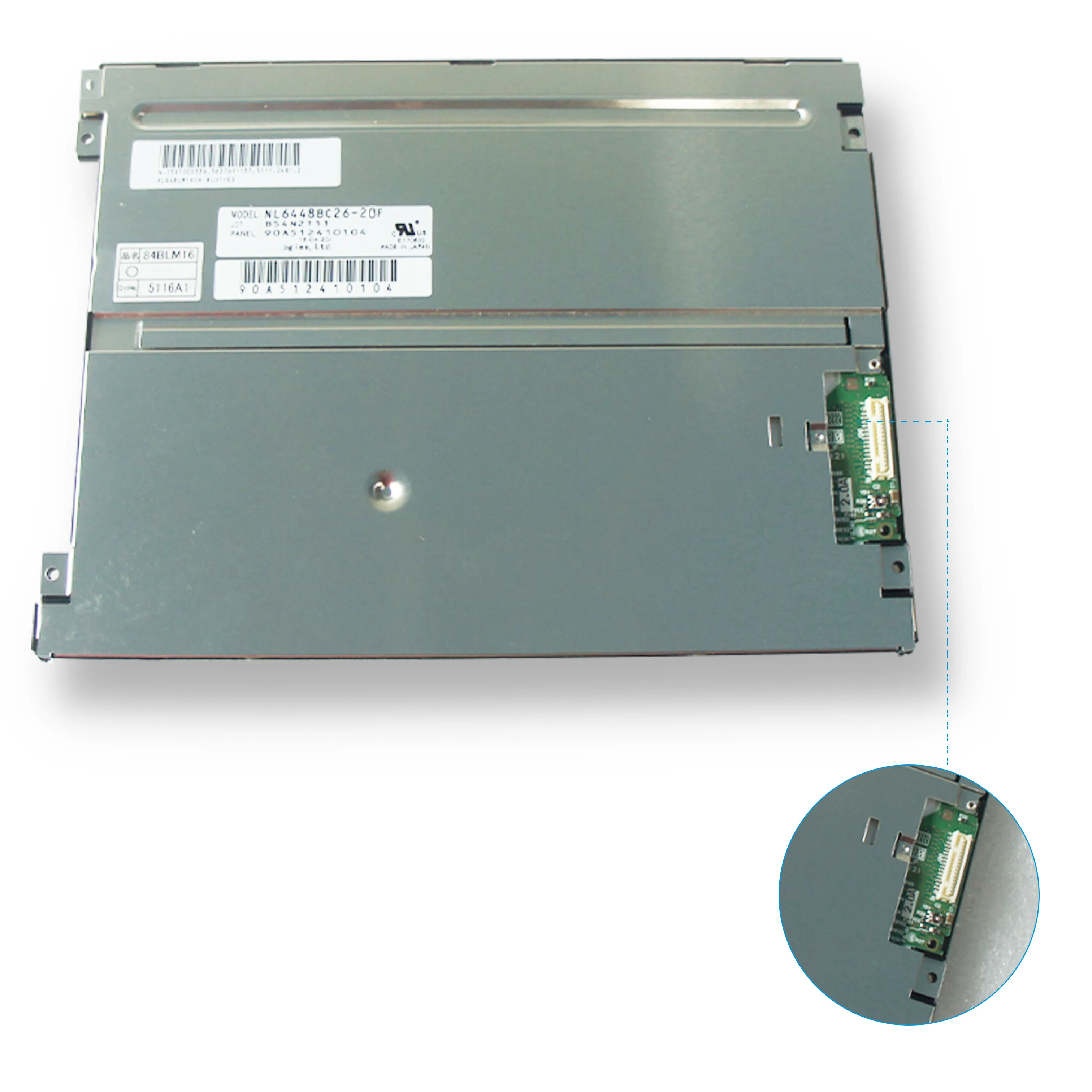

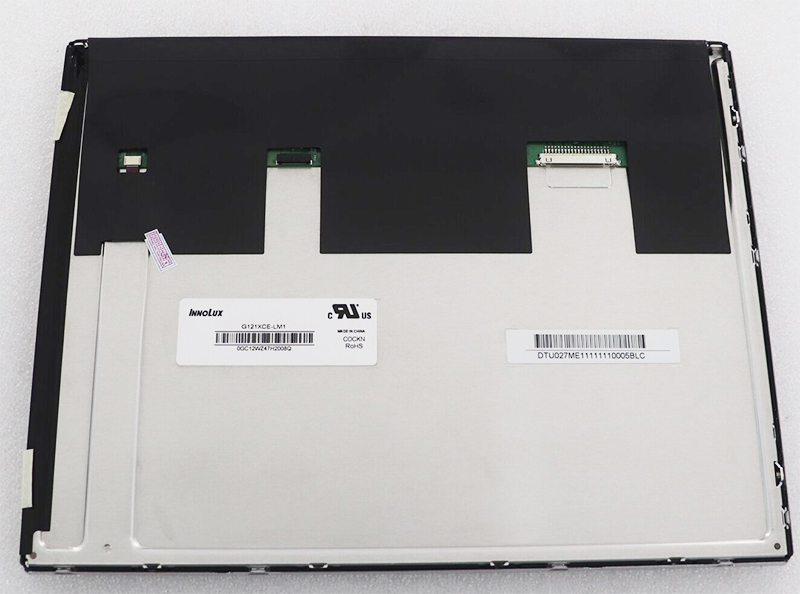
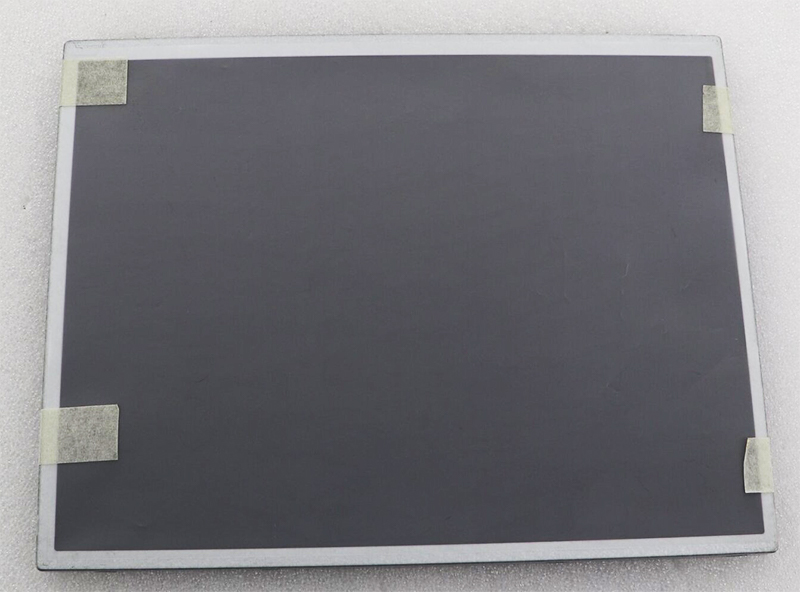
G121XCE-LM1 Innolux 12.1inch TFT-LCD screen 1024*768 Display
In the intricate ecosystem of industrial and embedded systems, the display panel is far more than a simple output window; it is the critical human-machine interface where data transforms into actionable insight. Among the specialized components that power this vital function, the G121XCE-LM1 from Innolux stands out as a purpose-built solution. This 12.1-inch TFT-LCD module, with its 1024 x 768 (XGA) resolution, represents a mature yet persistently relevant standard in a market increasingly dominated by higher pixel densities.
This article delves beyond the basic datasheet to explore the G121XCE-LM1's enduring value proposition. We will dissect its core technical architecture, examine the specific advantages of its XGA format in professional contexts, and analyze the robust physical and environmental characteristics that define its true application domain. For engineers, procurement specialists, and system integrators, understanding the nuanced strengths of this panel is key to making informed decisions for demanding, long-lifecycle projects where reliability and clarity are paramount.
Deconstructing the G121XCE-LM1: Core Architecture and Specifications
The Innolux G121XCE-LM1 is built around a 12.1-inch diagonal TFT-LCD (Thin-Film Transistor Liquid Crystal Display) active matrix. Its native resolution of 1024 horizontal by 768 vertical pixels defines it as an XGA (Extended Graphics Array) panel. This 4:3 aspect ratio is a hallmark of its design lineage, offering a squarer viewing area compared to modern widescreens. The module utilizes a standard RGB stripe pixel arrangement and typically employs LVDS (Low-Voltage Differential Signaling) interfaces, ensuring robust, low-noise data transmission from the controller board.
Key performance parameters include a brightness output in the range of 300-400 nits, providing adequate visibility in most indoor industrial settings. It offers a standard contrast ratio and color depth sufficient for displaying complex graphical user interfaces, schematics, and diagnostic data without requiring full photographic color gamut. The backlight unit, often CCFL (Cold Cathode Fluorescent Lamp) based in this class, is engineered for long operational life, a critical factor for systems intended to run continuously for years.
The Strategic Advantage of XGA Resolution in Professional Applications
While 1080p and higher resolutions are commonplace in consumer electronics, the 1024x768 (XGA) standard of the G121XCE-LM1 holds distinct strategic advantages in specialized fields. The 4:3 aspect ratio provides more vertical screen real estate compared to a widescreen format of the same diagonal size. This vertical space is invaluable for displaying long lists, vertical scrolls of code, multi-row data tables, or portrait-oriented documents without excessive compression.
Furthermore, XGA resolution strikes an optimal balance between information density and system resource allocation. It demands less from the system's graphical processing unit (GPU) and requires lower bandwidth for video transmission compared to higher-resolution displays. This translates to lower power consumption, reduced heat generation, and compatibility with legacy or cost-sensitive control hardware. For applications where the display must show clear, legible text and functional graphics rather than ultra-high-definition video, XGA remains a perfectly rational and efficient choice.
Built for Endurance: Ruggedness and Environmental Specifications
The true domain of the G121XCE-LM1 is not the consumer desktop but challenging operational environments. Its specifications are tailored for ruggedness and long-term reliability. The module is designed to withstand extended temperature ranges, often operating reliably from -20°C to 70°C or similar, making it suitable for unheated industrial warehouses or sun-exposed outdoor kiosks (with proper sealing).
It typically features a robust mechanical construction with a solid metal frame, providing resistance to vibration and shock—common occurrences in manufacturing, transportation, and field service equipment. The surface of the screen often incorporates anti-glare treatment to diffuse ambient light and maintain readability under bright lighting. This focus on environmental durability ensures that the display can perform consistently where standard commercial monitors would quickly fail, minimizing downtime and maintenance costs.
Typical Application Scenarios and Integration Contexts
The specific combination of size, resolution, and ruggedness makes the G121XCE-LM1 a preferred component in several key verticals. In industrial automation, it serves as the primary interface for PLC (Programmable Logic Controller) systems, CNC machine controls, and factory floor HMI (Human-Machine Interface) stations. The clear display of control parameters, alarm statuses, and production data is crucial.
Within the medical equipment sector, this panel can be found in diagnostic devices, patient monitoring systems, and certain laboratory instruments, where reliability and clarity of readouts are non-negotiable. Additionally, it is widely used in point-of-sale (POS) systems, kiosks for information or ticketing, and transportation vehicle consoles. Its format is also compatible with legacy military and aerospace systems designed around the XGA standard, facilitating direct replacements and upgrades.
Critical Considerations for System Integration and Sourcing
Successfully integrating the G121XCE-LM1 into a product requires attention to several technical details. Engineers must verify the exact interface protocol (e.g., single or dual-channel LVDS), pinout, and voltage requirements to design a compatible controller board. The physical integration must account for the module's bezel dimensions, mounting hole patterns, and connector placement.
Thermal management is also vital; ensuring adequate heat dissipation from the backlight and drive electronics prolongs lifespan. From a sourcing perspective, as a mature product, it is essential to partner with reputable distributors who can guarantee authentic Innolux panels and provide long-term availability forecasts. Understanding the supply chain and securing access to compatible replacement parts, like backlights, is crucial for the total lifecycle support of the end-product.
The Future Landscape: Niche Sustenance in an Evolving Market
The display industry relentlessly marches toward higher resolutions, wider aspect ratios, and advanced technologies like OLED. In this context, panels like the G121XCE-LM1 occupy a vital and sustained niche. Their future is not defined by obsolescence but by continued demand in sectors where product lifecycles are measured in decades, not years. Retooling an entire fleet of industrial machines or aircraft cockpits for a new display standard is prohibitively expensive and complex.
Therefore, the market for such industrial-grade XGA panels will persist, supported by manufacturers and specialists who cater to the maintenance, repair, and overhaul (MRO) sector. Innovations may come in the form of LED backlight retrofits for improved efficiency or drop-in compatible modules with modern interfaces, but the core form factor and resolution will remain relevant for a significant installed base, ensuring the G121XCE-LM1's role for years to come.
FAQs: G121XCE-LM1 12.1-inch XGA Display
Q10: Why choose this over a cheaper consumer monitor?A10: Industrial panels like the G121XCE-LM1 offer rugged construction, wide temperature tolerance, long-term availability, and reliability—features consumer-grade monitors lack.
Conclusion
The Innolux G121XCE-LM1 12.1-inch XGA display exemplifies how a technically "mature" component can maintain critical importance in the technology landscape. Its value is not rooted in chasing the highest pixel count, but in delivering a robust, reliable, and perfectly adequate visual solution for environments where failure is not an option. The combination of its 4:3 XGA format, industrial-grade construction, and proven technology stack makes it an engineering-optimal choice for a wide array of professional applications.
For system designers and specifiers, the key takeaway is to match the display technology to the actual demands of the application. In contexts defined by longevity, environmental challenge, and functional clarity, the G121XCE-LM1 and its ilk continue to offer a compelling, cost-effective, and dependable solution that more advanced, but less rugged, consumer technologies cannot reliably replace.