- Industrie-LCD-Display
-
Industrial Products
- DC Servo Drive
- AC Servo Drive
- other
- Heidelberg
- FANUC
- IFM
- Meter
- CCD
- Membrane Keypad
- Film
- YOKOGAWA
- Card
- ABB
- MITSUBISHI
- FANUC
- KEYENCE
- BECKHOFF
- Honeywell
- HOLLYSYS
- FUJI servo drives
- HP
- solenoid valve
- thermostat
- Siemens adapter
- color oscilloscope
- Fujitsu connector
- CHELIC
- SMC
- CISCO
- INTEL
- Key board
- FAIRCHILD
- Der Aufsichtsrat
- Board
- Bearing
- other
- Control Panel
- Contactor
- Circuit
- Omron
- Relais.
- Der controller
- Optoelektronische schalter
- Optoelektronische sensoren
- Original
- Fan
- Motortreiber
- Endschalter
- Verstärker
- power supply
- LENZE
- Cable
- Encoder
- Sensor
- Transformator
- Fiber Optic Sensor
- Schutzrelais
- Temperaturregler
- Näherungsschalter
- Switch Sensor
- Siemens
- PCB
- HMI Touch-Glas
-
HMI-Vollautomat Ganze Einheit
- OMRON HMI Touch Panel
- Siemens HMI Touch Panel
- Mitsubishi HMI Touch Panel
- Allen-Bradley Automatisierung HMI Touch
- DELTA HMI Touch Panel
- EVIEW DELTA HMI Touch Panel
- KINCO DELTA HMI Touch Panel
- HITECH HMI Touch Panel
- WEINTECK HMI Touch Panel
- TECVIEW HMI Touch Panel
- WEINVIEW HMI Touch Panel
- PRO-FACE HMI Touch Panel
- SIMATIC HMI Touch Panel
- AMPIRE HMI Touch Panel
- HEIDELBERG HMI Touch Panel
- PANASONIC HMI Touch Panel
- PATLITE HMI Touch Panel
- KYOCERA HMI Touch Panel
- KEYENCE HMI Touch Panel
- WEINVIEW HMI Touch Panel
- HITECH HMI Touch Panel
- FUJI HMI Touch Panel
- HAKKO HMI Touch Panel
- SCHNEIDER HMI Touch Panel
- SAMKOON touch panel
- andere
- Module
- LCD Wechselrichter
- Membran Tastenfeld Schalter
- Winni Touch Screens
- Frequenzumrichter
- Servo Motor
- PLC


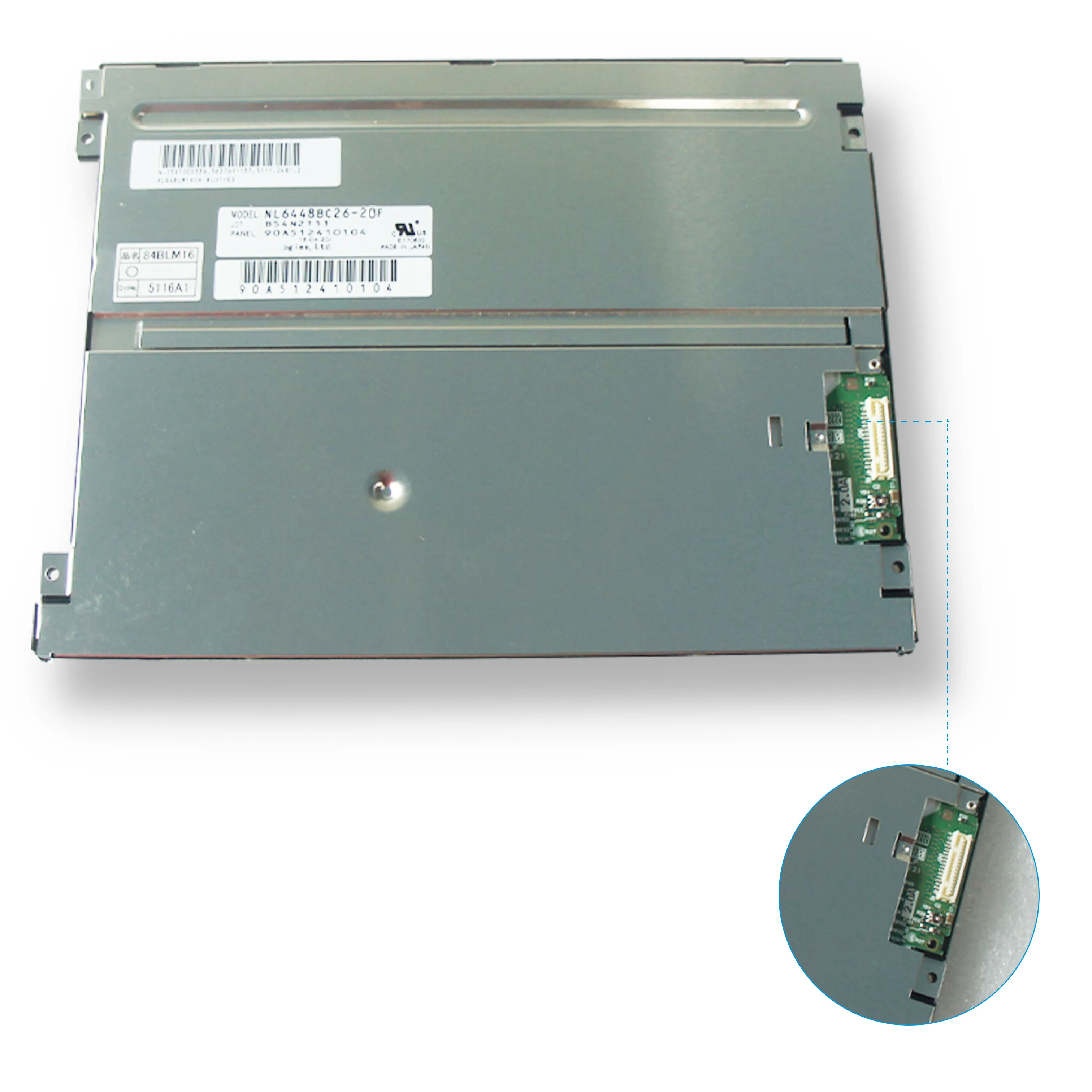


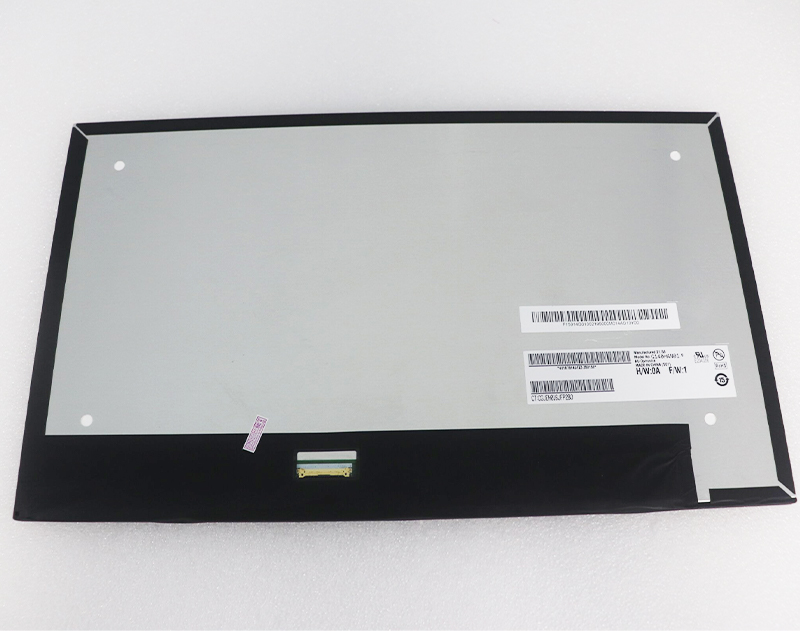
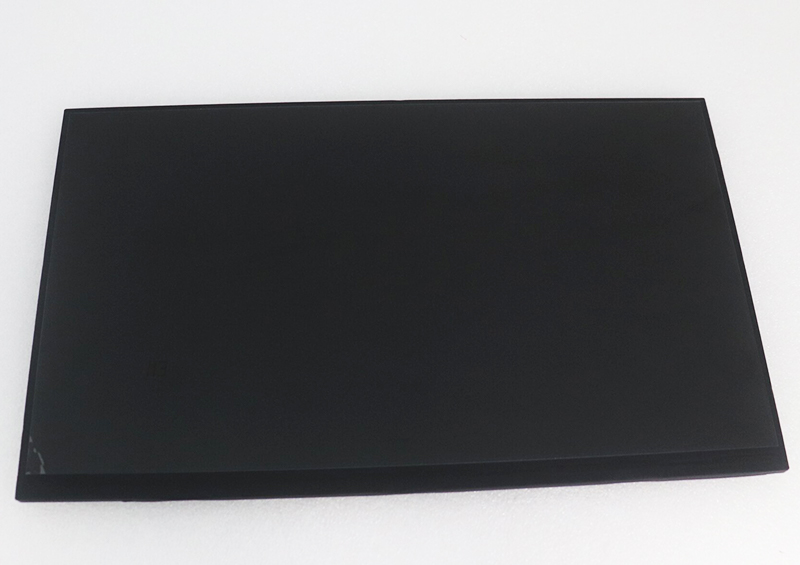
G140HAN01.0 AUO 14inch 1920*1080 LCD panel New and Original
In the intricate ecosystem of display technology, where specifications and part numbers blur into an alphabet soup, the AUO G140HAN01.0 emerges as a definitive component for a specific class of devices. This 14-inch, Full HD LCD panel represents more than just a collection of pixels; it is a carefully engineered solution balancing clarity, power efficiency, and reliability. Primarily found in mid-to-high-end laptops, portable monitors, and specialized industrial equipment, this panel model signifies a commitment to a sharp visual experience within a compact form factor.
For IT procurement specialists, device refurbishers, and DIY enthusiasts, understanding the nuances of this specific panel is crucial. The market is flooded with variants, refurbished units, and outright counterfeits, making informed sourcing a challenge. This article delves deep into the G140HAN01.0, moving beyond basic datasheet parameters to explore its technical DNA, ideal applications, and the critical importance of securing new and original stock. We will dissect what makes this panel a sought-after component and provide a framework for verifying its authenticity, ensuring your project or repair achieves the intended visual fidelity and longevity.
Decoding the G140HAN01.0: Core Specifications and Technology
The alphanumeric model name G140HAN01.0 is a direct map to its core identity. The "G" often denotes a generation or series, "140" confirms the 14.0-inch diagonal size, "H" typically indicates high color gamut or high brightness, "AN" is AUO's internal code for the specific design, and "01.0" refers to the revision. At its heart, it's an IPS (In-Plane Switching) panel, a technology renowned for its superior color consistency and wide viewing angles compared to older TN films.
With a native resolution of 1920x1080 (Full HD), it achieves a pixel density of approximately 157 PPI, offering a clear balance between sharp detail and system resource demands. Standard brightness ranges from 220 to 250 nits, with a contrast ratio around 700:1. The color performance is a key highlight, covering a significant portion of the sRGB color space, making it suitable for general content creation and media consumption. The interface is almost universally LVDS (Low-Voltage Differential Signaling), a common standard for laptop panels of its era.
Target Applications and Performance Context
The G140HAN01.0 is not designed for gaming rigs or professional color grading suites; its strength lies in optimized, general-purpose computing. It was extensively used by major laptop OEMs in business-oriented and mainstream consumer notebooks from the late 2010s. Its performance profile—good color, adequate brightness, and moderate power draw—made it a workhorse for productivity applications, web browsing, and video conferencing.
In a practical context, users can expect vibrant and accurate colors for everyday tasks, with minimal color shift when viewed from the side. The 60Hz refresh rate is standard for the category. Its true value is realized in system integration, where its predictable power consumption and thermal profile allow device manufacturers to design efficient thermal and power delivery systems. For a refurbisher, replacing a damaged screen with an identical model ensures the original device's performance and battery life characteristics are preserved.
The Critical Distinction: New vs. Original vs. Compatible
This is the most crucial consideration for anyone sourcing this panel. New and Original means the panel is manufactured by AUO (or its authorized partners), is unused, and comes in its original, sealed packaging. This guarantees full lifespan, adherence to all specifications, and no risk of hidden defects. Original alone can sometimes refer to pulled panels—working units extracted from used devices, which carry inherent risks.
The market is rife with "compatible" panels. These are often reverse-engineered, may use different grade cells or backlights, and while they might function, they frequently compromise on brightness, color accuracy, or longevity. They may be labeled with a subtly different suffix (like .1 or .2) or a completely different "compatible" part number. For a reliable repair or build, insisting on verifiably new and original stock is the only way to ensure the outcome matches expectations.
Sourcing Challenges and Verification of Authenticity
Sourcing a genuine G140HAN01.0 requires diligence. Authorized distributors typically sell in large volumes to OEMs, leaving the aftermarket to specialized component suppliers. Red flags include prices significantly below market average, vague descriptions like "G140HAN01.0 compatible," and sellers unable to provide clear photos of the packaging and labels.
Verification hinges on physical inspection. A genuine new panel will have a flawless surface, clean and precise labeling on the rear PCB with the exact model number and a manufacturer QR code/batch number. The most reliable method is to request the panel's "Aging Report" or "Cell Data" from the supplier, a factory document showing performance metrics—a practice common among reputable sellers. Checking the supplier's reputation for dealing in original panels is equally important.
Integration Considerations and Compatibility Checks
Physically and electrically matching the panel is paramount. Beyond the 14-inch size and 1920x1080 resolution, integrators must confirm the mechanical form factor (exact dimensions, bezel cutout, mounting hole positions), the interface type and pin count (30-pin LVDS is common for this model), and the backlight type (usually LED).
The most critical step is matching the pin assignment. Even with the same connector, the wiring for power, ground, and data lanes can vary between panel revisions and manufacturers. Using an incompatible panel can, at best, result in no display and, at worst, damage the motherboard or controller board. Always cross-reference the original panel's pinout diagram with that of the replacement unit. For laptop repairs, purchasing a pre-assembled "screen assembly" with the correct brackets and cables can simplify this process.
Long-Term Value and Ecosystem Impact
Choosing a new, original G140HAN01.0 panel has ramifications beyond the immediate repair. It extends the usable life of a laptop by 3-5 years, contributing to sustainability by reducing e-waste. For businesses managing fleets of devices, standardized, reliable repairs maintain productivity and lower total cost of ownership.
Furthermore, the demand for such quality components sustains a legitimate aftermarket ecosystem that respects intellectual property and manufacturing standards. It discourages the flood of subpar panels that lead to user dissatisfaction and repeated failures. Investing in an original panel is an investment in a predictable, quality outcome, preserving the user experience as the original equipment manufacturer intended.
Frequently Asked Questions (FAQs)
Q10: What should I do if the new panel doesn't work in my device?A10: Double-check pinout compatibility and cable seating first. If issues persist, you may have received a defective or incompatible panel, and should contact the seller.
Conclusion
The AUO G140HAN01.0 LCD panel exemplifies the engineered precision behind everyday display technology. Its value lies not just in its Full HD resolution or IPS clarity, but in its role as a reliable, standardized component within a broader hardware ecosystem. As we have explored, the journey from specification sheet to successful integration is paved with critical decisions—most importantly, the insistence on new, original stock and meticulous compatibility verification.
For professionals and enthusiasts alike, treating such components with this level of scrutiny is essential. It ensures device longevity, user satisfaction, and supports a responsible aftermarket. In a world of disposable electronics, choosing quality parts like the genuine G140HAN01.0 is a definitive step towards more sustainable and reliable technology maintenance and repair.