- Industrie-LCD-Display
-
Industrial Products
- DC Servo Drive
- AC Servo Drive
- other
- Heidelberg
- FANUC
- IFM
- Meter
- CCD
- Membrane Keypad
- Film
- YOKOGAWA
- Card
- ABB
- MITSUBISHI
- FANUC
- KEYENCE
- BECKHOFF
- Honeywell
- HOLLYSYS
- FUJI servo drives
- HP
- solenoid valve
- thermostat
- Siemens adapter
- color oscilloscope
- Fujitsu connector
- CHELIC
- SMC
- CISCO
- INTEL
- Key board
- FAIRCHILD
- Der Aufsichtsrat
- Board
- Bearing
- other
- Control Panel
- Contactor
- Circuit
- Omron
- Relais.
- Der controller
- Optoelektronische schalter
- Optoelektronische sensoren
- Original
- Fan
- Motortreiber
- Endschalter
- Verstärker
- power supply
- LENZE
- Cable
- Encoder
- Sensor
- Transformator
- Fiber Optic Sensor
- Schutzrelais
- Temperaturregler
- Näherungsschalter
- Switch Sensor
- Siemens
- PCB
- HMI Touch-Glas
-
HMI-Vollautomat Ganze Einheit
- OMRON HMI Touch Panel
- Siemens HMI Touch Panel
- Mitsubishi HMI Touch Panel
- Allen-Bradley Automatisierung HMI Touch
- DELTA HMI Touch Panel
- EVIEW DELTA HMI Touch Panel
- KINCO DELTA HMI Touch Panel
- HITECH HMI Touch Panel
- WEINTECK HMI Touch Panel
- TECVIEW HMI Touch Panel
- WEINVIEW HMI Touch Panel
- PRO-FACE HMI Touch Panel
- SIMATIC HMI Touch Panel
- AMPIRE HMI Touch Panel
- HEIDELBERG HMI Touch Panel
- PANASONIC HMI Touch Panel
- PATLITE HMI Touch Panel
- KYOCERA HMI Touch Panel
- KEYENCE HMI Touch Panel
- WEINVIEW HMI Touch Panel
- HITECH HMI Touch Panel
- FUJI HMI Touch Panel
- HAKKO HMI Touch Panel
- SCHNEIDER HMI Touch Panel
- SAMKOON touch panel
- andere
- Module
- LCD Wechselrichter
- Membran Tastenfeld Schalter
- Winni Touch Screens
- Frequenzumrichter
- Servo Motor
- PLC


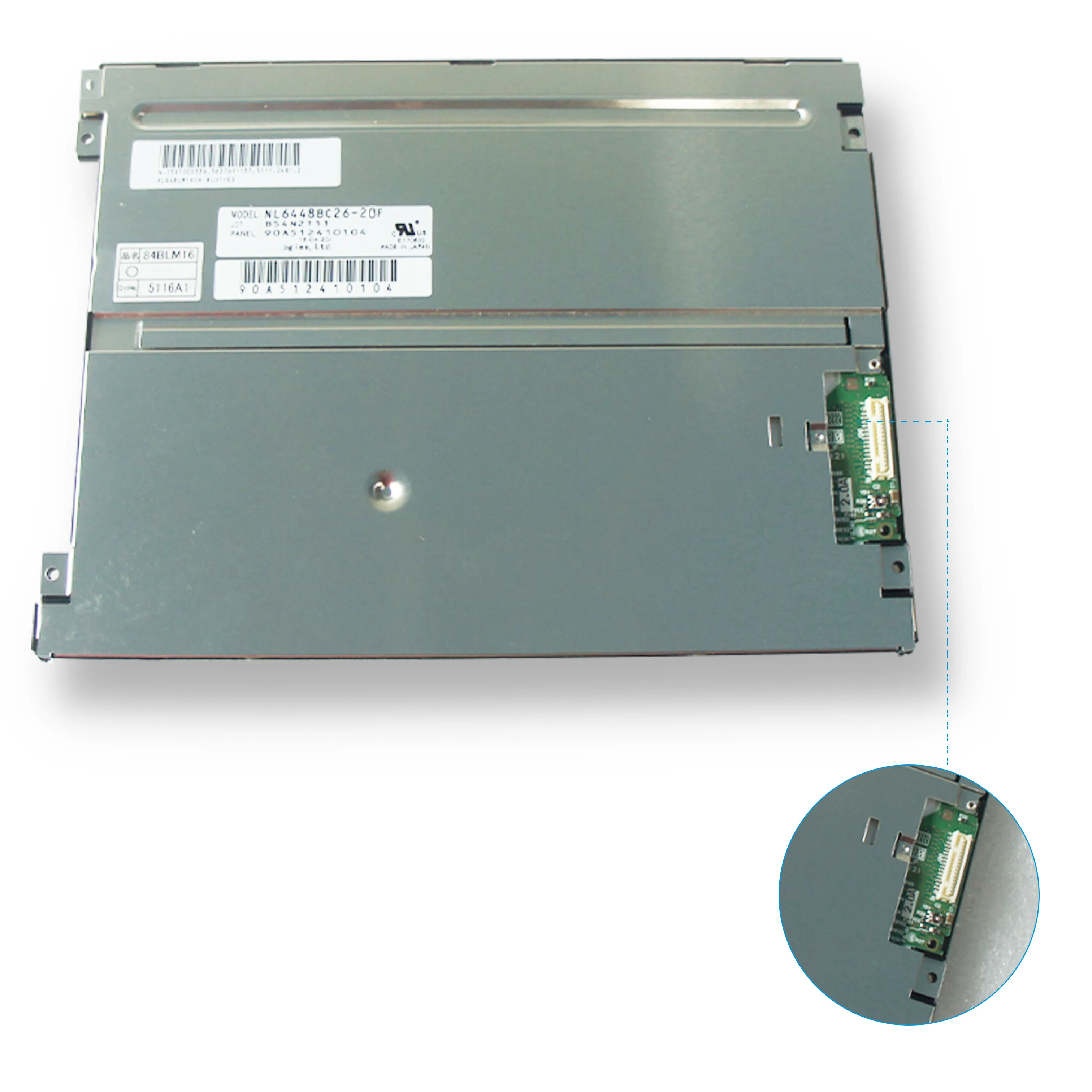


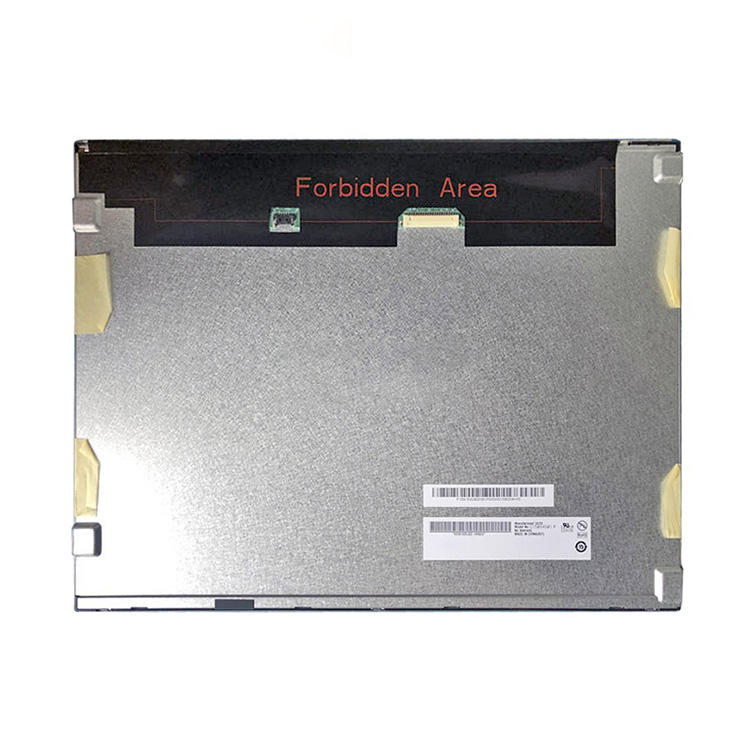
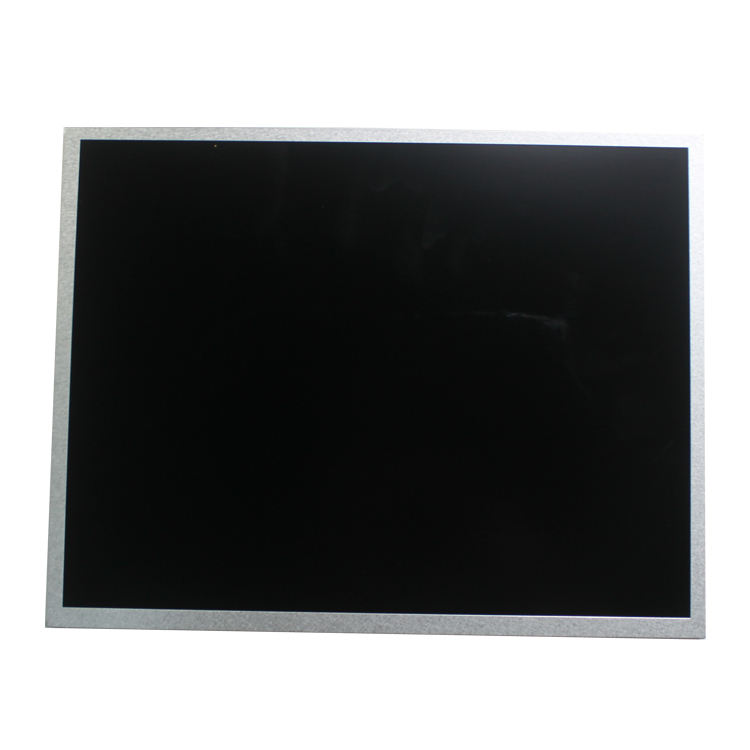
G150XAN01.2 AUO 15 inch TFT-LCD screen 1024*768 Display
In the intricate world of electronic components, certain parts become unsung heroes, powering devices we rely on daily without ever claiming the spotlight. The G150XAN01.2, a 15-inch TFT-LCD panel developed by AU Optronics (AUO), is one such component. At first glance, its 1024x768 (XGA) resolution might seem modest in an era of 4K displays. However, this specific combination of size, resolution, and technology carves out a critical niche in industrial and specialized commercial applications.
This article delves deep into the G150XAN01.2, moving beyond basic specifications to explore its defining characteristics, the engineering rationale behind its design, and the precise market segments where it excels. We will examine its performance under demanding conditions, its compatibility and integration requirements, and why it remains a relevant and often preferred choice long after its initial release. Understanding this panel is key to appreciating the complex ecosystem of display technology, where suitability often trumps sheer pixel count.
Decoding the G150XAN01.2: Core Specifications and Significance
The G150XAN01.2 is a 15.0-inch diagonal TFT-LCD module utilizing Twisted Nematic (TN) technology. Its defining feature is its XGA (1024 x 768 pixels) resolution, resulting in a 4:3 aspect ratio. This square-like format is a direct legacy of the CRT era and stands in contrast to the now-dominant wide-screen formats. The panel features a typical brightness of 300 nits, a contrast ratio of 500:1, and supports a color depth of 262K (6-bit + FRC). Its interface is LVDS (Low-Voltage Differential Signaling), a standard, robust connection protocol for embedded displays.
The significance of these specs lies in their optimization for reliability and longevity over consumer-grade visual flair. The 4:3 aspect ratio is not an anachronism but a functional requirement for legacy software interfaces, medical imaging systems, and industrial control panels designed for vertical data stacking. The XGA resolution provides sufficient detail for data visualization and instrument readouts without overburdening the connected system's graphics processing, a crucial factor in embedded applications. This panel is engineered as a dependable component within a larger system, not a standalone consumer product.
The Engineering Rationale: Why 15-inch XGA Endures
In a market relentlessly chasing higher pixel densities, the persistence of the 15-inch XGA format is a testament to application-driven design. The engineering choices behind the G150XAN01.2 are deliberate. First, the 1024x768 resolution strikes a balance between information density and interface element size. Text and control buttons remain legible without excessive scaling, which is vital for operators who may be viewing the screen from a distance or for extended periods.
Second, TN technology, while offering narrower viewing angles compared to IPS, typically provides faster response times and lower production costs. For fixed-angle installations like kiosks, ATMs, or industrial machinery, wide viewing angles are unnecessary. The faster response can be beneficial for displaying rapidly updating data. Furthermore, the panel's design emphasizes durability and a long operational life, often rated for tens of thousands of hours, to match the lifecycle of the expensive equipment it serves. This rationale underscores a key principle in industrial design: the best technology is the one that is perfectly fit for purpose.
Primary Applications and Target Industries
The G150XAN01.2 finds its home in environments where stability, compatibility, and reliability are non-negotiable. Its primary applications are far removed from the consumer desktop.
Industrial Human-Machine Interfaces (HMIs): Factory automation systems, PLC control stations, and test equipment often use 15-inch panels as the command center. The rugged construction and stable performance under temperature fluctuations are critical.
Medical Monitoring Equipment: Patient monitors for vital signs, diagnostic ultrasound systems, and other medical devices frequently utilize 4:3 displays to present multiple data streams in a portrait-like layout without wasteful black bars.
Point-of-Sale (POS) and Kiosk Systems: Retail terminals, self-checkout stations, and informational kiosks benefit from the panel's balance of size, clarity, and cost-effectiveness for dedicated transactional interfaces.
Legacy System Upgrades and Maintenance: A key market is the replacement sector, where this panel serves as a direct drop-in upgrade for failed displays in aging yet still operational industrial and commercial equipment.
Performance Analysis in Demanding Environments
Evaluating the G150XAN01.2 requires a different metric than a gaming monitor. Its performance is measured by its resilience. Industrial and medical settings subject displays to constant operation, elevated ambient temperatures, potential vibration, and electromagnetic interference. This panel is built to withstand these stresses. Its backlight is designed for extended lifespans, often utilizing LED arrays for better efficiency and heat management compared to older CCFL technology.
The operating temperature range is a critical spec, typically spanning from -10°C to 60°C or better, ensuring functionality in non-climate-controlled warehouses or factory floors. The anti-glare surface treatment on the screen is essential for readability under harsh overhead lighting. Furthermore, its electrical design focuses on low power consumption and minimal electromagnetic emissions, preventing interference with sensitive adjacent equipment. This environmental ruggedness is the true hallmark of its performance.
Integration Essentials: Interfaces and Compatibility
Successfully deploying the G150XAN01.2 hinges on understanding its integration parameters. The LVDS interface is the primary communication channel. Integrators must ensure their system's graphics controller supports LVDS output with the correct pin configuration, voltage (typically 3.3V or 5V), and signal timing to match the panel's embedded timing controller (T-CON).
Physically, the module includes a metal chassis and predefined mounting holes, adhering to standard VESA patterns for easy installation into enclosures. The power requirement is usually a single low-voltage input (e.g., 3.3V or 5V for the logic, and a higher voltage for the LED backlight driver). A critical step is verifying the compatibility of the backlight inverter if not integrated, or ensuring the external driver matches the backlight's voltage and current requirements. Mismatches here are a common source of failure, making the datasheet the integrator's most vital tool.
The Replacement Market and Long-Term Value Proposition
Perhaps the most vibrant ecosystem for the G150XAN01.2 today is the replacement and maintenance market. High-cost capital equipment in industrial, medical, and aviation fields often has a service life of 15-20 years. When the original display fails, replacing the entire machine is economically unfeasible. Here, the G150XAN01.2, as a compatible part, provides immense value.
Its continued availability, either from AUO's later production batches or from reputable distributors of certified refurbished panels, sustains the operational life of legacy systems. This creates a long-tail value proposition that consumer displays never approach. For system maintainers, sourcing a direct replacement that matches the original's physical dimensions, mounting points, and electrical interface is paramount. The G150XAN01.2, by maintaining consistent form and function over time, becomes a critical component in the lifecycle management of essential technology infrastructure.
FAQs: G150XAN01.2 AUO 15-inch LCD Panel
Q10: Where can I source this panel?A10: It is available through specialized electronic component distributors, industrial parts suppliers, and vendors specializing in display replacements.
Conclusion
The AUO G150XAN01.2 15-inch TFT-LCD panel exemplifies how technological relevance is defined by context. In a landscape obsessed with ever-increasing specs, this module stands as a robust, purpose-built solution for environments where reliability, compatibility, and longevity are the paramount metrics of success. Its 1024x768 resolution and 4:3 aspect ratio are not limitations but deliberate features that meet the precise needs of industrial, medical, and commercial embedded systems.
From its engineering rationale to its critical role in the long-term maintenance of expensive equipment, the G150XAN01.2 tells a story of enduring value. It reminds us that in the vast ecosystem of display technology, the most advanced solution is not always the highest-resolution one, but rather the one that solves a specific problem with unwavering dependability. For engineers, integrators, and maintenance professionals, understanding components like this is key to building and sustaining the technology that operates seamlessly in the background of our daily lives.