- Industrial LCD display
-
Industrial Products
- DC Servo Drive
- AC Servo Drive
- other
- Heidelberg
- FANUC
- IFM
- Meter
- CCD
- Membrane Keypad
- Film
- YOKOGAWA Module
- Card
- ABB
- MITSUBISHI
- FANUC
- KEYENCE
- BECKHOFF
- Honeywell
- HOLLYSYS
- FUJI servo drives
- HP
- solenoid valve
- thermostat
- Siemens adapter
- color oscilloscope
- Fujitsu connector
- CHELIC
- SMC
- CISCO Module
- INTEL
- Key board
- FAIRCHILD
- Motherboard
- Board
- Bearing
- other
- Control Panel
- Contactor
- Circuit
- OMRON
- Relay
- Controller
- Photoelectric Switch
- Photoelectric Sensor
- Original
- Fan
- Motor Driver
- Limit Switch
- Amplifier
- power supply
- LENZE
- Cable
- Encoder
- Sensor
- Transformer
- Fiber Optic Sensor
- Protection Relay
- Temperature Controller
- Proximity Switch
- Switch Sensor
- Siemens
- Industrial board
- HMI Touch Glass
-
HMI Full Machine Whole unit
- OMRON HMI Touch Panel
- Siemens HMI Touch Panel
- Mitsubishi HMI Touch Panel
- Allen-Bradley automation HMI Touch Panel
- DELTA HMI Touch Panel
- EVIEW DELTA HMI Touch Panel
- KINCO DELTA HMI Touch Panel
- HITECH HMI Touch Panel
- WEINTECK HMI Touch Panel
- TECVIEW HMI Touch Panel
- WEINVIEW HMI Touch Panel
- PRO-FACE HMI Touch Panel
- SIMATIC HMI Touch Panel
- AMPIRE HMI Touch Panel
- HEIDELBERG HMI Touch Panel
- PANASONIC HMI Touch Panel
- PATLITE HMI Touch Panel
- KYOCERA HMI Touch Panel
- KEYENCE HMI Touch Panel
- WEINVIEW HMI Touch Panel
- HITECH HMI Touch Panel
- FUJI HMI Touch Panel
- HAKKO HMI Touch Panel
- SCHNEIDER HMI Touch Panel
- SAMKOON touch panel
- other
- Module
- lcd inverter
- Membrane Keypad Switch
- Winni Touch Screens
- Frequency Inverter
- Servo Motor
- PLC


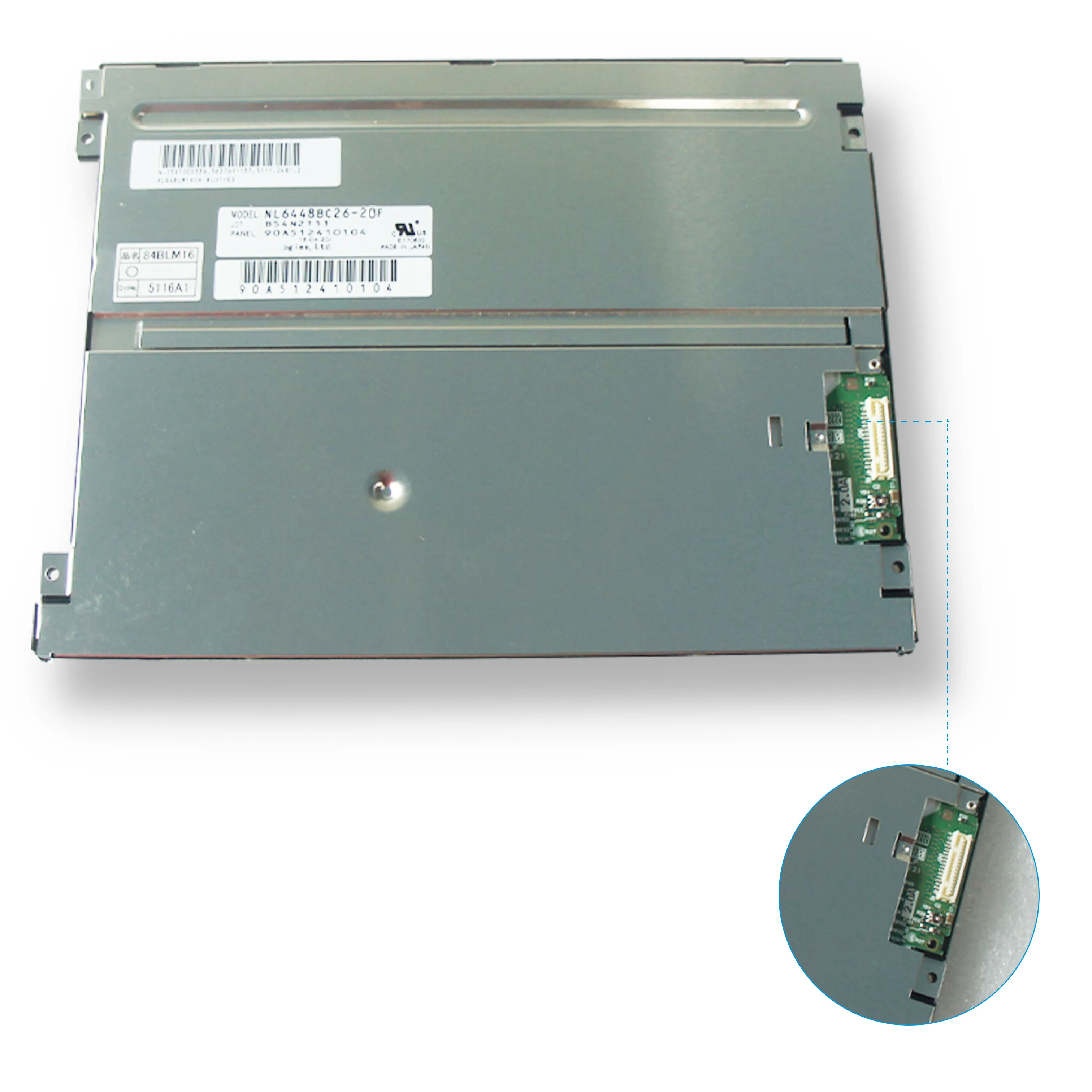


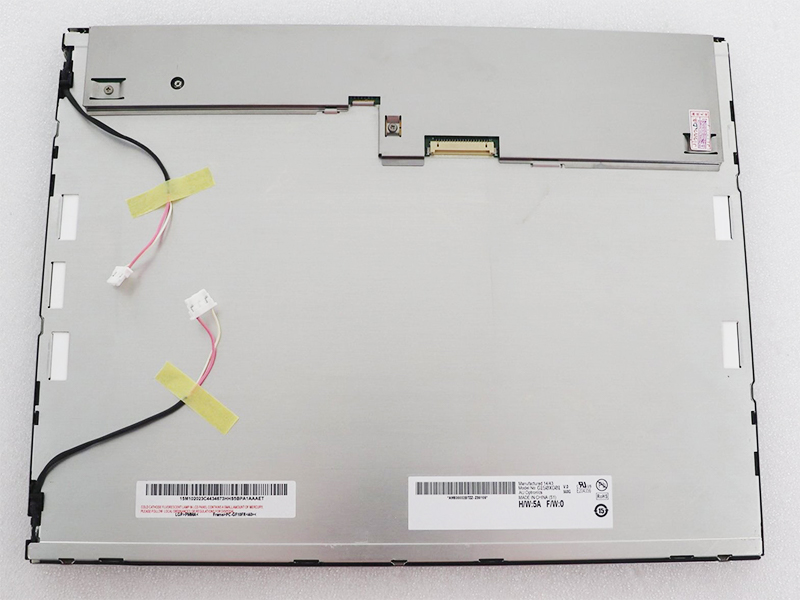
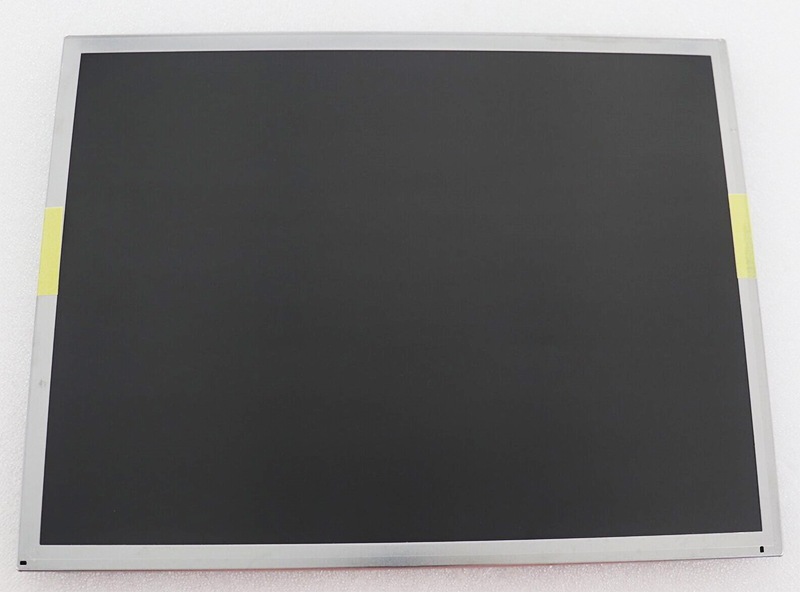
G150XG01 V0 AUO 15.0 Inch 1024*768 LCD Panel
In the intricate world of electronic components, certain parts become unsung heroes, powering devices we rely on daily without ever claiming the spotlight. The G150XG01 V0 LCD panel from AUO (AU Optronics) is one such component. This 15.0-inch display module, with its specific 1024x768 (XGA) resolution, represents a critical piece of technological infrastructure designed for reliability and longevity in demanding applications. While consumer markets chase ever-higher resolutions and refresh rates, industrial and commercial sectors prioritize durability, stability, and precise compatibility.
This article delves into a comprehensive analysis of the AUO G150XG01 V0 panel. We will move beyond basic specifications to explore its architectural design, the rationale behind its key parameters, and its ideal application ecosystems. Understanding this panel is not just about knowing its specs; it's about appreciating the engineering decisions that make it a steadfast solution in medical equipment, industrial human-machine interfaces (HMIs), point-of-sale systems, and specialized instrumentation, where performance under consistent operation is paramount.
Decoding the Model: Architecture and Core Specifications
The model name G150XG01 V0 is a concise blueprint. "G" often denotes AUO's product series, "150" indicates a 15.0-inch diagonal size, and "XG" points to its XGA (1024 x 768 pixels) native resolution. The "V0" typically refers to a specific version or revision of the panel design. At its heart, this module utilizes Twisted Nematic (TN) or advanced TN technology, a choice that balances cost-effectiveness with robust performance characteristics suitable for its target markets.
Key specifications define its operational envelope: a brightness level typically around 250-300 nits ensures readability in various indoor lighting conditions, while a contrast ratio in the range of 500:1 to 700:1 delivers clear image differentiation. The 1024x768 resolution, with its 4:3 aspect ratio, remains a standard in many industrial and medical systems, ensuring software and graphical user interface (GUI) compatibility without scaling issues. This foundational architecture sets the stage for its renowned reliability.
The Engineering Rationale Behind XGA Resolution and 4:3 Aspect Ratio
In an era dominated by widescreen formats, the persistence of the 4:3 XGA standard in panels like the G150XG01 V0 is a deliberate engineering and operational choice. This aspect ratio provides a more square viewing area, which is often more efficient for displaying vertical data lists, diagnostic imaging with traditional proportions, control system dashboards, and legacy software interfaces that were designed for this format.
The 1024x768 pixel grid offers sufficient detail for complex schematics, text-based data, and control interfaces without imposing excessive processing load on the often-embedded systems it serves. Upgrading to a higher widescreen resolution in these environments would not only be unnecessary but could introduce compatibility problems, require more powerful (and costly) graphic controllers, and potentially reduce the overall stability of the system. Thus, this "standard" resolution is a key feature, not a limitation, for its intended use.
Interface and Signal Compatibility: The LVDS Connection
The G150XG01 V0 panel communicates via an LVDS (Low-Voltage Differential Signaling) interface. This is a critical specification for integration. LVDS is a mature, robust, and noise-resistant digital video transmission standard that has been the backbone of industrial and automotive displays for decades. Its differential signaling method minimizes electromagnetic interference (EMI), ensuring stable image transmission even in electrically noisy environments common to factories, hospitals, or laboratories.
Understanding the pin configuration, power requirements, and signal timing of this LVDS interface is essential for engineers designing it into a system or for technicians seeking a replacement. Compatibility hinges on matching the exact interface protocol, voltage levels, and connector pinout, making the G150XG01 V0 a specific drop-in solution for systems originally designed with this interface in mind.
Target Applications and Operational Environment
The true value of the AUO G150XG01 V0 is realized in its application domains. It is a workhorse panel engineered for continuous operation and harsh conditions. Primary applications include:
Medical Monitoring Equipment: Patient monitors, diagnostic devices, and ultrasound machines where consistent color representation and reliability are non-negotiable.
Industrial Human-Machine Interfaces (HMIs): Control panels for manufacturing machinery, PLC operator interfaces, and factory automation systems.
Point-of-Sale (POS) and Kiosk Systems: Cash registers, self-service terminals, and information booths requiring durability and long screen-on hours.
Test and Measurement Instruments: Oscilloscopes, spectrum analyzers, and other bench equipment where clear data display is crucial.
These environments demand panels that can withstand temperature variations, prolonged use, and sometimes vibration, for which this module is specifically qualified.
Critical Considerations for Integration and Replacement
Integrating or replacing the G150XG01 V0 requires careful attention to mechanical, electrical, and environmental details. Mechanically, one must verify the exact outline dimensions, bezel cutout size, and mounting hole positions. Even a millimeter's discrepancy can prevent installation. Electrically, beyond the LVDS interface, the backlight inverter or LED driver circuit (depending on the version) must be compatible with the panel's requirements.
Furthermore, the operating temperature range, storage conditions, and potential need for electromagnetic shielding are vital for long-term performance. When sourcing a replacement, confirming the exact version (V0) is crucial, as later revisions may have subtle but critical differences in pinout, brightness, or power sequence that can lead to system failure if mismatched.
Sourcing, Longevity, and the Industrial Display Ecosystem
Panels like the AUO G150XG01 V0 are not typically sold through consumer retail channels. They are sourced through specialized distributors, electronic component suppliers, or directly from system integrators with access to industrial supply chains. Their product lifecycle is significantly longer than that of consumer laptop or TV panels, often spanning many years to support the long service life of the equipment they inhabit.
This longevity creates a distinct aftermarket for verified compatible replacements. Understanding this ecosystem—identifying reputable suppliers who can provide authentic, A-grade panels with correct documentation—is essential for maintenance and repair operations. It underscores the panel's role as a critical, long-life component within a broader system.
FAQs: AUO G150XG01 V0 LCD Panel
Q10: Where can I purchase the G150XG01 V0 panel?A10: It is available through specialized industrial electronic component distributors and suppliers serving the medical, industrial, and professional display markets.
Conclusion
The AUO G150XG01 V0 is far more than a simple collection of specifications on a datasheet. It embodies a design philosophy centered on reliability, compatibility, and purposeful performance. Its 15-inch XGA display, 4:3 aspect ratio, and robust LVDS interface are not outdated features but deliberate choices that make it an indispensable component in critical systems where failure is not an option.
For engineers, integrators, and technical purchasers, understanding this panel's nuances—from its version-specific attributes to its ideal operational environment—is key to successful implementation and maintenance. In a landscape of rapidly changing consumer technology, the G150XG01 V0 stands as a testament to the enduring value of specialized, well-engineered components that keep the foundational machinery of our modern world running smoothly and dependably.