- Industrie-LCD-Display
-
Industrial Products
- DC Servo Drive
- AC Servo Drive
- other
- Heidelberg
- FANUC
- IFM
- Meter
- CCD
- Membrane Keypad
- Film
- YOKOGAWA
- Card
- ABB
- MITSUBISHI
- FANUC
- KEYENCE
- BECKHOFF
- Honeywell
- HOLLYSYS
- FUJI servo drives
- HP
- solenoid valve
- thermostat
- Siemens adapter
- color oscilloscope
- Fujitsu connector
- CHELIC
- SMC
- CISCO
- INTEL
- Key board
- FAIRCHILD
- Der Aufsichtsrat
- Board
- Bearing
- other
- Control Panel
- Contactor
- Circuit
- Omron
- Relais.
- Der controller
- Optoelektronische schalter
- Optoelektronische sensoren
- Original
- Fan
- Motortreiber
- Endschalter
- Verstärker
- power supply
- LENZE
- Cable
- Encoder
- Sensor
- Transformator
- Fiber Optic Sensor
- Schutzrelais
- Temperaturregler
- Näherungsschalter
- Switch Sensor
- Siemens
- PCB
- HMI Touch-Glas
-
HMI-Vollautomat Ganze Einheit
- OMRON HMI Touch Panel
- Siemens HMI Touch Panel
- Mitsubishi HMI Touch Panel
- Allen-Bradley Automatisierung HMI Touch
- DELTA HMI Touch Panel
- EVIEW DELTA HMI Touch Panel
- KINCO DELTA HMI Touch Panel
- HITECH HMI Touch Panel
- WEINTECK HMI Touch Panel
- TECVIEW HMI Touch Panel
- WEINVIEW HMI Touch Panel
- PRO-FACE HMI Touch Panel
- SIMATIC HMI Touch Panel
- AMPIRE HMI Touch Panel
- HEIDELBERG HMI Touch Panel
- PANASONIC HMI Touch Panel
- PATLITE HMI Touch Panel
- KYOCERA HMI Touch Panel
- KEYENCE HMI Touch Panel
- WEINVIEW HMI Touch Panel
- HITECH HMI Touch Panel
- FUJI HMI Touch Panel
- HAKKO HMI Touch Panel
- SCHNEIDER HMI Touch Panel
- SAMKOON touch panel
- andere
- Module
- LCD Wechselrichter
- Membran Tastenfeld Schalter
- Winni Touch Screens
- Frequenzumrichter
- Servo Motor
- PLC


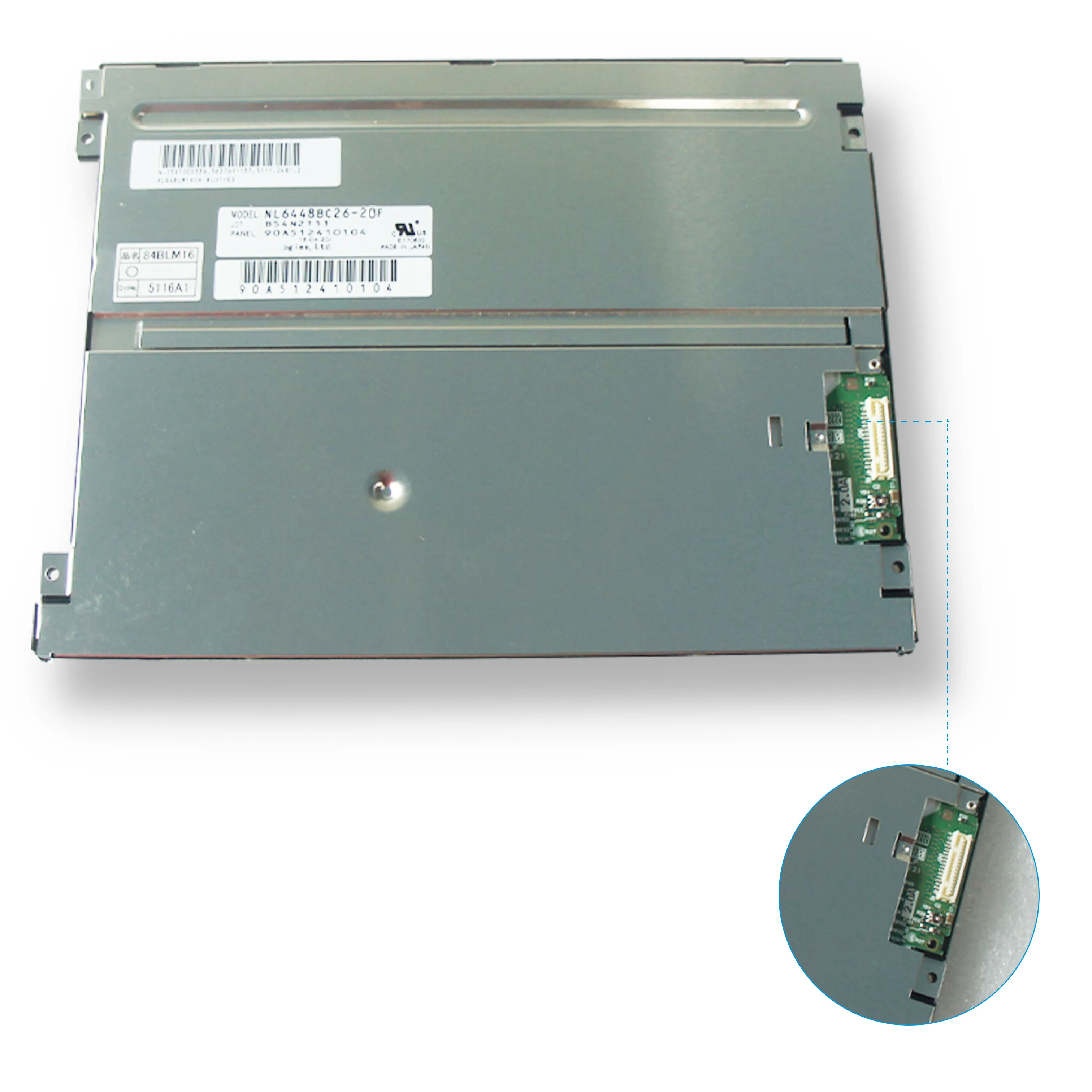


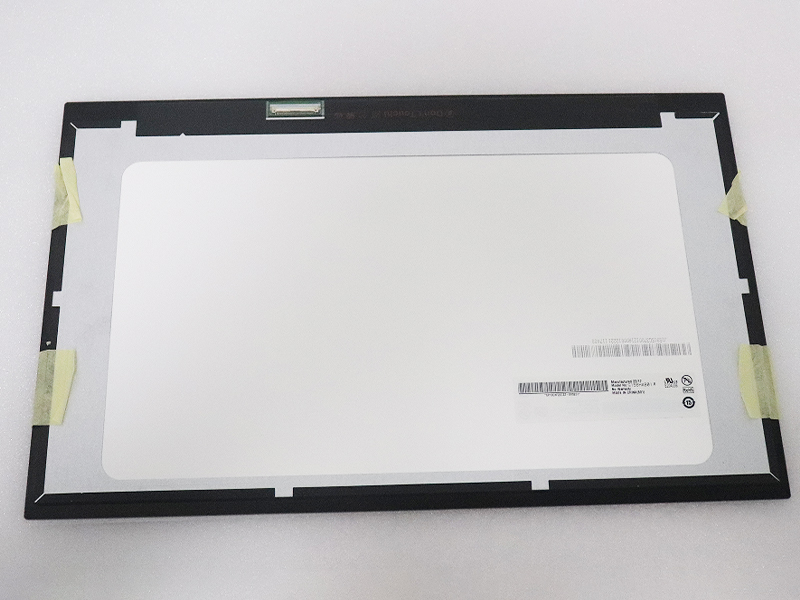
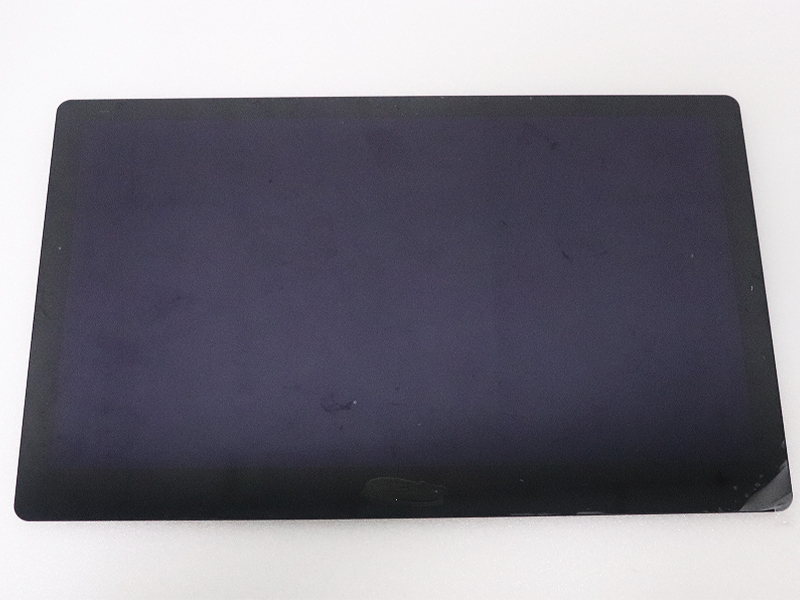
G156HAB01.1 AUO 15.6inch TFT-LCD screen 1920*1080 Display
In the intricate world of display technology, where specifications often blur into a sea of numbers, certain components stand out for their pivotal role in defining user experience. The G156HAB01.1, a 15.6-inch TFT-LCD panel manufactured by AU Optronics (AUO), is one such component. This screen module, with its foundational 1920x1080 Full HD resolution, serves as the visual engine for a vast array of devices, from mainstream laptops and portable monitors to specialized industrial equipment and interactive kiosks.
Beyond its basic description, this panel embodies a critical intersection of performance, reliability, and widespread applicability. This article delves deep into the G156HAB01.1, moving past its part number to explore the technology that powers it, its precise performance characteristics, and the key considerations for integration. We will unpack its role in the supply chain, compare it within the broader display landscape, and provide practical guidance for sourcing and implementation. Our goal is to transform this alphanumeric code into a clear, comprehensive understanding for engineers, procurement specialists, and tech enthusiasts alike.
Decoding the G156HAB01.1: Anatomy of a Display Module
The part number G156HAB01.1 is a precise blueprint. G156 typically denotes a 15.6-inch diagonal size. H often indicates a certain generation or family, while A and B refer to specific optical and mechanical revisions. The 01.1 suffix points to a minor version or engineering change order. At its core, this is an a-Si TFT-LCD (Amorphous Silicon Thin-Film Transistor Liquid Crystal Display). This mature, cost-effective technology uses a matrix of tiny transistors to control each pixel, offering a solid balance of performance and manufacturability.
The module is not just the glass; it's a complete system. It includes the LCD cell, the driver ICs that interpret signals from the source, the backlight unit (commonly LED-based for this model), and the flexible printed circuits (FPCs) that connect everything. The interface is typically LVDS (Low-Voltage Differential Signaling), a robust and standard protocol for transmitting high-speed video data within devices. Understanding this anatomy is the first step to appreciating its capabilities and constraints.
Performance Characteristics and Visual Experience
The defining specification is its 1920 x 1080 resolution at 15.6 inches, yielding a pixel density of approximately 141 PPI. This provides a sharp, non-grainy image suitable for productivity tasks, multimedia consumption, and general computing. The panel's brightness, often in the range of 220 to 300 nits, ensures adequate visibility for indoor use. Color performance is a key differentiator; this module typically covers a standard gamut, such as 45% NTSC or 62% sRGB, which is sufficient for everyday use but not for professional color-critical work.
Viewing angles are crucial for shared screens or devices viewed off-axis. As an a-Si panel, it likely employs TN (Twisted Nematic) or possibly an ADS/IPS-type technology from AUO. The specific variant determines the angle performance: TN offers faster response times but narrower angles, while IPS/ADS provides wide viewing angles with better color consistency. The contrast ratio, which defines the depth between blacks and whites, is another vital metric influencing overall image pop and clarity.
Typical Applications and Integration Context
The G156HAB01.1 is a workhorse panel designed for integration into finished products. Its most common application is in mainstream and business-oriented laptops, where it offers a reliable Full HD upgrade from basic HD screens. It is also frequently found in portable external monitors, adding a second screen for mobile professionals. Beyond consumer electronics, this module's reliability makes it suitable for industrial HMI (Human-Machine Interface) panels, point-of-sale systems, and medical monitoring devices where consistent performance is valued over cutting-edge specs.
For integrators, key considerations include the mechanical dimensions (the exact bezel size and thickness), the position of the connector and FPC, and the mounting hole locations. The power consumption of the backlight and logic board impacts device battery life and thermal design. Compatibility with standard controller boards is also essential for aftermarket or repair scenarios, making the common LVDS interface a significant advantage.
The Supply Chain and Compatibility Landscape
As an AUO panel, the G156HAB01.1 exists within a complex global supply chain. It is supplied to original equipment manufacturers (OEMs) in large volumes for new products. Simultaneously, it flows into the replacement and repair market for servicing existing devices. This creates a landscape where identifying exact-match replacements is critical. While the part number is the primary key, understanding compatible alternatives is vital for sourcing.
Compatibility depends on matching multiple parameters: physical size, resolution, interface type and pinout, backlight voltage and type (e.g., LED array configuration), and mounting. A "compatible" panel must align in all these aspects to function as a drop-in replacement. Sourcing from authorized distributors or reputable suppliers is recommended to avoid counterfeit or refurbished panels misrepresented as new, which can lead to performance issues or premature failure.
Comparative Analysis in the 15.6-inch Display Ecosystem
Positioning the G156HAB01.1 requires comparing it to other technologies in its size class. Against older 1366x768 HD panels, it offers a substantial leap in sharpness and workspace. Compared to modern IPS-level panels with 72% NTSC or 100% sRGB gamut, it may fall short in color vibrancy and viewing angles. When stacked against emerging high-refresh-rate gaming panels, its focus is clearly on clarity and efficiency, not ultra-fast motion.
Its true strength lies in its balanced value proposition. It delivers the now-expected Full HD clarity without the premium cost associated with high-color-gamut or high-refresh-rate technologies. For applications where color accuracy is not paramount but visual sharpness and reliability are, this panel remains a highly relevant and cost-effective choice, explaining its enduring presence in the market.
Sourcing, Verification, and Best Practices
Successfully procuring and implementing this module involves a diligent process. When sourcing, always request the full part number and AUO's datasheet for verification. Inspect high-resolution photos of the actual item, paying close attention to the FPC label, which should match the part number. Check the connector type (e.g., 30-pin or 40-pin) and its position (left, right, top, bottom).
Before final integration, a basic function test is advisable. This includes checking for dead pixels, backlight uniformity (no excessive clouding or bright spots), and color consistency across the screen. Ensure the interface protocol matches your controller board's output. For longevity, operate the panel within its specified voltage and temperature ranges, and handle the FPC and connector with care to avoid electrostatic discharge or physical damage.
FAQs: G156HAB01.1 AUO 15.6-inch Display
Conclusion
The AUO G156HAB01.1 is far more than a string of characters on a flexible cable. It represents a mature, reliable, and strategically important display solution that powers millions of visual interfaces across diverse sectors. Its value proposition is clear: delivering essential Full HD clarity and dependable performance in a widely compatible form factor, without venturing into the costlier territory of premium color or high-speed gaming features.
For anyone involved in specifying, repairing, or integrating displays, understanding the nuances behind such a module—from its technical anatomy and performance profile to its place in the supply chain—is invaluable. This knowledge empowers informed decision-making, ensures successful compatibility, and ultimately guarantees that the end user receives the consistent, quality visual experience that this industrious panel is designed to provide. In a world of rapidly evolving display tech, the G156HAB01.1 stands as a testament to the enduring importance of solid, foundational engineering.