- Industrie-LCD-Display
-
Industrial Products
- DC Servo Drive
- AC Servo Drive
- other
- Heidelberg
- FANUC
- IFM
- Meter
- CCD
- Membrane Keypad
- Film
- YOKOGAWA
- Card
- ABB
- MITSUBISHI
- FANUC
- KEYENCE
- BECKHOFF
- Honeywell
- HOLLYSYS
- FUJI servo drives
- HP
- solenoid valve
- thermostat
- Siemens adapter
- color oscilloscope
- Fujitsu connector
- CHELIC
- SMC
- CISCO
- INTEL
- Key board
- FAIRCHILD
- Der Aufsichtsrat
- Board
- Bearing
- other
- Control Panel
- Contactor
- Circuit
- Omron
- Relais.
- Der controller
- Optoelektronische schalter
- Optoelektronische sensoren
- Original
- Fan
- Motortreiber
- Endschalter
- Verstärker
- power supply
- LENZE
- Cable
- Encoder
- Sensor
- Transformator
- Fiber Optic Sensor
- Schutzrelais
- Temperaturregler
- Näherungsschalter
- Switch Sensor
- Siemens
- PCB
- HMI Touch-Glas
-
HMI-Vollautomat Ganze Einheit
- OMRON HMI Touch Panel
- Siemens HMI Touch Panel
- Mitsubishi HMI Touch Panel
- Allen-Bradley Automatisierung HMI Touch
- DELTA HMI Touch Panel
- EVIEW DELTA HMI Touch Panel
- KINCO DELTA HMI Touch Panel
- HITECH HMI Touch Panel
- WEINTECK HMI Touch Panel
- TECVIEW HMI Touch Panel
- WEINVIEW HMI Touch Panel
- PRO-FACE HMI Touch Panel
- SIMATIC HMI Touch Panel
- AMPIRE HMI Touch Panel
- HEIDELBERG HMI Touch Panel
- PANASONIC HMI Touch Panel
- PATLITE HMI Touch Panel
- KYOCERA HMI Touch Panel
- KEYENCE HMI Touch Panel
- WEINVIEW HMI Touch Panel
- HITECH HMI Touch Panel
- FUJI HMI Touch Panel
- HAKKO HMI Touch Panel
- SCHNEIDER HMI Touch Panel
- SAMKOON touch panel
- andere
- Module
- LCD Wechselrichter
- Membran Tastenfeld Schalter
- Winni Touch Screens
- Frequenzumrichter
- Servo Motor
- PLC


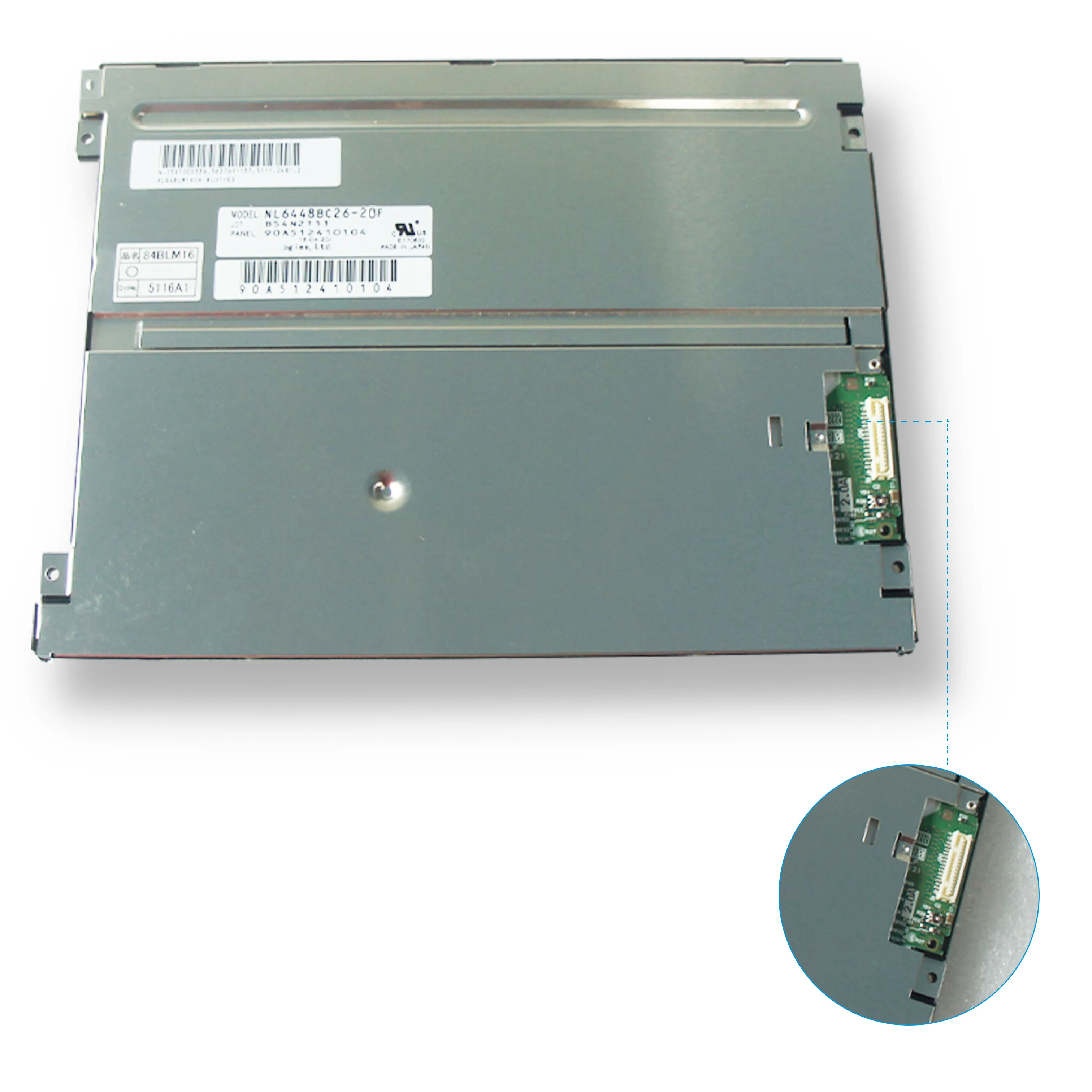


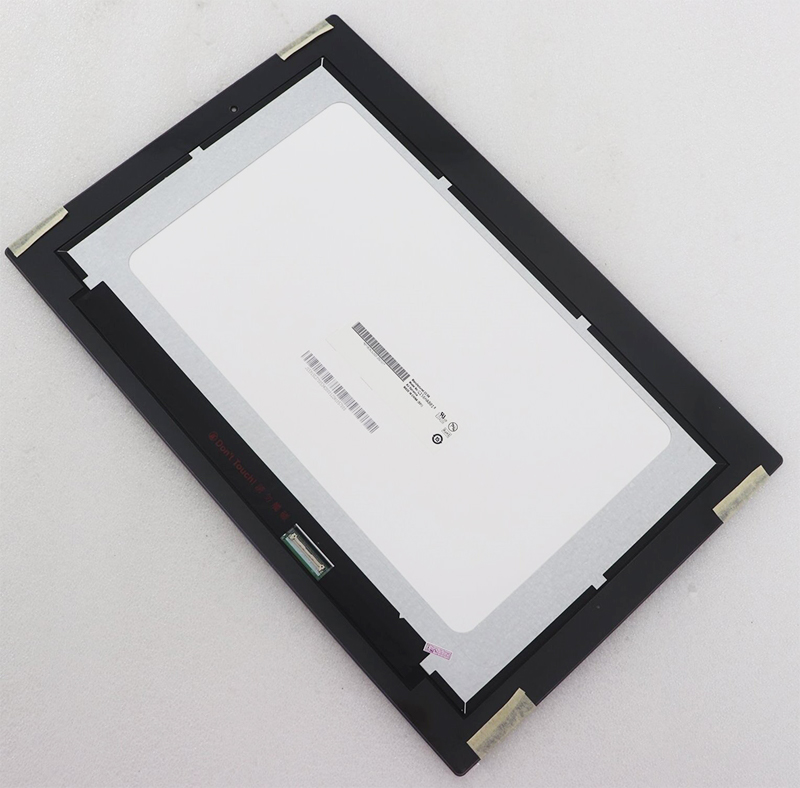
G156HAB01.6 AUO 15.6inch 1920*1080 LCD panel
In the intricate ecosystem of modern display technology, individual panel models serve as the fundamental building blocks for countless devices. The G156HAB01.6, a 15.6-inch LCD panel developed by AU Optronics (AUO), exemplifies this critical role. While its specifications—a 1920x1080 Full HD resolution, an LED backlight, and standard refresh rates—may appear commonplace at first glance, a deeper exploration reveals a component engineered for balance, reliability, and mass-market appeal. This panel is not designed to break benchmark records for color gamut or speed; instead, it represents a calculated convergence of performance, cost-effectiveness, and manufacturing scalability.
This article delves into the technical essence and market significance of the AUO G156HAB01.6. We will dissect its core specifications, understand its typical applications, and evaluate its performance characteristics within context. By moving beyond the basic datasheet, we aim to uncover why this specific panel model has become a ubiquitous choice for OEMs, what its true strengths and limitations are, and how it fits into the broader landscape of display technology. This analysis is crucial for procurement specialists, device designers, and informed consumers seeking to understand the hidden components that define their visual experience.
Decoding the Model: Anatomy of the G156HAB01.6
The model name G156HAB01.6 is a coded identifier that reveals key attributes. Breaking it down: "G" typically signifies a generation or panel type series from AUO; "156" denotes the 15.6-inch diagonal screen size; "H" often indicates HD or FHD resolution class; "A" can refer to specific design revisions or backlight type; and "B01.6" is a detailed version and sub-model identifier. The core specification is its 1920x1080 pixel array, delivering a pixel density of approximately 141 PPI (Pixels Per Inch). This strikes a balance between sharpness for general use and the rendering demands on a device's graphics system.
Physically, the panel employs an LED edge-lit backlighting system, which allows for slim profile designs in end-products. The interface is commonly an LVDS (Low-Voltage Differential Signaling) or eDP (embedded DisplayPort) connector, standard for laptop integrations. Understanding this nomenclature and architecture is the first step in recognizing this panel as a mature, standardized commodity part, optimized for high-volume integration into a specific niche of the computing market.
Target Applications and Market Positioning
The G156HAB01.6 is quintessentially a mainstream laptop panel. Its primary domain is the vast market of budget to mid-range consumer and business notebooks, educational devices, and entry-level portable workstations. It is the screen you are likely to encounter in devices where overall system cost is a primary driver, but a baseline of clear, Full HD visual fidelity is a non-negotiable expectation for modern users.
AUO's positioning of this model is strategic. It does not compete with high-refresh-rate gaming panels or ultra-color-accurate professional displays. Instead, it fills the essential role of a reliable workhorse. For Original Equipment Manufacturers (OEMs), its value lies in predictable performance, proven longevity, supply chain stability, and a cost structure that allows for competitive final product pricing. This panel enables the democratization of Full HD resolution, moving it from a premium feature to a standard expectation in everyday computing.
Performance Analysis: Color, Brightness, and Viewing Angles
Evaluating the G156HAB01.6 requires realistic benchmarks aligned with its purpose. It typically covers a modest portion of the color gamut, often around 45% to 55% of the NTSC standard, which translates to roughly 60-70% sRGB. This is adequate for everyday tasks, web browsing, office applications, and media consumption, but insufficient for serious photo or video editing where color fidelity is paramount.
Brightness usually ranges from 220 to 300 nits, sufficient for indoor use but potentially challenging in very bright environments. The panel utilizes a Twisted Nematic (TN) or sometimes an Advanced Fringe Field Switching (AFFS) technology, with TN variants being more common. This results in viewing angles that are functional but not exceptional; color and contrast can shift when viewed from sharp vertical or horizontal angles. This performance profile reinforces its identity as a panel chosen for pragmatic, cost-focused reasons rather than visual spectacle.
Comparative Context: The 15.6-inch FHD Landscape
Placing the G156HAB01.6 alongside its peers clarifies its standing. In the ecosystem of 15.6-inch FHD panels, it sits firmly in the value-oriented tier. It is often contrasted with panels boasting IPS technology for wider viewing angles, higher brightness levels (300+ nits), or expanded color gamuts (72% NTSC or 100% sRGB). These superior panels, from AUO and competitors like LG Display or Innolux, command a higher price.
The alternative is often a lower-tier HD+ (1366x768) panel, where the G156HAB01.6 offers a clear upgrade in resolution and clarity. Its existence creates a crucial stepping stone. For OEMs, it provides a spec sheet differentiator ("Full HD display") at a manageable BOM (Bill of Materials) cost increase over HD models, while avoiding the premium associated with high-performance displays. This comparative positioning is key to its commercial success.
Integration Considerations for OEMs and Repair Technicians
From an integration standpoint, the G156HAB01.6 is designed for straightforward implementation. Its standardized physical dimensions, mounting hole patterns, and connector pinouts conform to common industry footprints for 15.6-inch panels. This interchangeability is vital. For laptop designers, it allows flexibility in sourcing and potential for last-minute panel swaps without major mechanical redesign.
For the repair and refurbishment market, this standardization is equally critical. The model number is a key identifier for finding a compatible replacement. Technicians must verify not just the size and resolution, but also the exact interface (pin count, voltage), backlight type, and mounting bracket compatibility. The G156HAB01.6's prevalence means it is widely available through component distributors, making it a service-friendly part that supports the extended lifecycle of millions of laptops.

The Longevity and Supply Chain Role of a Mature Panel
The G156HAB01.6 is a testament to the lifecycle of a mature display product. Having been in production for multiple years, its manufacturing process is highly optimized, yielding consistent quality and low defect rates. This maturity benefits the entire supply chain: AUO can produce it efficiently, OEMs can forecast costs and availability reliably, and the aftermarket can stock it for years to support repairs.
Such panels often outlive the specific laptop models they were first designed for. They become standardized commodities that continue to be manufactured to service the replacement and refurbishment markets long after the original flagship product has been discontinued. This enduring availability underscores the panel's fundamental reliability and the economic logic behind its design—it was built not as a flashy innovation, but as a sustained, volume-driven solution to a persistent market need.
FAQs: Quick Questions Answered
Conclusion
The AUO G156HAB01.6 15.6-inch FHD panel is a definitive example of a component engineered for the mainstream. Its significance lies not in groundbreaking performance, but in its role as a reliable, cost-effective, and scalable solution that has helped standardize Full HD clarity in everyday computing. By understanding its balanced specifications, targeted applications, and mature position in the supply chain, we appreciate the calculated trade-offs that define much of the technology we use daily.
This analysis reveals that the true "value" of such a panel is measured in its widespread adoption, serviceability, and its ability to meet baseline user expectations efficiently. As display technology continues to advance with OLED, mini-LED, and higher refresh rates, workhorse panels like the G156HAB01.6 will continue to form the essential backbone of the mobile computing world, reminding us that optimized, pragmatic engineering is just as critical as cutting-edge innovation.