- Industrie-LCD-Display
-
Industrial Products
- DC Servo Drive
- AC Servo Drive
- other
- Heidelberg
- FANUC
- IFM
- Meter
- CCD
- Membrane Keypad
- Film
- YOKOGAWA
- Card
- ABB
- MITSUBISHI
- FANUC
- KEYENCE
- BECKHOFF
- Honeywell
- HOLLYSYS
- FUJI servo drives
- HP
- solenoid valve
- thermostat
- Siemens adapter
- color oscilloscope
- Fujitsu connector
- CHELIC
- SMC
- CISCO
- INTEL
- Key board
- FAIRCHILD
- Der Aufsichtsrat
- Board
- Bearing
- other
- Control Panel
- Contactor
- Circuit
- Omron
- Relais.
- Der controller
- Optoelektronische schalter
- Optoelektronische sensoren
- Original
- Fan
- Motortreiber
- Endschalter
- Verstärker
- power supply
- LENZE
- Cable
- Encoder
- Sensor
- Transformator
- Fiber Optic Sensor
- Schutzrelais
- Temperaturregler
- Näherungsschalter
- Switch Sensor
- Siemens
- PCB
- HMI Touch-Glas
-
HMI-Vollautomat Ganze Einheit
- OMRON HMI Touch Panel
- Siemens HMI Touch Panel
- Mitsubishi HMI Touch Panel
- Allen-Bradley Automatisierung HMI Touch
- DELTA HMI Touch Panel
- EVIEW DELTA HMI Touch Panel
- KINCO DELTA HMI Touch Panel
- HITECH HMI Touch Panel
- WEINTECK HMI Touch Panel
- TECVIEW HMI Touch Panel
- WEINVIEW HMI Touch Panel
- PRO-FACE HMI Touch Panel
- SIMATIC HMI Touch Panel
- AMPIRE HMI Touch Panel
- HEIDELBERG HMI Touch Panel
- PANASONIC HMI Touch Panel
- PATLITE HMI Touch Panel
- KYOCERA HMI Touch Panel
- KEYENCE HMI Touch Panel
- WEINVIEW HMI Touch Panel
- HITECH HMI Touch Panel
- FUJI HMI Touch Panel
- HAKKO HMI Touch Panel
- SCHNEIDER HMI Touch Panel
- SAMKOON touch panel
- andere
- Module
- LCD Wechselrichter
- Membran Tastenfeld Schalter
- Winni Touch Screens
- Frequenzumrichter
- Servo Motor
- PLC


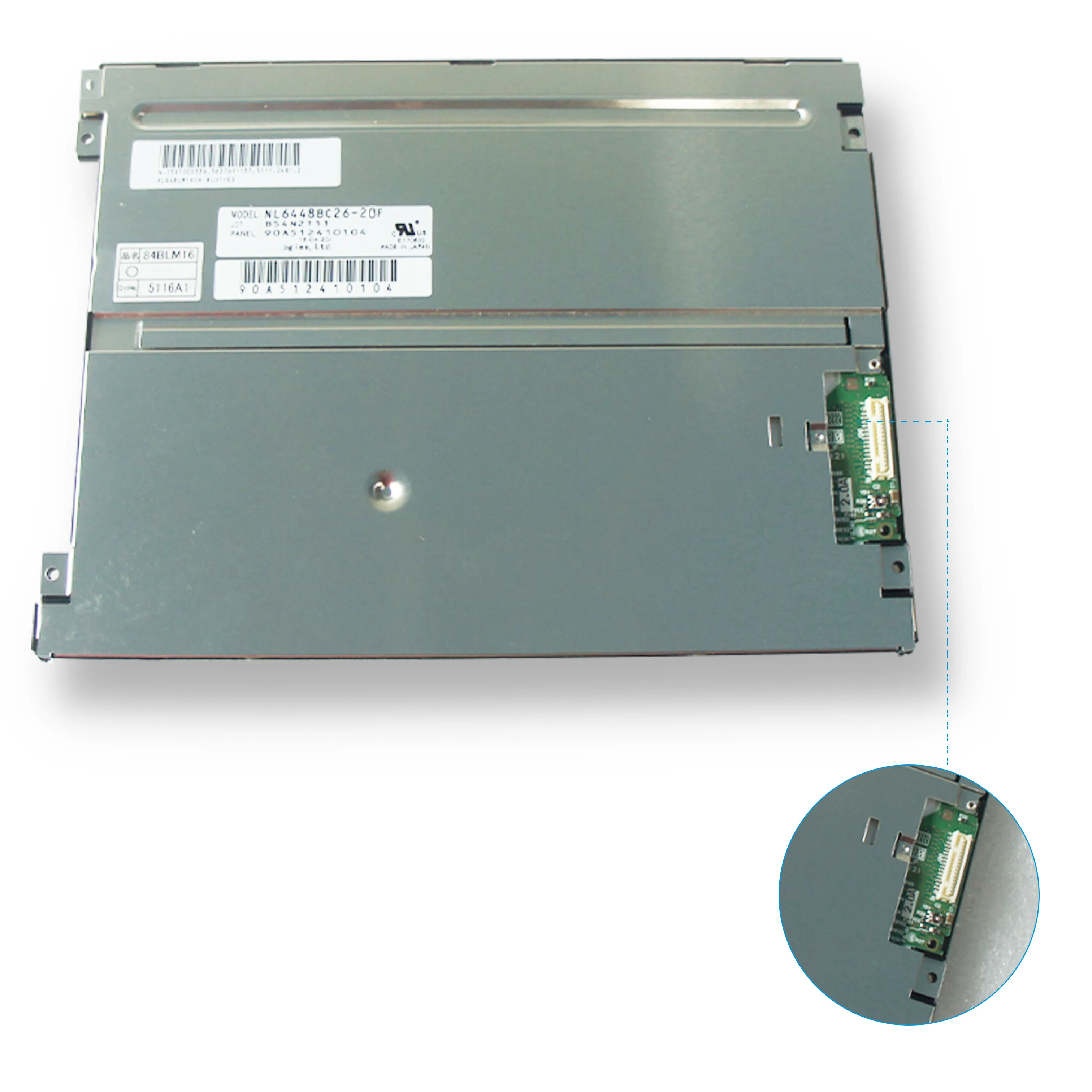


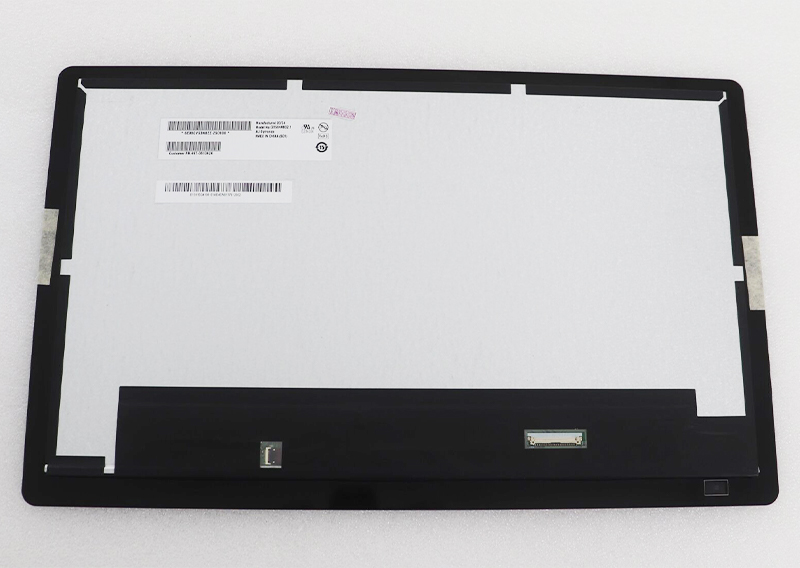
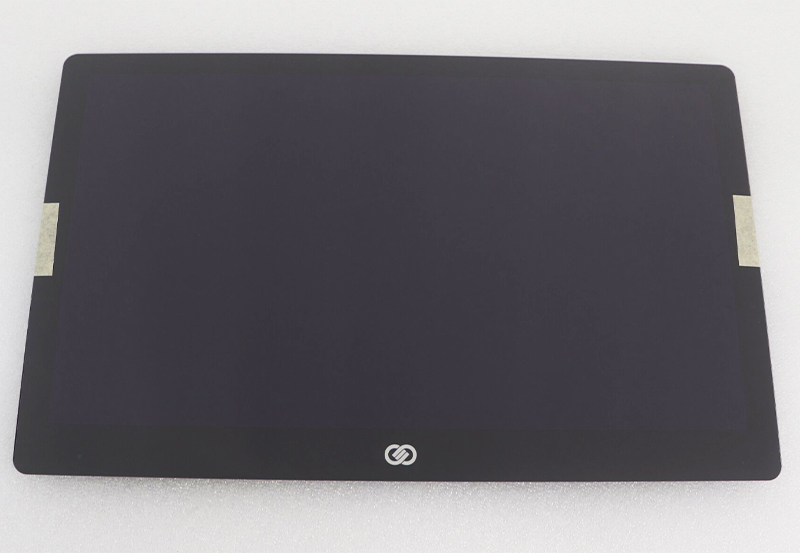
G156HAB02.1 AUO 15.6inch TFT-LCD screen 1920*1080 Display
In the intricate ecosystem of modern electronics, the display panel often serves as the critical interface between human and machine. For system integrators, engineers, and procurement specialists, selecting the right LCD module is a decision that directly impacts product performance, user experience, and market competitiveness. This article delves into a detailed examination of one such pivotal component: the G156HAB02.1, a 15.6-inch TFT-LCD panel developed by AUO (AU Optronics).
Our exploration moves beyond basic specifications to uncover the technological nuances and practical implications of this 1920x1080 Full HD display. We will analyze its core characteristics, from the pixel structure and backlight system to its electrical interface and mechanical design. Furthermore, this article will contextualize its performance within key application verticals, compare it with alternative technologies, and provide essential guidance for successful integration. The goal is to furnish you with a comprehensive, actionable understanding of what the G156HAB02.1 represents in today's component landscape.
Decoding the G156HAB02.1: Core Specifications and Architecture
The G156HAB02.1 is a 15.6-inch diagonal a-Si TFT-LCD module with a native resolution of 1920 x 1080 pixels, achieving a crisp pixel density of approximately 141 PPI. This Full HD resolution has become a versatile standard, offering a balance between sharp detail and manageable system bandwidth. The panel typically employs an IPS (In-Plane Switching) or advanced ADS (Advanced Hyper-Viewing Angle) technology, which is crucial for its wide viewing angle performance—often exceeding 85/85/85/85 degrees (Left/Right/Up/Down).
At its heart lies an LED backlight unit, which provides the illumination. This unit is characterized by its longevity, uniform brightness distribution, and support for standard brightness levels (e.g., 250 nits or 300 nits) with options for high-brightness variants for sunlight-readable applications. The color gamut coverage, often around 45% NTSC or 62% sRGB, defines its color reproduction capability, making it suitable for general-purpose and industrial applications where wide gamut is not the primary requirement. The module's architecture is designed for integration, featuring a standard LVDS (Low-Voltage Differential Signaling) interface for robust data transmission.
The Backbone of Performance: Display Technology and Visual Quality
Visual performance is dictated by the underlying panel technology. The G156HAB02.1's use of an IPS-type cell structure is its most significant attribute. Unlike older TN (Twisted Nematic) panels, IPS technology ensures consistent color and contrast are maintained even when viewed from sharp angles. This is indispensable for applications where multiple users may view the screen simultaneously or where the device orientation is not fixed, such as in point-of-sale systems, industrial control panels, or portable medical devices.
Other key quality metrics include the contrast ratio, which defines the depth between the brightest white and the darkest black, directly impacting image legibility and perceived richness. The panel's response time—the speed at which a pixel can change state—affects the clarity of moving images. While sufficient for most GUI and video playback, it is a parameter to note for fast-motion applications. Furthermore, the surface treatment, whether anti-glare (matte) or glossy, plays a vital role in mitigating ambient light reflections, a critical factor for usability in brightly lit environments.
Electrical and Mechanical Integration Parameters
Successful implementation hinges on precise electrical and mechanical alignment. Electrically, the G156HAB02.1 operates on a single power supply, typically 3.3V or 5.0V, simplifying power design. The LVDS interface, often following a 2-channel or 1-channel configuration, requires careful PCB layout to maintain signal integrity and minimize electromagnetic interference. The timing controller (TCON) settings, often embedded in the system's firmware, must match the panel's native timing to avoid display artifacts.
Mechanically, the module comes with a defined outline dimension, bezel area, and mounting hole positions. The thickness and weight are crucial for slim device profiles. A critical mechanical feature is the connector location (e.g., bottom or top) and type, which dictates the flex cable routing and overall assembly design. Understanding these parameters is essential for creating a seamless fit within the end product's enclosure, ensuring structural stability and thermal management.
Primary Application Verticals and Use-Case Analysis
The balanced specifications of the G156HAB02.1 make it a workhorse across several industries. In the industrial automation and HMI sector, its wide viewing angle, reliable LVDS interface, and robust construction support 24/7 operation in factories. For point-of-sale (POS) terminals and kiosks, the 15.6-inch size is ideal for transaction interfaces and customer-facing advertising, with durability for public use.
It is also prevalent in transportation (in-vehicle infotainment and control systems), medical monitoring equipment (where consistent grayscale performance is key), and general-purpose embedded systems. In each vertical, the value proposition shifts: for medical, it's reliability and viewing angle; for POS, it's cost-effectiveness and brightness; for industrial, it's longevity and interface stability. This versatility underscores its design philosophy.
Comparative Landscape: Alternatives and Market Positioning
Positioning the G156HAB02.1 requires comparison. Against lower-resolution 15.6-inch panels (1366x768), it offers superior clarity at a marginally higher cost and power draw. Compared to high-end 15.6-inch panels with wide color gamut (72% NTSC or 100% sRGB) or higher brightness (500+ nits), it occupies a more cost-sensitive, mainstream tier. Its primary competition comes from equivalent modules from other manufacturers like Innolux, BOE, or LG Display.
The choice often boils down to supply chain availability, specific performance tweaks (like lower power consumption or wider temperature ranges), and direct pricing. The G156HAB02.1's strength lies in AUO's manufacturing consistency and its status as a widely adopted, "de-risked" component with predictable performance and known integration characteristics.
Best Practices for Sourcing and Implementation
Procuring and integrating this module demands a strategic approach. Sourcing should be done through authorized distributors or directly from AUO to guarantee authenticity, access to technical support, and reliable supply. Always request and review the latest datasheet and application notes for the exact revision.
During implementation, pay meticulous attention to the ESD (Electrostatic Discharge) protection throughout the assembly process, as TFT panels are highly sensitive. Ensure the power sequence—the timing of when panel power, logic power, and signals are applied—strictly follows the manufacturer's recommendations to prevent permanent damage. Finally, conduct thorough environmental testing (temperature, humidity, vibration) in your specific application context to validate long-term reliability.
Frequently Asked Questions (FAQs)
Q10: How do I ensure compatibility with my controller board?A: Verify that your controller's LVDS output matches the panel's voltage swing, color mapping (6-bit+FRC vs. 8-bit), and pin assignment. The timing must also be compatible.
Conclusion
The AUO G156HAB02.1 15.6-inch Full HD LCD module exemplifies a mature, well-engineered component that strikes a deliberate balance between performance, reliability, and cost. Its wide viewing angle technology, standard LVDS interface, and versatile form factor have cemented its role as a preferred solution across diverse industrial, commercial, and embedded applications. Understanding its technical architecture, integration requirements, and market position is key to leveraging its full potential.
For product developers, the value lies not just in the specifications sheet, but in the component's proven track record and design predictability. By adhering to best practices in sourcing, electrical design, and mechanical integration, engineers can effectively harness this display to create robust and user-friendly end products. In a landscape of constant technological churn, the G156HAB02.1 remains a dependable workhorse, enabling innovation through its solid and consistent performance.