- Industrie-LCD-Display
-
Industrial Products
- DC Servo Drive
- AC Servo Drive
- other
- Heidelberg
- FANUC
- IFM
- Meter
- CCD
- Membrane Keypad
- Film
- YOKOGAWA
- Card
- ABB
- MITSUBISHI
- FANUC
- KEYENCE
- BECKHOFF
- Honeywell
- HOLLYSYS
- FUJI servo drives
- HP
- solenoid valve
- thermostat
- Siemens adapter
- color oscilloscope
- Fujitsu connector
- CHELIC
- SMC
- CISCO
- INTEL
- Key board
- FAIRCHILD
- Der Aufsichtsrat
- Board
- Bearing
- other
- Control Panel
- Contactor
- Circuit
- Omron
- Relais.
- Der controller
- Optoelektronische schalter
- Optoelektronische sensoren
- Original
- Fan
- Motortreiber
- Endschalter
- Verstärker
- power supply
- LENZE
- Cable
- Encoder
- Sensor
- Transformator
- Fiber Optic Sensor
- Schutzrelais
- Temperaturregler
- Näherungsschalter
- Switch Sensor
- Siemens
- PCB
- HMI Touch-Glas
-
HMI-Vollautomat Ganze Einheit
- OMRON HMI Touch Panel
- Siemens HMI Touch Panel
- Mitsubishi HMI Touch Panel
- Allen-Bradley Automatisierung HMI Touch
- DELTA HMI Touch Panel
- EVIEW DELTA HMI Touch Panel
- KINCO DELTA HMI Touch Panel
- HITECH HMI Touch Panel
- WEINTECK HMI Touch Panel
- TECVIEW HMI Touch Panel
- WEINVIEW HMI Touch Panel
- PRO-FACE HMI Touch Panel
- SIMATIC HMI Touch Panel
- AMPIRE HMI Touch Panel
- HEIDELBERG HMI Touch Panel
- PANASONIC HMI Touch Panel
- PATLITE HMI Touch Panel
- KYOCERA HMI Touch Panel
- KEYENCE HMI Touch Panel
- WEINVIEW HMI Touch Panel
- HITECH HMI Touch Panel
- FUJI HMI Touch Panel
- HAKKO HMI Touch Panel
- SCHNEIDER HMI Touch Panel
- SAMKOON touch panel
- andere
- Module
- LCD Wechselrichter
- Membran Tastenfeld Schalter
- Winni Touch Screens
- Frequenzumrichter
- Servo Motor
- PLC




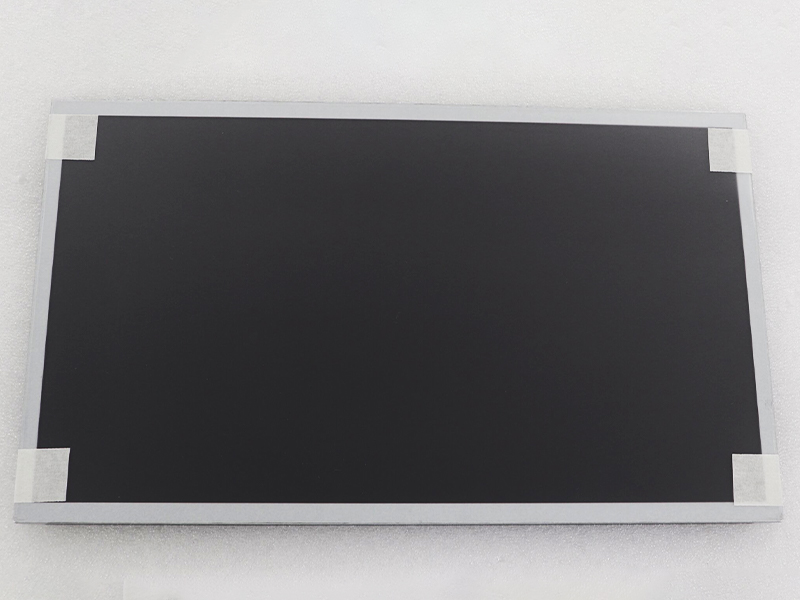
G156HCE-L01 Innolux 15.6inch 1920*1080 LCD PANEL
In the intricate ecosystem of modern electronics, the display panel serves as the critical bridge between digital data and human perception. Among the myriad of components that define a device's visual experience, the G156HCE-L01 from Innolux stands out as a quintessential example of engineering tailored for balance and reliability. This 15.6-inch, Full HD (1920x1080) LCD panel is not merely a commodity part; it is a meticulously designed module that powers a vast array of applications, from mainstream laptops and portable monitors to industrial control systems and interactive kiosks.
Understanding this panel's specifications is just the starting point. This article delves deep into the G156HCE-L01, moving beyond basic datasheet parameters to explore the technology that defines its performance, its strategic position in the market, and the practical considerations for integration and sourcing. We will dissect its optical characteristics, interface and power architecture, and the nuanced factors that make it a preferred choice for manufacturers seeking a proven, high-value visual solution.
Decoding the Core Specifications and Target Applications
The Innolux G156HCE-L01 is built around a 15.6-inch diagonal active area with a standard 16:9 aspect ratio and a Full HD resolution of 1920 x 1080 pixels. This results in a pixel density of approximately 141 PPI (Pixels Per Inch), which strikes a functional balance between sharp text clarity and manageable system performance demands, making it a mainstream sweet spot. The panel typically employs an IPS (In-Plane Switching) or similar wide-viewing angle technology, ensuring consistent color and contrast when viewed from off-angles.
Its application footprint is broad. Primarily, it serves as the visual heart of consumer and business-grade notebook computers, where reliability and cost-effectiveness are paramount. Beyond laptops, this panel model is frequently adopted in portable external monitors, all-in-one PCs, and various B2B and industrial environments. In these settings, its standardized form factor, robust performance, and widespread availability make it a low-risk, high-compatibility choice for system integrators who prioritize supply chain stability and proven performance over experimental display features.
The Optical Performance: Brightness, Color, and Contrast
Optical performance is where a panel translates electrical signals into visual experience. The G156HCE-L01 is engineered for dependable everyday use. Its brightness typically ranges around 250 nits, sufficient for indoor office and home environments without excessive power draw. The color gamut coverage usually targets a baseline of 45% NTSC or sRGB, adequate for general productivity, web browsing, and multimedia consumption, though not for professional color-critical work.
The contrast ratio, a key factor in perceived image depth and legibility, is a strong suit for this panel type. With static contrast ratios often reaching 700:1 or 1000:1, it delivers deep blacks and clear differentiation between dark shades, enhancing the viewing experience for text and video. The inclusion of LED backlighting with WLED (White LED) arrays ensures uniform illumination, energy efficiency, and a long operational lifespan, which are critical for both consumer electronics and industrial equipment meant for extended duty cycles.
Interface and Power: The Critical Link to the System
A display panel is an island without a proper bridge to the host system. The G156HCE-L01 commonly utilizes an LVDS (Low-Voltage Differential Signaling) or eDP (Embedded DisplayPort) interface. LVDS, a mature and robust standard, is prevalent in many existing designs, offering reliable data transmission with good noise immunity. The choice of interface dictates the required connecting cable (e.g., 30-pin or 40-pin LVDS) and the compatible controller board or system motherboard.
Power consumption is a decisive factor, especially for mobile devices. This panel is designed with efficiency in mind. The LED backlight system is the primary power consumer, and its typical operational voltage (e.g., 3.3V for logic, ~20V for the backlight inverter) is standardized for easy integration. Designers must carefully consider the backlight driver circuit to ensure stable dimming control and avoid flicker, which can cause user eye strain. The overall power profile supports good battery life in laptop applications.
Mechanical Design and Compatibility Considerations
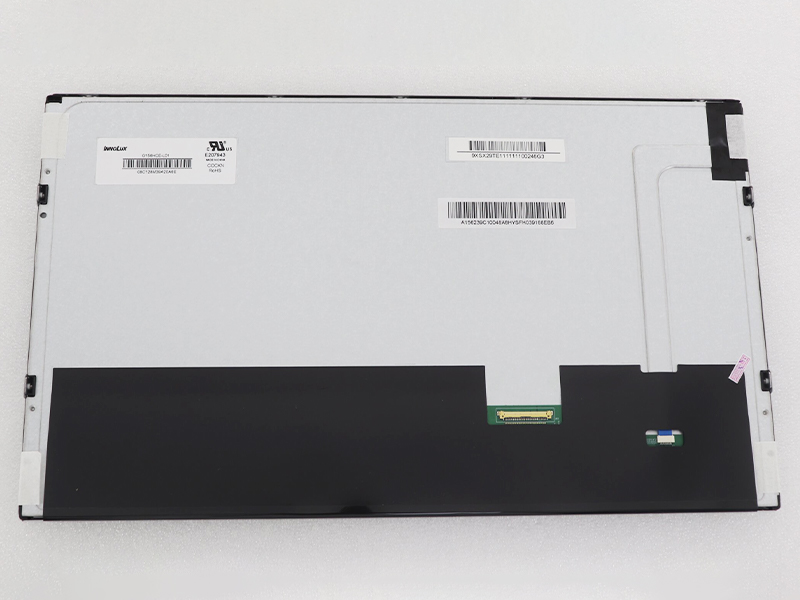
The physical and mechanical design of the G156HCE-L01 is as standardized as its electrical interface, which is a significant part of its value proposition. It adheres to common dimensional footprints, mounting hole patterns, and bezel designs for 15.6-inch panels. This mechanical compatibility allows manufacturers to design a single chassis that can accommodate this panel or equivalent alternatives from other suppliers, providing crucial flexibility in sourcing and production.
Key mechanical notes include the exact outline dimensions, the position of the connector (typically at the rear), and the type of surface treatment (matte anti-glare is most common for its diffusion of ambient light). Integrators must also account for the thickness and weight, which influence device portability. Furthermore, understanding the panel's operating and storage temperature ranges is vital for ensuring reliability in non-climate-controlled industrial or vehicular environments, expanding its utility beyond the typical office setting.
Market Context and Alternative Sourcing
In the global display supply chain, the G156HCE-L01 exists within a competitive landscape of direct equivalents and near-equivalents. Panels from AUO, BOE, LG Display, and Samsung may offer similar specifications, creating a vibrant secondary and replacement market. This ecosystem is crucial for repair technicians, DIY enthusiasts, and manufacturers seeking to dual-source components for risk mitigation.
When sourcing, it is imperative to verify not just the model number but also the revision code and the exact pinout definition. Minor revisions can sometimes involve changes to the backlight configuration or interface timing. Sourcing from reputable distributors or directly from Innolux ensures authenticity and consistency. For older equipment repair, identifying a compatible alternative often involves matching the size, resolution, interface type, connector position, and voltage requirements—a process where the G156HCE-L01 often serves as a reliable reference specification.
Integration Challenges and Long-Term Value
Successfully integrating the G156HCE-L01 into a product involves overcoming several practical challenges. Engineers must design or source a correctly matched controller board that translates the system's video output (e.g., HDMI from a mini-PC) to the panel's native LVDS or eDP signal. Thermal management, though less demanding than for high-brightness panels, must still be considered to prevent heat buildup that can affect longevity and performance.
The long-term value of this panel lies in its proven reliability, cost-effectiveness, and ecosystem support. Its technology is mature, meaning firmware and driver issues are rare. For businesses, this translates to lower total cost of ownership, easier maintenance, and reduced risk of production delays. In a market increasingly focused on ultra-high refresh rates and OLED technology, the enduring relevance of workhorse panels like the G156HCE-L01 underscores the continued demand for dependable, high-value visual solutions that simply work, day in and day out.
FAQs: G156HCE-L01 LCD Panel
1. What is the primary application of the G156HCE-L01 panel?
It is primarily used in 15.6-inch laptops, portable monitors, all-in-one PCs, and various industrial display applications.
2. What is the resolution and aspect ratio?
The resolution is 1920x1080 (Full HD), with a 16:9 aspect ratio.
3. What type of interface does it use?
It commonly uses an LVDS (Low-Voltage Differential Signaling) or eDP (Embedded DisplayPort) interface.
4. Is this an IPS panel?
It typically features IPS or similar wide-viewing angle technology, but always verify the exact specification sheet for the specific version.
5. What is the typical brightness level?
Brightness is typically around 250 nits, suitable for indoor use.
6. Can I use this panel to replace a broken one in my laptop?
Yes, if your laptop originally used a compatible 15.6" Full HD 30-pin/40-pin LVDS panel. You must match the interface, connector position, and physical dimensions.
7. Where can I buy the G156HCE-L01 panel?
It can be sourced from electronic component distributors, specialized display retailers, and directly from Innolux or its authorized partners.
8. What are the key things to check when sourcing a replacement?
Verify the model number, revision, interface type (LVDS/eDP), pin count, connector location, and mounting hole positions.
9. Does it support touch functionality?
The standard G156HCE-L01 is a non-touch LCD panel. Touch capability would require an additional digitizer layer.
10. What is the advantage of choosing this panel over newer technologies?
Its advantages are lower cost, proven reliability, wide compatibility, and readily available technical support and accessories like controller boards.
Conclusion
The Innolux G156HCE-L01 15.6-inch Full HD LCD panel exemplifies the enduring importance of balanced, well-executed engineering in a component-driven world. Our exploration has moved beyond mere specifications to reveal a module designed for real-world reliability and seamless integration across a diverse range of applications. From its competent optical performance and standardized interfaces to its mechanical predictability and supportive supply chain, every aspect is tuned for practical value.
In an era captivated by cutting-edge display innovations, the sustained demand for panels like the G156HCE-L01 serves as a powerful reminder. It underscores that for a vast segment of the market—encompassing education, enterprise, industry, and everyday computing—the core requirements remain consistent: clear, reliable visuals, robust construction, and cost-effective performance. For designers, integrators, and technicians, mastering the details of such foundational components is not just about fixing or building a device; it's about understanding the bedrock upon which the digital visual experience is built for millions of users worldwide.