- Industrie-LCD-Display
-
Industrial Products
- DC Servo Drive
- AC Servo Drive
- other
- Heidelberg
- FANUC
- IFM
- Meter
- CCD
- Membrane Keypad
- Film
- YOKOGAWA
- Card
- ABB
- MITSUBISHI
- FANUC
- KEYENCE
- BECKHOFF
- Honeywell
- HOLLYSYS
- FUJI servo drives
- HP
- solenoid valve
- thermostat
- Siemens adapter
- color oscilloscope
- Fujitsu connector
- CHELIC
- SMC
- CISCO
- INTEL
- Key board
- FAIRCHILD
- Der Aufsichtsrat
- Board
- Bearing
- other
- Control Panel
- Contactor
- Circuit
- Omron
- Relais.
- Der controller
- Optoelektronische schalter
- Optoelektronische sensoren
- Original
- Fan
- Motortreiber
- Endschalter
- Verstärker
- power supply
- LENZE
- Cable
- Encoder
- Sensor
- Transformator
- Fiber Optic Sensor
- Schutzrelais
- Temperaturregler
- Näherungsschalter
- Switch Sensor
- Siemens
- PCB
- HMI Touch-Glas
-
HMI-Vollautomat Ganze Einheit
- OMRON HMI Touch Panel
- Siemens HMI Touch Panel
- Mitsubishi HMI Touch Panel
- Allen-Bradley Automatisierung HMI Touch
- DELTA HMI Touch Panel
- EVIEW DELTA HMI Touch Panel
- KINCO DELTA HMI Touch Panel
- HITECH HMI Touch Panel
- WEINTECK HMI Touch Panel
- TECVIEW HMI Touch Panel
- WEINVIEW HMI Touch Panel
- PRO-FACE HMI Touch Panel
- SIMATIC HMI Touch Panel
- AMPIRE HMI Touch Panel
- HEIDELBERG HMI Touch Panel
- PANASONIC HMI Touch Panel
- PATLITE HMI Touch Panel
- KYOCERA HMI Touch Panel
- KEYENCE HMI Touch Panel
- WEINVIEW HMI Touch Panel
- HITECH HMI Touch Panel
- FUJI HMI Touch Panel
- HAKKO HMI Touch Panel
- SCHNEIDER HMI Touch Panel
- SAMKOON touch panel
- andere
- Module
- LCD Wechselrichter
- Membran Tastenfeld Schalter
- Winni Touch Screens
- Frequenzumrichter
- Servo Motor
- PLC




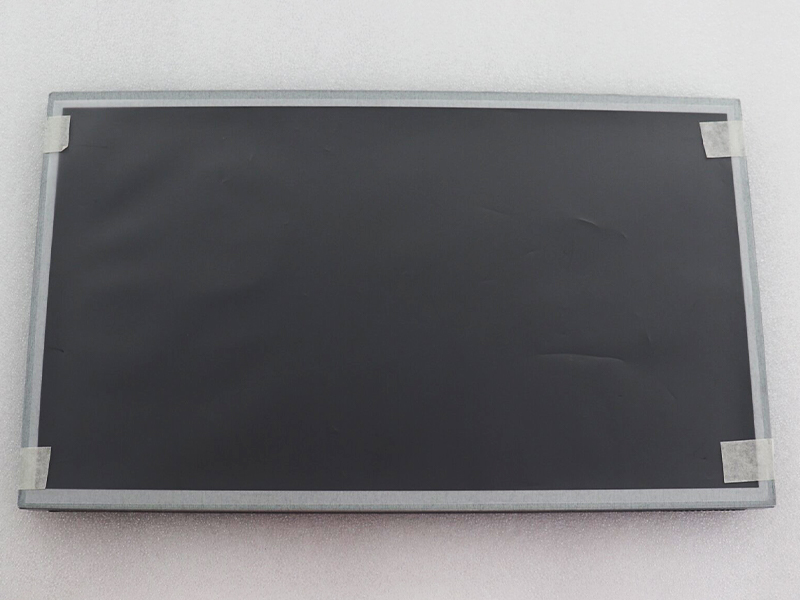
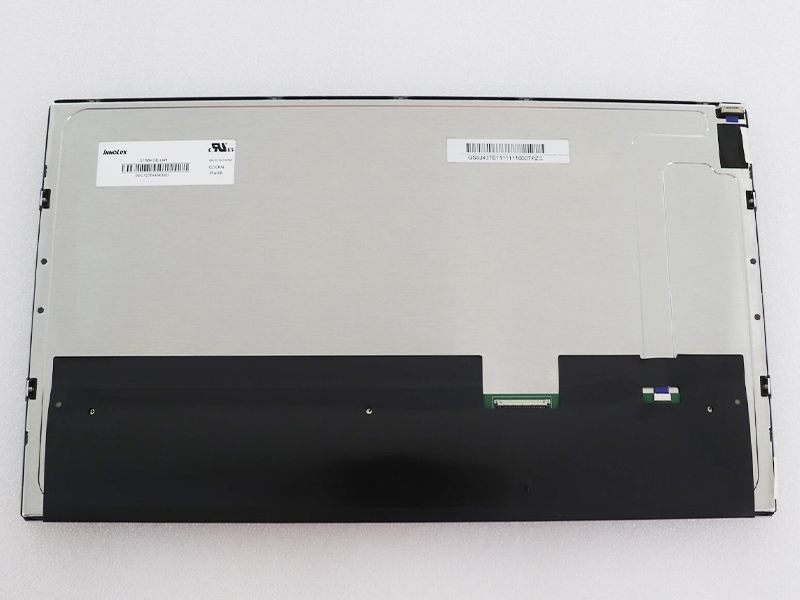
G156HCE-LH1 Innolux 15.6inch 1920×1080 LCD DISPLAY
In the intricate ecosystem of modern electronics, the display panel serves as the critical nexus between user and machine. For engineers, system integrators, and procurement specialists, selecting the right LCD is a decision that profoundly impacts product performance, user experience, and market viability. This article delves into a detailed examination of the G156HCE-LH1, a 15.6-inch Full HD panel from Innolux, a leading force in display manufacturing. We will move beyond basic datasheet specifications to explore the nuanced technological choices, performance characteristics, and practical applications that define this component.
Our analysis aims to provide a comprehensive resource. We will investigate the panel's core optical performance, its structural and interface design, and the specific advantages offered by its likely IPS technology. Furthermore, we will contextualize its position within Innolux's portfolio and the broader market, suggest ideal application scenarios, and provide crucial guidance for sourcing and integration. This deep dive is designed to equip you with the insights necessary to determine if the G156HCE-LH1 is the optimal display solution for your next project.
Decoding the Core Specifications: A 15.6" FHD Canvas
The G156HCE-LH1 is built around a 15.6-inch diagonal active area with a mainstream 1920 x 1080 resolution, commonly known as Full HD. This specification offers a balance between pixel density and system cost for its size, providing clear imagery without overburdening the device's graphics subsystem. The aspect ratio is the ubiquitous 16:9, making it perfectly suited for multimedia consumption, software applications, and general computing interfaces designed for this standard.
Understanding its physical footprint is crucial for mechanical integration. As a standard-sized panel, its dimensions and mounting hole patterns adhere to common form factors, but designers must always consult the official mechanical drawing for precise bezel and thickness requirements. The panel's native color depth, typically 6-bit+FRC or 8-bit, defines its color reproduction capability, a key factor for color-sensitive tasks. These foundational specs form the basis upon which its more advanced features are layered.
Optical Performance and Viewing Experience
Beyond resolution, the perceived quality of a display is governed by its optical performance. Key metrics here include brightness, measured in nits (cd/m²), contrast ratio, and color gamut coverage. The G156HCE-LH1 is engineered for reliable visibility, with a brightness level suitable for indoor and controlled lighting environments. A high static contrast ratio ensures deep blacks and bright whites, contributing to image depth and clarity.
Most critically, this model is presumed to utilize In-Plane Switching (IPS) or similar advanced wide-view technology. This is its standout feature, offering superior viewing angles—often 85/85/85/85 degrees or better—with minimal color shift and contrast degradation when viewed from the sides, above, or below. This makes it an excellent choice for applications where multiple viewers or variable viewing positions are expected, such as industrial control panels, point-of-sale systems, or portable medical devices.
Mechanical Design and Interface Integration
The physical and electrical integration of the G156HCE-LH1 is defined by its mechanical construction and signal interface. The panel likely features an LED backlighting system, which provides efficient, long-lasting, and uniform illumination. The choice of interface, commonly LVDS (Low-Voltage Differential Signaling) for a panel of this vintage and resolution, is a pivotal detail. It dictates the type of controller board or embedded graphics output required to drive the display.
The mechanical design includes precise specifications for overall thickness, weight, and the placement of mounting holes. For applications subject to vibration or harsh environments, understanding the panel's construction robustness is essential. Additionally, the connector type and pin configuration must be matched exactly with the intended cabling and controller to ensure a stable signal transmission and avoid physical damage during assembly.
Positioning within Innolux's Portfolio and the Market
The G156HCE-LH1 resides within a specific tier of Innolux's extensive product lineup. It represents a mature, reliable, and cost-optimized solution rather than a cutting-edge showcase of the latest display technology (such as mini-LED or high refresh rates). Its value proposition lies in delivering proven performance—excellent viewing angles, solid Full HD resolution, and dependable operation—at a competitive price point.
In the broader market, it competes with similar panels from other manufacturers like AUO, BOE, and LG Display. Its differentiation often comes from Innolux's manufacturing scale, supply chain reliability, and the specific performance tuning of its optical stack. For buyers, this positioning means it is a low-risk, high-availability component ideal for products where display performance is important but not the primary revolutionary feature.
Ideal Application Scenarios and Use Cases
The technical profile of the G156HCE-LH1 makes it exceptionally versatile for embedded and industrial applications. Its combination of a 15.6-inch size, wide viewing angles, and robust FHD resolution aligns perfectly with several key markets:
Industrial Human-Machine Interfaces (HMIs): For factory automation and control systems where readability from various angles is critical.
Medical Monitoring Equipment: Where accurate color representation and consistent clarity are necessary for diagnostic support.
Point-of-Sale (POS) and Kiosk Systems: For customer-facing terminals that require durable, always-on displays with good visibility.
Transportation and Marine Consoles: As a central display in vehicles or vessels, benefiting from its standard form factor and reliability.
Specialized Laptop or All-in-One PC Designs: For custom computing solutions requiring a dependable, quality panel.
Sourcing, Compatibility, and Lifespan Considerations
Successfully implementing the G156HCE-LH1 requires attention to logistical and long-term factors. Sourcing should be done through authorized distributors or reputable suppliers to guarantee authenticity and access to technical support. Verifying compatibility is a two-step process: ensuring the mechanical fit within the device enclosure and confirming the electrical and signal compatibility with the host controller.
For long-term product planning, understanding the panel's lifecycle status is vital. As a mature product, it may eventually move towards end-of-life (EOL). Proactive engagement with suppliers regarding forecasted longevity, potential drop-in replacements, or alternative Innolux models is a best practice. Additionally, considering the operating temperature range and ensuring adequate thermal management in the end product will safeguard the display's performance and longevity over its intended service life.
FAQs: G156HCE-LH1 LCD Display
Q1: What is the screen size and resolution of the G156HCE-LH1?
A1: It is a 15.6-inch diagonal display with a Full HD (1920 x 1080 pixels) resolution.
Q2: What type of panel technology does it use?
A2: It almost certainly uses IPS (In-Plane Switching) or a similar wide-viewing angle technology.
Q3: What are the key benefits of this panel?
A3: Excellent wide viewing angles, good color consistency, solid FHD clarity, and reliable performance in embedded applications.
Q4: What is the typical interface for this LCD?
A4: It typically uses an LVDS (Low-Voltage Differential Signaling) interface, though the exact pinout must be verified.
Q5: Is this panel suitable for outdoor use?
A5: No, its brightness is designed for indoor use. Outdoor applications require high-brightness panels with anti-glare treatment.
Q6: Can I use this as a direct replacement for a broken laptop screen?
A6: Only if the original laptop screen used the exact same model. Compatibility depends on size, resolution, interface, connector, and mounting.
Q7: Where is this display commonly used?
A7: Common applications include industrial HMIs, medical devices, POS/kiosk systems, transportation consoles, and custom PCs.
Q8: How do I ensure compatibility with my controller board?
A8: You must match the interface type (e.g., LVDS), voltage, pin assignment, and signal timing. A controller board specifically configured for this panel is recommended.
Q9: Who manufactures the G156HCE-LH1?
A9: It is manufactured by Innolux Corporation, a major Taiwanese display panel maker.
Q10: Where can I buy this panel and find technical documents?
A10: It is available through electronic component distributors. The official datasheet and mechanical drawings should be requested from Innolux or your supplier.
Conclusion
The Innolux G156HCE-LH1 stands as a testament to the value of refined, application-driven engineering in the display industry. It may not boast the highest refresh rate or the most expansive color gamut, but it excels precisely where it matters for its target market: delivering consistent, wide-angle, Full HD visual performance in a reliable and cost-effective package. Its strengths are clarity, durability, and versatility, making it a workhorse component for a wide array of professional and industrial devices.
For integrators and product developers, the choice of this panel represents a balanced decision. It prioritizes proven technology and supply chain stability, reducing project risk while ensuring a quality user experience. By thoroughly understanding its specifications, integration requirements, and ideal use cases outlined in this analysis, you can confidently leverage the G156HCE-LH1 to build robust and effective digital products that stand the test of time and usage.