- Industrie-LCD-Display
-
Industrial Products
- DC Servo Drive
- AC Servo Drive
- other
- Heidelberg
- FANUC
- IFM
- Meter
- CCD
- Membrane Keypad
- Film
- YOKOGAWA
- Card
- ABB
- MITSUBISHI
- FANUC
- KEYENCE
- BECKHOFF
- Honeywell
- HOLLYSYS
- FUJI servo drives
- HP
- solenoid valve
- thermostat
- Siemens adapter
- color oscilloscope
- Fujitsu connector
- CHELIC
- SMC
- CISCO
- INTEL
- Key board
- FAIRCHILD
- Der Aufsichtsrat
- Board
- Bearing
- other
- Control Panel
- Contactor
- Circuit
- Omron
- Relais.
- Der controller
- Optoelektronische schalter
- Optoelektronische sensoren
- Original
- Fan
- Motortreiber
- Endschalter
- Verstärker
- power supply
- LENZE
- Cable
- Encoder
- Sensor
- Transformator
- Fiber Optic Sensor
- Schutzrelais
- Temperaturregler
- Näherungsschalter
- Switch Sensor
- Siemens
- PCB
- HMI Touch-Glas
-
HMI-Vollautomat Ganze Einheit
- OMRON HMI Touch Panel
- Siemens HMI Touch Panel
- Mitsubishi HMI Touch Panel
- Allen-Bradley Automatisierung HMI Touch
- DELTA HMI Touch Panel
- EVIEW DELTA HMI Touch Panel
- KINCO DELTA HMI Touch Panel
- HITECH HMI Touch Panel
- WEINTECK HMI Touch Panel
- TECVIEW HMI Touch Panel
- WEINVIEW HMI Touch Panel
- PRO-FACE HMI Touch Panel
- SIMATIC HMI Touch Panel
- AMPIRE HMI Touch Panel
- HEIDELBERG HMI Touch Panel
- PANASONIC HMI Touch Panel
- PATLITE HMI Touch Panel
- KYOCERA HMI Touch Panel
- KEYENCE HMI Touch Panel
- WEINVIEW HMI Touch Panel
- HITECH HMI Touch Panel
- FUJI HMI Touch Panel
- HAKKO HMI Touch Panel
- SCHNEIDER HMI Touch Panel
- SAMKOON touch panel
- andere
- Module
- LCD Wechselrichter
- Membran Tastenfeld Schalter
- Winni Touch Screens
- Frequenzumrichter
- Servo Motor
- PLC


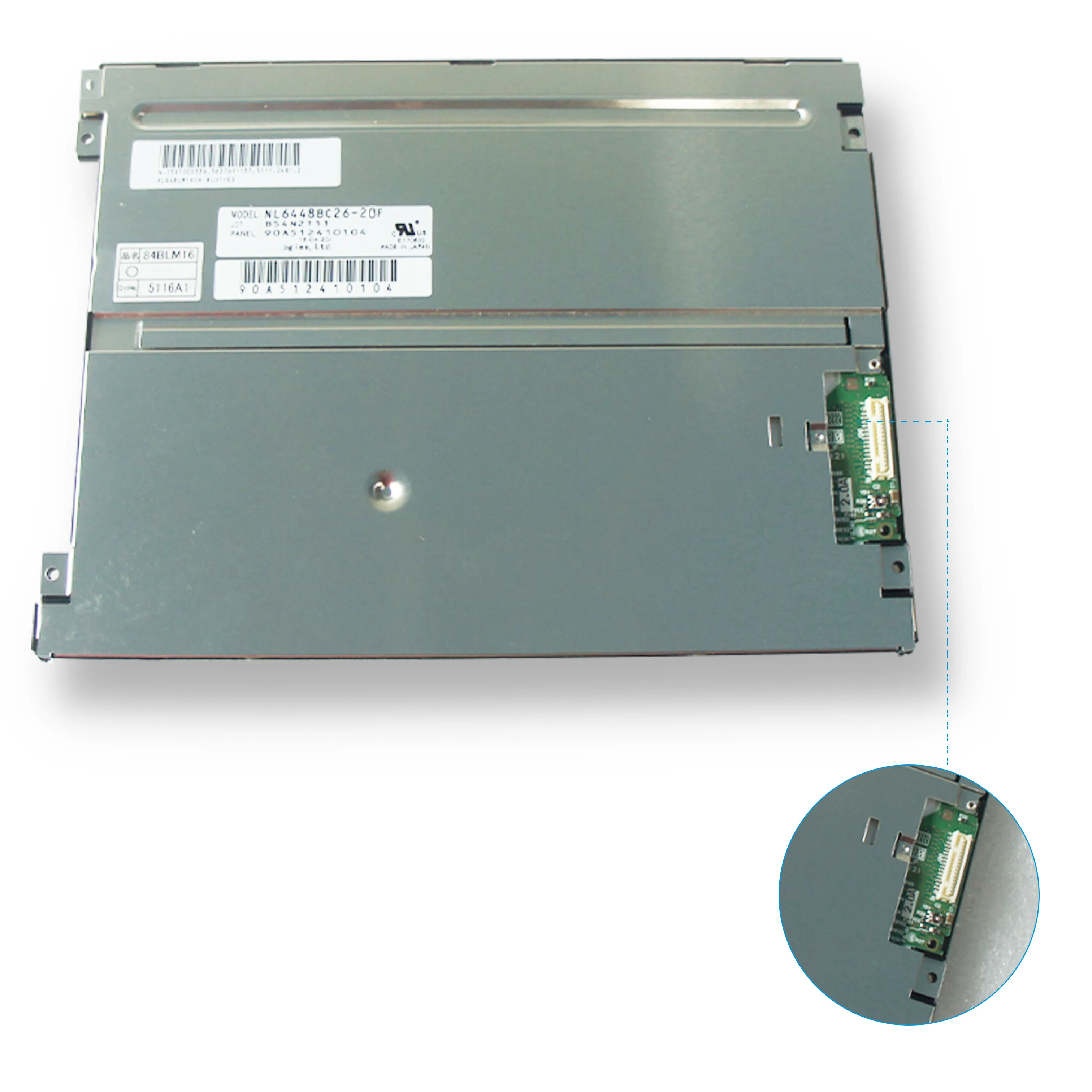


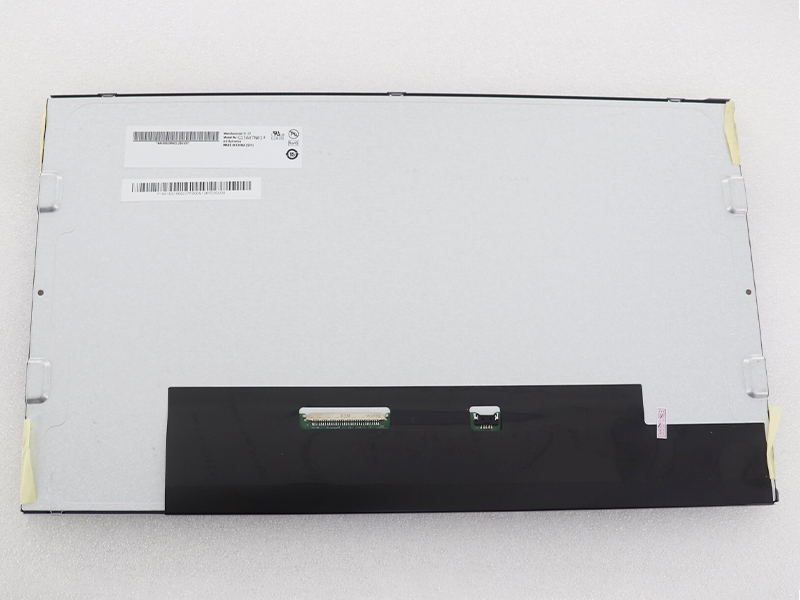
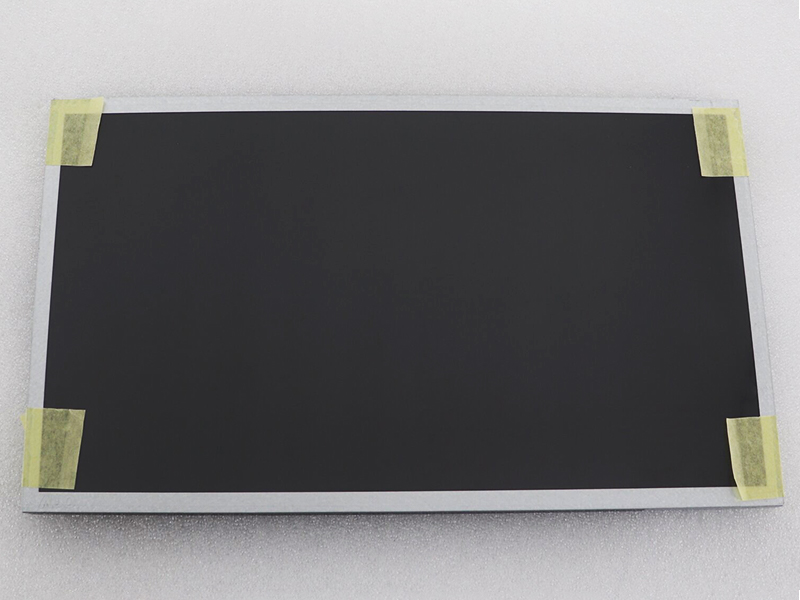
G156XTN01.0 AUO 15.6" TFT-LCD screen 1366*768 Display
In the intricate ecosystem of modern electronics, the display panel serves as the critical interface between human and machine. While flagship smartphones and high-refresh gaming monitors often steal the spotlight, a vast world of reliable, purpose-built components powers the devices we use daily. This article delves deep into one such workhorse: the G156XTN01.0, a 15.6-inch TFT-LCD panel manufactured by AUO (AU Optronics).
Beyond a simple part number, the G156XTN01.0 represents a specific set of technological choices and performance parameters. Its 1366 x 768 resolution (HD+) defines its clarity, while its TFT-LCD architecture dictates its viewing characteristics and power profile. We will dissect this panel's specifications, explore its ideal applications, and analyze its position in the current market. This exploration is crucial for engineers, procurement specialists, and tech enthusiasts seeking to understand the foundational display technology embedded in countless laptops, industrial equipment, and specialized devices.
Decoding the G156XTN01.0: Specifications and Core Technology
The G156XTN01.0 is a 15.6-inch diagonal Twisted Nematic (TN) TFT-LCD display module with an aspect ratio of 16:9. Its native resolution is 1366 x 768 pixels, commonly referred to as HD+ or WXGA. This pixel density, while not suited for high-end creative work, provides adequate sharpness for general computing tasks. The module typically features an LED backlighting system, offering improved energy efficiency and longevity over older CCFL technology.
Key technical parameters include its brightness, usually around 200-250 nits, and contrast ratio. As a TN panel, it offers relatively fast response times, which is beneficial for reducing motion blur. The interface is typically LVDS (Low-Voltage Differential Signaling), a standard and robust connection protocol for embedded displays. Understanding these core specs is the first step in evaluating its suitability for any project, setting the stage for a discussion on its visual performance.
Visual Performance Analysis: Brightness, Contrast, and Viewing Angles
The visual experience of the G156XTN01.0 is fundamentally shaped by its TN panel technology. This type of LCD is known for delivering fast response times and cost-effective manufacturing. However, it comes with trade-offs in viewing angles and color reproduction. Vertical and horizontal viewing angles are typically limited to 160/160 degrees or similar, meaning that image contrast, color, and brightness can shift significantly when viewed off-center.
Its contrast ratio is adequate for office environments and basic multimedia. The brightness level of ~250 nits is sufficient for indoor use but may struggle in brightly lit conditions. Color gamut coverage is generally around 45-50% of the NTSC standard, indicating it can display a basic range of colors suitable for text, web browsing, and standard-definition video, but not for color-critical applications. This performance profile clearly defines its operational envelope.
Primary Applications and Integration Scenarios
The G156XTN01.0 finds its home in applications where reliability, cost-effectiveness, and adequate performance are prioritized over premium visual specs. Its most common integration is in entry-level and budget-friendly laptops for education and general business use. Furthermore, it is extensively used in industrial and commercial settings.
Industrial Control Panels: HMI (Human-Machine Interface) for machinery where wide viewing angles are less critical.
Point-of-Sale (POS) Systems: Cash registers and kiosks requiring durable, long-life displays.
Embedded Systems: Medical devices, test equipment, and transportation displays where specific form factor and interface compatibility are key.
Its standard 15.6-inch size and common LVDS interface make it a plug-and-play component in many existing chassis designs.
Comparative Landscape: TN vs. IPS and Evolving Resolutions
To fully appreciate the G156XTN01.0's role, one must contrast it with alternatives. The most direct competitor in its size class is IPS (In-Plane Switching) technology. IPS panels offer vastly superior viewing angles and better color accuracy but often at a higher cost and with slightly slower response times. For a budget-sensitive project where users view the screen head-on, the TN panel remains a valid choice.
Regarding resolution, the 1366x768 standard is now considered legacy in the consumer laptop space, largely superseded by Full HD (1920x1080). However, in industrial and embedded markets, HD+ remains prevalent due to lower system cost, reduced processing power requirements, and compatibility with older software interfaces designed for lower resolutions. The G156XTN01.0, therefore, occupies a specific niche where modern Full HD is not a requisite.
Compatibility and Interface Considerations for Engineers
Successful integration of the G156XTN01.0 hinges on technical compatibility. The module requires a compatible LVDS signal source. Engineers must verify the pinout configuration, voltage requirements (typically 3.3V or 5V for power and logic), and the number of LVDS data lanes (usually 1-channel or 2-channel). The backlight inverter or LED driver circuit must also be matched to the panel's specifications.
Physical mounting is another critical factor. The panel's outline dimensions, bezel size, and screw hole positions must align with the host device's chassis. Furthermore, considering the supply chain longevity is essential for products with long lifecycles. Understanding these integration parameters prevents costly redesigns and ensures stable operation in the field.
Market Trajectory and Sourcing Strategies
The G156XTN01.0 is a mature product. While AUO may have phased out its mass production, it often remains available for a considerable period through authorized distributors and specialized display component suppliers. For ongoing projects or maintenance cycles, securing a reliable source for genuine or A-grade compatible panels is paramount.
The market for such panels has bifurcated. For new designs, engineers are increasingly opting for higher-resolution or IPS panels as their cost differential shrinks. However, a sustained demand exists in the repair, refurbishment, and legacy system support sectors. Sourcing requires diligence to avoid counterfeit or low-quality rejects. Building relationships with reputable suppliers who provide technical support and warranty is a key strategy for procurement professionals.
FAQs: G156XTN01.0 Display Panel
Q1: What is the G156XTN01.0?
A: It is a 15.6-inch HD+ (1366x768) TN-type TFT-LCD display module produced by AU Optronics.
Q2: What does "TN" mean for this screen?
A: TN (Twisted Nematic) refers to the LCD technology, offering fast response time but narrower viewing angles compared to IPS.
Q3: What is its typical brightness?
A: Brightness is typically around 200-250 nits, suitable for indoor use.
Q4: What devices commonly use this panel?
A: Budget laptops, industrial HMIs, POS systems, and various embedded electronic devices.
Q5: What is the main interface for this display?
A: It typically uses an LVDS (Low-Voltage Differential Signaling) interface.
Q6: Is this panel still being manufactured?
A: It is a mature product; mass production may have ended, but it is widely available through distributors for repair and legacy systems.
Q7: Can I replace it with an IPS panel?
A: Possibly, but it requires checking physical dimensions, mounting, interface compatibility (LVDS pinout), and power requirements.
Q8: What are its main disadvantages?
A: Limited viewing angles, modest color gamut, and a lower resolution by modern consumer standards.
Q9: Is 1366x768 resolution good enough?
A: For basic computing, industrial applications, and legacy software, it is sufficient. For multimedia or multi-tasking, higher resolutions are preferred.
Q10: Where can I source this panel?
A: From specialized electronic component distributors, display module suppliers, and reputable online marketplaces that cater to B2B and repair markets.
Conclusion
The AUO G156XTN01.0 is far more than a simple component number. It embodies a specific era and philosophy of display design: prioritizing functional reliability, cost efficiency, and ease of integration over cutting-edge visual fidelity. Its analysis reveals the careful balancing act engineers perform when selecting parts for mass-market and specialized devices.
While consumer trends march relentlessly toward 4K and OLED, panels like the G156XTN01.0 continue to form the backbone of the global digital infrastructure in factories, offices, and essential equipment. Understanding its specifications, applications, and market context is invaluable for making informed design, procurement, and repair decisions. In the world of technology, even the "standard" component holds a story of precision, trade-offs, and enduring utility.