- Industrie-LCD-Display
-
Industrial Products
- DC Servo Drive
- AC Servo Drive
- other
- Heidelberg
- FANUC
- IFM
- Meter
- CCD
- Membrane Keypad
- Film
- YOKOGAWA
- Card
- ABB
- MITSUBISHI
- FANUC
- KEYENCE
- BECKHOFF
- Honeywell
- HOLLYSYS
- FUJI servo drives
- HP
- solenoid valve
- thermostat
- Siemens adapter
- color oscilloscope
- Fujitsu connector
- CHELIC
- SMC
- CISCO
- INTEL
- Key board
- FAIRCHILD
- Der Aufsichtsrat
- Board
- Bearing
- other
- Control Panel
- Contactor
- Circuit
- Omron
- Relais.
- Der controller
- Optoelektronische schalter
- Optoelektronische sensoren
- Original
- Fan
- Motortreiber
- Endschalter
- Verstärker
- power supply
- LENZE
- Cable
- Encoder
- Sensor
- Transformator
- Fiber Optic Sensor
- Schutzrelais
- Temperaturregler
- Näherungsschalter
- Switch Sensor
- Siemens
- PCB
- HMI Touch-Glas
-
HMI-Vollautomat Ganze Einheit
- OMRON HMI Touch Panel
- Siemens HMI Touch Panel
- Mitsubishi HMI Touch Panel
- Allen-Bradley Automatisierung HMI Touch
- DELTA HMI Touch Panel
- EVIEW DELTA HMI Touch Panel
- KINCO DELTA HMI Touch Panel
- HITECH HMI Touch Panel
- WEINTECK HMI Touch Panel
- TECVIEW HMI Touch Panel
- WEINVIEW HMI Touch Panel
- PRO-FACE HMI Touch Panel
- SIMATIC HMI Touch Panel
- AMPIRE HMI Touch Panel
- HEIDELBERG HMI Touch Panel
- PANASONIC HMI Touch Panel
- PATLITE HMI Touch Panel
- KYOCERA HMI Touch Panel
- KEYENCE HMI Touch Panel
- WEINVIEW HMI Touch Panel
- HITECH HMI Touch Panel
- FUJI HMI Touch Panel
- HAKKO HMI Touch Panel
- SCHNEIDER HMI Touch Panel
- SAMKOON touch panel
- andere
- Module
- LCD Wechselrichter
- Membran Tastenfeld Schalter
- Winni Touch Screens
- Frequenzumrichter
- Servo Motor
- PLC


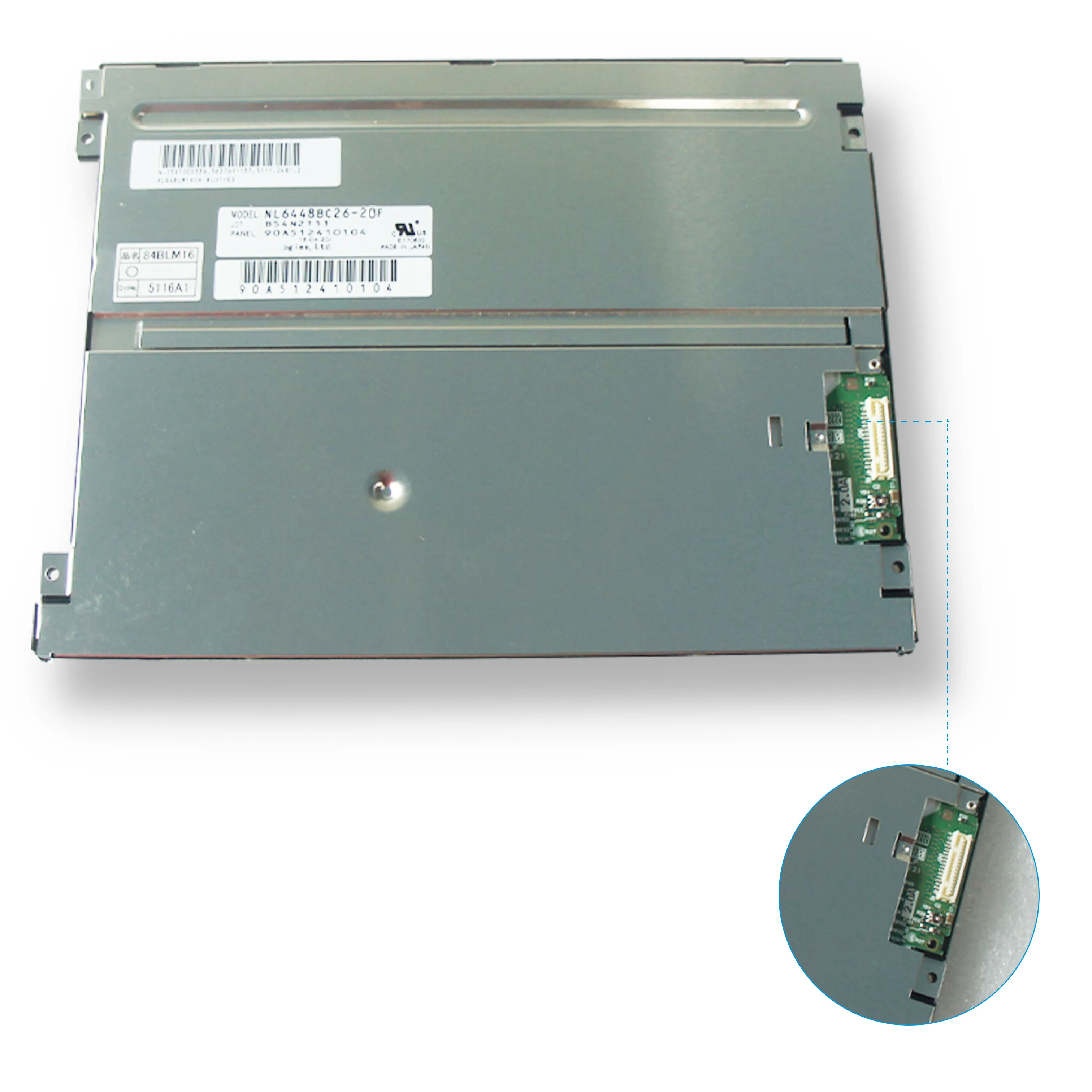

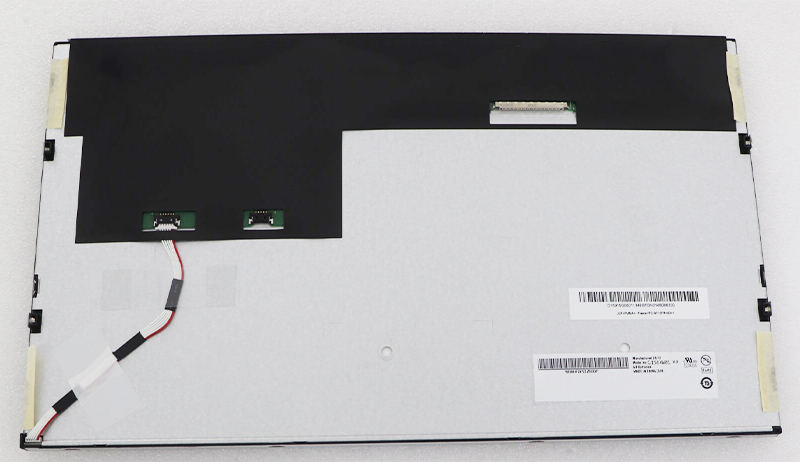
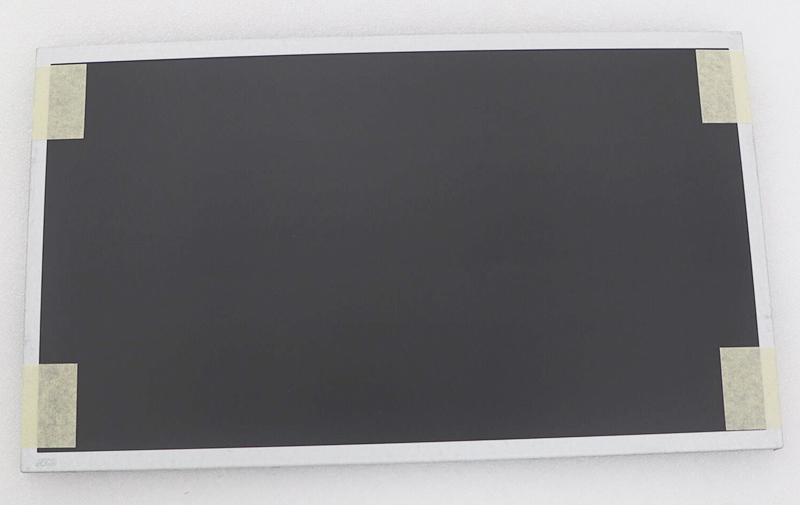
G156XW01 V.3 New and Original AUO 15.6 inch G156XW01 V3
In the intricate ecosystem of display technology, where every component plays a pivotal role in defining the end-user experience, the arrival of a new panel model is an event of significant interest. This article delves into the G156XW01 V.3, the latest iteration of AUO's (AU Optronics) established 15.6-inch display module. Moving beyond a simple specification sheet, we will explore what the "V.3" designation truly signifies—be it enhanced optical performance, improved power efficiency, or refined manufacturing processes.
Our analysis aims to provide engineers, procurement specialists, and tech enthusiasts with a comprehensive understanding of this panel's place in the market. We will dissect its core characteristics, potential applications, and the critical importance of sourcing new and original units. By examining its technological lineage and practical value, this deep dive seeks to illuminate why the G156XW01 V.3 is more than just a part number; it's a key component in the quest for visual clarity and reliability.
Decoding the G156XW01 V.3: A Legacy Refined
The G156XW01 series from AUO has been a workhorse in the 15.6-inch display segment, commonly found in mainstream laptops, industrial monitors, and portable devices. The "V.3" suffix indicates the third version or revision of this model. In display engineering, such revisions are rarely cosmetic. They typically represent meaningful, incremental improvements sourced from ongoing R&D and feedback from integrators.
This evolution could encompass a multitude of under-the-hood enhancements. Manufacturers often target better color uniformity, higher achievable brightness, or a reduction in power consumption without compromising luminance. The drive for thinner bezels or improved mechanical robustness for easier integration might also be factors. Understanding this versioning is crucial, as it distinguishes the V.3 from its predecessors (V.0, V.1, V.2) and signals a potentially more advanced, stable, or cost-optimized product for current manufacturing cycles.
Core Technical Specifications and Performance Profile
At its heart, the G156XW01 V.3 is a 15.6-inch diagonal LCD panel, most likely utilizing an IPS (In-Plane Switching) or advanced AHVA technology, given AUO's portfolio. This ensures wide viewing angles, a critical feature for both collaborative laptop use and industrial panels. The native resolution is expected to be Full HD (1920 x 1080 pixels), providing a sharp 141 PPI density suitable for detailed work.
Key performance parameters defining its quality include its luminance, typically ranging between 250 to 300 nits for standard models, and its color gamut coverage, likely around 45% NTSC or 62% sRGB for a standard variant. The contrast ratio is a vital metric for depth perception, with modern panels aiming for 700:1 or higher. Refresh rates are conventionally 60Hz, aligning with its positioning for general computing and commercial applications. These specs collectively paint a picture of a reliable, balanced panel designed for clarity and everyday durability.
The Critical Importance of "New and Original"
In the secondary market for display panels, the terms "new" and "original" carry immense weight and are non-negotiable for quality assurance. New signifies that the panel is factory-fresh, not pulled from used equipment or refurbished. It guarantees the full lifespan, absence of image retention (burn-in), and pristine condition of the backlight and polarizers.
Original means the panel is a genuine AUO product, manufactured in AUO's facilities or authorized partners, not a copy, clone, or "compatible" panel from a third party. Original panels guarantee adherence to the published specifications, consistent performance, and compatibility with standard LVDS or eDP interface controllers. Using non-original panels risks backlight bleeding, color inaccuracies, premature failure, and potential physical fit issues, leading to costly rework and compromised end-product integrity.
Ideal Applications and Integration Considerations
The G156XW01 V.3's blend of size, resolution, and performance makes it exceptionally versatile. Its primary domain remains the notebook computer market, serving as the visual centerpiece for a wide range of consumer and business laptops. Beyond mobile computing, it finds a strong fit in industrial human-machine interfaces (HMIs), point-of-sale systems, and medical monitoring devices where reliability and clear visibility are paramount.
For engineers integrating this panel, several factors are crucial. These include the precise mechanical dimensions and bezel size, the interface type (e.g., 30-pin or 40-pin LVDS), the voltage requirements for the backlight (often 3.3V or 5V), and the need for a compatible controller board. Ensuring the panel's EDID (Extended Display Identification Data) is correctly programmed is also essential for plug-and-play functionality with the host system.
Comparative Analysis: V.3 in the Competitive Landscape
Positioning the G156XW01 V.3 requires looking at alternatives. Within AUO's own lineup, it may compete with panels offering higher brightness, wider color gamuts (like 72% NTSC), or lower power consumption for ultraportables. The "V.3" likely represents a cost-performance sweet spot. Externally, it faces competition from similar 15.6-inch FHD modules from manufacturers like LG Display, Innolux, and BOE.
Its advantage lies in AUO's reputation for consistent quality and robust supply chains. The V.3 revision suggests AUO has addressed any minor issues from earlier versions, potentially offering better yield rates and stability. For integrators, the choice often boils down to nuanced factors like specific optical bonding requirements, global availability, long-term supply guarantees, and the technical support ecosystem behind the panel manufacturer.
Sourcing and Supply Chain Best Practices
Procuring a specialized component like the G156XW01 V.3 demands a strategic approach. The most reliable channels are authorized distributors or directly from AUO for large-volume OEMs. These sources provide full traceability, technical documentation, and warranty support. For smaller batches or prototyping, reputable B2B marketplaces specializing in electronic components can be viable, but due diligence is exponentially more critical.
Verification is key. Request and inspect high-resolution photos of the actual stock, focusing on the label which shows the model number, version, and manufacturing date. Check for the AUO logo on the panel's rear metal shield. Reputable suppliers should be transparent about the panel's origin and provide datasheets. Always be wary of prices significantly below market average, as this is the most common indicator of counterfeit, refurbished, or rejected-grade stock being sold as new.
FAQs: G156XW01 V.3 Display Panel
Q1: What does the "V.3" in G156XW01 V.3 mean?
A1: It denotes the third version/revision of the panel, indicating internal improvements over earlier versions (V.0, V.1, V.2) in areas like performance or manufacturability.
Q2: Is this panel suitable for gaming laptops?
A2: As a standard 60Hz panel, it's designed for general use. For gaming, panels with higher refresh rates (120Hz/144Hz) are more appropriate.
Q3: What is the typical interface for this panel?
A3: It likely uses an LVDS (Low-Voltage Differential Signaling) interface, common for 15.6" FHD panels, though later versions may use eDP (Embedded DisplayPort).
Q4: Can I use a G156XW01 V.2 to replace a V.3?
A4: While physically identical, there may be electrical or firmware differences. It's not recommended without verifying pin-to-pin and protocol compatibility.
Q5: How can I verify if the panel is truly original?
A5: Check for the AUO hologram/label on the back, the laser-etched model number on the glass, and purchase from authorized or highly reputable suppliers.
Q6: What is the standard brightness of this panel?
A6: Standard brightness typically ranges from 250 to 300 nits, suitable for indoor use.
Q7: Does it have a matte or glossy surface?
A7: It is most commonly available with a matte (anti-glare) surface finish to reduce reflections, which is standard for business and industrial applications.
Q8: What is the color gamut coverage?
A8: The standard variant likely covers around 45% NTSC / 62% sRGB. Wider-gamut versions may exist under different sub-model codes.
Q9: Is the panel compatible with touchscreen overlays?
A9: Yes, the standard LCD can be laminated with a projective capacitive (PCAP) or resistive touch overlay for interactive applications.
Q10: Where is the main application for this panel?
A10: Its primary applications are mainstream laptop displays, industrial control screens, and commercial display systems.
Conclusion
The AUO G156XW01 V.3 represents the culmination of iterative design and manufacturing refinement in a proven 15.6-inch display platform. More than just a component, it embodies a specific balance of performance, reliability, and value tailored for a vast array of computing and professional devices. Its significance is amplified by the critical imperative to source new and original units, a practice that safeguards product quality and brand reputation.
For integrators and developers, understanding this panel's technical nuances, ideal use cases, and the complexities of the supply chain is essential. By making informed decisions based on the panel's genuine capabilities and sourcing it through verified channels, one can ensure that the end product delivers the consistent, high-quality visual experience that modern users demand. In a world driven by screens, the choice of the core display module remains a fundamental decision.