- Industrie-LCD-Display
-
Industrial Products
- DC Servo Drive
- AC Servo Drive
- other
- Heidelberg
- FANUC
- IFM
- Meter
- CCD
- Membrane Keypad
- Film
- YOKOGAWA
- Card
- ABB
- MITSUBISHI
- FANUC
- KEYENCE
- BECKHOFF
- Honeywell
- HOLLYSYS
- FUJI servo drives
- HP
- solenoid valve
- thermostat
- Siemens adapter
- color oscilloscope
- Fujitsu connector
- CHELIC
- SMC
- CISCO
- INTEL
- Key board
- FAIRCHILD
- Der Aufsichtsrat
- Board
- Bearing
- other
- Control Panel
- Contactor
- Circuit
- Omron
- Relais.
- Der controller
- Optoelektronische schalter
- Optoelektronische sensoren
- Original
- Fan
- Motortreiber
- Endschalter
- Verstärker
- power supply
- LENZE
- Cable
- Encoder
- Sensor
- Transformator
- Fiber Optic Sensor
- Schutzrelais
- Temperaturregler
- Näherungsschalter
- Switch Sensor
- Siemens
- PCB
- HMI Touch-Glas
-
HMI-Vollautomat Ganze Einheit
- OMRON HMI Touch Panel
- Siemens HMI Touch Panel
- Mitsubishi HMI Touch Panel
- Allen-Bradley Automatisierung HMI Touch
- DELTA HMI Touch Panel
- EVIEW DELTA HMI Touch Panel
- KINCO DELTA HMI Touch Panel
- HITECH HMI Touch Panel
- WEINTECK HMI Touch Panel
- TECVIEW HMI Touch Panel
- WEINVIEW HMI Touch Panel
- PRO-FACE HMI Touch Panel
- SIMATIC HMI Touch Panel
- AMPIRE HMI Touch Panel
- HEIDELBERG HMI Touch Panel
- PANASONIC HMI Touch Panel
- PATLITE HMI Touch Panel
- KYOCERA HMI Touch Panel
- KEYENCE HMI Touch Panel
- WEINVIEW HMI Touch Panel
- HITECH HMI Touch Panel
- FUJI HMI Touch Panel
- HAKKO HMI Touch Panel
- SCHNEIDER HMI Touch Panel
- SAMKOON touch panel
- andere
- Module
- LCD Wechselrichter
- Membran Tastenfeld Schalter
- Winni Touch Screens
- Frequenzumrichter
- Servo Motor
- PLC


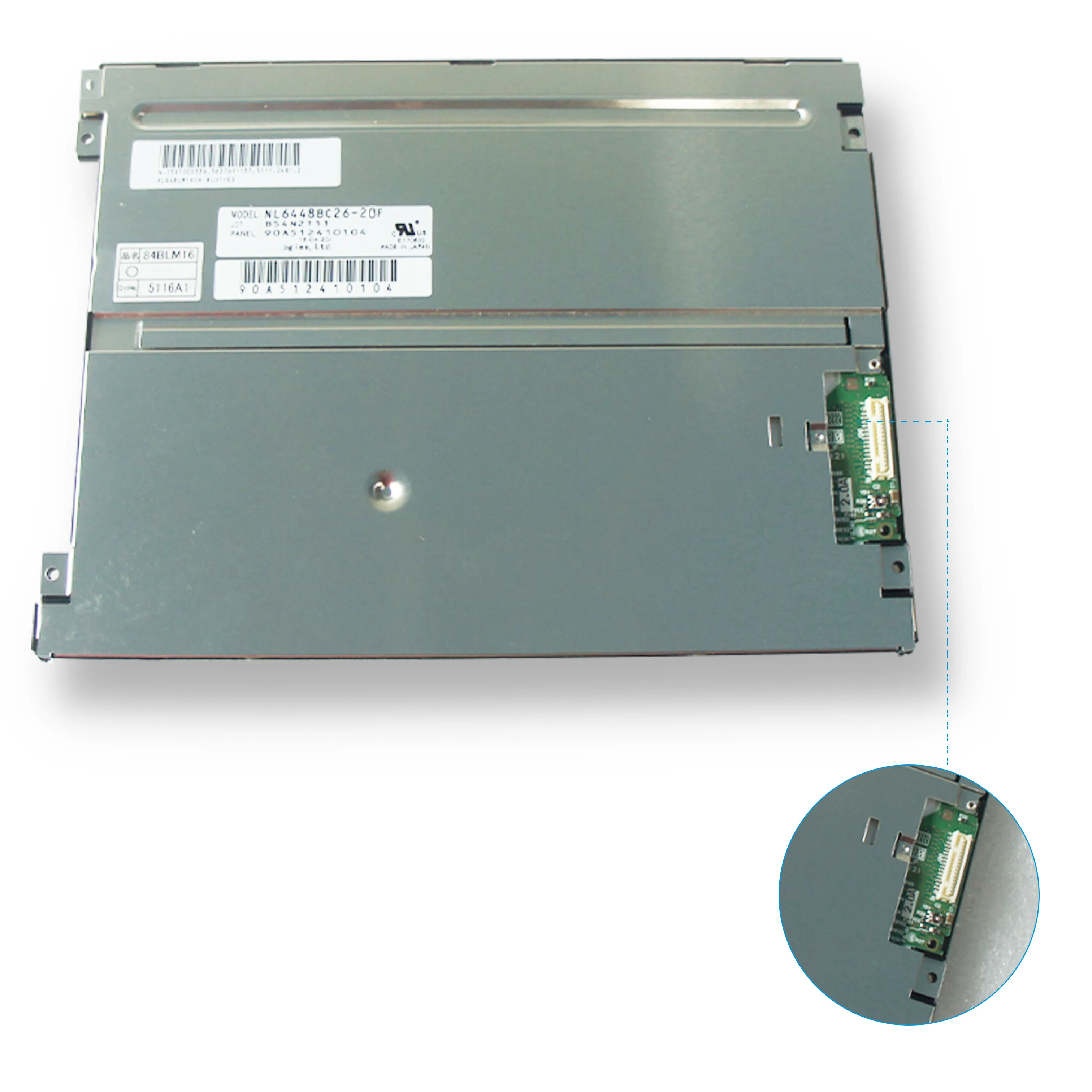


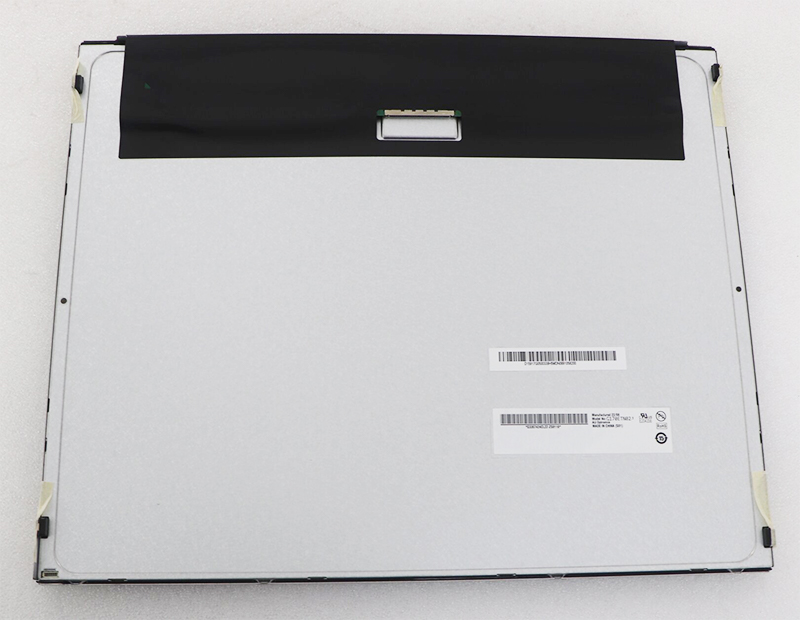
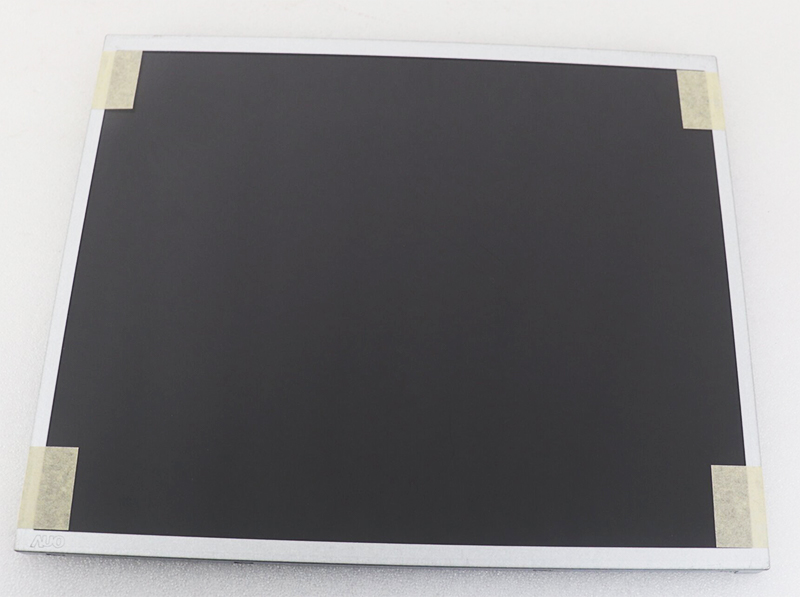
G170ETN02.1 AUO 17" TFT-LCD screen 1280*1024 Display
In the intricate ecosystem of electronic components, certain parts become unsung heroes, powering critical applications away from the consumer spotlight. The G170ETN02.1 by AUO (AU Optronics) is a prime example. This 17-inch TFT-LCD panel, with its specific 1280x1024 (SXGA) resolution and industrial-grade design, represents a fascinating study in specialized display technology. While mainstream markets chase higher resolutions and sleeker forms, panels like the G170ETN02.1 are engineered for reliability, longevity, and performance in demanding environments.
This article delves deep into the world of this particular display module. We will move beyond basic specifications to explore its unique architectural features, the rationale behind its seemingly "legacy" resolution, and the specific industrial niches where it excels. Understanding a component like this is crucial for engineers, procurement specialists, and system integrators who require not just a screen, but a dependable visual interface for mission-critical equipment. Join us as we unpack the technical merits and enduring relevance of the AUO G170ETN02.1.
Decoding the Specification: More Than Just Numbers
The model number G170ETN02.1 itself is a code. "G" likely denotes a general industrial series, "170" indicates a 17-inch diagonal size, and "ETN" is AUO's internal designation for this family. The core specification—a 17-inch active area with a native resolution of 1280 horizontal pixels by 1024 vertical pixels—defines its character. This SXGA format offers a 5:4 aspect ratio, which was once the standard for desktop computer monitors before the widescreen shift.
This aspect ratio provides more vertical workspace compared to wide screens, a significant advantage for viewing documents, diagnostic software interfaces, or vertical data streams. The panel typically employs a Twisted Nematic (TN) or Advanced-TN type technology, chosen for its fast response times (crucial for reducing motion blur in dynamic industrial visuals) and cost-effectiveness for industrial volumes. The initial spec sheet sets the stage, but the true value is revealed in its implementation and robustness.
The 5:4 Aspect Ratio: A Legacy Strength in Modern Applications
In an era dominated by 16:9 and wider formats, the 5:4 aspect ratio of the G170ETN02.1 is not an anachronism; it is a deliberate design choice with distinct functional benefits. The squarer profile yields more usable screen real estate for applications that are information-dense and vertically oriented. Consider a control room panel displaying multiple rows of sensor data, a medical device showing a long patient history alongside real-time vitals, or a point-of-sale system with extensive transaction lists.
In these scenarios, a widescreen display would result in unused space on the sides or inefficient horizontal stretching of content. The 5:4 ratio aligns perfectly with the natural layout of many legacy and specialized software interfaces, minimizing the need for software redesign. It facilitates a more compact cabinet design for equipment where width is a constraint but vertical space is available, making it a persistent and logical choice for embedded systems.
Industrial-Grade Durability and Reliability Features
What truly separates the G170ETN02.1 from commercial desktop monitors is its construction for an industrial operating environment. This panel is built to withstand extended operational hours, often rated for 24/7 use, which would rapidly degrade a consumer-grade screen. It features a wide operating temperature range, allowing it to function reliably in non-climate-controlled settings like factories, warehouses, or outdoor kiosks (within enclosed housings).
The backlight system is engineered for longevity, utilizing robust LED arrays with careful thermal management to ensure consistent brightness over thousands of hours. The module is designed to resist higher levels of vibration and shock, a critical factor in transportation, manufacturing, or heavy machinery applications. Furthermore, it offers stable performance across a wide range of input power variations, ensuring that voltage fluctuations do not compromise display integrity.
Interface and Compatibility: Integrating into Embedded Systems
Integration is key for industrial components. The G170ETN02.1 typically features low-voltage differential signaling (LVDS) interfaces, the long-standing standard for connecting displays to controller boards in embedded systems. LVDS provides a robust, noise-resistant connection essential for the electrically noisy environments of industrial plants. The pinout and signal timing of the module are clearly defined, allowing hardware engineers to design compatible controller boards or adapters with precision.
This standardization, even within a "legacy" interface, is a major asset. It allows system integrators to source this panel as a drop-in replacement or as a key component in new designs without requiring complex interface conversion. Support for standard scan modes and timing ensures compatibility with a broad range of single-board computers (SBCs) and dedicated display controllers, simplifying the development and maintenance lifecycle of the end product.
Primary Application Scenarios and Use Cases
The specific attributes of the G170ETN02.1 funnel it towards well-defined market segments. A primary application is in Industrial Human-Machine Interfaces (HMIs). Here, it serves as the primary touchpoint for operators to monitor and control machinery, PLCs, and production lines. Its durability and clear readability under various lighting conditions are paramount.
It is also prevalent in medical diagnostic equipment, such as ultrasound machines or patient monitors, where accurate grayscale representation and reliability are non-negotiable. Other key uses include point-of-sale (POS) terminals, gaming and amusement machines, transportation information displays, and specialized military and avionics equipment. In each case, the combination of a dependable 17-inch form factor, SXGA resolution, and rugged build makes it a preferred solution.
The Ecosystem: Sourcing, Replacement, and Long-Term Value
Operating in the industrial sector means planning for product lifecycles that can span a decade or more. The G170ETN02.1 exists within a vital ecosystem of suppliers, distributors, and compatible parts. While AUO may eventually end-of-life the panel, its popularity and embedded use in long-lifecycle products create a sustained aftermarket. Specialist component distributors often stock such panels for years beyond their official production, supporting maintenance and repair operations.
For system designers, choosing a widely adopted module like this mitigates future supply risk. The value proposition extends beyond the initial purchase price to include total cost of ownership: reduced failure rates, minimal downtime, and available replacement units ensure continuous operation. This makes it a strategically sound choice compared to opting for a cheaper, commercial-grade display that may fail prematurely in harsh conditions.
FAQs: G170ETN02.1 AUO 17" LCD Screen
1. What is the resolution and aspect ratio of the G170ETN02.1?
It has an SXGA resolution of 1280x1024 pixels with a 5:4 aspect ratio.
2. Who manufactures the G170ETN02.1 panel?
It is manufactured by AU Optronics (AUO), a leading Taiwanese display panel maker.
3. Is this panel suitable for 24/7 continuous operation?
Yes, it is designed with industrial-grade components, including a long-life backlight, specifically for continuous operation in demanding environments.
4. What is the main interface for this LCD module?
It typically uses an LVDS (Low-Voltage Differential Signaling) interface for reliable data transmission.
5. Why would I choose a 5:4 screen over a widescreen?
The 5:4 ratio offers more vertical space, which is ideal for displaying lists, documents, diagnostic data, and legacy software interfaces without wasted space.
6. What are typical applications for this display?
Common uses include Industrial HMI panels, medical devices, POS systems, gaming machines, and specialized embedded systems.
7. Is it a touch screen?
The G170ETN02.1 is primarily a display panel. Touch functionality (resistive or capacitive) is usually added as a separate overlay by the system integrator.
8. What does "TN" in TFT-LCD imply for this panel?
It likely uses TN or Advanced-TN technology, which offers fast response times beneficial for dynamic industrial graphics, though with more limited viewing angles compared to IPS panels.
9. Can I use this to replace a broken screen in my industrial equipment?
Potentially yes, if your equipment originally used this exact model. Always verify the full model number, interface connector, and mechanical dimensions before purchasing a replacement.
10. Where can I source this panel?
It is available through specialized industrial electronic component distributors and B2B marketplaces that focus on display modules and embedded system parts.
Conclusion
The AUO G170ETN02.1 is a testament to the principle that in engineering, the optimal tool is defined by the application, not by the latest trend. Its enduring design—centered on the functional 1280x1024 resolution, rugged construction, and reliable LVDS interface—secures its place in critical sectors where failure is not an option. This panel exemplifies how specialized industrial components prioritize longevity, compatibility, and performance stability over sheer pixel count.
For professionals designing, maintaining, or sourcing parts for industrial systems, understanding the nuanced value of components like the G170ETN02.1 is essential. It represents a smart, proven choice that ensures system integrity, reduces lifecycle costs, and delivers unwavering performance where it matters most. In the hidden infrastructure of our technological world, such reliable workhorses remain indispensable.