- Industrial LCD display
-
Industrial Products
- DC Servo Drive
- AC Servo Drive
- other
- Heidelberg
- FANUC
- IFM
- Meter
- CCD
- Membrane Keypad
- Film
- YOKOGAWA Module
- Card
- ABB
- MITSUBISHI
- FANUC
- KEYENCE
- BECKHOFF
- Honeywell
- HOLLYSYS
- FUJI servo drives
- HP
- solenoid valve
- thermostat
- Siemens adapter
- color oscilloscope
- Fujitsu connector
- CHELIC
- SMC
- CISCO Module
- INTEL
- Key board
- FAIRCHILD
- Motherboard
- Board
- Bearing
- other
- Control Panel
- Contactor
- Circuit
- OMRON
- Relay
- Controller
- Photoelectric Switch
- Photoelectric Sensor
- Original
- Fan
- Motor Driver
- Limit Switch
- Amplifier
- power supply
- LENZE
- Cable
- Encoder
- Sensor
- Transformer
- Fiber Optic Sensor
- Protection Relay
- Temperature Controller
- Proximity Switch
- Switch Sensor
- Siemens
- Industrial board
- HMI Touch Glass
-
HMI Full Machine Whole unit
- OMRON HMI Touch Panel
- Siemens HMI Touch Panel
- Mitsubishi HMI Touch Panel
- Allen-Bradley automation HMI Touch Panel
- DELTA HMI Touch Panel
- EVIEW DELTA HMI Touch Panel
- KINCO DELTA HMI Touch Panel
- HITECH HMI Touch Panel
- WEINTECK HMI Touch Panel
- TECVIEW HMI Touch Panel
- WEINVIEW HMI Touch Panel
- PRO-FACE HMI Touch Panel
- SIMATIC HMI Touch Panel
- AMPIRE HMI Touch Panel
- HEIDELBERG HMI Touch Panel
- PANASONIC HMI Touch Panel
- PATLITE HMI Touch Panel
- KYOCERA HMI Touch Panel
- KEYENCE HMI Touch Panel
- WEINVIEW HMI Touch Panel
- HITECH HMI Touch Panel
- FUJI HMI Touch Panel
- HAKKO HMI Touch Panel
- SCHNEIDER HMI Touch Panel
- SAMKOON touch panel
- other
- Module
- lcd inverter
- Membrane Keypad Switch
- Winni Touch Screens
- Frequency Inverter
- Servo Motor
- PLC


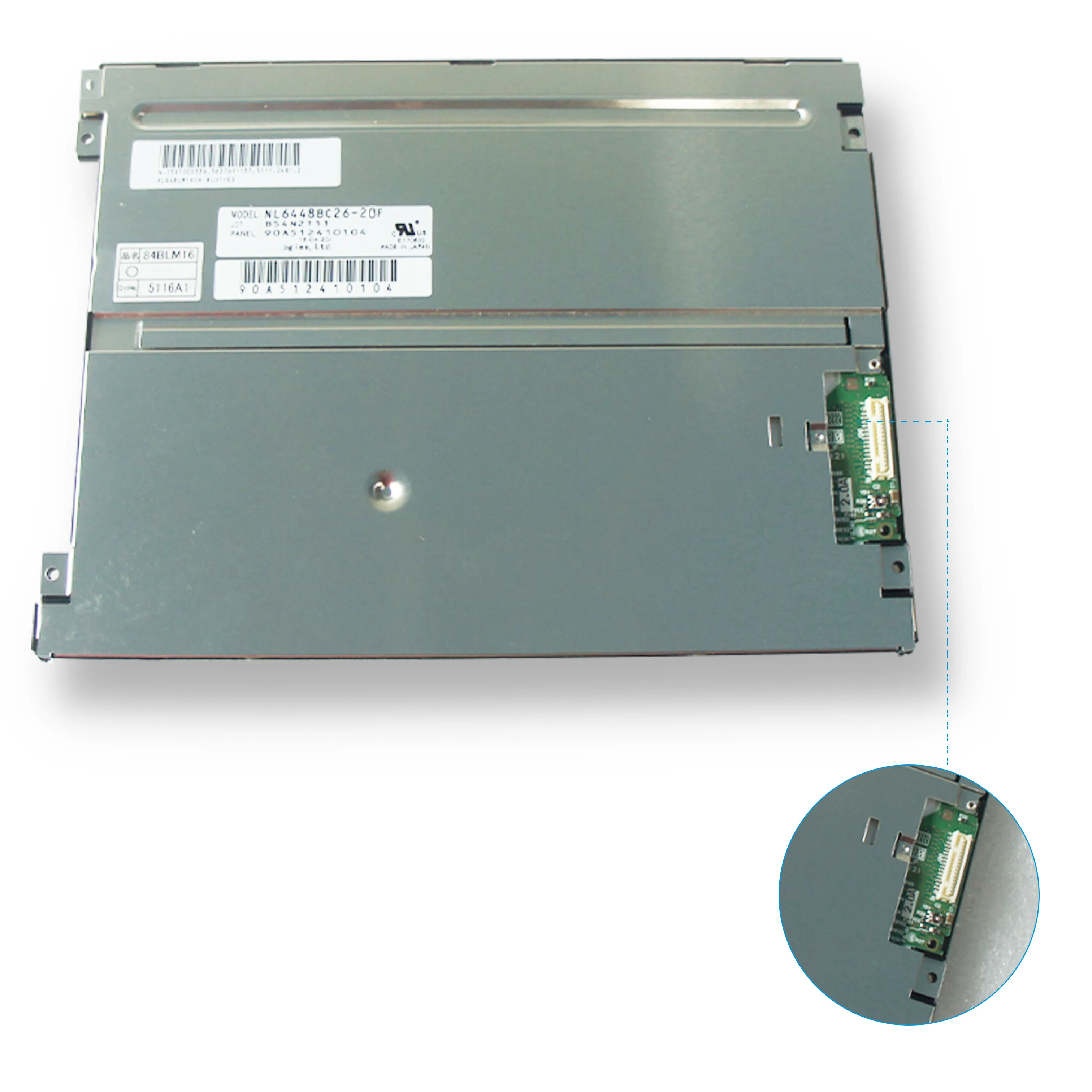


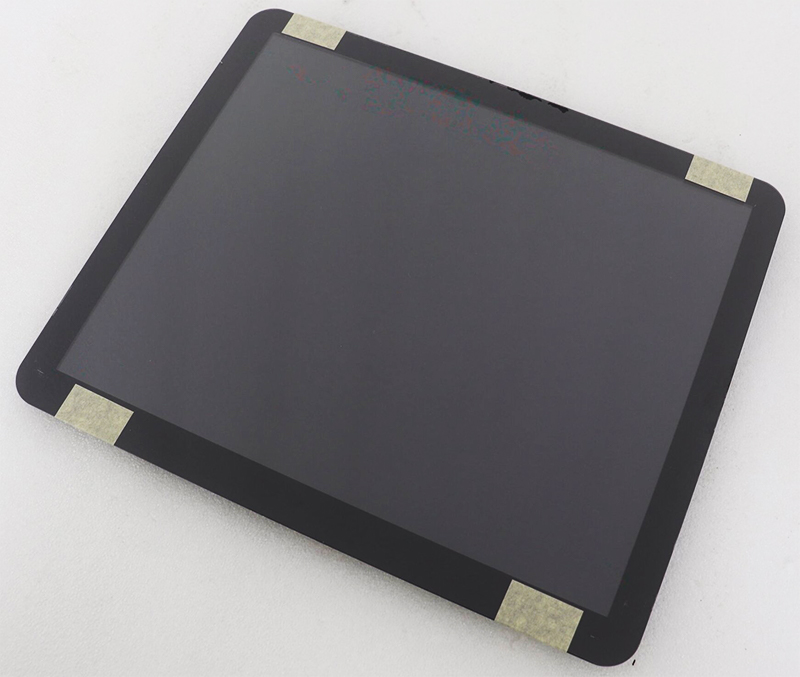
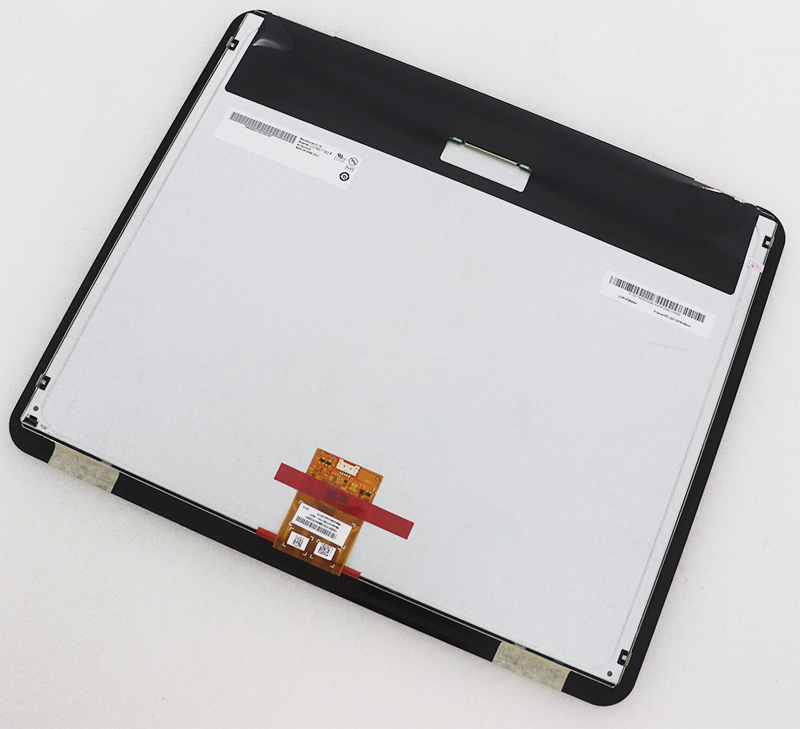
G170ETT01.0 AUO 17.0inch 1280*1024 LCD PANEL
In the intricate ecosystem of industrial and professional display solutions, specific panel models become the unsung heroes powering critical applications. The G170ETT01.0, a 17.0-inch LCD panel developed by AUO (AU Optronics), stands as a prime example of such a component. While consumer markets chase higher resolutions and sleeker form factors, this panel carves its niche by prioritizing reliability, compatibility, and performance in demanding environments. With its 1280x1024 (SXGA) resolution in a classic 5:4 aspect ratio, it represents a specific era of display technology that remains vitally relevant today.
This article delves into a comprehensive analysis of the AUO G170ETT01.0 LCD panel. We will move beyond basic specifications to explore its technical architecture, the rationale behind its enduring design, and its ideal application landscapes. Understanding this panel is not merely an exercise in tech nostalgia; it is crucial for engineers, procurement specialists, and system integrators who require durable, drop-in replacements or are designing systems where consistency and long-term availability are paramount. Join us as we unpack the engineering and market position of this steadfast display workhorse.
Decoding the Specification: A Legacy of Stability
The G170ETT01.0 is defined by a set of specifications that collectively signal its purpose. The 17.0-inch diagonal active area and the 1280x1024 resolution yield a pixel pitch that offers sharp clarity for detailed graphical user interfaces and data, without the scaling issues often encountered with ultra-high-density displays on smaller screens. The 5:4 aspect ratio is a key identifier. This format, once common in professional CRTs and early LCDs, provides more vertical screen real estate compared to the now-ubiquitous 16:9 widescreen. This extra vertical space is invaluable for viewing lengthy documents, coding interfaces, or vertical data streams without excessive scrolling.
Further specs, such as its typical brightness of 300 nits and a contrast ratio sufficient for indoor use, underscore its design for controlled environments. The inclusion of a CCFL (Cold Cathode Fluorescent Lamp) backlight system points to its vintage, offering wide viewing angles and stable color performance over time, albeit with different power characteristics compared to modern LED-backlit units. This combination of features wasn't accidental; it was engineered to meet the rigorous demands of industrial, medical, and financial systems of its time.
The 5:4 Aspect Ratio: Niche Advantage in a Widescreen World
In an era dominated by cinematic 16:9 and broader formats, the persistence of the 5:4 aspect ratio might seem anachronistic. However, for the G170ETT01.0, this is its strategic advantage. This nearly square format aligns perfectly with the native resolution of countless legacy software applications and hardware systems still in operation today. Upgrading these systems to widescreen panels often results in distorted images, stretched interfaces, or inefficient use of screen space with black bars on the sides.
For vertical applications—such as point-of-sale systems, industrial control panels, medical monitoring devices, and legacy workstation setups—the additional vertical pixels are a functional necessity. They allow more lines of text, more data points in a chart, or more toolbar options to be displayed simultaneously, enhancing workflow efficiency. Therefore, this panel isn't competing with consumer widescreens; it serves as a critical lifecycle-extending component for embedded systems where changing the aspect ratio would necessitate costly and complex software or hardware redesigns.
Technical Architecture and Interface Compatibility
At its core, the G170ETT01.0 utilizes a Twisted Nematic (TN) type LCD technology. While modern IPS panels offer superior viewing angles and color reproduction, TN technology was the industry standard for its generation, providing fast response times, high reliability, and cost-effectiveness—all critical for commercial and industrial deployment. The panel typically interfaces via a single-channel LVDS (Low-Voltage Differential Signaling) connector, a robust and widely adopted standard for transmitting high-speed video data with resistance to noise, making it suitable for electrically noisy industrial settings.
This specific interface and timing controller configuration mean the panel is designed as a direct replacement for a vast array of older 17-inch SXGA displays used in branded medical monitors, ATMs, factory automation equipment, and specialized instrumentation. Understanding its pinout, voltage requirements, and signal timing is essential for successful integration or replacement, ensuring seamless compatibility with existing controller boards and power supplies in the host device.
Primary Application Landscapes and Use Cases
The true value of the G170ETT01.0 is realized in its application domains. It is a quintessential industrial and professional panel. In the medical field, it is commonly found in patient monitoring systems, ultrasound machines, and diagnostic equipment where display consistency and reliability are non-negotiable for patient safety. Industrial automation relies on these panels for Human-Machine Interface (HMI) terminals on factory floors, where they must withstand continuous operation, temperature variations, and potential vibrations.
Furthermore, the financial sector utilizes them in trading desks and bank teller systems. They are also staples in point-of-sale (POS) terminals, kiosks, and transportation control systems. In each case, the need is for a durable, long-life component that offers predictable performance and, crucially, form-factor compatibility with existing chassis and mounting solutions. This panel acts as a spare part that keeps critical infrastructure running long after the original consumer-grade models have been discontinued.
The Ecosystem of Replacement and Supply Chain Considerations
Given its role in maintaining legacy systems, the G170ETT01.0 exists within a specialized supply chain ecosystem. While AUO may have ended mass production, the panel remains available through specialized distributors, surplus channels, and aftermarket manufacturers who may produce compatible or refurbished versions. For system maintainers, sourcing this panel involves careful verification of revision codes, backlight types (CCFL), and connector compatibility to ensure a perfect match.
Procurement professionals must navigate this landscape with an understanding of lifecycle management. The availability of "new old stock" (NOS) versus refurbished units, the quality guarantees provided, and the long-term sourcing strategy are all critical considerations. In some cases, entire compatible modules (panel + controller board) are offered as upgrade kits. This ecosystem underscores the principle that in professional technology, the end of mass production is not the end of life, but the beginning of a sustained support phase.
Future-Proofing and Legacy System Strategy
Integrating or maintaining the G170ETT01.0 today is an exercise in strategic future-proofing. For organizations dependent on legacy hardware, stocking critical spares like this panel is a risk-mitigation strategy that prevents costly system downtime or forced premature migration. However, a forward-looking strategy also involves assessment. Engineers must evaluate whether continuing to source this specific panel is sustainable or if a controlled migration to a modern, LED-backlit, 5:4 or square-format panel with an adapter interface is a more viable long-term path.
The decision hinges on factors like the remaining lifespan of the host equipment, the cost and complexity of requalifying a new display module, and the availability of compatible controllers. The G170ETT01.0, therefore, sits at a crossroads: it is both a lifeline for the past and a benchmark for planning the future of embedded display solutions, teaching valuable lessons about designing for longevity and serviceability.
FAQs: G170ETT01.0 AUO 17.0-inch LCD Panel
Q1: What is the resolution and aspect ratio of the G170ETT01.0?
A1: It has an SXGA resolution of 1280 x 1024 pixels with a 5:4 aspect ratio.
Q2: Who manufactures this LCD panel?
A2: It is manufactured by AU Optronics (AUO), a leading global display panel maker.
Q3: What type of backlight does it use?
A3: It uses a CCFL (Cold Cathode Fluorescent Lamp) backlight system.
Q4: What is the primary interface for this panel?
A4: It typically uses a single-channel LVDS (Low-Voltage Differential Signaling) interface.
Q5: Is this panel suitable for modern consumer PCs or gaming?
A5: No, it is designed for industrial, medical, and professional legacy systems, not for consumer multimedia or gaming.
Q6: Why is the 5:4 aspect ratio still important?
A6: It provides more vertical space for data display and is natively compatible with countless legacy software and hardware systems, avoiding image distortion.
Q7: Where is this panel commonly used?
A7: Common applications include medical monitors, industrial HMIs, POS systems, financial terminals, and instrumentation.
Q8: Can I still buy a new G170ETT01.0 panel?
A8: Yes, through specialized distributors and aftermarket suppliers offering new old stock (NOS) or refurbished/compatible units.
Q9: What does "direct replacement" mean in this context?
A9: It means the panel is designed to be a mechanical, electrical, and interface-compatible drop-in replacement for older 17-inch SXGA displays in existing equipment.
Q10: What should I check when replacing this panel?
A10: Verify the exact model number, revision, backlight type, connector pinout, and interface timing to ensure compatibility with your existing system.
Conclusion
The AUO G170ETT01.0 17.0-inch LCD panel is far more than a collection of outdated specifications. It is a testament to engineered longevity and the critical importance of component-level compatibility in the professional and industrial world. Its 1280x1024 resolution and steadfast 5:4 aspect ratio continue to serve as the visual backbone for essential systems in healthcare, finance, and manufacturing, where change is costly and reliability is paramount.
This analysis reveals that understanding such a component is not about chasing the latest specs, but about appreciating the nuanced requirements of embedded systems and lifecycle management. For those responsible for maintaining critical infrastructure, the G170ETT01.0 represents a reliable solution and a case study in planning for durability. It reminds us that in technology, true value often lies not in obsolescence, but in sustained, dependable performance.