- Industrie-LCD-Display
-
Industrial Products
- DC Servo Drive
- AC Servo Drive
- other
- Heidelberg
- FANUC
- IFM
- Meter
- CCD
- Membrane Keypad
- Film
- YOKOGAWA
- Card
- ABB
- MITSUBISHI
- FANUC
- KEYENCE
- BECKHOFF
- Honeywell
- HOLLYSYS
- FUJI servo drives
- HP
- solenoid valve
- thermostat
- Siemens adapter
- color oscilloscope
- Fujitsu connector
- CHELIC
- SMC
- CISCO
- INTEL
- Key board
- FAIRCHILD
- Der Aufsichtsrat
- Board
- Bearing
- other
- Control Panel
- Contactor
- Circuit
- Omron
- Relais.
- Der controller
- Optoelektronische schalter
- Optoelektronische sensoren
- Original
- Fan
- Motortreiber
- Endschalter
- Verstärker
- power supply
- LENZE
- Cable
- Encoder
- Sensor
- Transformator
- Fiber Optic Sensor
- Schutzrelais
- Temperaturregler
- Näherungsschalter
- Switch Sensor
- Siemens
- PCB
- HMI Touch-Glas
-
HMI-Vollautomat Ganze Einheit
- OMRON HMI Touch Panel
- Siemens HMI Touch Panel
- Mitsubishi HMI Touch Panel
- Allen-Bradley Automatisierung HMI Touch
- DELTA HMI Touch Panel
- EVIEW DELTA HMI Touch Panel
- KINCO DELTA HMI Touch Panel
- HITECH HMI Touch Panel
- WEINTECK HMI Touch Panel
- TECVIEW HMI Touch Panel
- WEINVIEW HMI Touch Panel
- PRO-FACE HMI Touch Panel
- SIMATIC HMI Touch Panel
- AMPIRE HMI Touch Panel
- HEIDELBERG HMI Touch Panel
- PANASONIC HMI Touch Panel
- PATLITE HMI Touch Panel
- KYOCERA HMI Touch Panel
- KEYENCE HMI Touch Panel
- WEINVIEW HMI Touch Panel
- HITECH HMI Touch Panel
- FUJI HMI Touch Panel
- HAKKO HMI Touch Panel
- SCHNEIDER HMI Touch Panel
- SAMKOON touch panel
- andere
- Module
- LCD Wechselrichter
- Membran Tastenfeld Schalter
- Winni Touch Screens
- Frequenzumrichter
- Servo Motor
- PLC


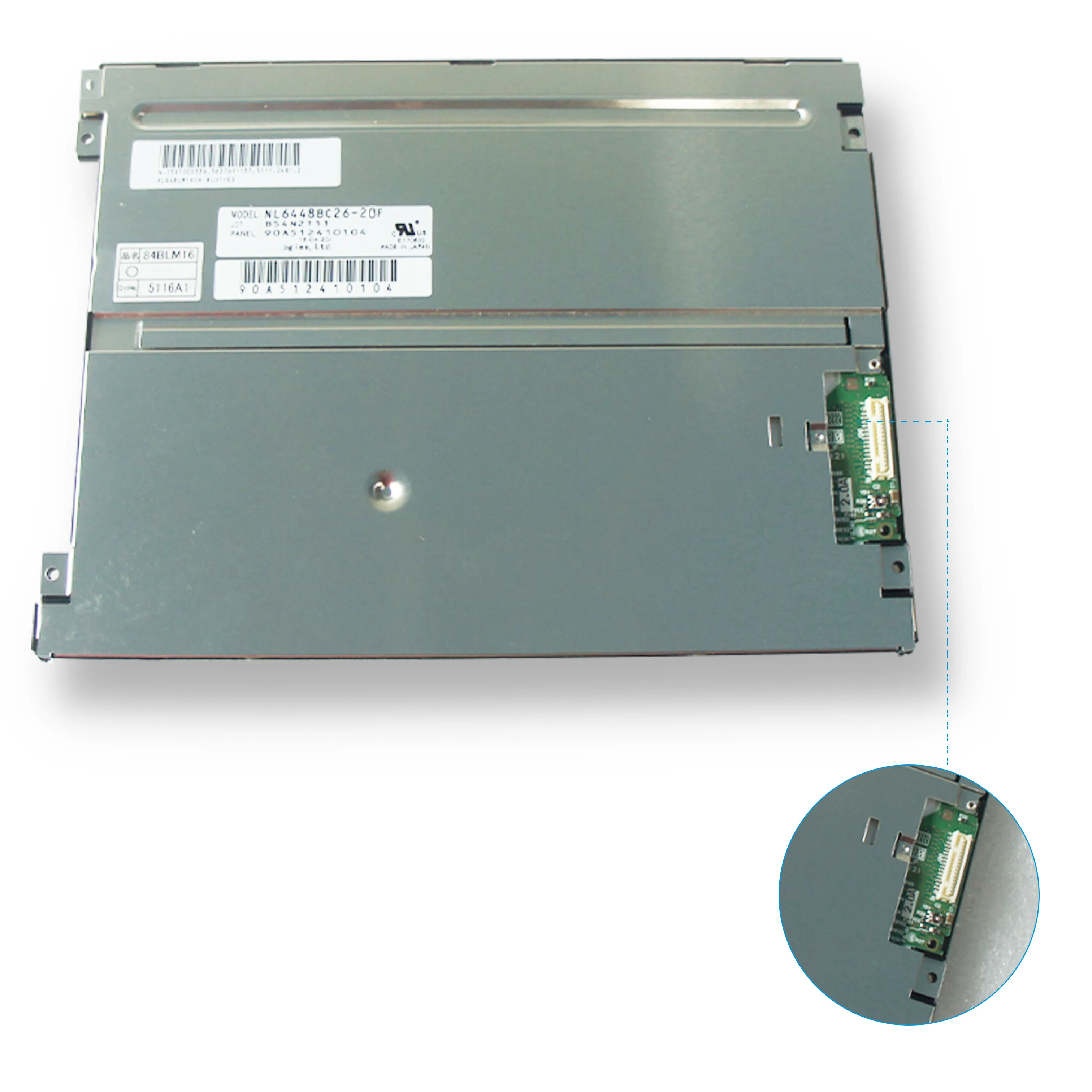

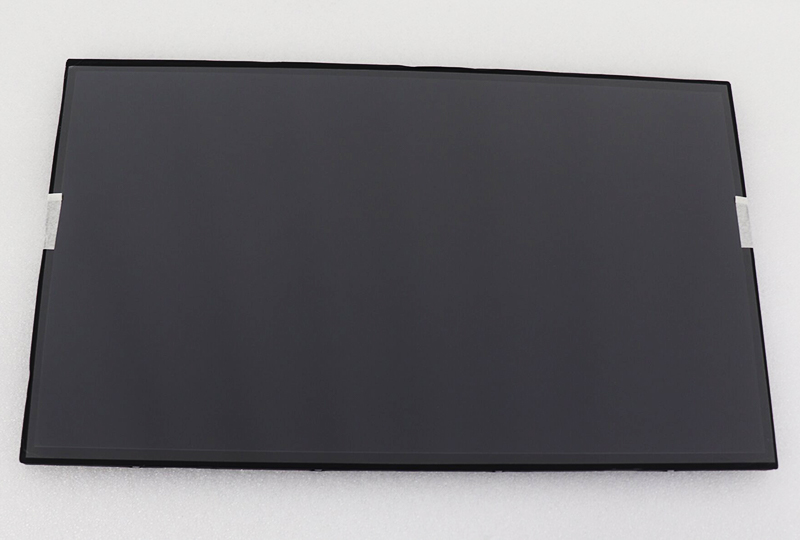
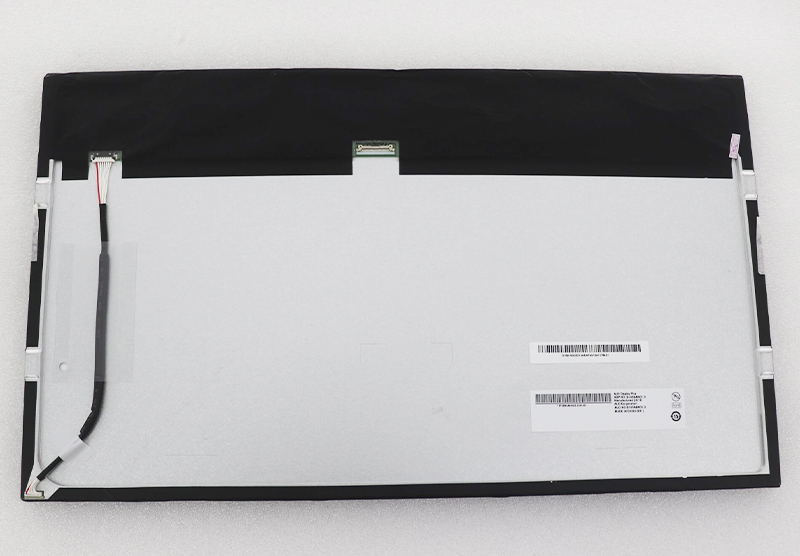
G185HAN01.3 AUO 18.5inch 1920×1080 LCD DISPLAY
In the intricate ecosystem of modern electronics, the display panel serves as the critical interface between user and machine. While consumers marvel at sleek laptop designs or immersive monitor setups, the true heart of these experiences often lies in a component identified by an alphanumeric code known only to industry insiders and repair specialists. One such component is the G185HAN01.3, a display panel model from AU Optronics (AUO) that has quietly powered countless devices.
This article delves deep into the world of this specific LCD panel. We will move beyond the basic specification sheet to explore its technical DNA, understand its place in the market, and examine its real-world performance characteristics. Whether you are a technician sourcing a replacement, a DIY enthusiast upgrading a device, or simply curious about the hidden components that shape your digital view, this exploration of the AUO G185HAN01.3 will provide valuable insights into the engineering and application of a fundamental display technology.
Decoding the Model: Anatomy of G185HAN01.3
The model number G185HAN01.3 is not arbitrary; it is a concise technical descriptor. Breaking it down reveals its core identity. "G18" typically denotes an 18.5-inch diagonal screen size, a format often used in compact all-in-one PCs, portable monitors, and specific industrial applications. "5" likely references the panel generation or a series identifier. "HAN" is a crucial code indicating the panel's technology and resolution—in this case, a High-Aperture (or Advanced) Narrow bezel panel with an FHD (1920x1080) resolution. The "01.3" suffix points to a specific revision or version of the panel, implying minor improvements or adjustments over a base "01.0" model.
Understanding this nomenclature is the first step in sourcing compatible replacements or identifying a panel's capabilities without physical inspection. It tells us we are dealing with a compact, Full HD solution designed with space efficiency in mind, originating from AUO, a leading Taiwanese manufacturer known for quality and reliability in the display industry.
Technical Specifications and Performance Profile
At its core, the G185HAN01.3 is an 18.5-inch LCD panel with a Full HD (1920 x 1080) resolution, yielding a pixel density of approximately 119 PPI. This balance between size and resolution offers sharp text and image clarity for its intended uses. It typically employs Twisted Nematic (TN) technology, which provides fast response times (often around 5ms gray-to-gray) crucial for reducing motion blur, albeit at the cost of narrower viewing angles and color fidelity compared to IPS panels.
Other standard specifications include an aspect ratio of 16:9, a brightness ranging from 200 to 250 nits, and a contrast ratio in the region of 700:1. The interface is almost universally a single-channel LVDS (Low-Voltage Differential Signaling), a common standard for interfacing displays to controllers in embedded systems and older laptops. This combination paints a picture of a panel engineered for cost-effective, reliable performance in applications where extreme color accuracy or wide viewing angles are secondary to functionality and response speed.
Primary Applications and Market Niche
The G185HAN01.3 finds its home in specific, utility-driven segments of the market. Its most common application is in compact all-in-one desktop computers and space-constrained point-of-sale (POS) systems, where its 18.5-inch size is an advantage. It is also frequently used in industrial control panels, medical monitoring devices, and as the internal display for certain portable DVD players or specialized test equipment.
This panel is not typically aimed at the high-end consumer gaming or professional creative markets. Instead, it serves OEMs (Original Equipment Manufacturers) who need a dependable, standardized display component for integrated systems. Its longevity in the market is a testament to its reliability and the sustained demand in these niche industrial and commercial sectors, where device lifecycle and part availability are paramount.
Compatibility and Replacement Considerations
For technicians and DIY users, replacing a G185HAN01.3 requires careful attention to compatibility. The key factors extend beyond just the physical size and resolution. The interface type (LVDS), pin count (usually 30-pin or 40-pin), and connector placement must match exactly. Furthermore, the backlight type (typically LED) and its wiring configuration are critical.
It is often possible to use a panel identified as a "compatible" replacement, such as a G185HAN01.0 or G185HAN01.1, as the minor revision changes usually do not affect physical or electrical compatibility. However, sourcing from reputable suppliers is essential to avoid issues with brightness, color uniformity, or backlight lifespan. Verifying the exact panel model from the original device's service manual or the sticker on the back of the panel itself is the only reliable method.
Strengths and Limitations in Context
The G185HAN01.3's strengths are clear in its intended context. Its fast response time minimizes ghosting in dynamic content, beneficial for basic interactive tasks. The Full HD resolution on an 18.5-inch screen provides adequate detail. Its primary strength, however, is proven reliability and cost-effectiveness for OEMs, leading to widespread adoption and easier part sourcing years after initial production.
Its limitations are inherent to its TN technology and market positioning. Viewing angles are narrow, with color and contrast shifting significantly when viewed from above or the side. Color gamut is limited, often covering only around 60-70% of the sRGB spectrum, making it unsuitable for color-critical work. Brightness levels are modest, and it lacks modern features like high refresh rates or adaptive sync.
The Evolution and Legacy of 18.5-Inch FHD Panels
The G185HAN01.3 represents a mature, if not legacy, point in display evolution. As consumer trends have moved toward larger screens (21.5-inch and above) with IPS technology and thinner bezels, the demand for new 18.5-inch TN panels has diminished. However, in industrial and commercial sectors, product lifecycles are long. A machine built in 2015 may still be in service today, requiring an identical or compatible display for repair.
This creates a sustained aftermarket for panels like the G185HAN01.3. Its legacy is one of dependability in integration. It played a key role in enabling the compact, affordable all-in-one PC and dedicated industrial tool. Understanding this model provides a window into the design philosophies and component strategies that dominated the mainstream electronics market for nearly a decade, before the widespread shift toward higher-fidelity visual experiences.
FAQs: G185HAN01.3 LCD Panel
1. What is the G185HAN01.3?
It is an 18.5-inch Full HD (1920x1080) LCD display panel manufactured by AU Optronics, commonly using TN technology.
2. What devices use this panel?
It's often found in compact all-in-one PCs, point-of-sale systems, industrial control panels, and some medical or portable equipment.
3. Is it an IPS panel?
No, it typically uses Twisted Nematic (TN) panel technology, known for fast response but narrower viewing angles than IPS.
4. What is the screen response time?
The typical response time is around 5ms (gray-to-gray), which helps reduce motion blur.
5. What connector does it use?
It usually features a 30-pin or 40-pin single-channel LVDS connector.
6. Can I use it to replace a different 18.5-inch panel?
Only if the interface (LVDS), pin count, connector placement, and voltage are identical. Always verify full compatibility.
7. What are the main drawbacks of this panel?
Limited viewing angles, modest color reproduction, and lower brightness compared to modern IPS panels.
8. Is it good for gaming?
Its fast response is beneficial, but the narrow viewing angles and lack of high refresh rates make it less ideal for immersive gaming compared to dedicated gaming panels.
9. Where can I buy a replacement?
From specialized electronics parts suppliers, online marketplaces that cater to technicians, and sometimes through OEM part distributors.
10. What does the "01.3" in the model mean?
It indicates a specific revision or version of the panel. Earlier versions like 01.0 or 01.1 are often functionally compatible for replacements.
Conclusion
The AUO G185HAN01.3 is more than a string of characters on a component sticker; it is a testament to a specific era of display engineering focused on functional reliability and cost-effective integration. Through its technical makeup, application niches, and compatibility landscape, we see a component designed not for the spotlight, but for sustained service within larger systems.
For professionals in repair and integration, understanding this panel's specifics is practical knowledge. For the broader audience, it serves as a reminder of the complex, layered world of hardware that operates behind the screen. As display technology continues its rapid advance, panels like the G185HAN01.3 solidify their role as the dependable workhorses that powered—and continue to maintain—a vast array of essential digital interfaces.