- Industrie-LCD-Display
-
Industrial Products
- DC Servo Drive
- AC Servo Drive
- other
- Heidelberg
- FANUC
- IFM
- Meter
- CCD
- Membrane Keypad
- Film
- YOKOGAWA
- Card
- ABB
- MITSUBISHI
- FANUC
- KEYENCE
- BECKHOFF
- Honeywell
- HOLLYSYS
- FUJI servo drives
- HP
- solenoid valve
- thermostat
- Siemens adapter
- color oscilloscope
- Fujitsu connector
- CHELIC
- SMC
- CISCO
- INTEL
- Key board
- FAIRCHILD
- Der Aufsichtsrat
- Board
- Bearing
- other
- Control Panel
- Contactor
- Circuit
- Omron
- Relais.
- Der controller
- Optoelektronische schalter
- Optoelektronische sensoren
- Original
- Fan
- Motortreiber
- Endschalter
- Verstärker
- power supply
- LENZE
- Cable
- Encoder
- Sensor
- Transformator
- Fiber Optic Sensor
- Schutzrelais
- Temperaturregler
- Näherungsschalter
- Switch Sensor
- Siemens
- PCB
- HMI Touch-Glas
-
HMI-Vollautomat Ganze Einheit
- OMRON HMI Touch Panel
- Siemens HMI Touch Panel
- Mitsubishi HMI Touch Panel
- Allen-Bradley Automatisierung HMI Touch
- DELTA HMI Touch Panel
- EVIEW DELTA HMI Touch Panel
- KINCO DELTA HMI Touch Panel
- HITECH HMI Touch Panel
- WEINTECK HMI Touch Panel
- TECVIEW HMI Touch Panel
- WEINVIEW HMI Touch Panel
- PRO-FACE HMI Touch Panel
- SIMATIC HMI Touch Panel
- AMPIRE HMI Touch Panel
- HEIDELBERG HMI Touch Panel
- PANASONIC HMI Touch Panel
- PATLITE HMI Touch Panel
- KYOCERA HMI Touch Panel
- KEYENCE HMI Touch Panel
- WEINVIEW HMI Touch Panel
- HITECH HMI Touch Panel
- FUJI HMI Touch Panel
- HAKKO HMI Touch Panel
- SCHNEIDER HMI Touch Panel
- SAMKOON touch panel
- andere
- Module
- LCD Wechselrichter
- Membran Tastenfeld Schalter
- Winni Touch Screens
- Frequenzumrichter
- Servo Motor
- PLC


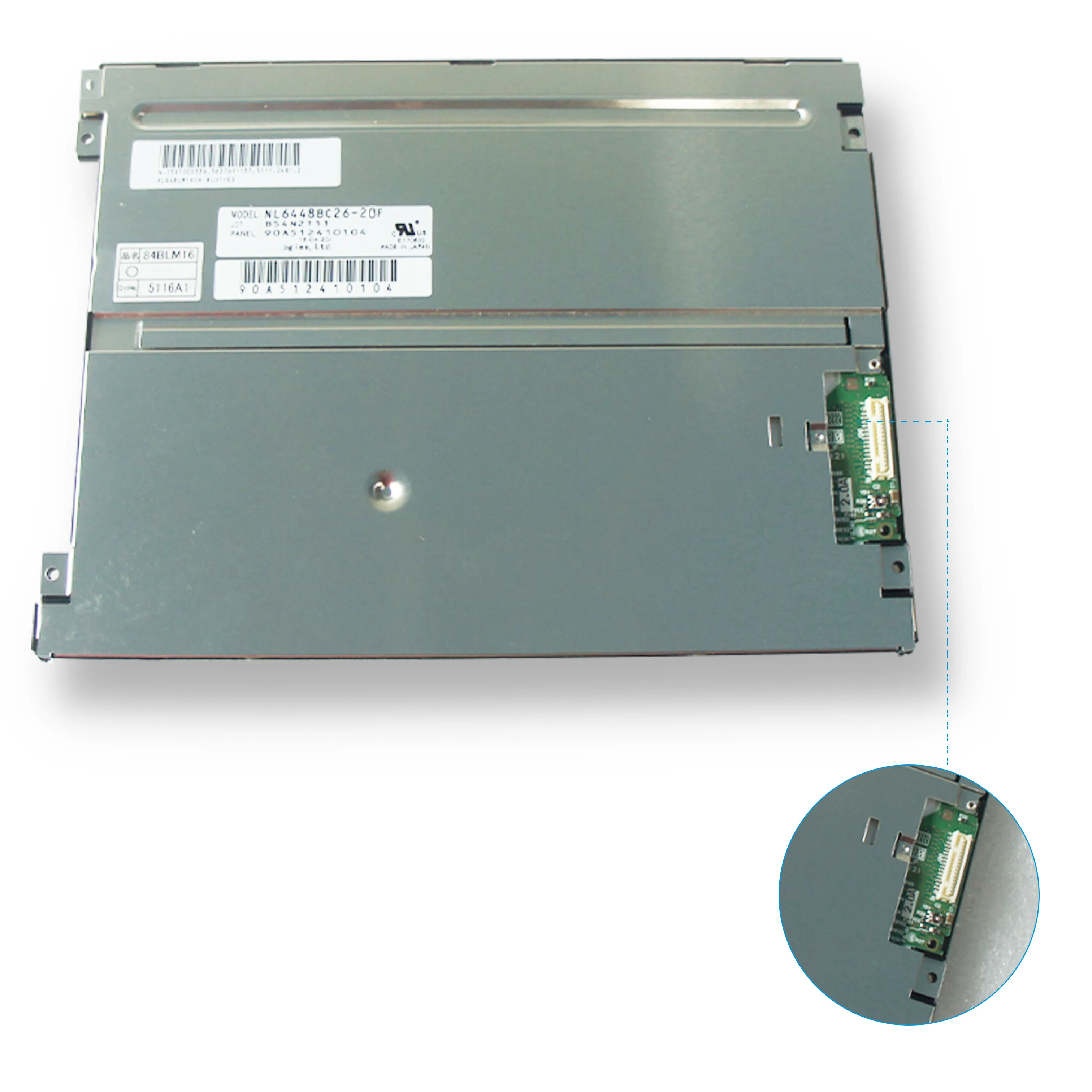

G185XTT01.1 in stock AUO 18.5-inch 1366*768 LCD screen
In the intricate ecosystem of industrial and specialized display solutions, the availability of a specific panel model can be the critical linchpin for a repair, upgrade, or new product integration. The search query "G185XTT01.1 in stock" represents more than just a part number lookup; it signifies a targeted need for a reliable, 18.5-inch visual interface with defined performance characteristics. This article delves deep into the AUO G185XTT01.1 LCD screen, moving beyond mere inventory status to explore its technical identity, inherent strengths, and ideal applications.
Our exploration will dissect the panel's core specifications, contextualize its resolution in today's market, and analyze the practical implications of its design. We will identify the commercial and industrial niches where this screen excels, provide actionable guidance for sourcing and compatibility verification, and project its future relevance. This comprehensive analysis aims to equip engineers, procurement specialists, and technical decision-makers with the knowledge to evaluate if the G185XTT01.1 is the optimal component for their specific visual display requirements.
Decoding the G185XTT01.1: Technical Specifications and Core Identity
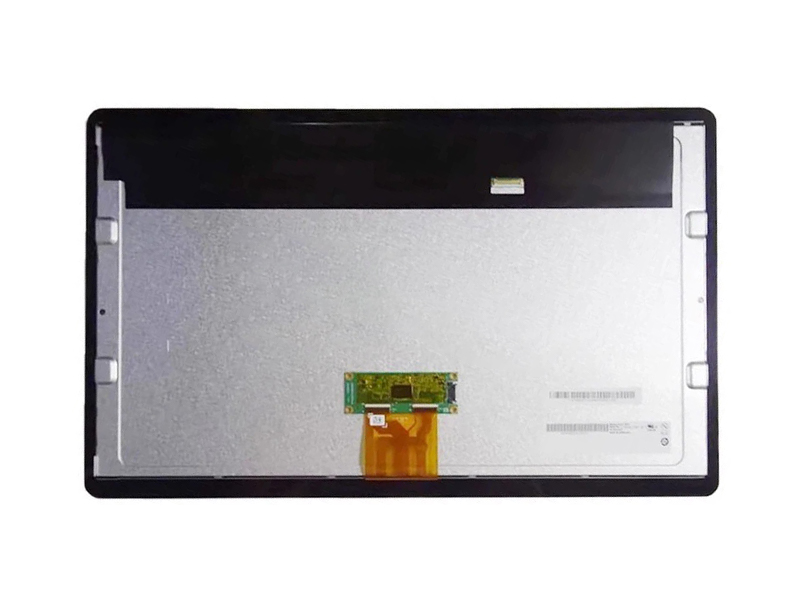
The AUO G185XTT01.1 is a 18.5-inch diagonal LCD panel built on a Twisted Nematic (TN) technology base. Its defining native resolution is 1366 x 768 pixels, commonly known as HD or HD+ (720p). This aspect ratio of 16:9 aligns with the modern widescreen standard. The panel typically features a brightness level of 250 nits and a contrast ratio in the region of 700:1, specifications that prioritize functional clarity over high-end multimedia performance.
Key to its identity are the interface and backlight type. It commonly uses a single-channel LVDS (Low-Voltage Differential Signaling) interface, a stable and widely adopted standard for industrial communication between the panel and the controller board. The backlight is typically CCFL (Cold Cathode Fluorescent Lamp), which differs from the now-ubiquitous LED backlighting in consumer monitors. This technical profile immediately signals its design heritage and intended operational environment—one valuing reliability, longevity in sustained operation, and ease of integration into existing systems designed for CCFL voltage and signaling.

The 1366x768 Resolution in the Modern Context: A Strategic Choice
In an era of 4K and OLED, 1366x768 may seem anachronistic. However, dismissing it based on pixel count alone overlooks its strategic utility. This resolution represents a calculated balance between sufficient detail for text, data, and basic graphical user interfaces, and significantly lower demands on system resources. For embedded systems, point-of-sale terminals, industrial control panels, or legacy machinery upgrades, this resolution is often more than adequate.
The lower pixel count reduces the computational load on the system's graphics processor and the bandwidth requirement for the LVDS interface. This translates to lower power consumption, less heat generation, and enhanced overall system stability—critical factors in 24/7 operational settings. Furthermore, for applications where the display is viewed at a fixed distance and primarily serves to present structured data or control menus, the higher cost and processing overhead of Full HD or higher resolutions provide diminishing returns. The choice of 1366x768 is thus one of purposeful sufficiency and system optimization.
Design and Durability: Built for Sustained Operation
The G185XTT01.1 is engineered with durability and serviceability at its core. The use of a CCFL backlight, while less energy-efficient than LED, was renowned for its even illumination and stable color output over a long lifespan under continuous use. The panel's construction is geared towards mechanical robustness, often featuring a sturdy metal chassis that protects the glass substrate from vibration and minor impacts common in industrial settings.
Its design facilitates integration into larger assemblies. The presence of standard mounting holes and a clearly defined connector area allows for secure installation in kiosks, medical devices, or factory automation equipment. The thermal management of the panel is designed for environments with controlled, but not necessarily perfect, ventilation. This focus on resilience over sleek form factor underscores its role as a component within a larger, mission-critical system, where mean time between failures (MTBF) is a key metric.
Primary Application Niches and Use Cases
The specific profile of the G185XTT01.1 carves out clear and vital application niches. It is a quintessential industrial and commercial display solution. Common use cases include:
Point-of-Sale (POS) Systems: Cash registers and self-service kiosks where reliability and readability under ambient light are paramount.
Industrial Human-Machine Interfaces (HMIs): Control panels for manufacturing equipment, where the screen must withstand electrical noise, dust, and continuous operation.
Medical Monitoring Devices: Non-critical patient monitoring equipment where stable display performance is required.
Legacy System Upgrades: Direct replacement for failed panels in older specialized equipment, where maintaining original form factor and interface compatibility is essential.
Transportation and Utility Information Displays: For scheduling boards or basic information terminals in settings where ultra-high resolution is unnecessary.
Sourcing and Compatibility Verification
Finding the G185XTT01.1 "in stock" requires sourcing from specialized distributors, industrial electronics suppliers, or panel-specific wholesalers, rather than mainstream consumer retailers. When sourcing, verifying complete part number matching is non-negotiable. Variants in the suffix (e.g., .1) can indicate critical differences in backlight connector type, inverter requirements, or mounting hole pattern.
Compatibility verification extends beyond the panel itself. The most crucial step is matching the interface (LVDS pinout and bit lane configuration) and the backlight power requirements. The existing controller board in the device must support the panel's LVDS signal format. Crucially, the CCFL backlight requires a compatible high-voltage inverter. Attempting to power a CCFL backlight with an LED driver (or vice-versa) will fail and can cause damage. Consulting the official AUO datasheet for the exact G185XTT01.1 variant is the only reliable method for verification.
The Future Trajectory of Specialized Display Panels
The G185XTT01.1 exists within a broader market transition. CCFL technology is largely phased out in favor of LED backlighting due to its lower power consumption, thinner profile, and mercury-free composition. Newer industrial panels with similar form factors now predominantly feature LED backlights and may offer improved viewing angles or contrast. However, the demand for exact replacements like the G185XTT01.1 remains strong in the aftermarket and maintenance, repair, and operations (MRO) sector.
This creates a distinct market trajectory: while new equipment designs will adopt modern LED panels, a sustained need for legacy-compatible components will persist for years, even decades, to support the installed base of equipment. The value of panels like the G185XTT01.1, therefore, lies in their role as enablers of longevity, allowing costly capital equipment to remain operational far beyond the lifecycle of its original display components.
FAQs: G185XTT01.1 LCD Screen
Q1: What is the G185XTT01.1 screen primarily used for?
A1: It's primarily used in industrial and commercial applications like POS systems, industrial HMIs, medical devices, and as a replacement for legacy equipment screens.
Q2: Is 1366x768 resolution good enough?
A2: For its intended text-based, data-display, and control interface applications, it provides sufficient clarity while reducing system load and cost.
Q3: What does "CCFL backlight" mean?
A3: It uses Cold Cathode Fluorescent Lamps for illumination, common in older industrial displays. It requires a specific high-voltage inverter to function.
Q4: Can I replace this with a standard LED-backlit monitor?
A4: Not directly. The interface (LVDS), power requirements, physical dimensions, and mounting are specific. It requires a compatible panel or a complete system redesign.
Q5: Why is finding this panel "in stock" important?
A5: It's a legacy component. Availability can be sporadic, and an in-stock status is crucial for urgent repairs to minimize equipment downtime.
Q6: How do I ensure compatibility for a replacement?
A6: Match the full part number exactly and verify the LVDS pinout and backlight inverter requirements against the original panel's datasheet.
Q7: What are the main advantages of this panel?
A7: Durability, stable performance for sustained operation, ease of integration into existing systems, and direct legacy compatibility.
Q8: What are its main disadvantages?
A8: Lower resolution and color performance compared to modern consumer displays, higher power consumption from CCFL, and being based on aging technology.
Q9: Is this panel still being manufactured new?
A9: It is likely in end-of-life or limited production status. Most available stock is from remaining inventory or refurbished units.
Q10: What should I check before purchasing a replacement?
A10: Confirm the exact part number, seller reputation, whether it's new or refurbished, and the return policy. Always request the technical datasheet.
Conclusion
The AUO G185XTT01.1 is far more than a simple 18.5-inch LCD. It embodies a specific era of industrial display design, prioritizing operational resilience, electrical compatibility, and functional clarity. Its 1366x768 resolution and CCFL backlight are not shortcomings but defining characteristics that make it the perfect fit for maintaining and servicing a vast installed base of commercial and industrial equipment.
For engineers and procurement professionals, understanding this panel's technical DNA is key to making informed sourcing decisions. Success lies in meticulous compatibility checks and sourcing from reputable specialists. Ultimately, the ongoing relevance of the G185XTT01.1 underscores a fundamental truth in technology: the need for reliable maintenance and repair often outlives the original manufacturing cycle, creating enduring value in specialized components that keep critical systems running.