- Industrie-LCD-Display
-
Industrial Products
- DC Servo Drive
- AC Servo Drive
- other
- Heidelberg
- FANUC
- IFM
- Meter
- CCD
- Membrane Keypad
- Film
- YOKOGAWA
- Card
- ABB
- MITSUBISHI
- FANUC
- KEYENCE
- BECKHOFF
- Honeywell
- HOLLYSYS
- FUJI servo drives
- HP
- solenoid valve
- thermostat
- Siemens adapter
- color oscilloscope
- Fujitsu connector
- CHELIC
- SMC
- CISCO
- INTEL
- Key board
- FAIRCHILD
- Der Aufsichtsrat
- Board
- Bearing
- other
- Control Panel
- Contactor
- Circuit
- Omron
- Relais.
- Der controller
- Optoelektronische schalter
- Optoelektronische sensoren
- Original
- Fan
- Motortreiber
- Endschalter
- Verstärker
- power supply
- LENZE
- Cable
- Encoder
- Sensor
- Transformator
- Fiber Optic Sensor
- Schutzrelais
- Temperaturregler
- Näherungsschalter
- Switch Sensor
- Siemens
- PCB
- HMI Touch-Glas
-
HMI-Vollautomat Ganze Einheit
- OMRON HMI Touch Panel
- Siemens HMI Touch Panel
- Mitsubishi HMI Touch Panel
- Allen-Bradley Automatisierung HMI Touch
- DELTA HMI Touch Panel
- EVIEW DELTA HMI Touch Panel
- KINCO DELTA HMI Touch Panel
- HITECH HMI Touch Panel
- WEINTECK HMI Touch Panel
- TECVIEW HMI Touch Panel
- WEINVIEW HMI Touch Panel
- PRO-FACE HMI Touch Panel
- SIMATIC HMI Touch Panel
- AMPIRE HMI Touch Panel
- HEIDELBERG HMI Touch Panel
- PANASONIC HMI Touch Panel
- PATLITE HMI Touch Panel
- KYOCERA HMI Touch Panel
- KEYENCE HMI Touch Panel
- WEINVIEW HMI Touch Panel
- HITECH HMI Touch Panel
- FUJI HMI Touch Panel
- HAKKO HMI Touch Panel
- SCHNEIDER HMI Touch Panel
- SAMKOON touch panel
- andere
- Module
- LCD Wechselrichter
- Membran Tastenfeld Schalter
- Winni Touch Screens
- Frequenzumrichter
- Servo Motor
- PLC


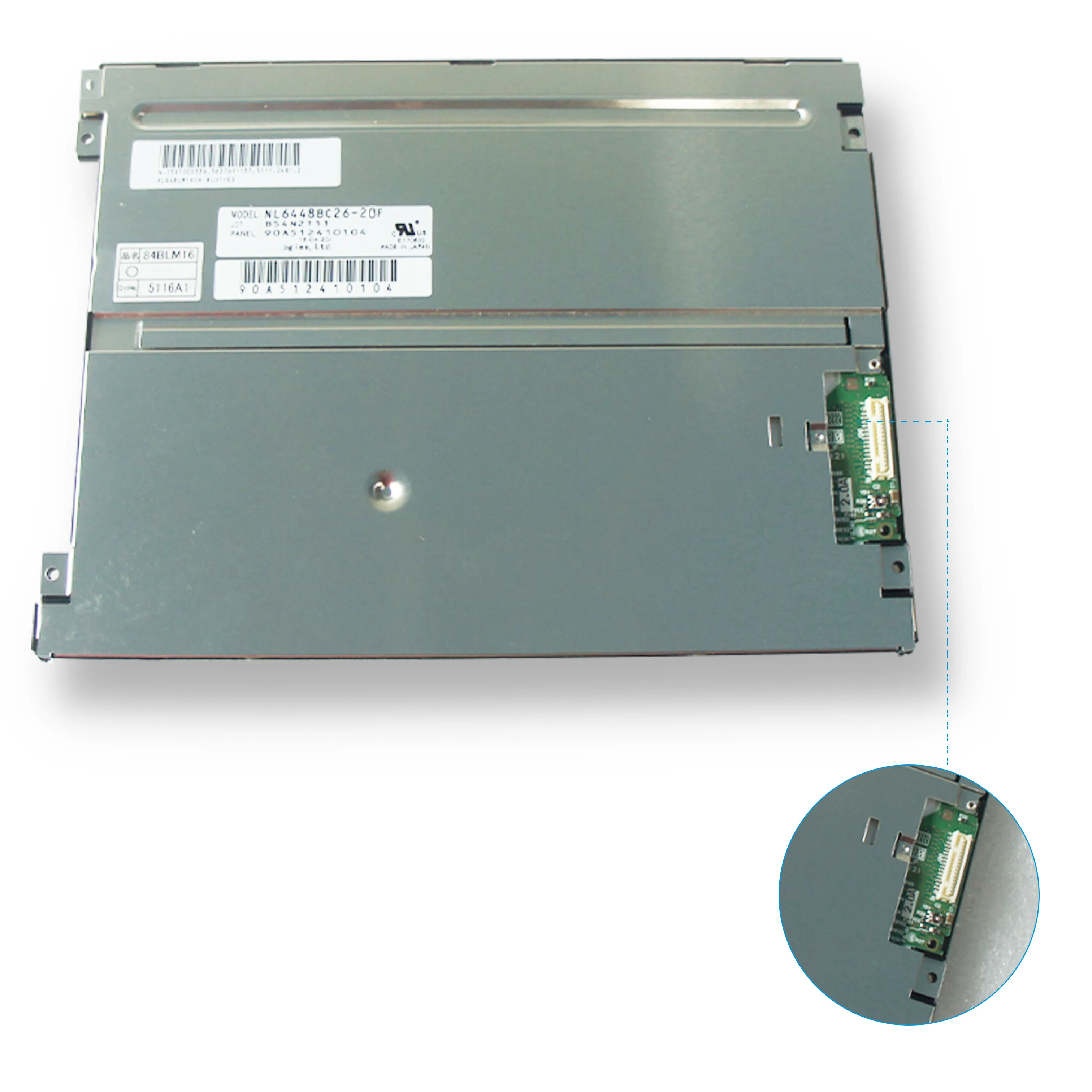

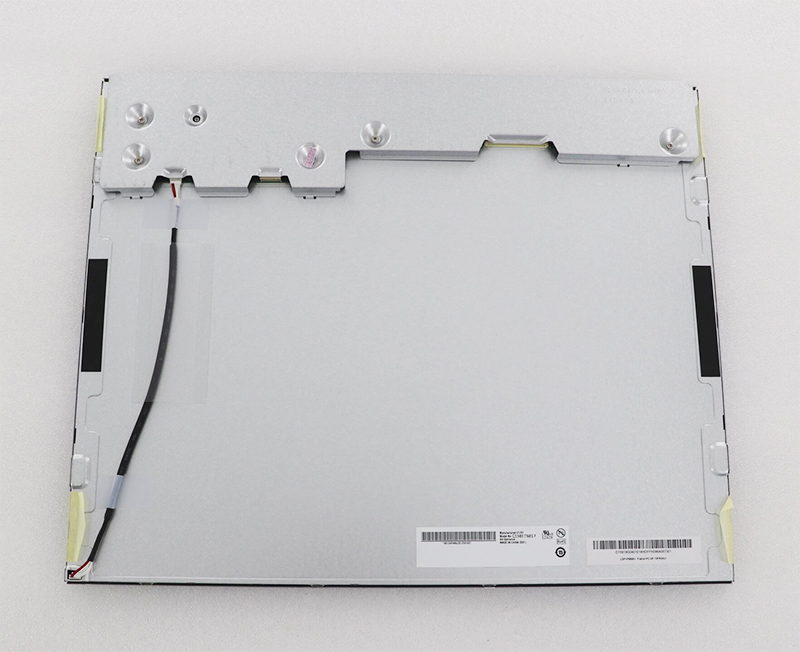
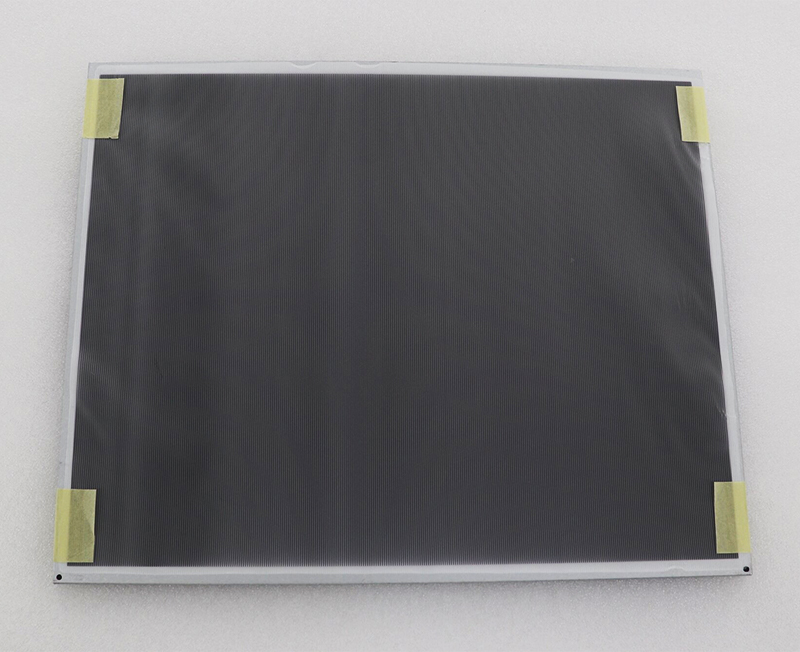
G190ETN01.2 AUO 19" TFT-LCD screen 1280*1024 Display
The industrial display market, while less visible than the consumer sector, forms the silent backbone of critical operations in medical, automation, and transportation sectors. Within this specialized niche, the G190ETN01.2 manufactured by AU Optronics (AUO) stands as a benchmark for reliability and performance. This 19-inch TFT-LCD panel, featuring a native resolution of 1280 x 1024 (SXGA), has been a staple in applications where consistent uptime and precise visual feedback are non-negotiable.
While newer technologies like OLED and high-refresh-rate panels dominate headlines, the enduring relevance of the G190ETN01.2 invites a deeper technical and strategic scrutiny. This article moves beyond a simple datasheet recitation to explore the architectural specifics that make this screen a preferred choice for engineers. We will dissect its optical characteristics, interface logic, mechanical constraints, and long-term lifecycle considerations. The goal is to provide a comprehensive resource for procurement managers, system integrators, and technical decision-makers evaluating this panel for new designs or replacement cycles.
To understand why the G190ETN01.2 persists in the market, one must first decode the meaning of its core specifications. The 19-inch diagonal and 1280x1024 (5:4 aspect ratio) are not arbitrary numbers; they represent a conscious design choice favoring pixel density over widescreen immersion. In industrial settings, the 5:4 aspect ratio provides a taller vertical workspace, ideal for reading lists, patient monitoring charts, or sourcing machine data without scrolling.
The panel's 250 cd/m² (typical) brightness is calibrated for indoor, controlled environments where excessive luminance can cause operator eye fatigue over long shifts. The 1000:1 contrast ratio ensures crisp differentiation between text and background, critical for high-data-density interfaces. The wide 85/85/80/80 (CR≥10) viewing angles, enabled by TN (Twisted Nematic) technology, ensure that the screen remains legible from various operator positions without significant color inversion, a critical factor in multi-user workstations. The response time of 3.5 ms (Typ.) is surprisingly fast for a panel of this class, minimizing motion blur in scrolling medical images or machine diagnostics. These parameters were not chosen for aesthetic appeal but for sustained functional ergonomics in demanding 24/7 environments.
A deep dive into the G190ETN01.2 reveals a sophisticated approach to light management. The standard specification sheet lists brightness, but the critical factor for longevity is how the CCFL (Cold Cathode Fluorescent Lamp) backlight achieves this. Unlike modern LED backlights, the CCFL system offers a different spectral power distribution and heat signature. The panel contains two CCFL tubes, a redundant design choice that allows for partial luminance even if one tube fails, a gracefulness critical in alarm systems.
The transparent micro-electrode structure within the TN layer has a finite light transmission efficiency. The G190ETN01.2 is engineered to balance the 250 cd/m² output with the energy conversion efficiency of its inverter. For system integrators, this means understanding that the lamp lifetime (typically 50,000 hours) is not indefinite. The optical brightness degrades logarithmically, not linearly. A replacement schedule should factor in a 50% brightness decline at ~40,000 hours, not the black-out failure point. This optical architecture directly impacts the maintenance budget and uptime scheduling for any machine utilizing this display. The careful management of polarizers and wave plates in this specific model minimizes internal light scattering, preserving the native contrast even in high-ambient dust environments common to industrial floors.
The G190ETN01.2 employs the LVDS (Low-Voltage Differential Signaling) interface, specifically a 2-channel, 8-bit configuration. This is not a trivial technical detail. The dual-channel design allows for a data rate of up to 85 MHz per channel, enabling the 1280x1024 resolution at a 60 Hz refresh rate with robust noise immunity. From a design perspective, the strict impedance matching (100 Ohms differential) on the PCB trace is mandatory. A mismatch of >10% leads to signal reflection, resulting in ghosting or vertical line artifacts that are difficult to debug in the field.
The panel also features ±3.3V logic levels for its control signals. This standard level is crucial for compatibility with a wide range of industrial single-board computers and embedded controllers. The data mapping follows the JEIDA standard (but can be configured for VESA via pinouts), a trap for inexperienced integrators who assume a universal mapping. The physical 30-pin, 2.0mm pitch connector is a robust mechanical interface designed for repeated mating cycles in chassis assembly. A proper analysis of the timing diagram (specifically the DE (Data Enable) mode vs. SYNC mode) is essential to ensure the controller card and panel are synchronized, preventing flicker or banding at lower refresh rates.
Industrial panels live and die by their thermal and mechanical design. The G190ETN01.2 is contained within a bezel-less (open frame) design with a mounting hole pattern specifically engineered for VESA 100x100 mm compliance. The physical dimensions (396.0 x 324.0 x 13.5 mm) are optimized for standard chassis cutouts. The operating temperature range of 0°C to 60°C is typical, but the storage range of -20°C to 60°C is critical for units stored in non-climate-controlled warehouses.
A frequently overlooked mechanical feature is the panel's weight (approx. 1.6 kg). This non-trivial mass requires robust mounting brackets to avoid vibration damage in mobile equipment (e.g., forklifts or mining vehicles). The CCFL inverter generates significant heat, requiring a minimum airflow of 0.5 m/s around the backlight housing. Without this, the localized heat buildup degrades the polarizer film, causing a permanent yellowing effect after approximately 15,000 hours of continuous use. For longevity, the panel supports field-replaceable backlight units, but the procedure requires a controlled environment to prevent dust ingress. A system integrator should design for thermal derating—operating the panel at 80% of its maximum brightness when ambient temperatures exceed 50°C to compensate for the CCFL's thermal sensitivity.
In the context of modern display tech, the G190ETN01.2 occupies a specific value tier. It is not a high-volume commodity item like a laptop screen, nor is it a low-cost consumer monitor. Its market position is defined by long product lifecycle support (typically 5-7 years by AUO) and industrial-grade electronic components. Competing panels in the 19" SXGA space often use LED backlights (like the G190ETN02.0), offering lower power consumption and thinner profiles.
However, the G190ETN01.2 retains dominance in legacy systems where the inverter circuit is already designed into the power supply board. Replacing it with an LED variant requires a complete redesign of the backlight power supply, adding significant engineering cost. The key differentiator is inventory stability. AUO's "Mature Product" strategy ensures that this panel remains available through authorized distributors (like Winstar, 4D Systems) even as newer models are introduced. For system integrators with a large installed base of medical or banking machines, the risk of a sudden End-of-Life (EOL) notice is lower for this panel than for more fashionable, high-turnover consumer models. The cost per unit ($200-$350 USD, depending on volume and warranty status) reflects the premium for this guaranteed availability.
The most critical architectural discussion for users of the G190ETN01.2 is the backlight conversion path. While the panel itself is reliable, the CCFL backlight tubes are the weakest link, with a finite lumen maintenance curve. The industry is moving toward direct-fit LED backlight strips designed specifically for the G190ETN01.2. These aftermarket kits replace the two CCFL tubes with a row of high-brightness LEDs, requiring a constant current driver in place of the original inverter.
This conversion yields three tangible benefits: (1) Energy efficiency—LEDs consume 40-50% less power than CCFLs; (2) Longer lifetime—LEDs in a well-heat-sinked design often exceed 70,000 hours before half-brightness; and (3) Instant start—no warm-up time for full brightness, critical for security or emergency shutdown screens. The challenge is optical matching; aftermarket LED strips must precisely align with the panel's light guide plate (LGP) notches. A 1mm misalignment causes visible uneven brightness (mura). The conversion cost ($80-$120 for the kit plus driver) must be weighed against the panel replacement cost. For high-brightness variants (>400 cd/m²), the conversion is often not recommended due to thermal load on the LGP. This is a mechanical-optical integration problem, not just an electronic swap.
Q: What is the exact resolution of the G190ETN01.2?
A: The native resolution is 1280 x 1024 (SXGA), with a standard 5:4 aspect ratio. It supports the standard 60 Hz refresh rate.
Q: Is this panel compatible with a standard computer monitor connector?
A: No. It requires an LVDS (30-pin, 2-channel) interface, not VGA, DVI, or HDMI. You need a controller board to convert HDMI/DisplayPort to LVDS.
Q: What is the typical lifespan of the backlight?
A: The CCFL backlight has a specified lifetime of 50,000 hours to half-brightness, but degradation starts around 30,000 hours depending on operating temperature.
Q: Can I use this screen outdoors?
A: Generally no. With 250 cd/m² brightness, it is designed for indoor use. Direct sunlight will wash out the image. A high-brightness LED conversion is required for outdoor visibility.
Q: What is the optimal operating temperature range?
A: The recommended range is 0°C to +60°C. Below 0°C, the TN liquid crystals may become sluggish, and below -20°C storage, permanent damage can occur.
Q: Is the touch panel included with the display?
A: No. The G190ETN01.2 is a glass-only TFT panel. It does not include a touch sensor. You must add a separate touch overlay (resistive, capacitive, or infrared).
Q: How do I mount this panel?
A: It supports the standard VESA 100mm x 100mm mounting pattern via threaded holes on the back of the metal bezel.
Q: What is the power consumption of this LCD?
A: The typical power consumption is 16.5W, drawn from a +5V and +12V (backlight) power supply. The inverter adds additional draw.
Q: Can I replace a broken CCFL tube with an LED strip?
A: Yes, using a compatible LED backlight conversion kit. However, you must remove the CCFL transformer and replace the inverter with an LED constant-current driver. Optical alignment is critical.
Q: Is the G190ETN01.2 an automotive-grade panel?
A: No, it is industrial grade (typically 0-60°C). Automotive panels (e.g., AEC-Q100) have a much wider temperature range and vibration resistance. This panel is not suitable for direct sun exposure in a vehicle.
Conclusion
The G190ETN01.2 is more than a display; it is a system component engineered for the harsh realities of continuous industrial operation. Its enduring value lies not in cutting-edge specifications but in the deliberate architecture of its optical path, signal integrity, and mechanical resilience. For procurement managers, the decision to use this panel is a calculated trade-off between initial capital expenditure and the guaranteed long-term availability demanded by certified medical or automation equipment.
As the industry pivots to LED backlights and 4K resolution, the G190ETN01.2 remains a tried-and-true workhorse for any application requiring a reliable, readable, and serviceable 19-inch display. The key takeaway is planning for obsolescence. Whether you choose to run it as-is until the CCFL dims or proactively convert it to a solid-state LED backlight, understanding the complete lifecycle of this panel—from its 3.5ms response time to its thermal interface—is the mark of a mature engineering strategy. It is a product that rewards careful study and punishes superficial specification sheet comparisons.