- Industrial LCD display
-
Industrial Products
- DC Servo Drive
- AC Servo Drive
- other
- Heidelberg
- FANUC
- IFM
- Meter
- CCD
- Membrane Keypad
- Film
- YOKOGAWA Module
- Card
- ABB
- MITSUBISHI
- FANUC
- KEYENCE
- BECKHOFF
- Honeywell
- HOLLYSYS
- FUJI servo drives
- HP
- solenoid valve
- thermostat
- Siemens adapter
- color oscilloscope
- Fujitsu connector
- CHELIC
- SMC
- CISCO Module
- INTEL
- Key board
- FAIRCHILD
- Motherboard
- Board
- Bearing
- other
- Control Panel
- Contactor
- Circuit
- OMRON
- Relay
- Controller
- Photoelectric Switch
- Photoelectric Sensor
- Original
- Fan
- Motor Driver
- Limit Switch
- Amplifier
- power supply
- LENZE
- Cable
- Encoder
- Sensor
- Transformer
- Fiber Optic Sensor
- Protection Relay
- Temperature Controller
- Proximity Switch
- Switch Sensor
- Siemens
- Industrial board
- HMI Touch Glass
-
HMI Full Machine Whole unit
- OMRON HMI Touch Panel
- Siemens HMI Touch Panel
- Mitsubishi HMI Touch Panel
- Allen-Bradley automation HMI Touch Panel
- DELTA HMI Touch Panel
- EVIEW DELTA HMI Touch Panel
- KINCO DELTA HMI Touch Panel
- HITECH HMI Touch Panel
- WEINTECK HMI Touch Panel
- TECVIEW HMI Touch Panel
- WEINVIEW HMI Touch Panel
- PRO-FACE HMI Touch Panel
- SIMATIC HMI Touch Panel
- AMPIRE HMI Touch Panel
- HEIDELBERG HMI Touch Panel
- PANASONIC HMI Touch Panel
- PATLITE HMI Touch Panel
- KYOCERA HMI Touch Panel
- KEYENCE HMI Touch Panel
- WEINVIEW HMI Touch Panel
- HITECH HMI Touch Panel
- FUJI HMI Touch Panel
- HAKKO HMI Touch Panel
- SCHNEIDER HMI Touch Panel
- SAMKOON touch panel
- other
- Module
- lcd inverter
- Membrane Keypad Switch
- Winni Touch Screens
- Frequency Inverter
- Servo Motor
- PLC


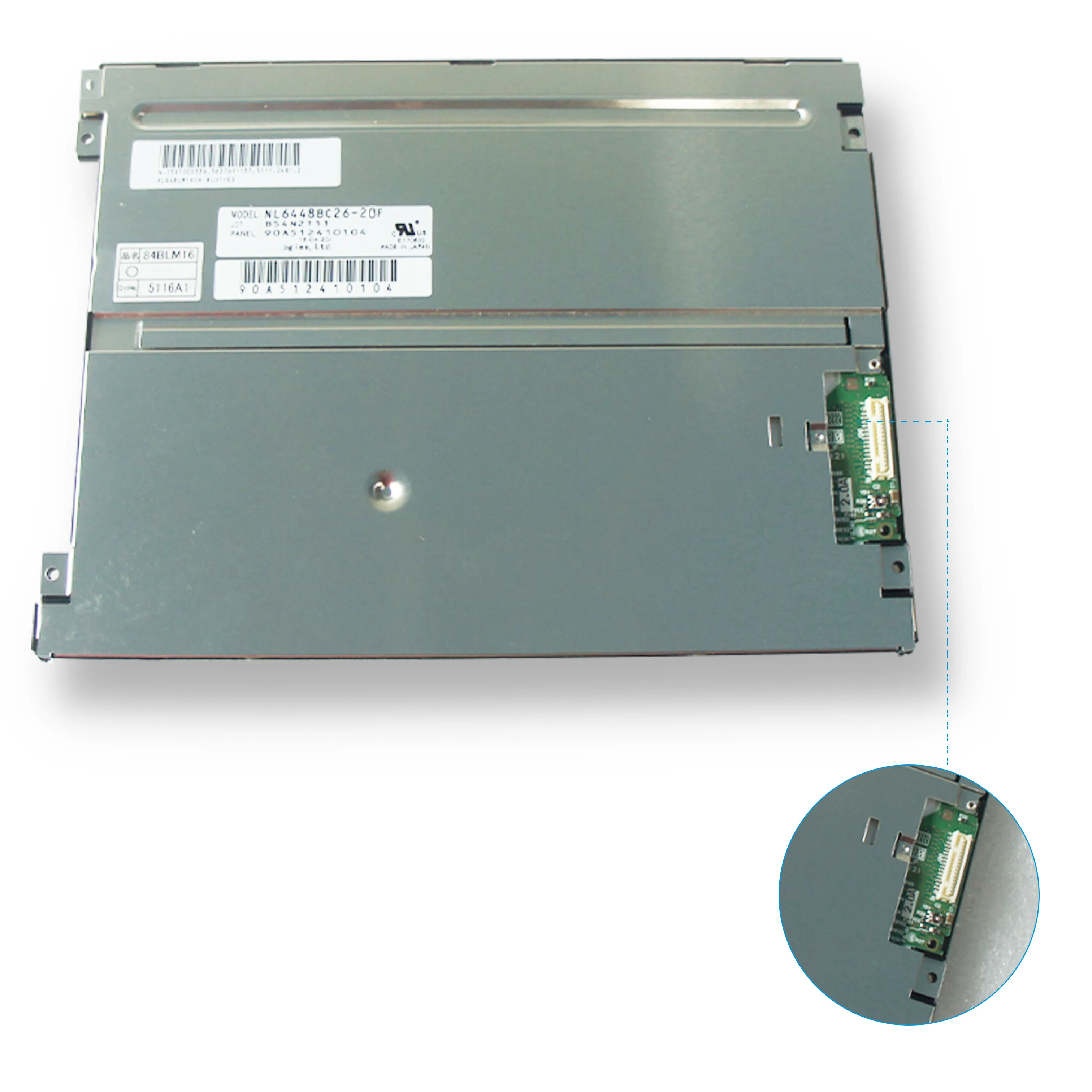

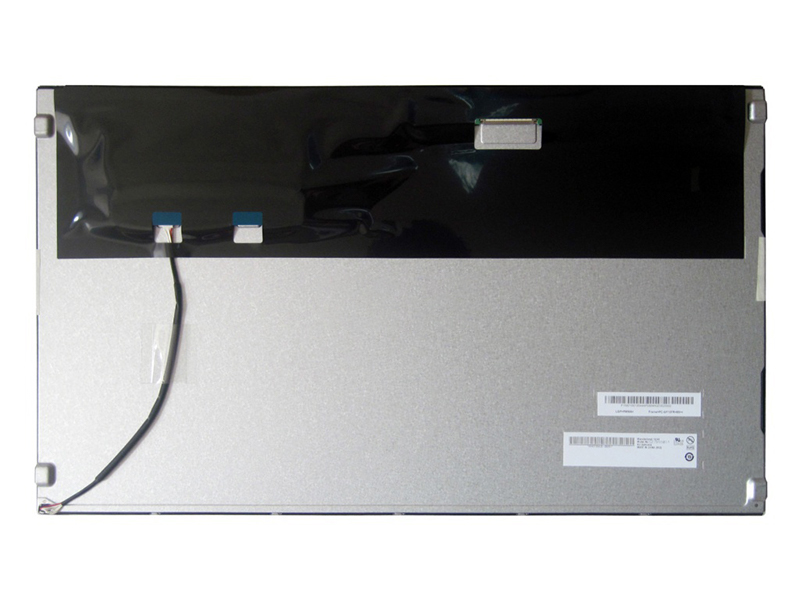
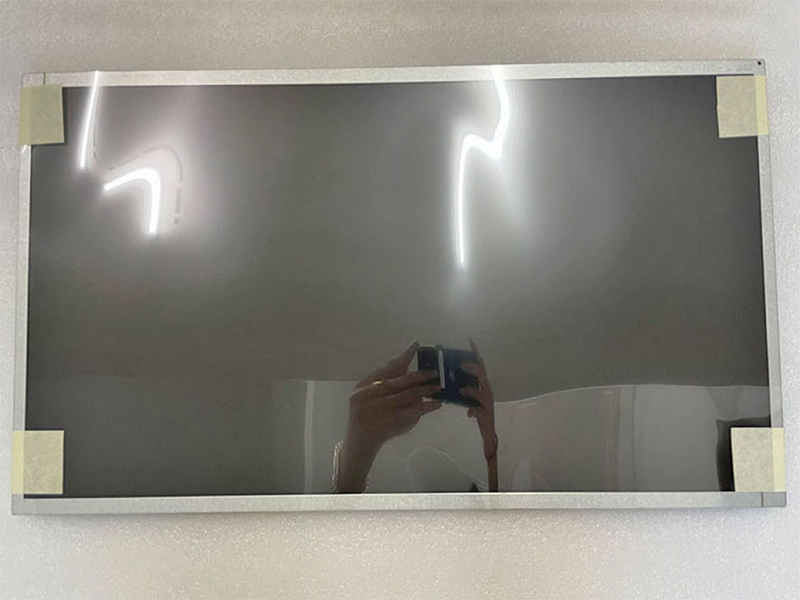
G215HVN01.101 AUO 21.5-inch 1920*1080 LCD screen
In the highly competitive landscape of industrial and commercial display technology, the AUO G215HVN01.101 stands as a benchmark for 21.5-inch LCD panels. This article provides a comprehensive deep dive into this specific model, moving beyond basic specifications to explore its architecture, performance characteristics, and practical applications. We will examine the underlying Vertical Alignment (VA) technology that distinguishes this panel from typical Twisted Nematic (TN) alternatives, and analyze how its 1920x1080 full HD resolution meets the demands of diverse sectors, from medical imaging to digital signage. The discussion will cover optical performance, mechanical interfacing, reliability considerations, and integration challenges. By the end of this piece, professionals tasked with display selection will have a nuanced understanding of whether the G215HVN01.101 is the right solution for their specific operational requirements, balancing cost against critical factors such as contrast, viewing angle stability, and longevity in harsh environments.
At the core of the G215HVN01.101 is AUO’s Vertical Alignment (VA) technology, a critical differentiator from the more common IPS or TN panels. In a VA cell, liquid crystal molecules are aligned perpendicular to the glass substrates in their natural state. This orientation results in exceptionally deep black levels because, with no voltage applied, the light from the backlight is effectively blocked by the crossed polarizers. When voltage is applied, the crystals tilt to allow light through, creating the image. The primary advantage here is native contrast ratio. The G215HVN01.101 typically specifies a static contrast ratio of 4000:1, which is substantially higher than IPS panels (often 1000:1 to 1500:1) and TN panels. This high contrast translates to images with profound depth, making text appear sharper on white backgrounds, and shadows in video content retaining detail instead of turning into gray smudges. However, this technology does have a trade-off: gamma shift. When viewed from extreme angles, VA panels can show a slight shift in luminance and color, a behavior distinct from the color shift seen in IPS panels. Understanding this behavior is crucial for applications where multiple viewers must see consistent colors from off-center positions.
Beyond the architecture, the measured optical parameters define real-world usability. The G215HVN01.101 is rated for a typical brightness of 350 cd/m², making it suitable for well-lit indoor environments, such as factory floors or hospital corridors, without needing aggressive backlight driving that could reduce lifespan. As mentioned, the 4000:1 contrast ratio is the defining feature, but the panel’s response time (typically 8-12 ms) warrants attention. While not gaming-grade, this response is adequate for static or slowly changing content like menus, control panels, and data visualizations. Motion blur will be noticeable in fast video sequences. Official viewing angles are listed at 178°/178°, but this metric requires nuance. While the contrast ratio remains above 10:1 out to these angles, the gamma shift inherent to VA technology means that colors and luminance will not appear uniform across the screen for a single viewer positioned perpendicularly. For a single central operator, the on-axis performance is outstanding. For a group gathered around a screen in an airport kiosk, the outer viewers will perceive a washed-out or slightly yellow-tinted image compared to the central viewer. This nuance is often overlooked in marketing material but is vital for user experience design.
Integrating the G215HVN01.101 into a product requires careful attention to its electrical and mechanical footprint. The panel uses a 30-pin LVDS (Low-Voltage Differential Signaling) interface, a well-established standard for 1920x1080 resolution at 60Hz. Specifically, it's a dual-channel (2-channel) LVDS configuration, which is necessary to handle the pixel clock for Full HD without using excessive voltage or complex signal conditioning on the driving board. Engineers must verify that their controller board supports 10.2V or 12.0V logic levels as specified by the timing controller for this panel. The power supply for the backlight is a separate input, which is common for industrial panels to allow for customized inverter boards. For the backlight, the G215HVN01.101 uses an LED array at the edge, requiring a specific drive current. Mechanically, the panel is sized for a standard 21.5" cutout with a mounting hole pattern of 100x100 mm VESA. Its thickness, including the driver PCB and backlight frame, is typically around 14.5 mm. When sourcing a compatible touch panel or bezel, note that the active area is exactly 476.64 (H) x 268.11 (V) mm. Using a non-compatible bezel can block part of the image or put pressure on the LC cell, causing mura (uneven luminance).
A key reason for specifying the G215HVN01.101 in industrial or medical applications is its commitment to reliability. This panel is designed for a long-life LED backlight rated for 30,000 to 50,000 hours to half-brightness under normal operating conditions (25°C). However, real-world environmental stress—such as high ambient temperature, dust, and vibration in a factory automation line—will reduce this. The panel is typically specified for an operating temperature range of 0°C to 50°C and a storage range of -20°C to 60°C. This is adequate for indoor commercial use but is not suitable for outdoor kiosks exposed to freezing or direct sunlight. The panel's construction uses UV-resistant polarizers which are less prone to yellowing over time in environments with fluorescent or artificial lighting. For applications requiring sanitation or exposure to cleaning chemicals (e.g., hospitals, food processing), it is critical to note that the front polarizer is generally a soft material. Many chemical cleaners can cause etching or delamination. Therefore, physical protective glass or a hard-coated touch sensor overlay is highly recommended to protect the polarizer and maintain the specified high contrast ratio over the product's intended life.
Given its characteristics, the G215HVN01.101 excels in specific verticals while being a poor choice for others. Its high contrast and robust build make it ideal for Human-Machine Interfaces (HMI) in industrial machinery, portable medical ultrasound devices where deep blacks are critical for image interpretation, and point-of-sale/kiosk applications in dim-to-moderate lighting. In these contexts, the VA gamma shift is less of a liability because the viewer is typically directly in front of the screen. Conversely, it is a poor fit for digital signage in bright retail environments (requires >700 cd/m²) or for collaborative meeting room displays (wide multi-viewer consistency needed). For engineers evaluating this against other 21.5" panels, the decision framework should be: 1) Is high static contrast the top priority? 2) Is the viewing environment single-user? 3) Is environmental resistance a concern? If the answer to these is yes, the G215HVN01.101 is highly competitive. If not, an IPS panel with a higher brightness or a panel designed for zero gamma shift might be more appropriate, even at a higher cost. The panel’s longevity also makes it a sustainable choice for OEMs who need a constant specification for a 5-7 year product lifecycle.
Q1: Is the AUO G215HVN01.101 an IPS or VA panel?
A: It is a Vertical Alignment (VA) panel, distinguished by its superior native contrast ratio (~4000:1) compared to IPS or TN panels.
Q2: What is the precise active display area of this panel?
A: The active area is 476.64 mm (W) x 268.11 mm (H), standard for a 21.5-inch diagonal display.
Q3: What interface does the G215HVN01.101 use to connect to a controller board?
A: It uses the 30-pin dual-channel LVDS (Low-Voltage Differential Signaling) interface standard.
Q4: What is the typical lifespan of the backlight in this panel?
A: The LED backlight is rated for 30,000 to 50,000 hours of life to half-brightness under normal conditions.
Q5: Can this panel be used outdoors in direct sunlight?
A: Not recommended. Its typical brightness (350 cd/m²) is insufficient against sunlight. Outdoor use requires panels with 1000+ cd/m² and specific optical bonding.
Q6: What is the main advantage of this panel over a standard TN panel?
A: The primary advantage is the extremely high contrast ratio and superior black levels, resulting in much richer image quality for static content and HMI interfaces.
Q7: What is the most significant drawback of the VA technology in this panel?
A: Gamma shift at wide viewing angles is the main limitation. The image appears noticeably different in color and brightness when viewed from off-center compared to a perpendicular view.
Q8: Does the panel come with a touch screen?A: No. The G215HVN01.101 is a LCD cell and backlight module only.
A touch screen overlay must be sourced and integrated separately.
Q9: What is the recommended operating temperature range?
A: The panel is designed to operate reliably in ambient temperatures from 0°C to +50°C.
Q10: How many pixels does this panel have?
A: It displays a 1920 x 1080 (Full HD / FHD) resolution, totaling exactly 2,073,600 pixels.
Conclusion
The AUO G215HVN01.101 is a specialized tool, not a general-purpose commodity panel. Its engineering trade-off—sacrificing extreme wide-angle color consistency for exceptional contrast and black depth—makes it an optimal choice for a distinct family of applications. For engineers designing human-machine interfaces, medical diagnostic equipment, or single-user workstations where image clarity and readability are paramount, this panel delivers performance that IPS or TN technologies cannot match at the same price point. The decision to adopt this panel should be based on a clear understanding of the viewing environment and the viewer’s angle of incidence. It shines in scenarios where the end user sits directly in front of the screen, benefiting from deep, saturated blacks and crisp text. As display technology continues to evolve into ultra-high brightness and multi-viewer formats, the G215HVN01.101 remains a testament to the fact that for many critical professional applications, contrast and reliability still reign supreme over the latest marketing features. For the right project, this panel is not just a component; it is a reliable foundation for a superior user experience.