- Industrie-LCD-Display
-
Industrial Products
- DC Servo Drive
- AC Servo Drive
- other
- Heidelberg
- FANUC
- IFM
- Meter
- CCD
- Membrane Keypad
- Film
- YOKOGAWA
- Card
- ABB
- MITSUBISHI
- FANUC
- KEYENCE
- BECKHOFF
- Honeywell
- HOLLYSYS
- FUJI servo drives
- HP
- solenoid valve
- thermostat
- Siemens adapter
- color oscilloscope
- Fujitsu connector
- CHELIC
- SMC
- CISCO
- INTEL
- Key board
- FAIRCHILD
- Der Aufsichtsrat
- Board
- Bearing
- other
- Control Panel
- Contactor
- Circuit
- Omron
- Relais.
- Der controller
- Optoelektronische schalter
- Optoelektronische sensoren
- Original
- Fan
- Motortreiber
- Endschalter
- Verstärker
- power supply
- LENZE
- Cable
- Encoder
- Sensor
- Transformator
- Fiber Optic Sensor
- Schutzrelais
- Temperaturregler
- Näherungsschalter
- Switch Sensor
- Siemens
- PCB
- HMI Touch-Glas
-
HMI-Vollautomat Ganze Einheit
- OMRON HMI Touch Panel
- Siemens HMI Touch Panel
- Mitsubishi HMI Touch Panel
- Allen-Bradley Automatisierung HMI Touch
- DELTA HMI Touch Panel
- EVIEW DELTA HMI Touch Panel
- KINCO DELTA HMI Touch Panel
- HITECH HMI Touch Panel
- WEINTECK HMI Touch Panel
- TECVIEW HMI Touch Panel
- WEINVIEW HMI Touch Panel
- PRO-FACE HMI Touch Panel
- SIMATIC HMI Touch Panel
- AMPIRE HMI Touch Panel
- HEIDELBERG HMI Touch Panel
- PANASONIC HMI Touch Panel
- PATLITE HMI Touch Panel
- KYOCERA HMI Touch Panel
- KEYENCE HMI Touch Panel
- WEINVIEW HMI Touch Panel
- HITECH HMI Touch Panel
- FUJI HMI Touch Panel
- HAKKO HMI Touch Panel
- SCHNEIDER HMI Touch Panel
- SAMKOON touch panel
- andere
- Module
- LCD Wechselrichter
- Membran Tastenfeld Schalter
- Winni Touch Screens
- Frequenzumrichter
- Servo Motor
- PLC


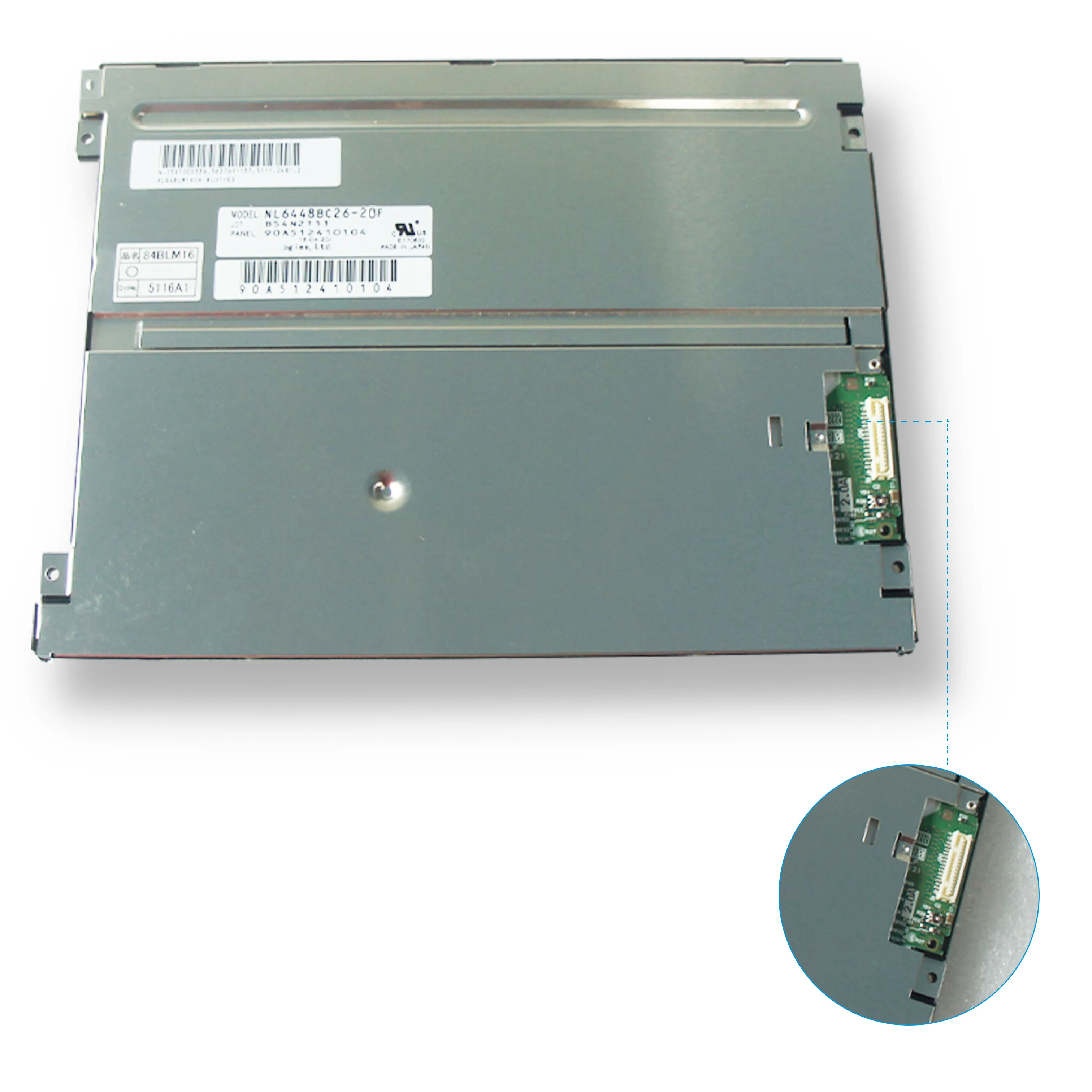

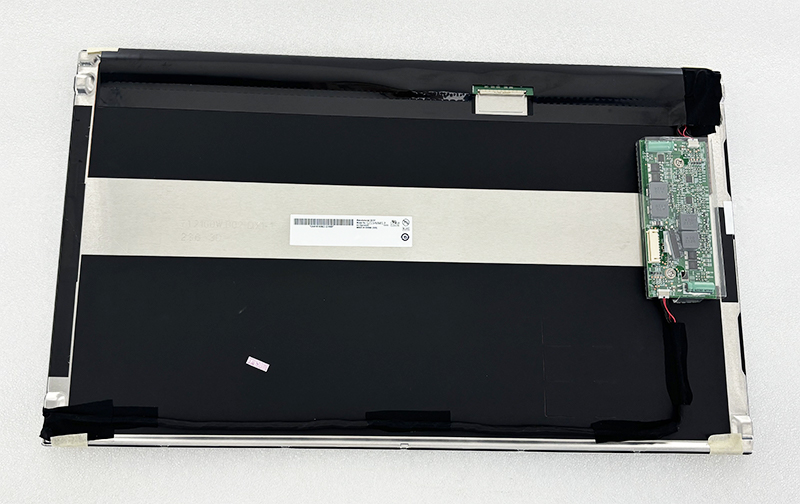
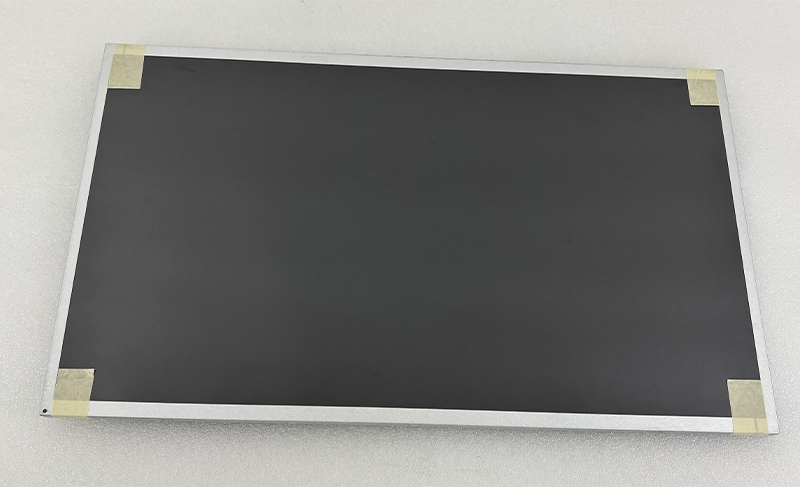
G215HVN01.3 AUO 21.5-inch 1920*1080 LCD display PANEL
In the competitive landscape of industrial and commercial display solutions, the AUO G215HVN01.3 stands as a significant, yet often overlooked, component. Marketed as a 21.5-inch TFT-LCD panel, this module is not simply a generic screen; it is a nuanced piece of engineering designed for specific high-usage environments. While consumer monitors focus on aesthetics and color vibrancy for media consumption, the G215HVN01.3 is built for durability, optical clarity, and precise signal integrity. This article delves deep into the technical architecture, performance characteristics, and application-specific advantages of this panel. We will move beyond superficial specifications to explore why this particular model remains a relevant choice for engineers and procurement specialists in the digital signage, medical, and self-service kiosk industries. We will examine its electrical interfaces, backlight technology, and optical performance, providing a comprehensive guide for those considering this hardware for long-term deployment.
The G215HVN01.3 is built upon a 21.5-inch a-Si TFT-LCD substrate, but its defining characteristic lies in how it communicates with the driving board. It employs a dual-channel LVDS (Low-Voltage Differential Signaling) interface, specifically 8-bit per color (16.7M colors). This is critical for high-resolution 1920x1080 panels because a single-channel interface often lacks the bandwidth required for smooth refresh rates without signal degradation. The dual-channel architecture splits the pixel data across two links, reducing the clock frequency per channel and thereby minimizing electromagnetic interference (EMI).
This design choice inherently contributes to signal fidelity over longer cable runs—a common requirement in kiosks where the display controller is located remotely from the panel. The connector is a standard 30-pin (JEIDA) configuration, ensuring compatibility with most industrial control boards. It is essential to note that this panel does not include a built-in timing controller (TCON) board that integrates touch or direct HDMI input; it is a raw panel requiring a separate driver card. For integrators, this means the quality of the LVDS cable and the grounding scheme are paramount. Poor cable routing can introduce ghosting or flicker, negating the panel's inherent electrical stability. The use of LVDS ensures differential noise rejection, which is superior to single-ended TTL interfaces common in older displays.
The backlight unit (BLU) of the G215HVN01.3 is a mature but robust CCFL (Cold Cathode Fluorescent Lamp) system, or in some revisions, an upgrade path to WLED (White LED). This distinction significantly impacts its use-case. The standard CCFL version offers a wide color gamut and excellent white point uniformity, but it has a finite lamp life, typically rated around 50,000 hours for the lamp, with the inverter board being a potential failure point. However, the model is also known to ship with a WLED edge-lit configuration, which drastically changes the maintenance profile.
For long-life applications like factory floor terminals or airport check-in kiosks, the WLED variant is superior due to its longer half-life (typically >70,000 hours) and energy efficiency. The panel's backlight utilizes a direct-type or edge-type architecture, which influences thickness. The G215HVN01.3 is relatively thin for its era, making it suitable for enclosure designs where depth is a constraint. Key to its longevity is the thermal management. These panels are often placed inside sealed cabinets with little airflow. The design tolerates operating temperatures from 0°C to 50°C, but sustained operation at the upper limit will degrade LED brightness faster. Integrators should note that the luminance of this panel is typically 250-300 cd/m², which is adequate for indoor use but insufficient for direct sunlight. Backlight driving voltage must be precisely matched, as the panel does not include a universal LED driver on its flex cable.
While the resolution is standard full HD, the optical performance of the G215HVN01.3 is geared towards consistent readability rather than cinematic contrast. This panel utilizes TN (Twisted Nematic) technology, which is often criticized in the consumer space for poor vertical viewing angles. However, in an industrial context, TN offers distinct advantages: faster response times (typically 5ms) and lower cost. The viewing angle is specified at 80/80/65/80 (left/right/up/down). The critical limitation is the 65-degree downward angle, which means the panel must be positioned at eye level or slightly below for multi-user viewing.
The native contrast ratio is spec'd at roughly 1000:1, which is standard for TN panels. This is sufficient for dark backgrounds and readable text in typical office lighting. However, what sets this panel apart is its anti-glare (AG) surface treatment. The surface is typically etched with a 25% haze level (Haze 25%), which effectively diffuses ambient light reflections. In a brightly lit retail environment or a hospital ward with overhead fluorescent lighting, this anti-glare property is more critical than raw peak brightness. It prevents "mirroring" of the environment onto the screen, reducing operator eye strain. The surface also resists smudging and is easier to clean with isopropyl alcohol, a key requirement for medical hygiene protocols.
The physical dimensions of the G215HVN01.3 are designed for standardized industrial chassis. The active area measures 476.64 mm x 268.11 mm, with an overall module outline of approximately 493.7 mm x 320.0 mm. The mounting is achieved via screw holes along the left, right, and top edges, designed for M3 screws at specific torques. The panel's thickness is around 15-16 mm, depending on the backlight version.
A critical integration detail is the front bezel requirement. While some modern panels are frameless, this model requires a metal bezel to hold the LCD glass in place and provide structural support. The bezel must not apply pressure directly to the center of the glass, as this can cause "mura" (uneven brightness) or pixel damage. The TFT glass is relatively fragile, so a mounting frame with a gasket or foam tape is recommended to absorb shock. Weight is a factor—approximately 1.8 kg—so the mounting bracket must be adequately sized. The PCB for the LVDS interface and the inverter/SLED driver is located on the bottom of the panel, requiring clearance for cables (usually a 90-degree exit angle to maintain a slim profile). Proper ground bonding between the panel metal frame and the system chassis is essential to pass EMC/EMI regulatory tests.
The G215HVN01.3 is not a general-purpose monitor. Its design optimizes it for three primary verticals. First, Medical Equipment: The 21.5-inch size is a standard form factor for patient monitors, ultrasound machines, and medical cart displays. The anti-glare surface and CCFL/WLED steady light output are crucial for accurate diagnostic reading. It is also often used in PACS (Picture Archiving and Communication System) viewers where grayscale performance is acceptable for NEMA standards, though it lacks the 10-bit depth of higher-end medical panels.
Second, Self-Service Kiosks: In ticketing machines, ATM machines, and check-in terminals, reliability is key. The rugged TN technology means the panel will not suffer from stuck pixels as easily as some lower-quality VA panels under vibration. Its sourcing availability (often a long-life model from AUO) makes it a reliable choice for OEMs who need a consistent bill of materials for 3-5 years. Third, Gambling and Gaming: For slot machines, the panel's fast response time reduces blurring during spinning reels, and its brightness uniformity across the 21.5-inch area ensures the graphics look consistent across the screen width. The panel is also found in industrial HMI (Human Machine Interface) panels, where it can be paired with a resistive or capacitive touch screen overlay due to its standard glass thickness and minimal bezel obstruction.
Power consumption is a secondary, yet important, consideration for the G215HVN01.3. The panel itself + the backlight, when using the WLED variant, typically draws around 18-22 Watts for the backlight (during typical operation at a medium brightness) and about 5-8 Watts for the logic board (VDD). The total power envelope is roughly 24-30 Watts. For the CCFL version, this can rise to 28-35 Watts due to inverter inefficiency.
The thermal strategy is passive. The panel relies on heat dissipation through its metal frame. In a sealed environment, integrators must ensure that the internal enclosure temperature does not exceed the panel’s operating limit. A common mistake is placing the panel directly above a heat-generating power supply without a baffle. The LED current is controlled by the backlight driver, which should be set to the specific current specified in the AUO datasheet (usually around 80-120 mA per string). Overdriving the LEDs will increase brightness but dramatically shorten lifespan. The panel also features a screen-saving mode (often automatically triggered by the timing controller) which can be activated by toggling the LVDS clock, although this is rarely implemented by generic boards. For true power savings, a hardware signal to the enable pin of the LED driver is required, allowing the system to turn off the backlight while keeping the logic board alive for instant-on response.
Q1: Is the G215HVN01.3 compatible with any standard computer?
No, it is a raw LCD panel. It requires a LVDS driver board with HDMI or VGA input to convert standard video signals to LVDS.
Q2: What is the exact connector type for the LVDS cable?
It uses a 30-pin JAE FI-X30SSLA-HF (or compatible) connector on the panel side, typically with a 1.25mm pitch.
Q3: How do I identify if the backlight is CCFL or LED?
Check the model number suffix. A revision with "LED" in the part number or a specific AUO datasheet sub-model indicates LED. Visually, LED panels are thinner and have no inverter block.
Q4: What is the typical response time?
The typical response time (Grey-to-Grey) is 5 ms, suitable for video playback and general GUI interaction.
Q5: Can this panel be used outdoors in direct sunlight?
Only with a high-brightness upgrade. The standard 250-300 cd/m² is insufficient. You need a bonded optical bonding layer and a 1500 cd/m² backlight.
Q6: What is the recommended storage temperature?
Storage temperature range is typically -20°C to +60°C. Do not store in high humidity (below 90% RH is recommended).
Q7: Can I drive this panel with a Raspberry Pi?
You cannot drive it directly. You need an LVDS controller hat that converts the Pi's DSI or HDMI output to 30-pin LVDS.
Q8: Is the glass touch-ready?
Yes, the glass is standard thickness and a touch controller can often be bonded or attached to the front surface.
Q9: What is the lifespan of the LED version's backlight?
The LED backlight’s half-life is typically rated at 70,000 hours at 25°C ambient temperature.
Q10: Why does my screen show a slight green tint?
This is often due to LVDS signal skew. Check the cable quality and ensure the clock and data channels are properly shielded and the correct length.
Conclusion