- Industrial LCD display
-
Industrial Products
- DC Servo Drive
- AC Servo Drive
- other
- Heidelberg
- FANUC
- IFM
- Meter
- CCD
- Membrane Keypad
- Film
- YOKOGAWA Module
- Card
- ABB
- MITSUBISHI
- FANUC
- KEYENCE
- BECKHOFF
- Honeywell
- HOLLYSYS
- FUJI servo drives
- HP
- solenoid valve
- thermostat
- Siemens adapter
- color oscilloscope
- Fujitsu connector
- CHELIC
- SMC
- CISCO Module
- INTEL
- Key board
- FAIRCHILD
- Motherboard
- Board
- Bearing
- other
- Control Panel
- Contactor
- Circuit
- OMRON
- Relay
- Controller
- Photoelectric Switch
- Photoelectric Sensor
- Original
- Fan
- Motor Driver
- Limit Switch
- Amplifier
- power supply
- LENZE
- Cable
- Encoder
- Sensor
- Transformer
- Fiber Optic Sensor
- Protection Relay
- Temperature Controller
- Proximity Switch
- Switch Sensor
- Siemens
- Industrial board
- HMI Touch Glass
-
HMI Full Machine Whole unit
- OMRON HMI Touch Panel
- Siemens HMI Touch Panel
- Mitsubishi HMI Touch Panel
- Allen-Bradley automation HMI Touch Panel
- DELTA HMI Touch Panel
- EVIEW DELTA HMI Touch Panel
- KINCO DELTA HMI Touch Panel
- HITECH HMI Touch Panel
- WEINTECK HMI Touch Panel
- TECVIEW HMI Touch Panel
- WEINVIEW HMI Touch Panel
- PRO-FACE HMI Touch Panel
- SIMATIC HMI Touch Panel
- AMPIRE HMI Touch Panel
- HEIDELBERG HMI Touch Panel
- PANASONIC HMI Touch Panel
- PATLITE HMI Touch Panel
- KYOCERA HMI Touch Panel
- KEYENCE HMI Touch Panel
- WEINVIEW HMI Touch Panel
- HITECH HMI Touch Panel
- FUJI HMI Touch Panel
- HAKKO HMI Touch Panel
- SCHNEIDER HMI Touch Panel
- SAMKOON touch panel
- other
- Module
- lcd inverter
- Membrane Keypad Switch
- Winni Touch Screens
- Frequency Inverter
- Servo Motor
- PLC


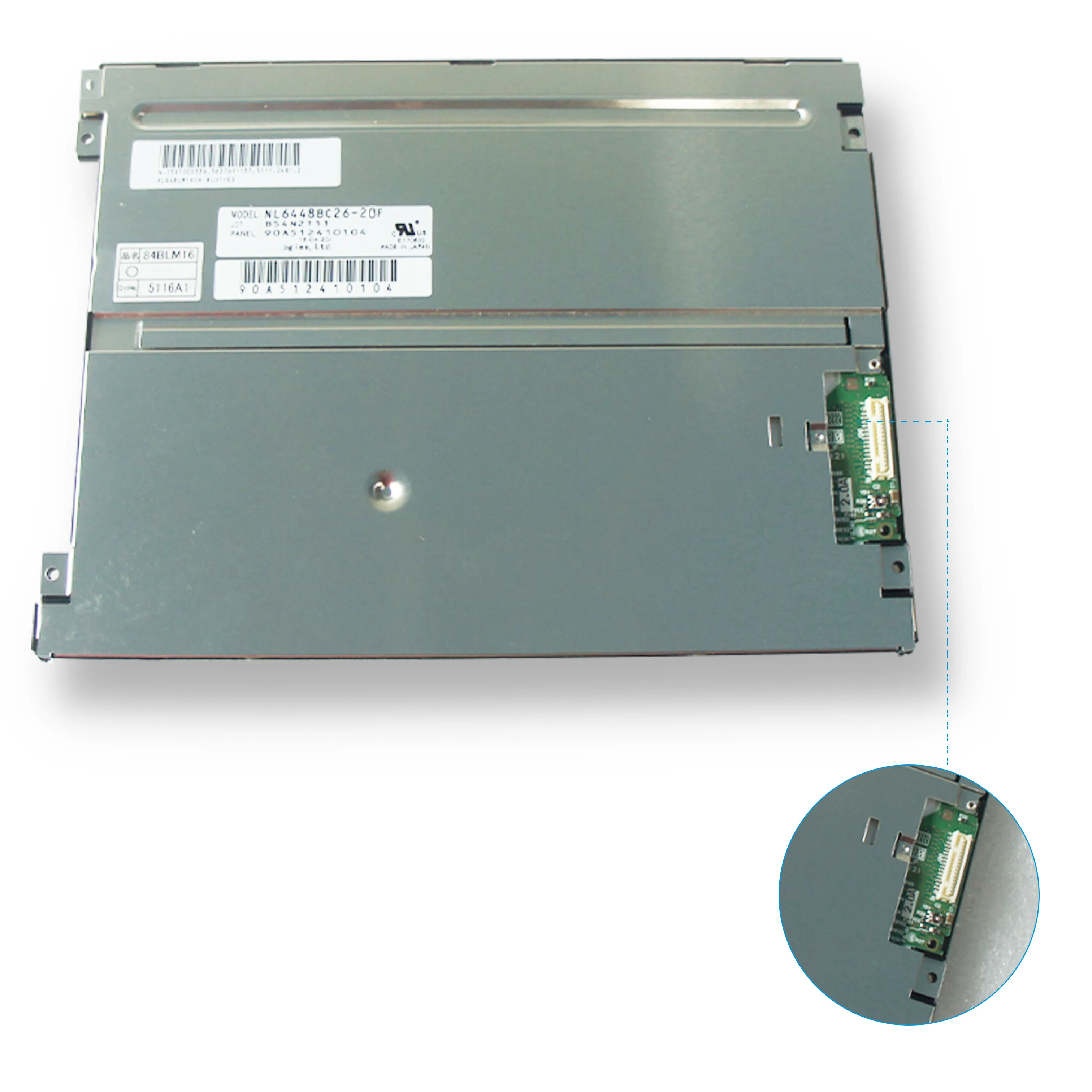

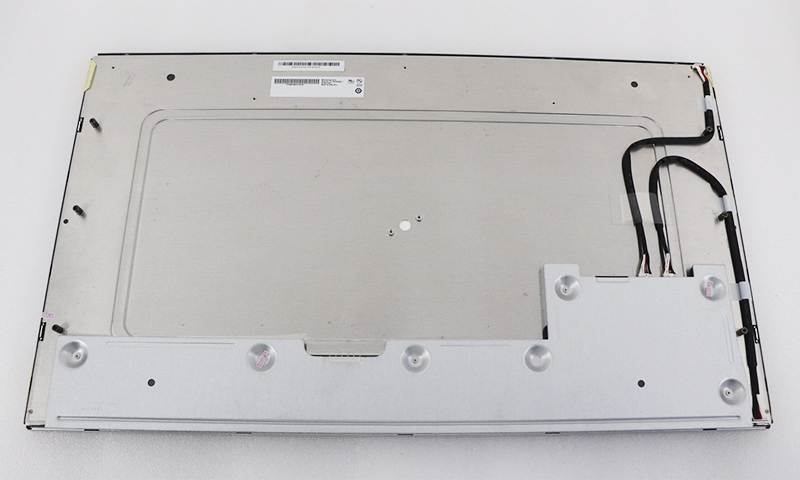
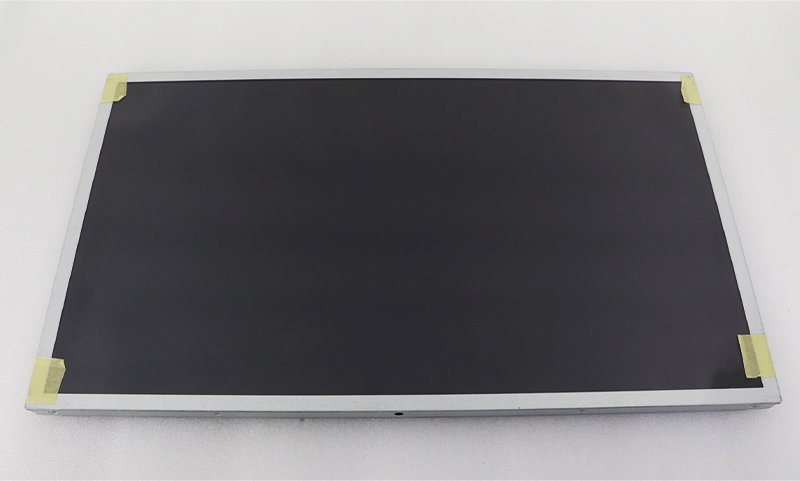
G270ZAN01.1 AUO 27inch 3840*2160 LCD DISPLAY
The industrial and commercial display sector demands more than just vibrant colors; it requires precision, durability, and unwavering performance under demanding conditions. Among the specialized components driving high-end applications, the G270ZAN01.1 from AU Optronics (AUO) stands as a paragon of engineering. This 27-inch LCD display, boasting a native 3840×2160 (4K UHD) resolution, is not merely a monitor; it is a critical interface for medical diagnostics, air traffic control, and digital content creation.
In an era where information density and visual clarity are paramount, understanding the nuances of this specific model is essential for procurement specialists and system integrators. This article provides a deep dive into the G270ZAN01.1, exploring its technical architecture, performance characteristics, and the specific industrial niches it serves. We will move beyond generic specifications to analyze why this particular AUO panel represents a benchmark in professional-grade display technology, offering insights that go far beyond typical marketing descriptions.
Architectural Precision: The IPS-Pro Technology Foundation
At the core of the G270ZAN01.1 is AUO’s proprietary IPS-Pro (In-Plane Switching Professional) technology. This is not the standard IPS found in consumer monitors. IPS-Pro is a premium variant engineered for superior light transmission and stability. The liquid crystal alignment is optimized to minimize light leakage at wide viewing angles, a critical flaw in lower-tier panels. The result is a specification-shattering 178° viewing angle in all directions (CR>10), ensuring that color and contrast remain consistent whether the user is directly in front or viewing from the periphery.
Furthermore, the panel employs a normally black mode. In this state, when no voltage is applied, the liquid crystals block all light, producing a true black. This stands in contrast to older normally white TN panels, where a black screen requires maximum voltage. This architectural choice directly contributes to the panel's exceptional 1000:1 typical contrast ratio, providing the depth necessary for interpreting subtle gradations in medical X-rays or high-dynamic-range video editing. The "Pro" designation also implies a more robust backlight structure, typically utilizing a direct-lit WLED array rather than edge-lit designs, which enhances luminance uniformity across the entire 27-inch diagonal.
Resolution and Pixel Density: The 4K UHD Imperative
The jump from Full HD (1920x1080) to UHD (3840x2160) on a 27-inch screen quadruples the pixel count. This translates to a pixel density of approximately 163 PPI (Pixels Per Inch). While smartphones boast higher densities, 163 PPI at a typical desktop viewing distance of 60-70cm is the threshold where the human eye can no longer discern individual pixels. This "retina" effect is not a luxury but a functional requirement for specific industries.
For a radiologist examining a 4K mammogram, the ability to see micro-calcifications smaller than a grain of sand requires that the display not only be large but also sharp enough to resolve these details without pixelation. The G270ZAN01.1 provides the necessary canvas. The high pixel density allows for four Full HD windows to be displayed simultaneously without scaling distortion, a boon for financial traders or software developers. The panel supports a standard 60Hz refresh rate, which is ideal for static and slow-moving diagnostic imagery where flicker-free stability is prioritized over the high frame rates required for gaming. The 8-bit color depth (16.7 million colors) ensures smooth tonal transitions, preventing visible banding in gradient backgrounds.
Luminance Architecture: The Role of High Brightness
One of the most distinguishing features of the G270ZAN01.1 is its exceptional brightness capability. With a typical luminance of 700 cd/m² (nits), this panel is significantly brighter than standard office monitors (250-350 nits). This is not a marketing gimmick; it is a technical necessity for environments with high ambient light. In an operating room, for instance, bright surgical lights would wash out a standard display. The 700-nit rating ensures that critical patient vitals and endoscopic video remain legible and vivid even under these conditions.
The high brightness also enables the use of optical bonding. Many integrators apply a protective glass or touch overlay to the G270ZAN01.1. The air gap between the LCD module and the cover glass can cause reflections and reduce perceived contrast. By bonding the cover glass directly to the panel with an optically clear adhesive, light transmittance is maximized, reflections are minimized, and the display's effective brightness is retained. Without the panel's native high luminance, the light loss from bonding would render the image too dim for clinical use. This architecture makes the G270ZAN01.1 a preferred base unit for creating sealed, high-brightness medical monitors.
Signal Integrity: Navigating DisplayPort and Dual-Link LVDS
Driving a 4K panel at 60Hz with 8-bit color depth requires substantial bandwidth. The G270ZAN01.1 is designed with connectivity versatility, supporting both eDP (Embedded DisplayPort) and traditional LVDS (Low-Voltage Differential Signaling) interfaces. The specific interface option depends on the exact configuration or custom order (a common practice in the industrial OEM market). The eDP interface is the more modern choice, using fewer wires and supporting higher data rates efficiently.
For systems relying on LVDS, the panel typically requires a dual-channel, 10-bit or 8-bit configuration to handle the 3840×2160 pixel stream. This means two separate data cables are connected to the timing controller (TCON) board. Integrators must ensure their graphic source or scaler board can output a compatible signal. The panel's timing controller is sophisticated, handling pixel clock speeds often exceeding 500 MHz. This level of engineering ensures that there is no "drooping" or signal degradation at the edges of the screen, a common issue in cheaper panels when pushed to their bandwidth limits. Understanding the specific V-ON (gate-on) voltage and V-OFF (gate-off) voltage requirements for the TFT array is crucial for the power supply design, typically in the range of +15V to -10V, respectively.
Thermal Management and Environmental Resilience
High-brightness panels generate significant heat. The WLED backlight of the G270ZAN01.1, running at 700 nits, produces thermal energy that must be efficiently dissipated to prevent image degradation and component failure. The panel's mechanical design often incorporates a metal backplate or heat sink chassis to draw heat away from the LED strips and the driver ICs. The declared operating temperature range is typically 0°C to 50°C, but long-term reliability in a medical or industrial environment demands that the panel stay below 70°C at the glass surface.
Passive thermal management is preferred in noise-sensitive environments like recording studios or ICUs, where fans are prohibited. The G270ZAN01.1 is engineered for this. The uniformity of the backlight can degrade by up to 10-15% as the panel warms up from a cold start. This is normal behavior, but thermal management ensures the panel reaches a stable equilibrium quickly. Furthermore, the panel's construction includes anti-glare (AG) surface treatment, typically a hard coating (3H or harder), which protects the polarizer from scratches during cleaning with harsh medical disinfectants. This environmental resilience is a key differentiator from consumer panels, which lack the robust coatings and thermal pathways for 24/7 operation.
Application Ecosystems: From MRI Suites to Broadcast Centers
The G270ZAN01.1 is not a general-purpose display; it is a tool designed for specific high-stakes workflows. The primary application is in the medical imaging market, particularly for Primary Diagnostic Displays (P3D) for PACS (Picture Archiving and Communication Systems). Its high resolution and brightness meet the DICOM Part 14 Grayscale Standard Display Function (GSDF) requirements, ensuring that the brightness of each pixel accurately represents the tissue density in an X-ray or CT scan. It is also ideal for 3D rendering in surgical planning, where depth perception is aided by clarity.
Beyond medicine, it is widely used in Air Traffic Control (ATC) consoles, where 4K resolution allows controllers to view complex radar data and flight strips simultaneously on a single screen without scrolling. In digital cinema and broadcast reference monitoring, the color consistency across the wide 178° viewing angle allows multiple editors or directors to view the same monitor with confidence. The panel is also a prime candidate for professional simulation environments (flight simulators or driving sims) where visual fidelity and pixel-perfect rendering are non-negotiable for immersive training. Its durability and reliability make it a financially sound choice for applications requiring a 50,000+ hour lifespan without significant brightness degradation.
Frequently Asked Questions (FAQs)
What is the exact resolution of the AUO G270ZAN01.1?
It has a native resolution of 3840x2160 pixels, which is standard 4K Ultra-High Definition (UHD) with a 16:9 aspect ratio.
Is this panel suitable for gaming?
Not typically. It has a standard 60Hz refresh rate and is optimized for static or slow-moving content with high fidelity. It lacks adaptive sync features (FreeSync/G-Sync) and fast response times for gaming.
What type of backlight does the G270ZAN01.1 use?
It uses a WLED (White Light Emitting Diode) backlight. This is typical for high-brightness professional panels, offering long lifespan and reliable color temperature stability.
Can I use this display outside?
While it is very bright (700 cd/m²), it is not fully sunlight-readable without additional measures. Direct sunlight may cause glare and overheating. It is designed for controlled indoor environments like hospitals and control rooms.
What is the typical power consumption?
At maximum brightness, the power consumption is typically around 36-40 Watts (depending on the backlight driver configuration). This is higher than a standard office monitor due to the high luminance.
Does it have a touch screen?
Not by default. The G270ZAN01.1 is a display panel module only. However, integrators frequently apply projected capacitive (PCAP) touch or resistive touch overlays for interactive applications like patient check-in kiosks.
What is the difference between G270ZAN01.1 and G270ZAN01.0?
These are different "revisions" or "versions" of the same underlying panel design. The differences are usually minor specifications related to the timing controller, backlight connector orientation, or slight brightness tolerance variations. The .1 is often a later, improved revision.
Is it compatible with DisplayPort?
Yes. It supports eDP (Embedded DisplayPort) natively. For external DisplayPort connections, an adapter/scaler board is required to convert standard DisplayPort or HDMI signals to the eDP/LVDS interface the panel demands.
What is the expected lifespan of the backlight?
The WLED backlight is rated for approximately 50,000 hours to half-brightness (L50). This means it can run for nearly 6 years continuously before the brightness drops to 350 cd/m².
Does it support HDR (High Dynamic Range)?
It does not natively support an HDR standard (like HDR10 or Dolby Vision), but its high contrast ratio and brightness make it capable of displaying HDR-like content when paired with a compatible graphic system that maps the signal to its linear gamma.
Conclusion
The G270ZAN01.1 from AUO is far more than a collection of specifications on a data sheet. It represents a carefully engineered solution for the most demanding visual tasks in the professional world. By combining the robust architecture of IPS-Pro with the clarity of 4K UHD resolution and the functional necessity of 700 cd/m² brightness, AUO has created a display that serves as a reliable window into critical data.