- Industrial LCD display
-
Industrial Products
- DC Servo Drive
- AC Servo Drive
- other
- Heidelberg
- FANUC
- IFM
- Meter
- CCD
- Membrane Keypad
- Film
- YOKOGAWA Module
- Card
- ABB
- MITSUBISHI
- FANUC
- KEYENCE
- BECKHOFF
- Honeywell
- HOLLYSYS
- FUJI servo drives
- HP
- solenoid valve
- thermostat
- Siemens adapter
- color oscilloscope
- Fujitsu connector
- CHELIC
- SMC
- CISCO Module
- INTEL
- Key board
- FAIRCHILD
- Motherboard
- Board
- Bearing
- other
- Control Panel
- Contactor
- Circuit
- OMRON
- Relay
- Controller
- Photoelectric Switch
- Photoelectric Sensor
- Original
- Fan
- Motor Driver
- Limit Switch
- Amplifier
- power supply
- LENZE
- Cable
- Encoder
- Sensor
- Transformer
- Fiber Optic Sensor
- Protection Relay
- Temperature Controller
- Proximity Switch
- Switch Sensor
- Siemens
- Industrial board
- HMI Touch Glass
-
HMI Full Machine Whole unit
- OMRON HMI Touch Panel
- Siemens HMI Touch Panel
- Mitsubishi HMI Touch Panel
- Allen-Bradley automation HMI Touch Panel
- DELTA HMI Touch Panel
- EVIEW DELTA HMI Touch Panel
- KINCO DELTA HMI Touch Panel
- HITECH HMI Touch Panel
- WEINTECK HMI Touch Panel
- TECVIEW HMI Touch Panel
- WEINVIEW HMI Touch Panel
- PRO-FACE HMI Touch Panel
- SIMATIC HMI Touch Panel
- AMPIRE HMI Touch Panel
- HEIDELBERG HMI Touch Panel
- PANASONIC HMI Touch Panel
- PATLITE HMI Touch Panel
- KYOCERA HMI Touch Panel
- KEYENCE HMI Touch Panel
- WEINVIEW HMI Touch Panel
- HITECH HMI Touch Panel
- FUJI HMI Touch Panel
- HAKKO HMI Touch Panel
- SCHNEIDER HMI Touch Panel
- SAMKOON touch panel
- other
- Module
- lcd inverter
- Membrane Keypad Switch
- Winni Touch Screens
- Frequency Inverter
- Servo Motor
- PLC


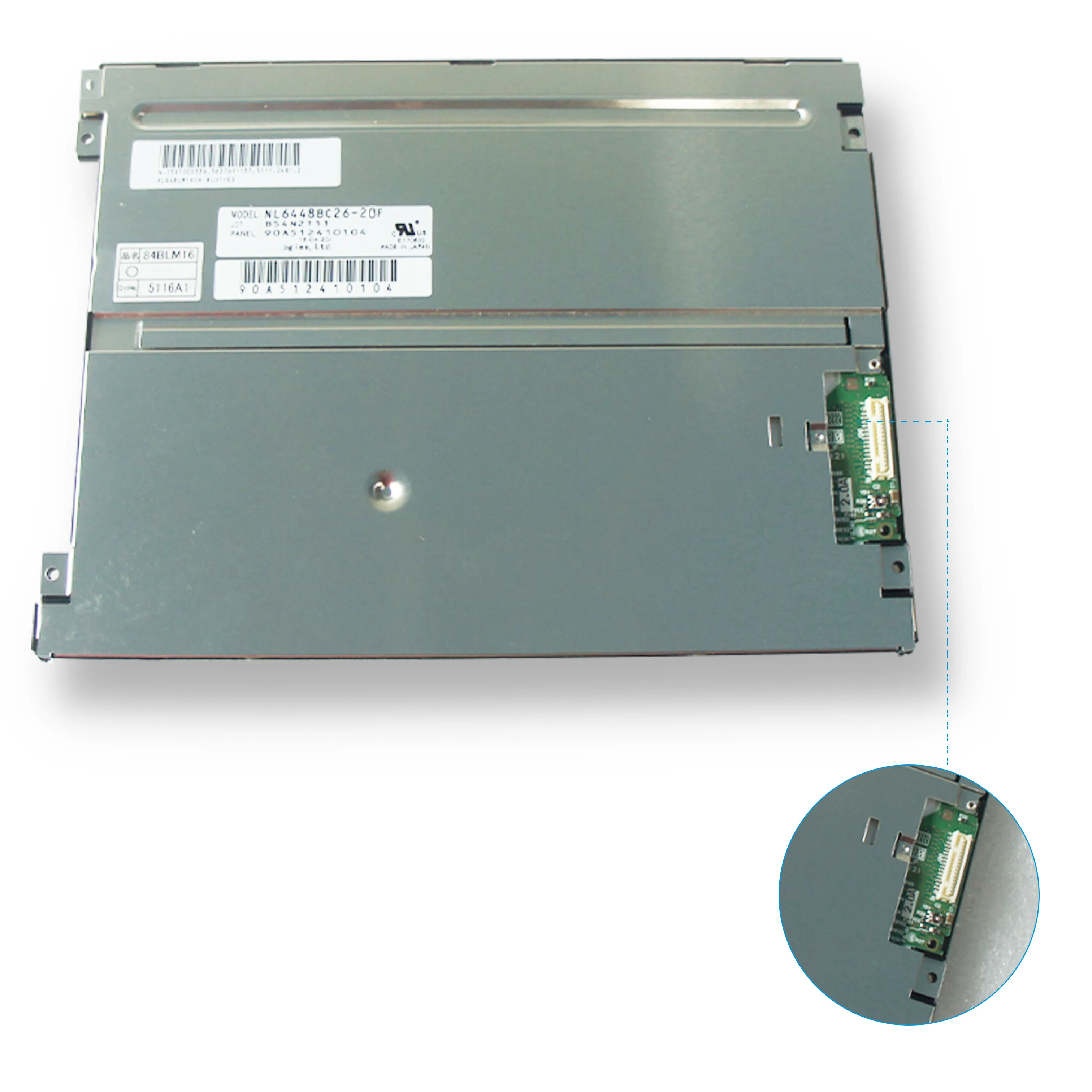

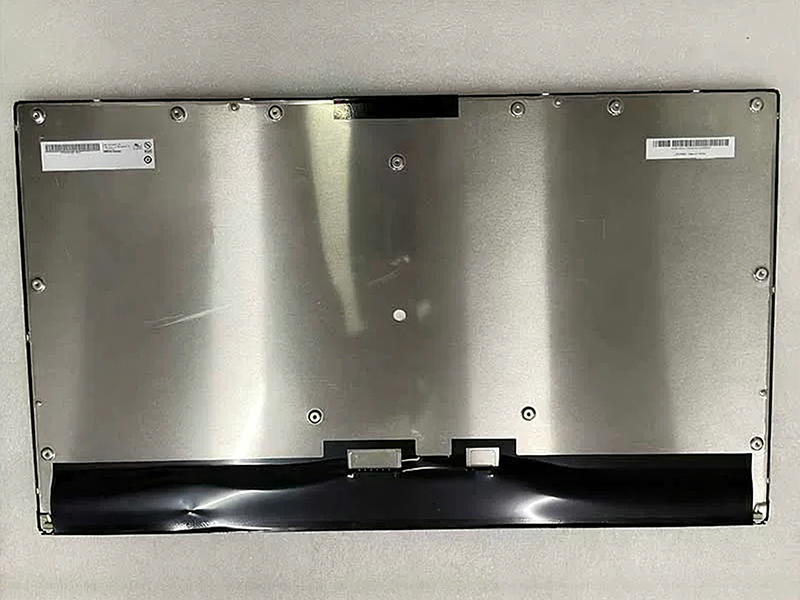
G270ZAN01.5 in stock AUO 27.0" 3840*2160 LCD display
In the rapidly evolving landscape of industrial and commercial display technology, the availability of high-performance LCD panels often dictates the pace of innovation in fields ranging from medical imaging to digital signage. One such component that has garnered significant attention from procurement specialists and system integrators is the AUO G270ZAN01.5, a 27.0-inch LCD display boasting a native 3840x2160 (4K UHD) resolution. While the market is flooded with consumer-grade monitors, the professional sector demands a different caliber of panel—one that ensures consistent color accuracy, robust thermal performance, and extended operational reliability. This article delves into the specific attributes of the G270ZAN01.5 model, exploring its technical architecture, application suitability, and the strategic advantages of sourcing it from stock. We will move beyond surface-level specifications to examine how this panel fits into critical workflows, addressing the nuanced challenges of integration and supply chain logistics. By the end of this analysis, professionals will gain a comprehensive understanding of why this particular AUO panel remains a benchmark in high-end display solutions.
While a 3840x2160 resolution is frequently cited as a headline specification, the true value of the G270ZAN01.5 lies in the engineering choices that make this resolution usable in demanding environments. The panel utilizes a Vertical Alignment (VA) technology variant, which inherently provides superior contrast ratios compared to typical IPS panels. This results in deeper blacks and a high static contrast ratio, often exceeding 3000:1, which is critical for applications where shadow detail cannot be compromised, such as in diagnostic imaging review or HDR content creation.
Furthermore, the true 10-bit color depth of this panel (not just 8-bit + FRC) allows for the reproduction of over 1.07 billion colors. This eliminates color banding and ensures smooth gradients, a non-negotiable requirement in graphic arts and medical PACS systems. The panel's wide viewing angle characteristic, typically 178 degrees both horizontally and vertically, ensures that color shift is minimized even when the display is viewed from off-center positions—a crucial factor for collaborative workstations in control rooms. The backlight system in the G270ZAN01.5 is also a differentiator; it is designed for high luminance (often 350 cd/m² or higher) without significant power draw, ensuring the panel remains cool during extended operation. This thermal efficiency extends the lifespan of both the backlight and the surrounding electronic components.
Understanding the product nomenclature is essential. The "ZAN" designation within AUO's model number is a direct indicator of its industrial-grade lineage. Unlike consumer monitors which are designed for a standard 8/5 work week, the G270ZAN01.5 is engineered for 24/7 continuous operation. This has profound implications for component selection, including the use of industrial-grade IC drivers, more robust timing controllers (TCON), and a mechanical structure that can withstand higher ambient temperatures and vibration.
Another critical distinction is the panel's burn-in resistance. Industrial panels are often required to display static images for extended periods—such as a patient X-ray or a flight status board. The G270ZAN01.5 incorporates specific pixel refreshing algorithms and materials that significantly reduce the risk of image retention compared to panels originally designed for consumer desktops. Additionally, the interface is typically eDP (Embedded DisplayPort), which is the standard for high-resolution industrial interfaces, supporting higher bandwidth for 4K at 60Hz without compression. This interface also simplifies cabling in embedded systems and reduces electromagnetic interference (EMI). For a system integrator, choosing a "ZAN" series panel means selecting a component with a validated lifecycle and a guaranteed supply of spare parts, a luxury not available with discontinued consumer models.
In the current semiconductor landscape, the mere phrase "in stock" carries immense weight. For the G270ZAN01.5, immediate availability from a reputable distributor mitigates several critical risks. First, it eliminates the lead time uncertainty associated with factory orders, which can fluctuate wildly depending on current market demand for large-format panels. For project managers with a fixed deployment schedule—such as a hospital opening a new wing or a broadcaster upgrading a gallery—a six-week lead time can be catastrophic.
Second, stock availability allows for immediate quality verification. When a panel is sitting in a warehouse, a buyer can often request pre-shipment inspection (PSI) reports or even sample testing to confirm pixel integrity and backlight uniformity. This is a luxury not possible with a backorder. Third, purchasing from stock often provides pricing stability. While spot pricing can fluctuate, a distributor holding inventory has already locked in their cost, reducing the risk of price spikes due to sudden raw material shortages. For high-volume integrations, this price certainty is critical for maintaining margins. Finally, having a panel in stock reduces the capital tied up in "buffer stock" that companies often hold to protect against supply chain disruptions. The availability of the G270ZAN01.5 from stock directly translates to faster time-to-market for finished products.
The G270ZAN01.5 is often chosen for applications where color precision is not a luxury but a requirement. To meet this need, AUO has implemented a rigorous binning process for this panel. This means that each unit shipped is tested and sorted to ensure it falls within a tight window of color gamut (typically covering 100% sRGB or a high percentage of Adobe RGB) and brightness uniformity. This is a stark contrast to generic panels where significant variations can exist between units.
A key performance metric is the Delta E (ΔE) value, which measures the color accuracy deviation. A panel from the G270ZAN01.5 series is designed to achieve a factory-calibrated Delta E of less than 2.0, meaning the colors displayed are virtually indistinguishable from the source values. This consistency is vital for remote collaborative workflows where digital proofing is used. The optical bonding options available for this panel also enhance performance in high-glare environments. By laminating the cover glass directly to the LCD cell, internal reflections are minimized, improving contrast ratio and readability in bright room conditions. For a professional user, this means the display performs reliably not just in a dark studio but also in a sunlit control room or a retail window.
Integrating a 27.0-inch panel into a chassis is more complex than simply mounting a glass plate. The G270ZAN01.5 has specific mechanical characteristics that must be considered. Its physical dimensions and mounting hole patterns comply with AUO's standard for this size, but the weight (typically around 2.0-2.5 kg for the cell itself) requires a robust bezel design. Crucially, the thermal management of this panel is a primary concern. While the backlight is efficient, 4K resolution panels generate significant heat from the TCON and source drivers.
The recommended operating temperature range (often 0°C to 50°C) must be respected. If the panel is installed in a sealed enclosure—common in kiosks or outdoor digital signage—the designer must account for heat dissipation. A common mistake is to assume an enclosed space will be cooler than ambient. Using the G270ZAN01.5 requires proper ventilation or active cooling if the ambient environment exceeds 35°C. Neglecting this can lead to accelerated aging of the polarizer, color shift, or even catastrophic failure of the driver ICs. Furthermore, the interface connector location must be precisely aligned with the system's main board to avoid stress on the flexible flat cable (FFC). A well-designed integration plan includes a dedicated heat sink or thermal pad on the back of the panel to transfer heat away from the critical semiconductor components, ensuring long-term reliability in 24/7 applications.

The technical specifications of the G270ZAN01.5 align it perfectly with several high-stakes professional applications. In the medical field, it is an excellent candidate for PACS (Picture Archiving and Communication System) workstations, particularly for viewing digital mammography and CT scans. The high contrast ratio and 10-bit color depth allow radiologists to identify subtle tissue density differences that would be invisible on an 8-bit panel.
In broadcast and post-production, the panel serves as a critical reference monitor. Its ability to maintain color accuracy across the entire brightness range makes it suitable for color grading. For aviation and defense sectors, the industrial-grade reliability and burn-in resistance are paramount for use in flight simulators and radar consoles, where the display must remain operational for thousands of hours without flicker or image degradation. Furthermore, the corporate digital signage sector benefits from its high resolution and wide viewing angle for displaying detailed infographics and marketing materials in high-traffic lobbies. In each of these applications, the choice of the G270ZAN01.5 is not about having the highest resolution on paper, but about having a reliable, consistent, and optically superior tool that professionals can trust for critical decision-making.
Is the G270ZAN01.5 compatible with standard desktop graphics cards?
Yes, via an eDP interface. However, you will need a driver board or timing controller board that converts standard HDMI or DisplayPort signals to the eDP interface required by the panel. Direct connection to a motherboard is not possible.
What is the specific brightness (cd/m²) of this AUO panel?
The typical brightness is 350 cd/m², but some variants or custom versions may reach 400 cd/m². The exact value should be confirmed against the specific datasheet of the lot in stock.
Does this panel support HDR10 or Dolby Vision?
The panel hardware supports HDR due to its 10-bit color depth and high contrast. However, proper HDR implementation depends on the driver board and the software playing the content. The panel does not include a built-in HDR processor.
What is the expected lifespan of the LED backlight?
Typically, the backlight is rated for 50,000 hours to half brightness (L50). In a 24/7 operation, this represents approximately 5.7 years of continuous use before noticeable dimming occurs.
Is the G270ZAN01.5 a direct replacement for the G270ZAN01.0 or G270ZAN01.4?
Yes, it is generally a direct electrical and mechanical replacement, ensuring backward compatibility with existing designs that use earlier versions in the same series.
What is the total power consumption of this panel?
Power consumption is typically around 30-40 Watts for the entire module (cell + backlight), varying based on brightness settings and image content.
Can this panel be used in outdoor direct sunlight?
It is not designed for direct sunlight without significant modifications. The standard brightness of 350 cd/m² is insufficient. You would need an additional high-brightness backlight or an optical bonding solution with an anti-reflective coating.
What is the thickness of the glass on the G270ZAN01.5?
This is a specific mechanical dimension. The TFT cell glass is typically thin (around 1.0mm to 1.5mm). The panel should be handled with care as it is not shatterproof. Contact the distributor for exact mechanical drawings.
Does the panel come with a touchscreen overlay?
No. The G270ZAN01.5 is a standard open-cell LCD display. It does not have a touch sensor integrated. If a touch interface is required, a separate touch overlay (e.g., PCAP or resistive) must be mounted on top of the panel.
How reliable is the availability of this panel compared to other 27" 4K models?
As an industrial panel, it has a much longer product lifecycle than consumer models. The "in stock" status is a key indicator that distributors are actively supporting the industrial segment, making it a reliable choice for long-term projects.
Conclusion
The AUO G270ZAN01.5 is far more than a standard 27-inch 4K display; it is a precision-engineered component designed to meet the rigorous demands of industrial, medical, and professional creative workflows. By deconstructing its features—from the true 10-bit VA panel to its industrial-grade thermal design and immediate stock availability—we see a product that prioritizes reliability and performance ahead of consumer-centric marketing metrics. The ability to secure this panel from stock is a strategic advantage, mitigating supply chain risks while ensuring consistent optical quality across multiple units. For engineers and procurement managers, the decision to specify this panel should rest on its proven track record in 24/7 environments and its compatibility with complex integration requirements. In a market where "good enough" is often the default, the G270ZAN01.5 stands as a testament to the value of engineering for a specific, demanding purpose. It is a sound investment for professionals who understand that the display is not merely a peripheral, but a critical tool for accuracy and efficiency.