- Industrie-LCD-Display
-
Industrial Products
- DC Servo Drive
- AC Servo Drive
- other
- Heidelberg
- FANUC
- IFM
- Meter
- CCD
- Membrane Keypad
- Film
- YOKOGAWA
- Card
- ABB
- MITSUBISHI
- FANUC
- KEYENCE
- BECKHOFF
- Honeywell
- HOLLYSYS
- FUJI servo drives
- HP
- solenoid valve
- thermostat
- Siemens adapter
- color oscilloscope
- Fujitsu connector
- CHELIC
- SMC
- CISCO
- INTEL
- Key board
- FAIRCHILD
- Der Aufsichtsrat
- Board
- Bearing
- other
- Control Panel
- Contactor
- Circuit
- Omron
- Relais.
- Der controller
- Optoelektronische schalter
- Optoelektronische sensoren
- Original
- Fan
- Motortreiber
- Endschalter
- Verstärker
- power supply
- LENZE
- Cable
- Encoder
- Sensor
- Transformator
- Fiber Optic Sensor
- Schutzrelais
- Temperaturregler
- Näherungsschalter
- Switch Sensor
- Siemens
- PCB
- HMI Touch-Glas
-
HMI-Vollautomat Ganze Einheit
- OMRON HMI Touch Panel
- Siemens HMI Touch Panel
- Mitsubishi HMI Touch Panel
- Allen-Bradley Automatisierung HMI Touch
- DELTA HMI Touch Panel
- EVIEW DELTA HMI Touch Panel
- KINCO DELTA HMI Touch Panel
- HITECH HMI Touch Panel
- WEINTECK HMI Touch Panel
- TECVIEW HMI Touch Panel
- WEINVIEW HMI Touch Panel
- PRO-FACE HMI Touch Panel
- SIMATIC HMI Touch Panel
- AMPIRE HMI Touch Panel
- HEIDELBERG HMI Touch Panel
- PANASONIC HMI Touch Panel
- PATLITE HMI Touch Panel
- KYOCERA HMI Touch Panel
- KEYENCE HMI Touch Panel
- WEINVIEW HMI Touch Panel
- HITECH HMI Touch Panel
- FUJI HMI Touch Panel
- HAKKO HMI Touch Panel
- SCHNEIDER HMI Touch Panel
- SAMKOON touch panel
- andere
- Module
- LCD Wechselrichter
- Membran Tastenfeld Schalter
- Winni Touch Screens
- Frequenzumrichter
- Servo Motor
- PLC


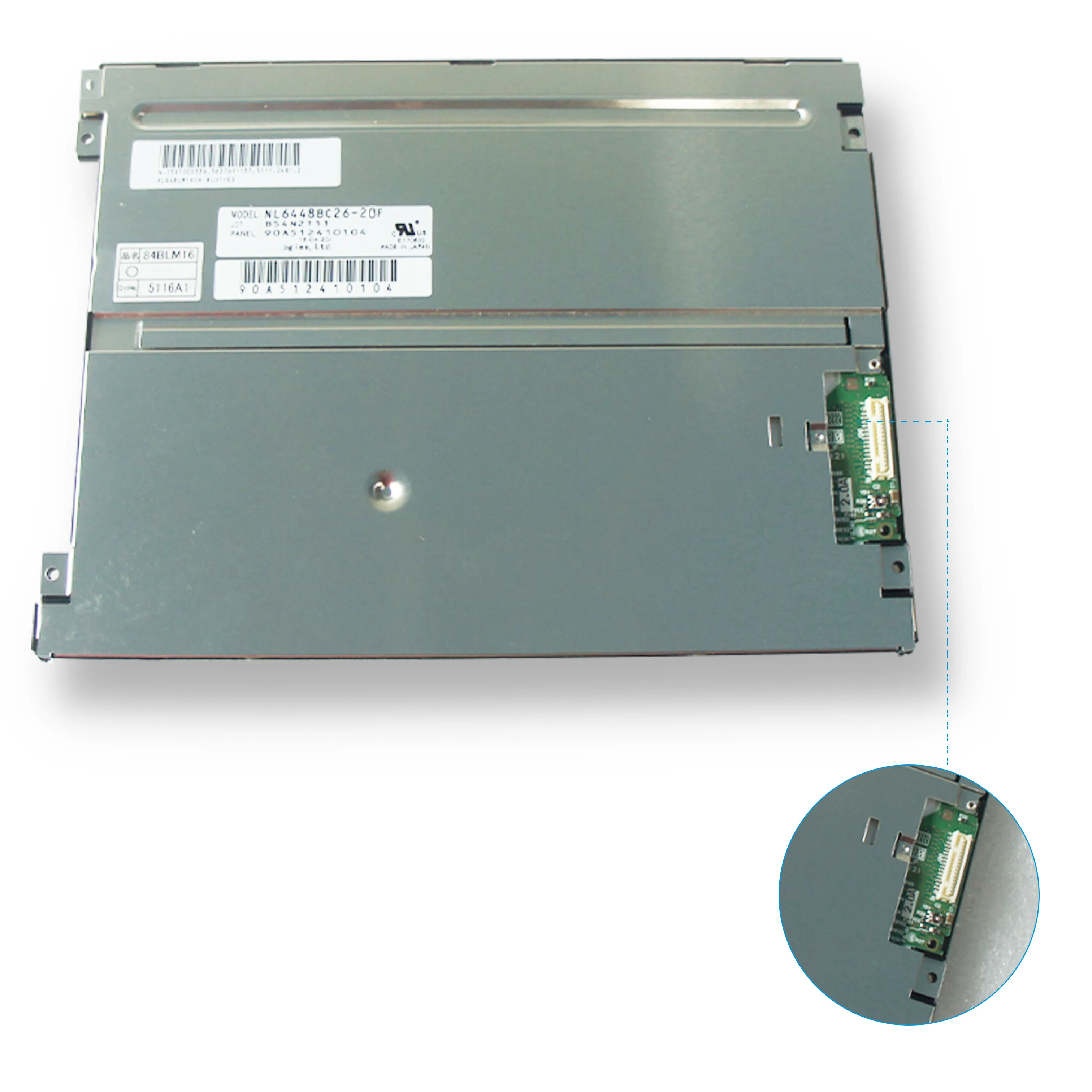

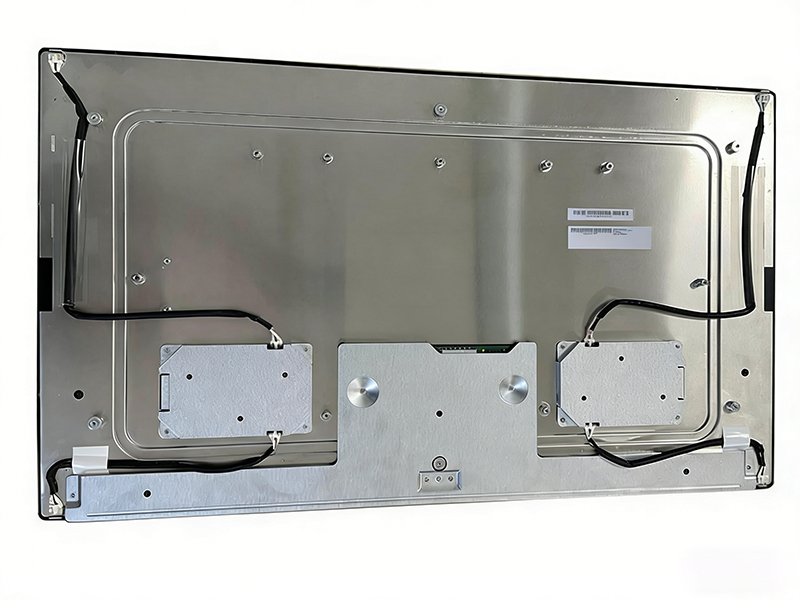
G320ZAN02.0 AUO 32.0" 3840*2160 LCD panel Quality service
The modern digital landscape demands displays that are not only visually stunning but also relentlessly reliable. At the intersection of ultra-high definition and industrial-grade durability sits the G320ZAN02.0, a 32.0-inch LCD panel manufactured by AU Optronics (AUO). With a native resolution of 3840 x 2160 (4K UHD), this panel is engineered for applications where image fidelity and operational longevity are non-negotiable. This article provides a deep, technical exploration of the G320ZAN02.0, moving beyond basic specifications to examine its core architecture, professional applications, and the critical role of quality service in maximizing its lifecycle. We will dissect why this specific model has become a benchmark for medical imaging, high-end gaming, and industrial control rooms, and how the quality of service surrounding such a component is as vital as the hardware itself. For procurement professionals, system integrators, and end-users, understanding the nuances of this panel is key to making an informed, high-value investment.
The G320ZAN02.0 is more than a standard 4K screen; it is a feat of optical engineering designed to meet stringent professional standards. While the 3840x2160 resolution provides a pixel density of approximately 140 PPI (pixels per inch)—ensuring razor-sharp text and detailed imagery—the panel's true value lies in its underlying technology. It utilizes an IPS (In-Plane Switching) technology, which is critical for consistent color reproduction and wide viewing angles. This ensures that off-axis viewing, common in multi-monitor setups or collaborative environments, does not result in color shift or contrast degradation.
Furthermore, the panel typically supports an 8-bit + Hi-FRC (Frame Rate Control) color depth, allowing it to emulate a 10-bit gamut for smooth color transitions. This is essential to prevent banding in gradients, which is a common flaw in lower-grade displays. Its typical brightness rating of 350 cd/m² or higher, combined with a high contrast ratio, makes it suitable for environments with controlled ambient light. The inclusion of an Anti-Glare (AG) coating is a deliberate design choice, minimizing reflections from overhead lighting in control rooms or medical facilities. This combination of IPS stability, color depth, and surface treatment places the G320ZAN02.0 in a distinct category from consumer-grade televisions or monitors.
In industrial and professional applications, a panel's mechanical resilience often dictates its suitability. The G320ZAN02.0 is designed with a robust mechanical structure that allows for a 24/7 continuous operation duty cycle. This is not a feature found in standard consumer displays, which often rely on pixel shifting or sleep modes to prevent burnout. The panel incorporates a specialized metal bezel and backlight chassis that aids in heat dissipation. Effective thermal management is critical for an LCD panel of this size and brightness; excessive heat can lead to image retention, backlight degradation, and premature failure.
The panel's power consumption is carefully balanced to keep operating temperatures within a safe range without sacrificing brightness. Furthermore, the LVDS (Low-Voltage Differential Signaling) interface connector is mechanically sturdy, designed to withstand the physical stresses of installation and cable management in embedded systems. The mounting hole pattern complies with VESA standards, ensuring compatibility with a wide range of industrial arms and enclosures. This focus on physical reliability—from thermal dissipation to connector durability—means the G320ZAN02.0 can be integrated into kiosks, medical carts, or server racks without concern for mechanical failure under constant use.
For professionals in medical imaging and graphic design, color accuracy is paramount. The G320ZAN02.0 is engineered to maintain a stable gamma curve and consistent CIE (International Commission on Illumination) color space coverage. Unlike consumer panels that might prioritize eye-catching, over-saturated colors, this AUO panel targets a more neutral and accurate white point, often calibrated to a 6500K standard. This neutrality is vital for diagnostic imaging, where a subtle shift in color could lead to misinterpretation of a medical scan.
The panel's performance in the sRGB and DCI-P3 color spaces is a key differentiator. While it may not cover the full Adobe RGB spectrum, its high coverage of the sRGB standard ensures that web content, office documents, and medical PACS images appear as intended. The backlight's spectral distribution is also optimized to work with calibration tools, allowing technicians to fine-tune the panel to specific luminance and chromaticity coordinates. This ability to maintain color stability across different brightness levels and over the panel's lifespan is a hallmark of a quality engineering component, making it a trusted tool rather than a simple output device.
Procuring a G320ZAN02.0 panel is not a simple retail transaction; it is a logistics and quality assurance operation. Given that this panel is often used in mission-critical applications, the service provided by the supplier is a direct multiplier of the value of the hardware. A quality service provider does not just ship a box; they offer pre-sale engineering support to confirm compatibility with the driver board or controller. They provide batch-matched panels for multi-screen video walls, ensuring uniform brightness and color across all units.
The most critical aspect of service is the warranty and RMA (Return Material Authorization) process. A high-quality supplier offers a minimum 12 to 24-month warranty with a clear, fast-track replacement policy for Dead-On-Arrival (DOA) units. They also perform rigorous incoming quality control (IQC), testing for dead pixels, backlight uniformity, and power draw. These service layers—engineering consultation, batch matching, and expedient support—transform a standard LCD component into a reliable solution. Without this service backbone, the risk of project delays, color mismatch, or operational downtime increases significantly, negating the technical benefits of the panel itself.
The unique blend of 4K resolution, IPS stability, and industrial-grade reliability makes the G320ZAN02.0 the preferred choice for several high-stakes domains. In medical imaging, it is used for PACS (Picture Archiving and Communication System) viewers and surgical displays where high contrast and accurate grayscale reproduction are mandatory for diagnosis. In the gaming and entertainment sector, its 16:9 aspect ratio and 4K clarity make it suitable for premium slot machines and digital signage in casinos where image quality directly impacts user engagement.
Another burgeoning application is in industrial control rooms (e.g., security, traffic monitoring, and energy grids). Here, the panel's ability to display multiple high-resolution camera feeds simultaneously without scaling artifacts is invaluable. The anti-glare coating is particularly beneficial in these brightly lit environments. For system integrators, the panel's standard electrical interface and mechanical dimensions simplify the design process, allowing for faster time-to-market. Whether used as a single diagnostic monitor or as part of a 2x2 video wall, the G320ZAN02.0 delivers a consistent, reliable visual experience that forms the backbone of professional human-machine interfaces.

Investing in the G320ZAN02.0 requires a forward-looking perspective on lifecycle management. AUO is known for supporting professional panels with longer product lifecycles compared to consumer electronics. However, the end-user must plan for backlight degradation. Typically, the LED backlight is rated for 30,000 to 50,000 hours to half-brightness. To maximize this lifespan, the panel should be operated at a brightness level slightly below maximum and in an environment with good airflow.
Future-proofing also involves selecting the correct driver board or controller. As video interfaces evolve (e.g., HDMI 2.1 or DisplayPort 1.4), the panel itself remains a constant, but the controller should support the required bandwidth for 4K @ 60Hz or higher. A quality service partner can advise on current and future control solutions. Finally, maintaining a spare unit is a wise strategy for mission-critical applications. Given the specialized nature of the G320ZAN02.0, a spare panel eliminates the risk of extended downtime should the primary unit need servicing. This proactive management strategy ensures that the initial investment pays dividends over several years of reliable service.
What is the exact resolution of the G320ZAN02.0?
It is a true 4K UHD panel with a resolution of 3840 x 2160 pixels (16:9 aspect ratio).
Is this panel suitable for medical diagnostic purposes?
Yes, it is widely used in medical imaging due to its high resolution, IPS color stability, and grayscale accuracy, but it should be verified for specific DICOM compliance.
What is the typical brightness level?
The standard brightness is typically around 350 cd/m², though variations exist depending on the specific backlight driver used.
Does this panel support 10-bit color?
It uses an 8-bit panel with Hi-FRC (Frame Rate Control) to emulate a 10-bit visual experience, reducing color banding.
Can I use this panel for a video wall?
Yes, its slim bezels and uniform performance make it excellent for video walls, especially when batch-matched by a supplier.
What is the interface connector type?
The panel typically utilizes an LVDS (Low-Voltage Differential Signaling) interface, requiring a specific controller board for HDMI or DP input.
How long is the backlight lifespan?
The LED backlight is generally rated for 30,000 to 50,000 hours, depending on operating temperature and brightness settings.
Is a warranty standard for this panel?
Yes, quality suppliers typically offer a 12 to 24-month warranty covering manufacturing defects and DOA units.
What are the typical operating temperatures?
Industrial panels like this operate between 0°C and 50°C, with storage temperatures ranging from -20°C to 60°C.
Does it require a special driver board?
Yes. Because it is a raw LCD panel, a separate driver or controller board is required to convert standard video signals (HDMI, DP) to LVDS.
Conclusion: Engineering Trust Through Precision and Service
The AUO G320ZAN02.0 is far more than a collection of specifications; it is a testament to the value of dedicated industrial engineering. Its combination of 4K resolution, IPS color consistency, and a robust mechanical design makes it a cornerstone for applications where failure is not an option—from life-saving medical diagnostics to high-stakes security monitoring. However, the true asset is not just the glass itself, but the ecosystem of quality service that surrounds it. A reliable supply chain, technical integration support, and a responsive warranty transform this technical component into a long-term operational asset. For any professional or organization seeking to build a system that demands visual excellence and unwavering reliability, the G320ZAN02.0, supported by a competent service partner, represents a benchmark investment. It is a clear example of how precision manufacturing, when combined with thoughtful lifecycle management, delivers lasting value in a rapidly evolving digital world.