- Industrial LCD display
-
Industrial Products
- DC Servo Drive
- AC Servo Drive
- other
- Heidelberg
- FANUC
- IFM
- Meter
- CCD
- Membrane Keypad
- Film
- YOKOGAWA Module
- Card
- ABB
- MITSUBISHI
- FANUC
- KEYENCE
- BECKHOFF
- Honeywell
- HOLLYSYS
- FUJI servo drives
- HP
- solenoid valve
- thermostat
- Siemens adapter
- color oscilloscope
- Fujitsu connector
- CHELIC
- SMC
- CISCO Module
- INTEL
- Key board
- FAIRCHILD
- Motherboard
- Board
- Bearing
- other
- Control Panel
- Contactor
- Circuit
- OMRON
- Relay
- Controller
- Photoelectric Switch
- Photoelectric Sensor
- Original
- Fan
- Motor Driver
- Limit Switch
- Amplifier
- power supply
- LENZE
- Cable
- Encoder
- Sensor
- Transformer
- Fiber Optic Sensor
- Protection Relay
- Temperature Controller
- Proximity Switch
- Switch Sensor
- Siemens
- Industrial board
- HMI Touch Glass
-
HMI Full Machine Whole unit
- OMRON HMI Touch Panel
- Siemens HMI Touch Panel
- Mitsubishi HMI Touch Panel
- Allen-Bradley automation HMI Touch Panel
- DELTA HMI Touch Panel
- EVIEW DELTA HMI Touch Panel
- KINCO DELTA HMI Touch Panel
- HITECH HMI Touch Panel
- WEINTECK HMI Touch Panel
- TECVIEW HMI Touch Panel
- WEINVIEW HMI Touch Panel
- PRO-FACE HMI Touch Panel
- SIMATIC HMI Touch Panel
- AMPIRE HMI Touch Panel
- HEIDELBERG HMI Touch Panel
- PANASONIC HMI Touch Panel
- PATLITE HMI Touch Panel
- KYOCERA HMI Touch Panel
- KEYENCE HMI Touch Panel
- WEINVIEW HMI Touch Panel
- HITECH HMI Touch Panel
- FUJI HMI Touch Panel
- HAKKO HMI Touch Panel
- SCHNEIDER HMI Touch Panel
- SAMKOON touch panel
- other
- Module
- lcd inverter
- Membrane Keypad Switch
- Winni Touch Screens
- Frequency Inverter
- Servo Motor
- PLC


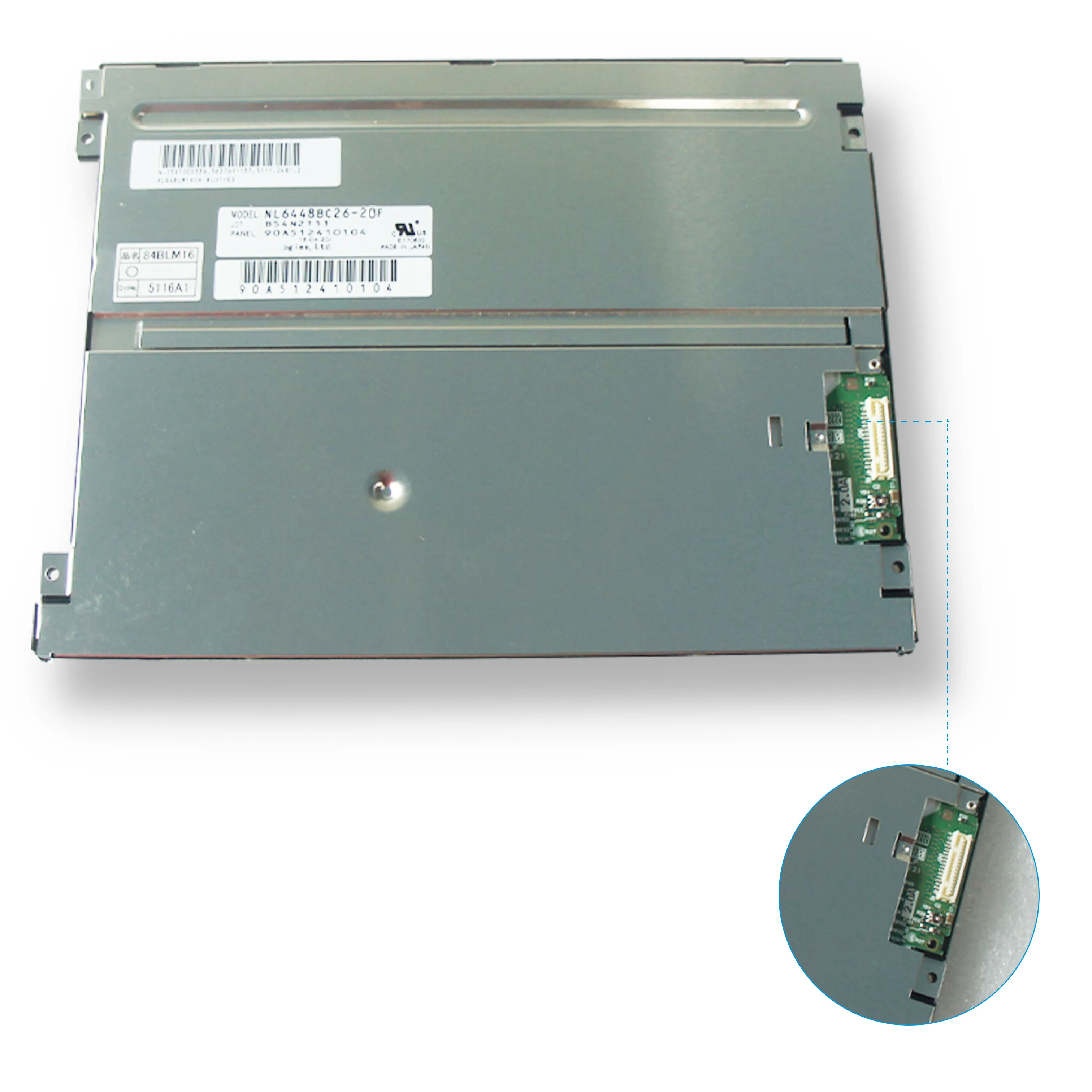

KCG057QV1DB-G760 5.7 inch 320*240 FTF LCD PANEL NEW Original
In the demanding landscape of industrial automation and embedded systems, the choice of display technology is never an afterthought; it is a critical determinant of system usability, reliability, and longevity. Among the myriad of components that keep the manufacturing world in motion, the KCG057QV1DB-G760 stands as a distinct and specialized piece of hardware. This 5.7-inch LCD panel, with its standard 320x240 QVGA resolution and FTF (Fluorescent Tube Film) backlighting, represents a specific era of proven reliability in a market increasingly dominated by edge-lit LEDs.
This article provides a deep, technical analysis of the KCG057QV1DB-G760, moving beyond mere specifications to explore its architecture, operational nuances, and lasting relevance in modern industrial ecosystems. We will dissect its optical characteristics, interface requirements, and the crucial role it plays in applications where stability and optimal viewing angles under fluorescent light are paramount. Whether you are a procurement specialist verifying a component or an engineer integrating a replacement screen, this guide serves as a comprehensive reference for this unique "New Original" panel.
At the heart of the KCG057QV1DB-G760’s distinct character is its backlight system. The "FTF" designation refers to a cold cathode fluorescent tube (CCFL) film technology, a predecessor to the modern LED backlight. While LED backlights offer superior energy efficiency and a slimmer profile, the FTF panel holds a critical advantage in specific legacy systems: spectral consistency. The CCFL tube in this panel produces a broad, stable spectrum of white light that is often better matched to older optical sensors and color filters used in medical or analytical equipment.
This panel operates with a single CCFL lamp, requiring an external inverter to drive the high voltage necessary for ignition and stable operation. For engineers integrating this as a replacement or new build, understanding the inverter’s output frequency and current limitations is crucial. A mismatch can lead to flickering or premature lamp wear. The "NEW Original" status of this product implies that it is not pulled from existing hardware but is factory-origin stock. This guarantees that the phosphor coating on the CCFL tube has not degraded from prior use, ensuring full initial brightness of approximately 350 cd/m² and a uniform light distribution across the 320x240 active area.
The KCG057QV1DB-G760 utilizes a standard Twisted Nematic (TN) TFT technology, which is the workhorse of industrial displays for good reason. The panel achieves a standard contrast ratio of around 350:1, which, while modest by modern smartphone standards, is perfectly adequate for controlled indoor environments like factory floors, test benches, or medical carts. The 6 o'clock viewing direction (often referred to as 6:00) indicates that the optimal viewing angle is when looking from below the normal line of the screen—a design choice for devices where the user views the display from a slightly lower angle.
A key optical characteristic to consider is the surface finish. While not explicitly "anti-glare" in the most aggressive sense, the standard polarizer treatment on this panel is designed for readability in ambient indoor lighting. When integrating this panel, it is vital to note that the TN mode suffers from gray-scale inversion at extreme vertical angles. However, for the intended application (a standard 4:3 aspect ratio display), this is rarely a problem. The response time, typically around 20-30ms, is more than sufficient for static data visualization, process control menus, and status indicators, but it is not intended for video playback.
Connecting the KCG057QV1DB-G760 to a microcontroller or a video processor requires a precise understanding of its parallel interface. This panel utilizes a typical 18-bit RGB (6 bits per color) parallel interface, often referred to as "TFT RGB" or "MCU 16bpp/18bpp". Unlike modern serial SPI or LVDS interfaces, this parallel bus demands a significant number of GPIO pins (typically 18 for data, plus HSync, VSync, DE, and Pixel Clock). This interface is "direct drive", meaning the timing controller is embedded within the panel, but the host system must generate the correct timing signals for a QVGA (240x320 *but note the orientation:* 320 columns x 240 rows) resolution.
The standard timing requires a pixel clock in the range of 6-10 MHz. Incorrect horizontal or vertical blanking intervals will result in screen tearing or a completely blank display. For engineers, this means a standard FPGA or a powerful ARM MCU with a parallel LCD controller is required. The interface connector, typically a 50-pin or 40-pin FPC (Flexible Printed Circuit) with a 0.5mm pitch, demands careful PCB layout to avoid signal noise which could manifest as "snow" or vertical lines on the screen. The new original guarantee ensures the FPC is crisp and has not suffered from corrosion or micro-fractures common in used stock.
The durability of the KCG057QV1DB-G760 is one of its strongest selling points. Designed for industrial environments, this panel is specified for an operating temperature range typically spanning from -20°C to +70°C, with a storage range reaching up to +80°C. These parameters allow for deployment in environments ranging from unheated warehouses to mildly heated production lines. More importantly, the absence of an edge-lit LED array means there is no risk of localized "hot spots" or "yellowing" that can occur on poorly designed LED panels over time.
A significant reliability distinction is the **PWM dimming control**. The CCFL lamp is dimmed by modulating the high-voltage inverter's frequency, not by chopping the voltage. This results in a flicker-free dimming curve down to about 10% brightness, which is crucial for night-time operations in control rooms. The glass itself is standard 1.1mm thick, featuring a robust polarizer that is resistant to scratches and minor chemical splashes common in industrial cleaning. When sourced as a genuine "NEW Original" part, the user gets the benefit of full shelf-life reliability, as the seal gaskets and internal liquid crystal material have not been stressed by long-term powered operation or temperature cycling.
While many might consider a 320x240 resolution obsolete, the KCG057QV1DB-G760 enjoys a robust second life in specific niches. Its primary domain is in **legacy system maintenance**. There is a vast installed base of CNC machines, oscilloscopes, and medical infusion pumps that were designed around this exact mechanical footprint (defined by the mounting brackets and screw holes, typically 144.0 x 104.6 mm with specific cutouts) and interface. For these systems, there is no "drop-in" LED replacement without redesigning the bezel and backlight inverter circuitry. The "NEW Original" availability saves thousands of dollars in system redesign costs.
Furthermore, this panel is excellent for **high-reliability monitoring stations**. In a power plant or a chemical processing facility, the ability to view a screen from a specific angle (6 o'clock) with consistent brightness and no PWM flicker at low brightness is non-negotiable. The FTF backlight also emits less EMI noise compared to noisy PWM-boosted LED drivers, making it suitable for sensitive audio or measurement equipment. For embedded hobbyists or vintage computing enthusiasts, this panel offers an authentic period-correct display for restoring classic industrial terminals, provided they can source the appropriate CCFL inverter.
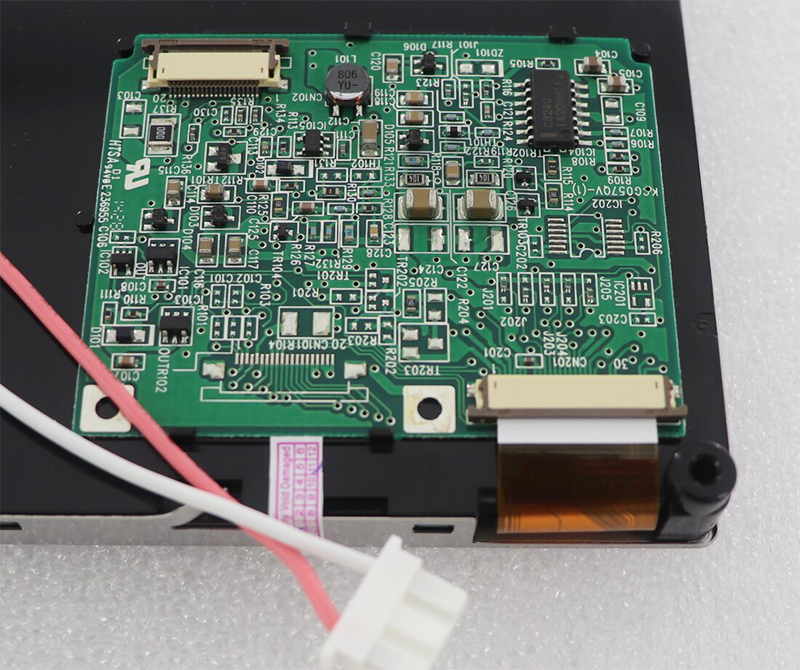
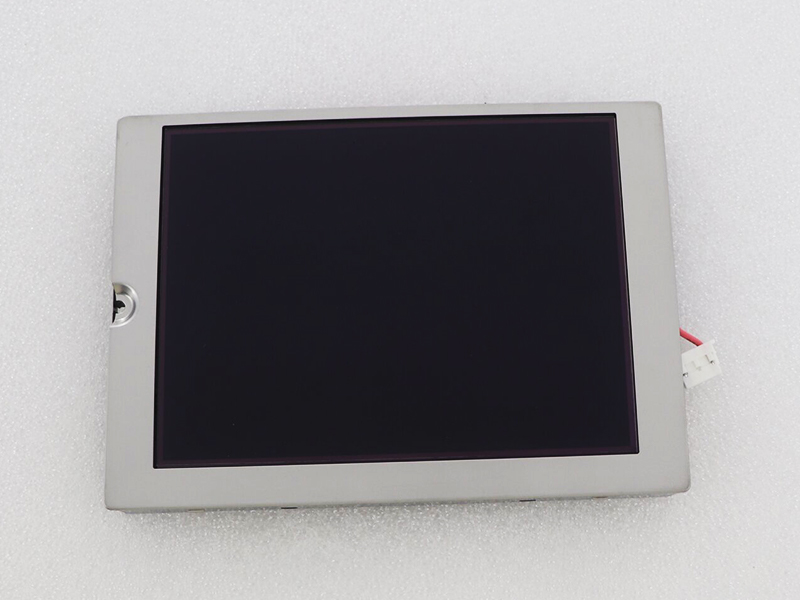
The term "NEW Original" is not just marketing jargon; it is a technical guarantee of performance. A used or "pull" KCG057QV1DB-G760 may have a CCFL lamp that has spent 50,000 hours dimming, resulting in a significantly reduced brightness and a potential pinkish hue shift. By specifying NEW Original, the buyer ensures that the lamp is at full lumen output and the liquid crystal material has not suffered from electrolytic degradation due to long-term power application.
When sourcing this panel, validation is key. A genuine new original piece will have intact factory tape on the touch screen connector (if applicable) and a pristine, dust-free inner surface. It should be packaged in an anti-static bag with silica gel. Due to the high cost of legacy manufacturing runs, counterfeit or "re-celled" panels (where a new polarizer is applied over a worn cell) are becoming more common. A reliable supplier will provide date codes and clear photographs of the original manufacturer’s label. Integrating a true NEW Original panel means the LCD cavity is free of the outgassing that plagues older units, ensuring years of reliable operation in critical industrial tasks.
What does "FTF" stand for in KCG057QV1DB-G760?
FTF stands for Fluorescent Tube Film, referring to the white cold cathode fluorescent lamp (CCFL) backlight technology used in this panel.
What is the exact resolution and aspect ratio?
The resolution is 320 x 240 pixels (QVGA) with a standard 4:3 aspect ratio.
Can I use this panel with a Raspberry Pi?
Yes, but it requires a specialized adapter board that generates parallel RGB timing signals and provides a separate CCFL inverter. Direct connection is not possible.
Is the touch screen included with this panel?
No, the KCG057QV1DB-G760 is typically a raw LCD panel. A 5.7" resistive touch screen must be purchased separately and bonded by the user.
What voltage does the backlight require?
The backlight is a CCFL tube requiring a high-voltage AC input (typically 600-800V RMS at a specific frequency, provided by an external inverter module).
How long does a new original CCFL backlight last?
Typically 30,000 to 50,000 hours to half brightness, depending on the inverter drive current and ambient temperature.
Is the viewing angle the same as a modern smartphone?
No. This is a TN panel with a 6 o'clock viewing direction, optimized for a specific angle. It cannot compete with the wide viewing angles of IPS or VA technology.
Can I replace a dying LCD module in my CNC machine with this?
Yes, if the original part number is KCG057QV1DB-G760 or a mechanically compatible variant. Check the mechanical drawing for screw hole alignment.
What does "NEW Original" protect me from?
It protects you from brightness degradation, color shift (pink or yellow tint), polarizer burnout, and internal contamination that occurs in used or "re-celled" stock.
Is the interface LVDS or parallel?
It is a parallel RGB interface (18-bit) with HSync, VSync, and DE signals, not LVDS (Low-Voltage Differential Signaling).
Conclusion: A Testament to Sustained Engineering Excellence