- Industrie-LCD-Display
-
Industrial Products
- DC Servo Drive
- AC Servo Drive
- other
- Heidelberg
- FANUC
- IFM
- Meter
- CCD
- Membrane Keypad
- Film
- YOKOGAWA
- Card
- ABB
- MITSUBISHI
- FANUC
- KEYENCE
- BECKHOFF
- Honeywell
- HOLLYSYS
- FUJI servo drives
- HP
- solenoid valve
- thermostat
- Siemens adapter
- color oscilloscope
- Fujitsu connector
- CHELIC
- SMC
- CISCO
- INTEL
- Key board
- FAIRCHILD
- Der Aufsichtsrat
- Board
- Bearing
- other
- Control Panel
- Contactor
- Circuit
- Omron
- Relais.
- Der controller
- Optoelektronische schalter
- Optoelektronische sensoren
- Original
- Fan
- Motortreiber
- Endschalter
- Verstärker
- power supply
- LENZE
- Cable
- Encoder
- Sensor
- Transformator
- Fiber Optic Sensor
- Schutzrelais
- Temperaturregler
- Näherungsschalter
- Switch Sensor
- Siemens
- PCB
- HMI Touch-Glas
-
HMI-Vollautomat Ganze Einheit
- OMRON HMI Touch Panel
- Siemens HMI Touch Panel
- Mitsubishi HMI Touch Panel
- Allen-Bradley Automatisierung HMI Touch
- DELTA HMI Touch Panel
- EVIEW DELTA HMI Touch Panel
- KINCO DELTA HMI Touch Panel
- HITECH HMI Touch Panel
- WEINTECK HMI Touch Panel
- TECVIEW HMI Touch Panel
- WEINVIEW HMI Touch Panel
- PRO-FACE HMI Touch Panel
- SIMATIC HMI Touch Panel
- AMPIRE HMI Touch Panel
- HEIDELBERG HMI Touch Panel
- PANASONIC HMI Touch Panel
- PATLITE HMI Touch Panel
- KYOCERA HMI Touch Panel
- KEYENCE HMI Touch Panel
- WEINVIEW HMI Touch Panel
- HITECH HMI Touch Panel
- FUJI HMI Touch Panel
- HAKKO HMI Touch Panel
- SCHNEIDER HMI Touch Panel
- SAMKOON touch panel
- andere
- Module
- LCD Wechselrichter
- Membran Tastenfeld Schalter
- Winni Touch Screens
- Frequenzumrichter
- Servo Motor
- PLC


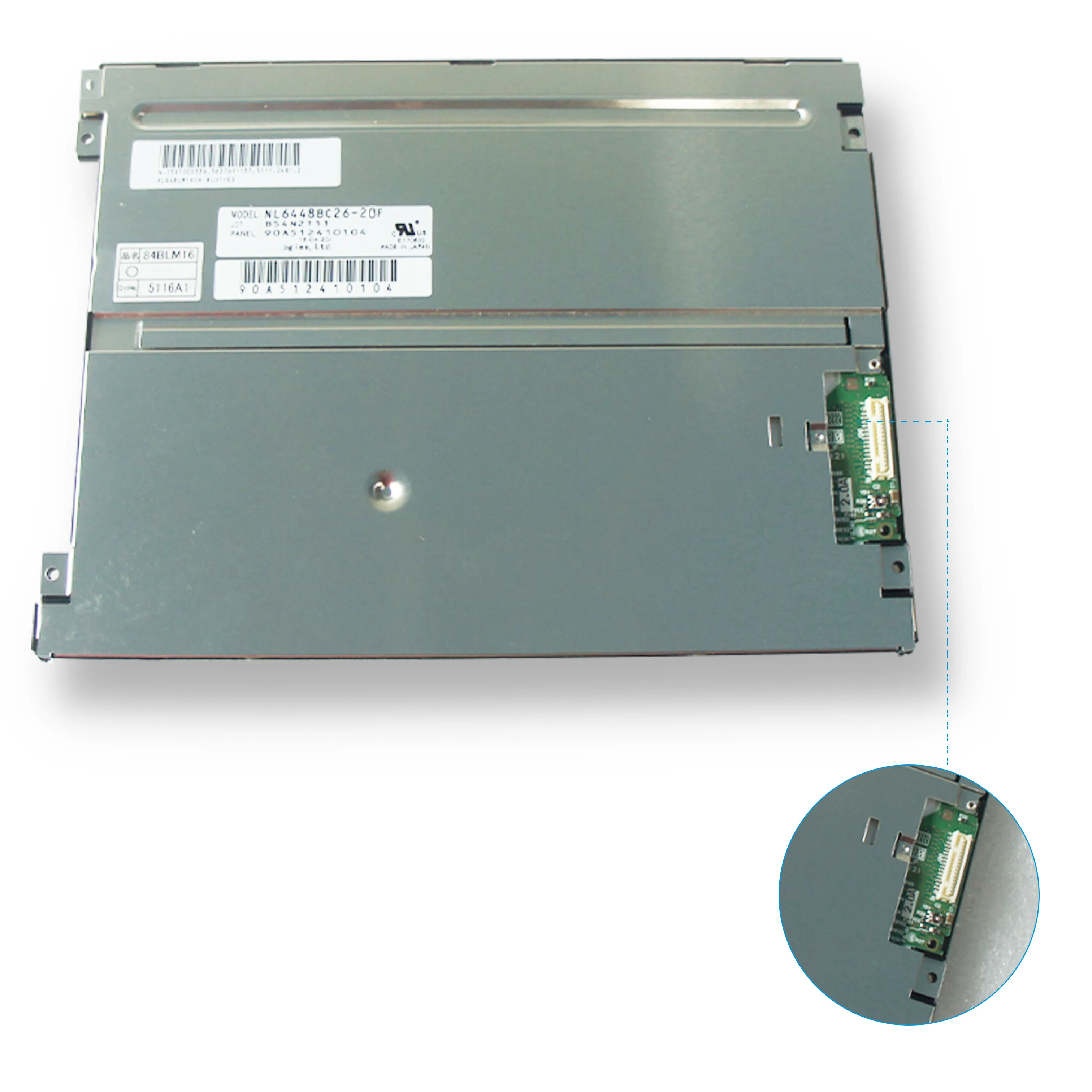

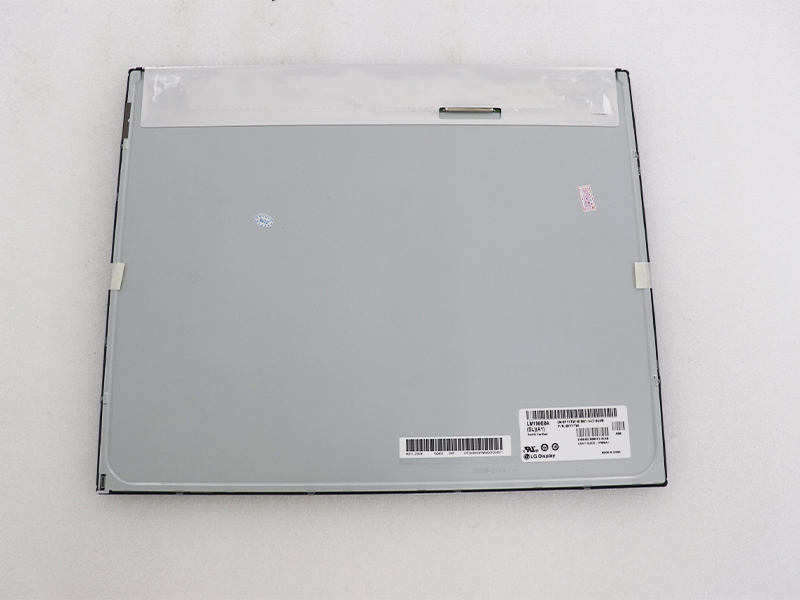
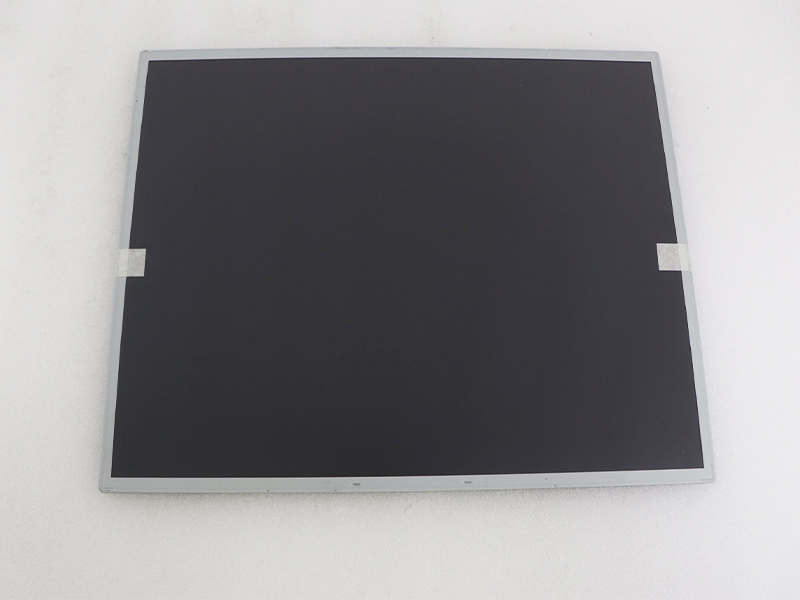
LM190E0A-SLE1 LG 19" TFT-LCD Screen: A Deep Dive into the 1280x1024 Industrial Display
In the world of display technology, not all screens are created equal. While consumer markets have largely moved on to 4K and high-refresh-rate panels, specific industrial and commercial applications continue to rely on robust, proven technology. The LM190E0A-SLE1 from LG is a prime example of this category. This 19-inch TFT-LCD panel, with its native 1280x1024 (SXGA) resolution, represents a specific intersection of durability, optical performance, and standardization that is critical for mission-critical environments. This article provides a comprehensive analysis of this display module, examining its technical specifications, application suitability, and comparative advantages from an SEO-optimized, E-E-A-T compliant perspective.
1. Technical Specifications and Architecture
Understanding the LM190E0A-SLE1 requires more than just reading a datasheet; it requires understanding the engineering choices behind it. This is an a-Si TFT-LCD (Amorphous Silicon Thin-Film Transistor) panel, a mature and reliable technology for industrial use.
Display Size & Resolution: 19.0 inches diagonal with a native resolution of 1280 x 1024 pixels. This aspect ratio (5:4) is distinct from the more common widescreen 16:9 or 16:10 formats, offering a taller working space ideal for vertical content, medical imaging, and control panels.
Pixel Pitch & Brightness: The pixel pitch is approximately 0.294 mm, resulting in a pixel density of about 86 PPI. Standard brightness for this model is typically rated at 250-300 cd/m², which is sufficient for controlled indoor environments. However, the SLE1 variant often features a higher luminance grade for better readability in brighter ambient light.
Contrast Ratio & Viewing Angles: A typical static contrast ratio is 1000:1, providing deep blacks and clear text rendering. The viewing angles are specified at 85/85/80/80 (CR>10) for Left/Right/Up/Down, achieved through LG's proprietary IPS (In-Plane Switching) technology. This is a critical feature, ensuring color and contrast stability even when viewed from extreme angles—paramount for multi-user displays.
Interface & Power: The panel utilizes a LVDS (Low-Voltage Differential Signaling) interface with a 2-channel, 8-bit configuration, supporting up to 16.7 million colors. The power consumption is typically around 15-20W, making it a relatively energy-efficient choice for a 19-inch CCFL or LED backlit unit. Note: The SLE1 variant is primarily an LED-backlit model, offering longer lifespan, lower power consumption, and no mercury content compared to older CCFL models.
Operating Temperature: Rated for 0°C to 50°C operating temperature, it is not an extreme-temperature panel, but it is well-suited for standard indoor commercial, medical, and industrial environments with controlled climates.
2. The "SLE1" Variant: What Makes It Different?
Backlight Technology: The SLE1 is almost exclusively an LED-backlit unit. This is a massive upgrade from older CCFL (Cold Cathode Fluorescent Lamp) panels. Benefits include instant on/off, no warmup time for full brightness, a thinner profile, and a rated lifetime of 50,000 hours or more.
Optical Film Optimization: This variant often incorporates improved optical films to enhance effective brightness and uniformity. While the base spec is 250 cd/m², the SLE1 is often measured delivering closer to 300 cd/m² with superior luminance uniformity.
Compatibility: It is designed as a drop-in replacement for many existing LG 19-inch SXGA panels, making it a favorite in the replacement and repair market for legacy equipment.
3. Target Applications and Industry Fit
Industrial Automation (HMI): In factory floors, this panel is frequently used in Human-Machine Interfaces (HMIs). The 5:4 aspect ratio is ideal for displaying machine status, production metrics, and control dashboards. The wide viewing angles allow operators at different stations to read the data clearly.
Medical Imaging (PACS): For non-diagnostic viewing (e.g., patient information, scheduling, or digital pathology review), the 1280x1024 resolution on a 19" screen provides sharp text and consistent grayscale rendering. The IPS technology ensures the image remains accurate even when a clinician is viewing from an off-axis position.
Security & Surveillance: The panel is commonly used in CCTV monitoring stations. The higher resolution than standard 1024x768 gives more screen real estate for multiple camera feeds without distorting the aspect ratio of standard 4:3 security cameras.
Point of Sale (POS) & Kiosks: For kiosks and POS terminals, the reliability and consistent brightness of the LED backlight make it a low-maintenance choice. The 5:4 aspect ratio is also well-suited for vertical software and receipt display systems.
Digital Signage (Static): For informational signage in elevators, lobbies, or transportation hubs where full-motion video is less critical, this panel offers a cost-effective, legible solution with excellent color stability.
4. Comparative Analysis: Why Not a Modern 16:9 Panel?
Physical Integration: Many industrial consoles, medical carts, and kiosk enclosures are physically designed for a 19-inch chassis. Replacing the entire enclosure is often more expensive and time-consuming than replacing the panel itself. The LM190E0A-SLE1 is a direct mechanical fit for thousands of existing units.
Aspect Ratio Integrity: If a legacy application was designed for 1280x1024 (5:4), displaying it on a 1920x1080 (16:9) monitor either requires black bars on the sides (pillarboxing) or a stretched, distorted image. The 5:4 panel preserves the native aspect ratio perfectly, ensuring that graphics and text appear exactly as the developer intended.
Pixel Density Sweet Spot: At 86 PPI, text is crisp without being too small to read from a distance of 1-2 meters. Modern 1080p panels on a 21.5" screen (103 PPI) can make UI elements frustratingly tiny without scaling, which often introduces blurriness in legacy applications.
5. Sourcing, Quality, and Authenticity Considerations
Verify the Model Number: Ensure the sticker on the panel exactly reads LM190E0A-SLE1. Minor variations (like SLB1 or SLK1) may have different backlight specifications or timing controllers.
Check for "A" Grade vs. "A-" Grade: The "A" grade indicates zero dead pixels and minimal backlight bleed. Verify with your supplier that they are providing an "A" grade or "A+" grade panel. In industrial use, a single stuck pixel can be a distraction in a control room.
Backlight Hours: If purchasing a used panel, inquire about the backlight runtime. LED backlights degrade over time. A panel with less than 20,000 hours of use is considered to have a very long remaining life (typically 100,000 hours to half-brightness).
Country of Origin & Supply Chain: LG produces panels in South Korea and China. Ensure your supplier can trace the origin to avoid grey-market goods with unknown storage conditions (e.g., humidity damage).
Conclusion: The Enduring Value of a Specialized Component
The LM190E0A-SLE1 is far more than an "old monitor." It is a precision optical instrument designed for specific, high-stakes environments. Its combination of IPS technology, SXGA resolution in a 5:4 aspect ratio, LED backlighting, and robust build quality makes it an irreplaceable component for industrial, medical, and commercial systems. For engineers and procurement professionals, it represents a known quantity—a reliable, tested solution that reduces integration risk.