- Industrial LCD display
-
Industrial Products
- DC Servo Drive
- AC Servo Drive
- other
- Heidelberg
- FANUC
- IFM
- Meter
- CCD
- Membrane Keypad
- Film
- YOKOGAWA Module
- Card
- ABB
- MITSUBISHI
- FANUC
- KEYENCE
- BECKHOFF
- Honeywell
- HOLLYSYS
- FUJI servo drives
- HP
- solenoid valve
- thermostat
- Siemens adapter
- color oscilloscope
- Fujitsu connector
- CHELIC
- SMC
- CISCO Module
- INTEL
- Key board
- FAIRCHILD
- Motherboard
- Board
- Bearing
- other
- Control Panel
- Contactor
- Circuit
- OMRON
- Relay
- Controller
- Photoelectric Switch
- Photoelectric Sensor
- Original
- Fan
- Motor Driver
- Limit Switch
- Amplifier
- power supply
- LENZE
- Cable
- Encoder
- Sensor
- Transformer
- Fiber Optic Sensor
- Protection Relay
- Temperature Controller
- Proximity Switch
- Switch Sensor
- Siemens
- Industrial board
- HMI Touch Glass
-
HMI Full Machine Whole unit
- OMRON HMI Touch Panel
- Siemens HMI Touch Panel
- Mitsubishi HMI Touch Panel
- Allen-Bradley automation HMI Touch Panel
- DELTA HMI Touch Panel
- EVIEW DELTA HMI Touch Panel
- KINCO DELTA HMI Touch Panel
- HITECH HMI Touch Panel
- WEINTECK HMI Touch Panel
- TECVIEW HMI Touch Panel
- WEINVIEW HMI Touch Panel
- PRO-FACE HMI Touch Panel
- SIMATIC HMI Touch Panel
- AMPIRE HMI Touch Panel
- HEIDELBERG HMI Touch Panel
- PANASONIC HMI Touch Panel
- PATLITE HMI Touch Panel
- KYOCERA HMI Touch Panel
- KEYENCE HMI Touch Panel
- WEINVIEW HMI Touch Panel
- HITECH HMI Touch Panel
- FUJI HMI Touch Panel
- HAKKO HMI Touch Panel
- SCHNEIDER HMI Touch Panel
- SAMKOON touch panel
- other
- Module
- lcd inverter
- Membrane Keypad Switch
- Winni Touch Screens
- Frequency Inverter
- Servo Motor
- PLC



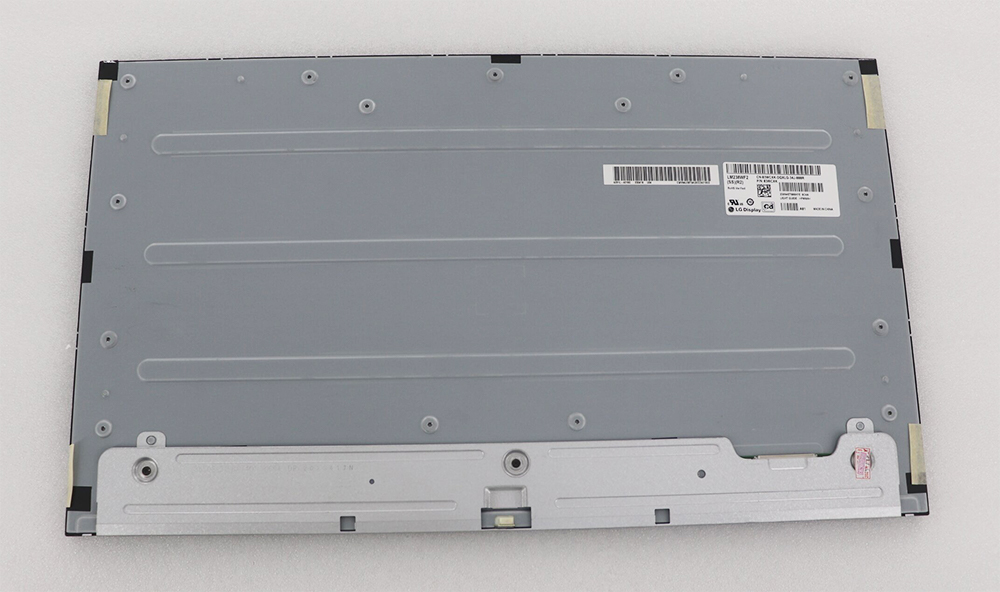
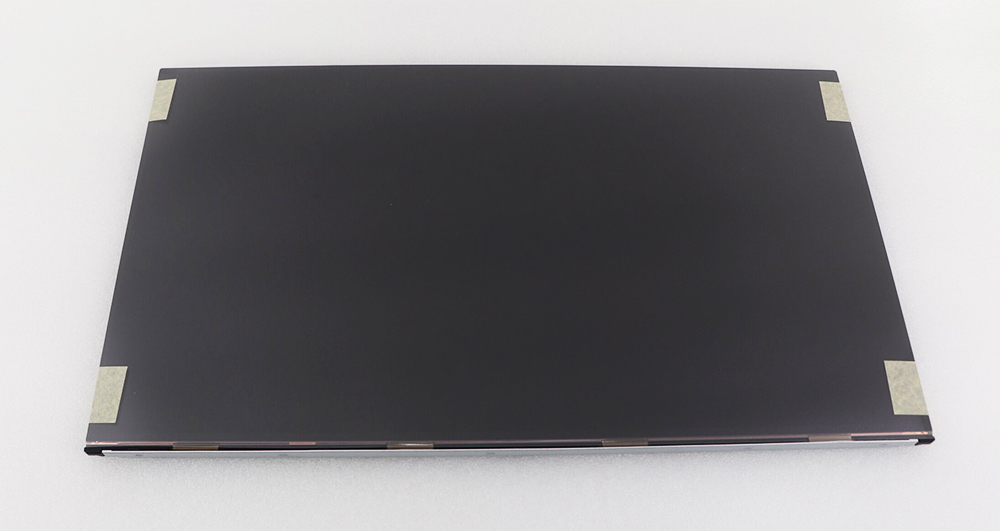
LM238WF2-SSP2 LG 23.8" TFT-LCD screen 1920*1080 Display
In the landscape of display technology, the 23.8-inch form factor has become a staple for office productivity, financial trading, and general-purpose computing. While many consumers focus on branding and retail models, the true heart of a monitor lies in its panel. The LM238WF2-SSP2, manufactured by LG Display, is a specific model within this category that warrants a closer look. This article provides an in-depth examination of this component, moving beyond basic specifications to explore its technical architecture, practical performance characteristics, and ideal use cases.
1. Foundational Specifications and Panel Technology
At its core, the LM238WF2-SSP2 is a 23.8-inch a-Si TFT-LCD (amorphous silicon thin-film transistor liquid crystal display) with a native resolution of 1920 x 1080 pixels, commonly known as Full HD. This resolution on a 23.8-inch screen yields a pixel density of approximately 92.5 PPI (pixels per inch). This is a well-established sweet spot: it offers a sharp enough image for comfortable text reading and detailed work without the scaling issues and increased graphics processing demands of higher-resolution panels like 4K at the same size.
The panel utilizes In-Plane Switching (IPS) technology. This is a critical detail that distinguishes it from older, cheaper TN (Twisted Nematic) panels. IPS technology provides significantly superior color consistency and viewing angles. Specifically, the LM238WF2-SSP2 is rated for a typical viewing angle of 89/89/89/89 degrees (CR≥10), meaning virtually no color shift or contrast degradation when viewed from extreme angles—an essential feature for collaborative work or multi-monitor setups where non-primary screens are viewed off-axis.
2. Optical Performance: Brightness, Contrast, and Color Depth
Brightness: Typical luminance is rated at 250 cd/m². This is a standard level for office and indoor use. It is sufficient for avoiding glare in a typical lit room but is not designed for HDR (High Dynamic Range) content creation or use in very bright environments like sunlit lobbies. For HDR work, panels exceeding 400-600 cd/m² are required.
Contrast Ratio: The specified typical contrast ratio is 1000:1. This is the expected standard for modern IPS panels. It delivers deep enough blacks for text and general applications, but it will not achieve the infinite contrast of OLED panels or the deep blacks of high-end VA (Vertical Alignment) panels. In dark scenes of a movie, black areas will appear as a very dark gray rather than true black.
Color Depth & Gamut: This panel supports 16.7M colors (8-bit without FRC). The color gamut is typically in the 72% NTSC range, which translates to roughly 96-99% sRGB. This is excellent for general use, web design, and office applications. However, it is not suitable for professional-grade photo editing or print production, which typically requires hardware calibration and coverage of the wider Adobe RGB or DCI-P3 color spaces.
3. Electronic Interface and Integration Requirements
Connector Type: A 30-pin, 2-channel LVDS connector is standard.
Power Supply: The panel requires a specific LED driver voltage (typically around 12V DC for the backlight). The logic board operates at a standard 5V or 3.3V.
Backlight: It uses WLED (White Light Emitting Diode) edge-lit technology. This provides a consistent, energy-efficient light source with a long lifespan (often exceeding 30,000 hours).
4. Physical Characteristics and Form Factor
Active Area: 527.04 mm (W) x 296.46 mm (H).
Outline Dimensions: Typically 538.4 mm x 310.0 mm x 13.2 mm (Depth).
Weight: Approximately 1.35 kg (3.0 lbs).
Mounting: Usually features standard mounting holes (often 75x75mm or 100x100mm VESA pattern on the metal frame).
5. Practical Applications and Target Audience
Corporate and Office Productivity: The combination of IPS viewing angles, sRGB color gamut, and 1920x1080 resolution at 23.8 inches is nearly perfect for spreadsheets, word processing, and email. The anti-glare surface reduces fatigue during long workdays.
Multi-Monitor Setups: The thin bezel (if integrated into a monitor that supports it) and consistent color reproduction across angles make it a strong candidate for financial trading desks, IT development workstations, and data monitoring stations where multiple screens are used.
Industrial and Medical Devices: Because it is a well-documented, reliable industrial-grade component, it is frequently used in Point-of-Sale (POS) systems, patient monitoring equipment, and factory automation HMIs (Human-Machine Interfaces) where long availability and consistent quality are mandatory.
Cost-Effective Digital Signage: For indoor signage not requiring high brightness, the 250 cd/m² panel provides a clear image without the cost premium of high-brightness outdoor panels.
6. Comparison and Positioning in the Market
vs. TN Panels: The LM238WF2-SSP2 wins decisively on viewing angles and color consistency, making it far better for any task involving color accuracy or off-axis viewing. TN panels are only better for extreme refresh rates (e.g., 144Hz for competitive gaming), which this panel does not offer.
vs. VA Panels: VA panels offer higher native contrast ratios (e.g., 3000:1 to 5000:1), providing deeper blacks. However, they often suffer from color shift when viewed from a diagonal angle (even if head-on contrast is high). The IPS panel here is superior for consistent color and clarity from any position.
vs. Low-End IPS Panels: Some cheaper IPS panels use a narrower color gamut (e.g., 62% NTSC) or lower contrast ratios. The LM238WF2-SSP2 sits in a reliable mid-range tier. It is not a premium "Nano IPS" or "IPS Pro" panel with 95% DCI-P3, but it offers solid, reliable performance for its intended market.
7. Technical Considerations for Sourcing and Repair
Revision Variants: Panels like this often have revision marks (e.g., Rev. C1, Rev. C2). These revisions may alter the LED driver current, the exact LVDS pinout, or the physical mounting tabs. Always verify the revision against your existing board or project requirements.
Compatibility: Before purchasing for a repair, verify that the LED backlight voltage and current match your monitor's power supply. An incorrect voltage can instantly destroy the LED strip.
Screen Burn-In: While IPS panels are less prone to permanent burn-in than older CRT or plasma screens, they can exhibit image retention if a static image is displayed for extremely long periods (e.g., 24/7 signage). For 24/7 use, a panel with a wider temperature range and special driving methods is recommended.
Conclusion
The LM238WF2-SSP2 is not a flashy, high-end consumer panel. Its value lies in its consistency, reliability, and well-understood performance characteristics. It represents the mature and stable state of IPS technology applied to a practical, workhorse resolution and size. For IT professionals, engineers, and industrial integrators, understanding the specific trade-offs of this panel—its excellent sRGB coverage, sufficient brightness, and reliance on a specific LVDS interface—is essential for making informed decisions about procurement, integration, and long-term support. It is a panel that does its job without fanfare, and that is precisely the quality required for countless mission-critical applications.