- Industrie-LCD-Display
-
Industrial Products
- DC Servo Drive
- AC Servo Drive
- other
- Heidelberg
- FANUC
- IFM
- Meter
- CCD
- Membrane Keypad
- Film
- YOKOGAWA
- Card
- ABB
- MITSUBISHI
- FANUC
- KEYENCE
- BECKHOFF
- Honeywell
- HOLLYSYS
- FUJI servo drives
- HP
- solenoid valve
- thermostat
- Siemens adapter
- color oscilloscope
- Fujitsu connector
- CHELIC
- SMC
- CISCO
- INTEL
- Key board
- FAIRCHILD
- Der Aufsichtsrat
- Board
- Bearing
- other
- Control Panel
- Contactor
- Circuit
- Omron
- Relais.
- Der controller
- Optoelektronische schalter
- Optoelektronische sensoren
- Original
- Fan
- Motortreiber
- Endschalter
- Verstärker
- power supply
- LENZE
- Cable
- Encoder
- Sensor
- Transformator
- Fiber Optic Sensor
- Schutzrelais
- Temperaturregler
- Näherungsschalter
- Switch Sensor
- Siemens
- PCB
- HMI Touch-Glas
-
HMI-Vollautomat Ganze Einheit
- OMRON HMI Touch Panel
- Siemens HMI Touch Panel
- Mitsubishi HMI Touch Panel
- Allen-Bradley Automatisierung HMI Touch
- DELTA HMI Touch Panel
- EVIEW DELTA HMI Touch Panel
- KINCO DELTA HMI Touch Panel
- HITECH HMI Touch Panel
- WEINTECK HMI Touch Panel
- TECVIEW HMI Touch Panel
- WEINVIEW HMI Touch Panel
- PRO-FACE HMI Touch Panel
- SIMATIC HMI Touch Panel
- AMPIRE HMI Touch Panel
- HEIDELBERG HMI Touch Panel
- PANASONIC HMI Touch Panel
- PATLITE HMI Touch Panel
- KYOCERA HMI Touch Panel
- KEYENCE HMI Touch Panel
- WEINVIEW HMI Touch Panel
- HITECH HMI Touch Panel
- FUJI HMI Touch Panel
- HAKKO HMI Touch Panel
- SCHNEIDER HMI Touch Panel
- SAMKOON touch panel
- andere
- Module
- LCD Wechselrichter
- Membran Tastenfeld Schalter
- Winni Touch Screens
- Frequenzumrichter
- Servo Motor
- PLC


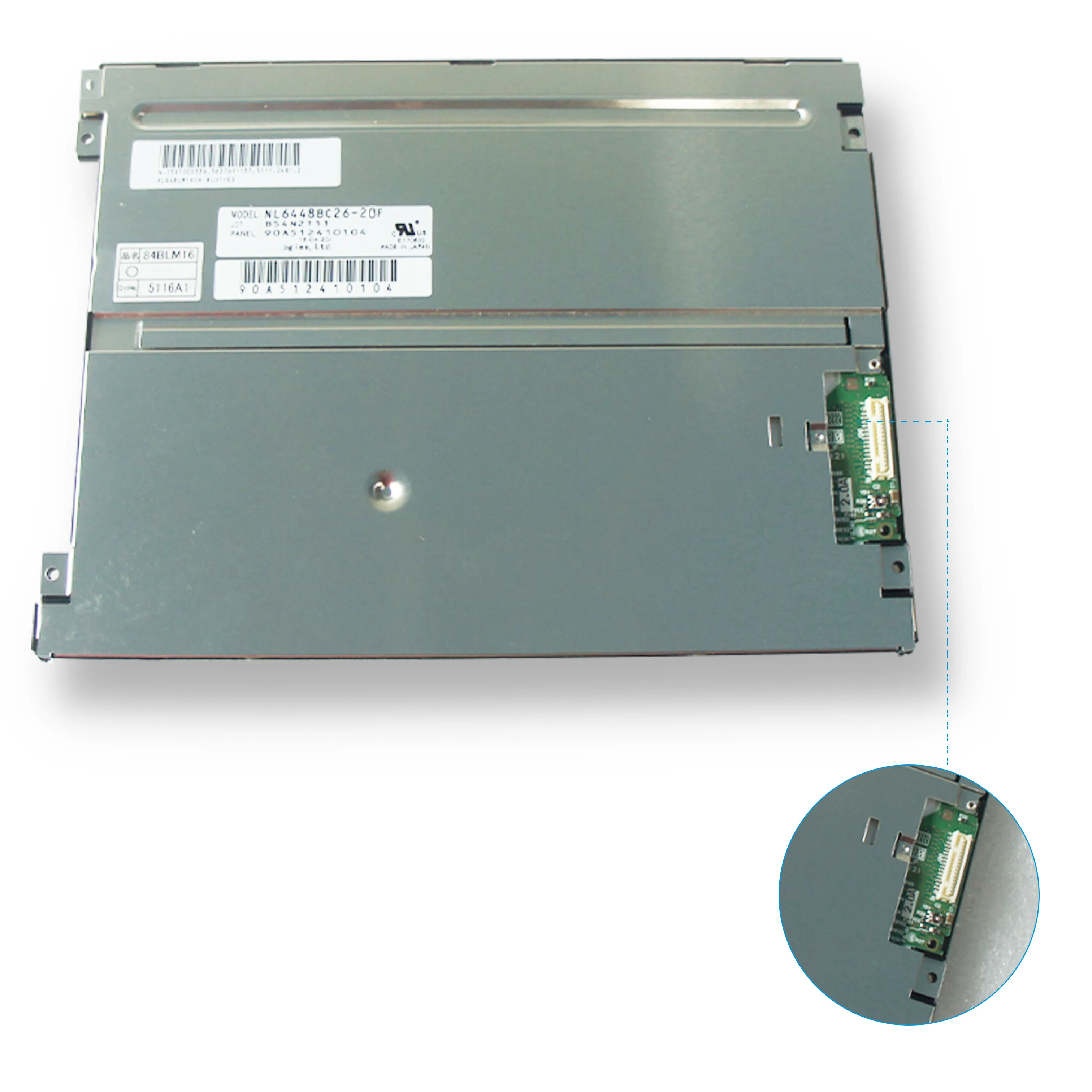


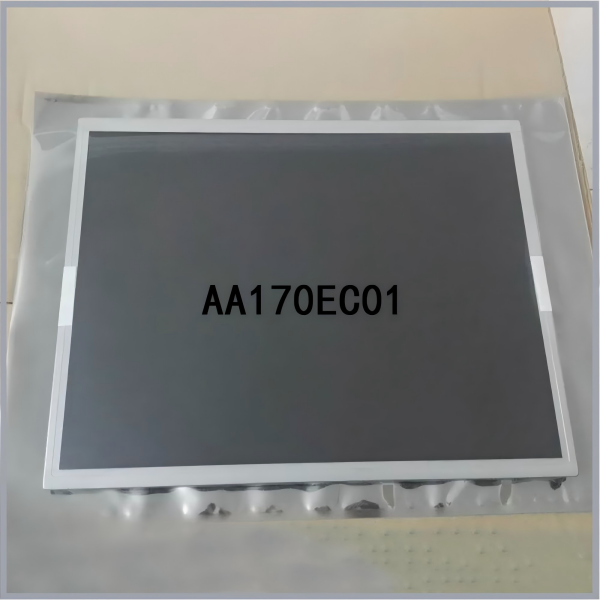
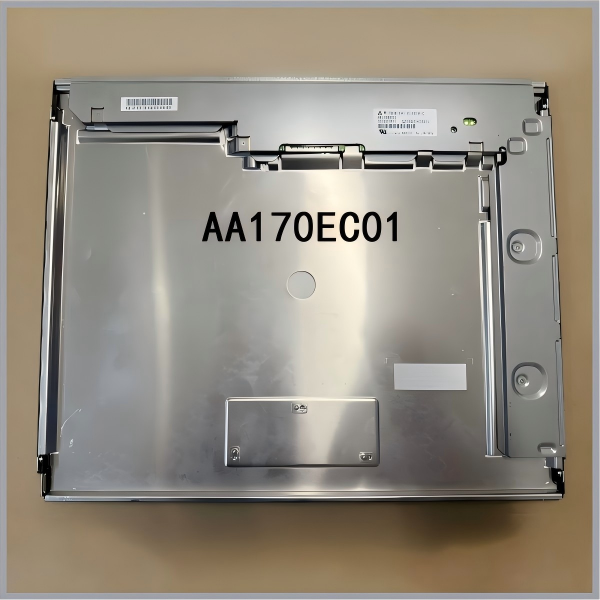
MITSUBISHI AA170EC01 17" 1280*1024 LCD PANEL
In the intricate ecosystem of industrial and specialized display technology, certain components stand out not merely as parts, but as critical pillars supporting entire systems. The 17" 1280x1024 AA170EC01 LCD Panel designed for Mitsubishi applications is one such component. This isn't just a screen; it's a precision-engineered interface built to meet the rigorous demands of environments where reliability, clarity, and longevity are non-negotiable.
This article delves deep into the world of this specific panel, moving beyond basic specifications to explore its technical significance, ideal applications, and the factors that distinguish it in a crowded marketplace. We will examine why this particular resolution and form factor remain relevant, the engineering behind its performance, and what you need to know when sourcing, integrating, or maintaining this vital piece of industrial hardware. Whether you are a system integrator, a maintenance engineer, or a procurement specialist, understanding the nuances of the AA170EC01 is key to ensuring optimal performance and system uptime.
Decoding the Specification: The SXGA Workhorse
The alphanumeric code AA170EC01 and the resolution 1280x1024 tell a precise story. This 17-inch diagonal panel operates at a standard known as SXGA (Super Extended Graphics Array). Unlike the now-ubiquitous widescreen formats, the 5:4 aspect ratio of SXGA provides a taller, more square viewing area. This is not an outdated feature but a deliberate design choice for vertical data representation.
In industrial control rooms, medical imaging stations, and legacy machinery interfaces, information is often organized in lists, schematics, or portrait-oriented data fields. The SXGA format maximizes the usable vertical space for these applications, reducing the need for excessive scrolling. The 1280x1024 resolution offers a sharp pixel pitch, ensuring that text, numerical data, and fine lines in technical drawings are displayed with crisp clarity, minimizing operator eye strain during long shifts.
Engineering for Endurance: Beyond Consumer-Grade Panels
What truly separates the AA170EC01 from a standard office monitor is its underlying engineering for endurance. This panel is built to conform to the operational profiles of Mitsubishi's industrial systems. It typically features a robust LED backlighting system designed for extended lifespans, often rated for tens of thousands of hours of continuous operation.
Furthermore, the panel is engineered to withstand a broader range of operating temperatures and humidity levels. Its electrical components and connectors are selected for stability and resistance to voltage fluctuations common in industrial settings. The structural integrity is also a focus, with a focus on resisting vibration and minor physical shock, ensuring the display remains functional in challenging environments where a consumer panel would quickly fail.
The Core Application Landscape
The AA170EC01 finds its home in environments where failure is not an option. Its primary application is within Mitsubishi's own industrial automation and control systems, such as programmable logic controller (PLC) interfaces, human-machine interface (HMI) stations, and factory automation monitors. Here, it serves as the vital window into complex processes.
Beyond factory floors, this panel is a common sight in medical diagnostic equipment (like older ultrasound or patient monitoring systems), test and measurement apparatus, and specialized point-of-sale or information kiosks. These applications leverage its reliable performance, consistent color reproduction (often crucial for diagnostic grayscale imaging), and its standard form factor which fits into existing chassis and enclosures designed for 17" SXGA panels.
Compatibility and Integration Considerations
Integrating or replacing an AA170EC01 panel requires careful attention to compatibility. It is not a "plug-and-play" component for a standard VGA port without understanding the interface. This panel typically uses an LVDS (Low-Voltage Differential Signaling) interface, a common standard for internal panel connections in embedded systems.
Successful integration depends on matching the exact pin configuration, voltage requirements, and signal timing of the original panel. The controller board (often called a timing controller or T-CON) must be precisely matched. Furthermore, physical mounting dimensions, bezel cutouts, and connector placement are critical, as industrial enclosures are designed with minimal tolerance. Sourcing an exact match or a verified compatible alternative is paramount.
The Aftermarket and Sourcing Ecosystem
Given that the original equipment may be out of production, a vibrant aftermarket for panels like the AA170EC01 exists. This ecosystem includes suppliers of new old stock (NOS), refurbished/remanufactured panels, and compatible equivalents. Navigating this market requires diligence.
Key differentiators between suppliers include the quality of the refurbishment process (e.g., replacement of backlights and capacitors), rigorous testing protocols, warranty terms, and technical support. While price is a factor, the lowest cost option can be a false economy if it leads to premature failure and costly system downtime. Reputable suppliers will provide detailed compatibility sheets and performance guarantees.
Future-Proofing and Legacy System Support
In an era of rapid technological advancement, the continued use of 17" SXGA panels like the AA170EC01 speaks to the long lifecycle of capital equipment. For many organizations, replacing an entire system for a modern display is prohibitively expensive or technically disruptive.
Therefore, the ability to source reliable drop-in replacement panels becomes a core strategy for future-proofing legacy investments. Maintaining a small inventory of critical spares or identifying a trusted supplier is a key part of risk management. This approach extends the operational life of multi-million dollar systems by years, ensuring a return on investment and maintaining operational continuity while planning for eventual full-system upgrades.
FAQs: Your Questions Answered
Q10: Is this technology becoming obsolete?A: While newer resolutions are standard, the massive installed base of legacy equipment ensures demand and supply for SXGA panels will continue for years.
Conclusion
The 17" 1280x1024 AA170EC01 LCD Panel is far more than a simple display component. It represents a critical intersection of specialized engineering, practical application needs, and the economic realities of maintaining long-lifecycle industrial systems. Its enduring relevance underscores a fundamental truth in technology: performance is defined by suitability for the task, not merely by the latest specifications.
For professionals tasked with keeping vital equipment operational, understanding this panel's technical DNA, its ideal use cases, and the nuances of the replacement market is invaluable. By making informed decisions about integration, sourcing, and maintenance, you ensure system reliability, protect capital investment, and guarantee that this unassuming workhorse continues to deliver the clarity and durability that mission-critical applications demand.