- Industrie-LCD-Display
-
Industrial Products
- DC Servo Drive
- AC Servo Drive
- other
- Heidelberg
- FANUC
- IFM
- Meter
- CCD
- Membrane Keypad
- Film
- YOKOGAWA
- Card
- ABB
- MITSUBISHI
- FANUC
- KEYENCE
- BECKHOFF
- Honeywell
- HOLLYSYS
- FUJI servo drives
- HP
- solenoid valve
- thermostat
- Siemens adapter
- color oscilloscope
- Fujitsu connector
- CHELIC
- SMC
- CISCO
- INTEL
- Key board
- FAIRCHILD
- Der Aufsichtsrat
- Board
- Bearing
- other
- Control Panel
- Contactor
- Circuit
- Omron
- Relais.
- Der controller
- Optoelektronische schalter
- Optoelektronische sensoren
- Original
- Fan
- Motortreiber
- Endschalter
- Verstärker
- power supply
- LENZE
- Cable
- Encoder
- Sensor
- Transformator
- Fiber Optic Sensor
- Schutzrelais
- Temperaturregler
- Näherungsschalter
- Switch Sensor
- Siemens
- PCB
- HMI Touch-Glas
-
HMI-Vollautomat Ganze Einheit
- OMRON HMI Touch Panel
- Siemens HMI Touch Panel
- Mitsubishi HMI Touch Panel
- Allen-Bradley Automatisierung HMI Touch
- DELTA HMI Touch Panel
- EVIEW DELTA HMI Touch Panel
- KINCO DELTA HMI Touch Panel
- HITECH HMI Touch Panel
- WEINTECK HMI Touch Panel
- TECVIEW HMI Touch Panel
- WEINVIEW HMI Touch Panel
- PRO-FACE HMI Touch Panel
- SIMATIC HMI Touch Panel
- AMPIRE HMI Touch Panel
- HEIDELBERG HMI Touch Panel
- PANASONIC HMI Touch Panel
- PATLITE HMI Touch Panel
- KYOCERA HMI Touch Panel
- KEYENCE HMI Touch Panel
- WEINVIEW HMI Touch Panel
- HITECH HMI Touch Panel
- FUJI HMI Touch Panel
- HAKKO HMI Touch Panel
- SCHNEIDER HMI Touch Panel
- SAMKOON touch panel
- andere
- Module
- LCD Wechselrichter
- Membran Tastenfeld Schalter
- Winni Touch Screens
- Frequenzumrichter
- Servo Motor
- PLC


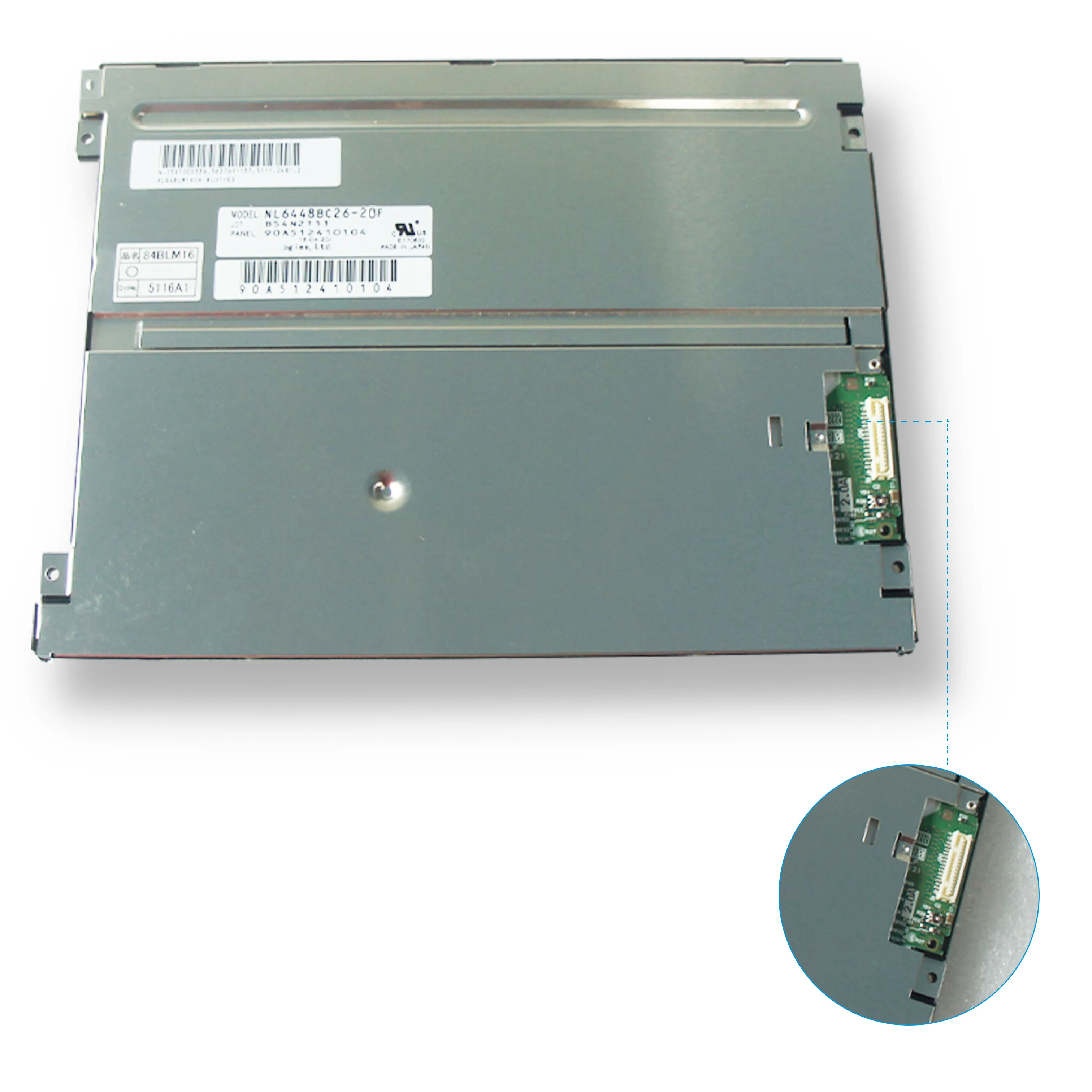


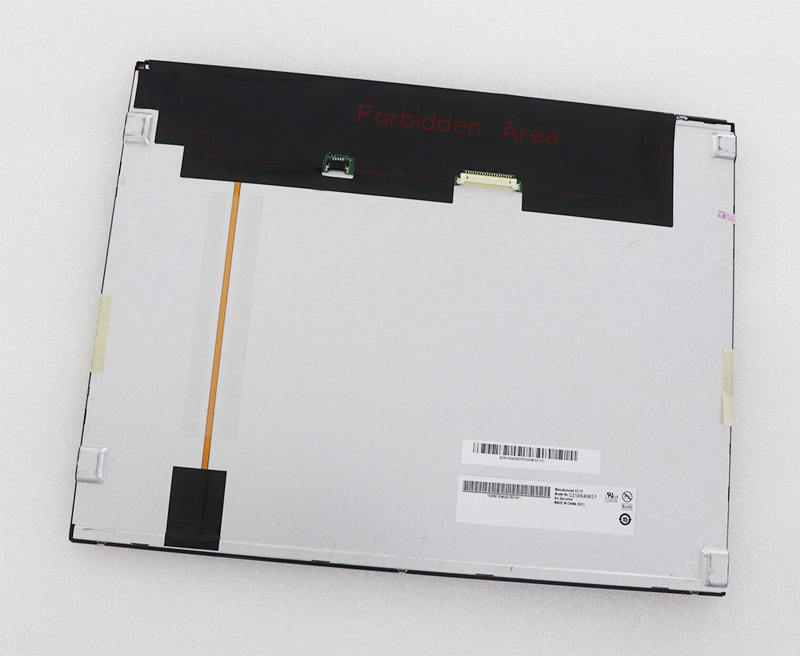
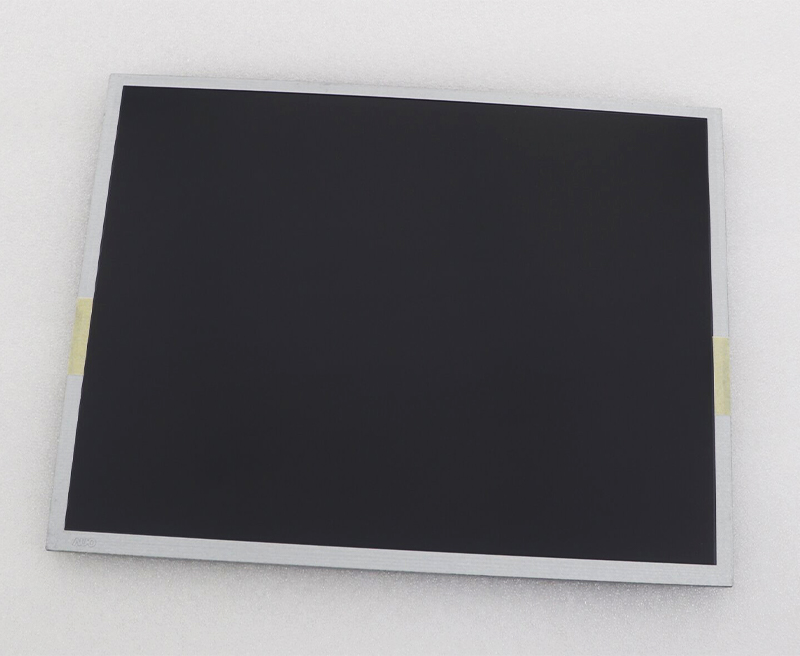
NEW G150XAN02.2 15.0 inch 1024*768 LCD display panel
In the intricate world of electronic components, the display panel serves as the critical interface between machine and user. Among the myriad of options available to engineers and procurement specialists, the NEW G150XAN02.2 emerges as a distinctive solution for specific industrial and commercial applications. This 15.0-inch LCD panel, with its 1024 x 768 (XGA) resolution, represents a fascinating case study in balancing legacy compatibility, rugged reliability, and cost-effectiveness in a modern technological landscape increasingly dominated by high-density screens.
This article delves into a comprehensive technical and commercial analysis of the G150XAN02.2 panel. We will move beyond basic specifications to explore its core technological architecture, the rationale behind its seemingly "standard" resolution, and its ideal application ecosystems. Furthermore, we will examine its key performance parameters, integration considerations, and its strategic position within the current display market. Our goal is to provide OEMs, system integrators, and technical buyers with the depth of insight needed to make an informed decision on whether this panel is the optimal component for their next-generation—or legacy-sustaining—project.
Deconstructing the G150XAN02.2: Core Architecture and Technology
At its heart, the G150XAN02.2 is a Twisted Nematic (TN) LCD panel. While newer technologies like IPS (In-Plane Switching) offer superior viewing angles and color reproduction, TN technology remains relevant for several key reasons. It provides faster response times, which is a critical factor in applications involving motion or rapid screen updates. Furthermore, the manufacturing process for TN panels is mature and cost-effective, contributing directly to the panel's overall affordability and reliability.
The panel utilizes a standard CCFL (Cold Cathode Fluorescent Lamp) backlighting system. This choice aligns with its positioning in environments where long-term availability and straightforward replacement are prioritized over the slim profile and energy efficiency of modern LED backlights. The 15.0-inch diagonal active area with an XGA format results in a pixel pitch of approximately 0.297mm, offering a balance between information density and readability from a typical viewing distance in industrial settings.
The Enduring Relevance of XGA Resolution in a 4K World
In an era of 4K and 8K displays, the 1024 x 768 (XGA) resolution of the G150XAN02.2 might appear anachronistic. However, this resolution holds significant strategic value. Firstly, it ensures backward compatibility with a vast installed base of legacy systems, control software, and embedded hardware that were designed around this standard. Upgrading these systems to support higher resolutions often requires costly and complex software and hardware overhauls.
Secondly, XGA represents a sweet spot for functional clarity in many human-machine interface (HMI), point-of-sale (POS), and medical monitoring applications. The interface elements are large, legible, and reduce eye strain during prolonged use. For systems that display primarily textual data, schematic diagrams, or fixed-format graphics, the additional pixels of higher resolutions offer diminishing returns while increasing processing power and cost requirements.
Targeted Application Ecosystems: Where This Panel Excels
The G150XAN02.2 is not designed for consumer laptops or high-end monitors. Its value proposition is strongest in specialized, demanding environments. Primary application ecosystems include:
Industrial Automation & HMI: Factory floor control panels, PLC interfaces, and machinery operator stations where reliability, readability under various lighting conditions, and long-term component supply are paramount.
Medical & Healthcare Equipment: Diagnostic devices, patient monitoring systems, and laboratory instruments that require stable, flicker-free performance and often must adhere to specific regulatory and compatibility frameworks.
Point-of-Sale & Kiosk Systems: Retail terminals, self-service kiosks, and hospitality systems where the display must perform consistently for thousands of hours and interface with legacy peripherals.
Transportation & Marine: Onboard information displays and control units where the panel may need to withstand vibration and variable temperatures.
Critical Performance Parameters and Environmental Specifications
Evaluating this panel requires a deep look at its datasheet specifications. Key performance parameters include a brightness typically around 300 nits, sufficient for indoor use under bright lighting. The contrast ratio is adequate for its intended purposes. Crucially, the viewing angles (e.g., 80/80/75/75 degrees) are characteristic of TN technology, indicating the best visual performance is achieved when viewed directly head-on.
Environmental specs are often where industrial panels differentiate themselves. The G150XAN02.2 is designed to operate reliably across a wide temperature range, often from -20°C to 70°C for the panel itself. Its long lifespan, often rated at 50,000 hours or more for the backlight, is a direct result of its robust construction and CCFL technology. These specs make it suitable for non-climate-controlled environments where consumer-grade panels would fail.
Integration Considerations and Interface Compatibility
Successful integration of the G150XAN02.2 hinges on understanding its interface and power requirements. The panel most commonly features an LVDS (Low-Voltage Differential Signaling) interface. LVDS is a widely adopted standard in industrial and embedded displays for its robustness and noise resistance. Integrators must ensure their controller board provides a compatible LVDS signal with the correct pinout and voltage.
Power is supplied separately to the CCFL backlight inverter and the LCD logic board. This necessitates a power supply solution that can deliver the required voltages (e.g., 3.3V or 5V for logic, a higher AC voltage for the CCFL) and currents. Mechanical integration must account for the panel's dimensions, mounting hole positions, and the additional depth required for the CCFL assembly compared to slimmer LED-backlit modules.
Market Positioning and Sourcing Strategy
Within the global display supply chain, the G150XAN02.2 occupies a niche focused on long-term availability (LTA) and stable performance. It is not a panel subject to the rapid refresh cycles of the consumer market. For OEMs, this stability is a major advantage, allowing for product lifecycles of a decade or more without forced redesigns due to panel end-of-life.
Sourcing should be approached through authorized distributors or direct engagement with display module manufacturers who can guarantee genuine, A-grade panels and provide full datasheets and technical support. While lower-cost alternatives may appear on the market, they often compromise on quality, consistency, and longevity—critical factors in professional applications. The true total cost of ownership for this panel is measured in years of reliable, maintenance-free operation.
FAQs: NEW G150XAN02.2 Display Panel
Q10: Where can I reliably source this panel?A10: Through authorized distributors or display module integrators who specialize in industrial components and can provide technical support.
Conclusion
The NEW G150XAN02.2 15.0-inch XGA LCD panel stands as a testament to the principle that the "latest" technology is not always the "most appropriate" technology. Its value is not defined by pixel density or ultra-wide viewing angles, but by its proven reliability, exceptional environmental robustness, and seamless compatibility with entrenched industrial and commercial systems. In a market driven by constant consumer-grade innovation, this panel serves a vital, stable niche.
For engineers and buyers, selecting this panel is a strategic decision rooted in long-term product lifecycle planning, total cost of ownership, and a deep understanding of the end-use environment. It is a component that prioritizes function and durability over form, ensuring that critical systems continue to operate with clarity and dependability for years to come. In the right application, the G150XAN02.2 is not a compromise, but an optimal solution.