- Industrie-LCD-Display
-
Industrial Products
- DC Servo Drive
- AC Servo Drive
- other
- Heidelberg
- FANUC
- IFM
- Meter
- CCD
- Membrane Keypad
- Film
- YOKOGAWA
- Card
- ABB
- MITSUBISHI
- FANUC
- KEYENCE
- BECKHOFF
- Honeywell
- HOLLYSYS
- FUJI servo drives
- HP
- solenoid valve
- thermostat
- Siemens adapter
- color oscilloscope
- Fujitsu connector
- CHELIC
- SMC
- CISCO
- INTEL
- Key board
- FAIRCHILD
- Der Aufsichtsrat
- Board
- Bearing
- other
- Control Panel
- Contactor
- Circuit
- Omron
- Relais.
- Der controller
- Optoelektronische schalter
- Optoelektronische sensoren
- Original
- Fan
- Motortreiber
- Endschalter
- Verstärker
- power supply
- LENZE
- Cable
- Encoder
- Sensor
- Transformator
- Fiber Optic Sensor
- Schutzrelais
- Temperaturregler
- Näherungsschalter
- Switch Sensor
- Siemens
- PCB
- HMI Touch-Glas
-
HMI-Vollautomat Ganze Einheit
- OMRON HMI Touch Panel
- Siemens HMI Touch Panel
- Mitsubishi HMI Touch Panel
- Allen-Bradley Automatisierung HMI Touch
- DELTA HMI Touch Panel
- EVIEW DELTA HMI Touch Panel
- KINCO DELTA HMI Touch Panel
- HITECH HMI Touch Panel
- WEINTECK HMI Touch Panel
- TECVIEW HMI Touch Panel
- WEINVIEW HMI Touch Panel
- PRO-FACE HMI Touch Panel
- SIMATIC HMI Touch Panel
- AMPIRE HMI Touch Panel
- HEIDELBERG HMI Touch Panel
- PANASONIC HMI Touch Panel
- PATLITE HMI Touch Panel
- KYOCERA HMI Touch Panel
- KEYENCE HMI Touch Panel
- WEINVIEW HMI Touch Panel
- HITECH HMI Touch Panel
- FUJI HMI Touch Panel
- HAKKO HMI Touch Panel
- SCHNEIDER HMI Touch Panel
- SAMKOON touch panel
- andere
- Module
- LCD Wechselrichter
- Membran Tastenfeld Schalter
- Winni Touch Screens
- Frequenzumrichter
- Servo Motor
- PLC


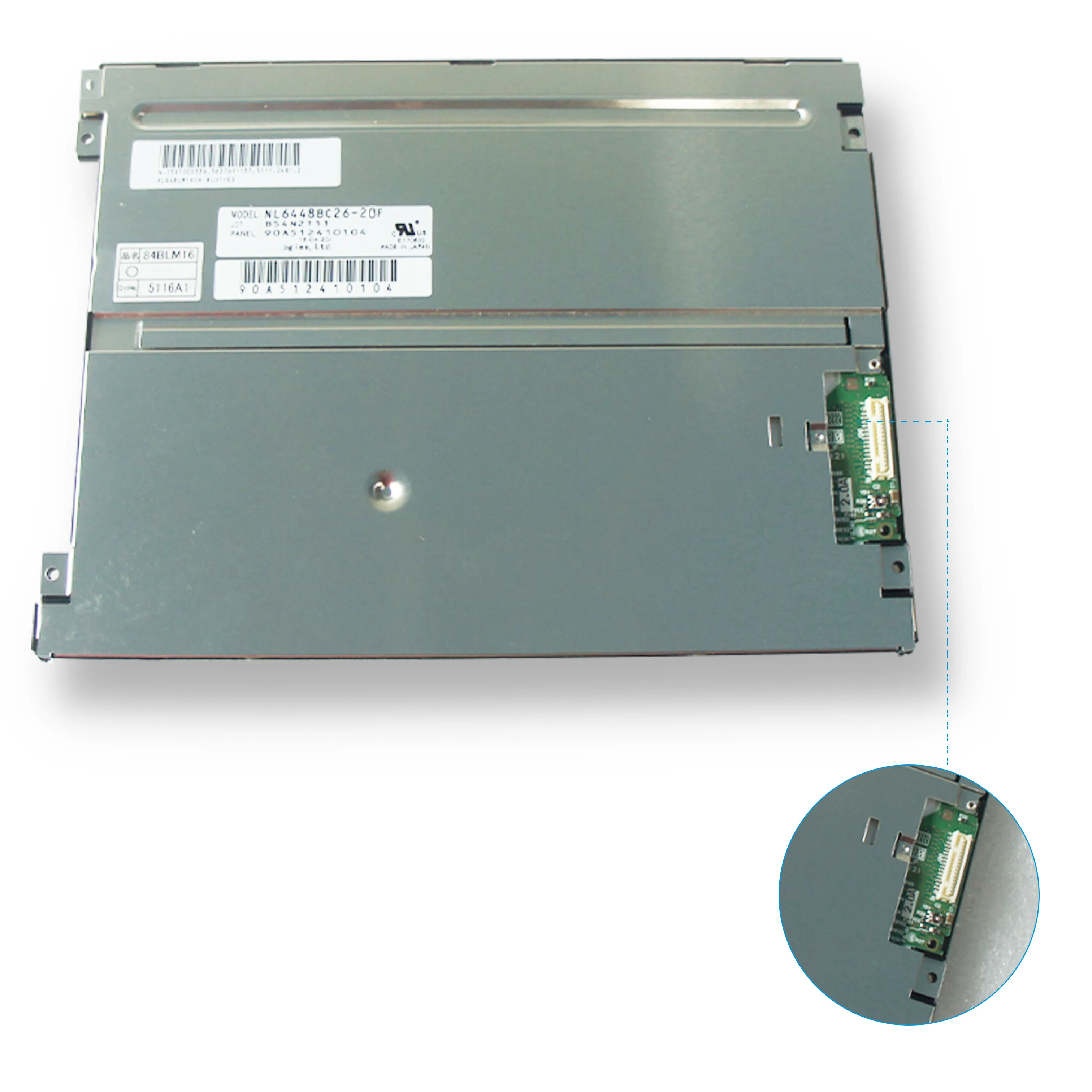


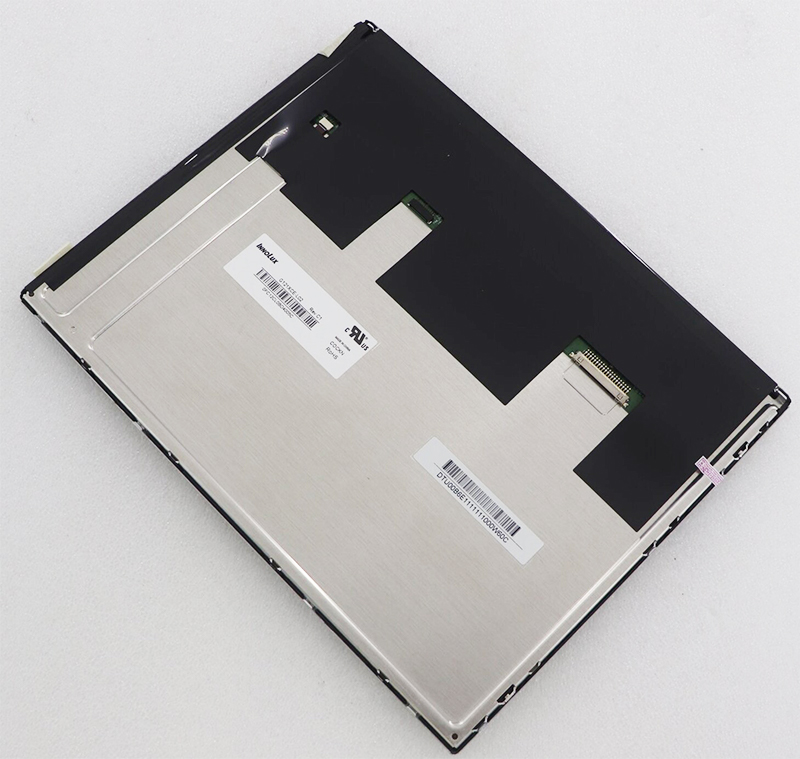
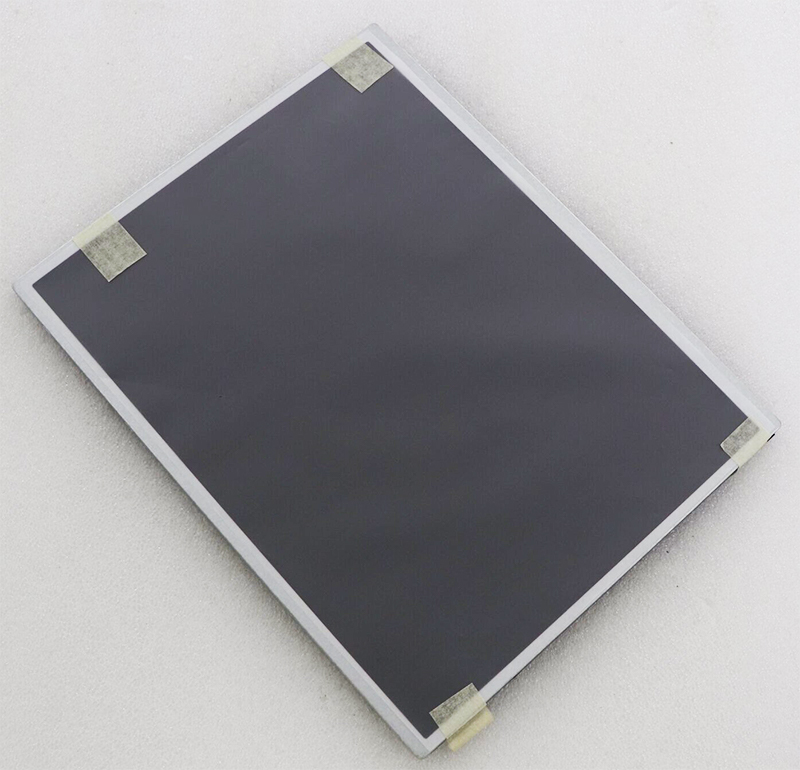
Original and New 12.1 inch G121XCE-L02 Innolux LCD Screen Display Panel
In the intricate ecosystem of electronic devices, the display panel is the vital interface between digital information and human perception. For technicians, procurement specialists, and product developers, selecting the right LCD screen is a critical decision that balances performance, reliability, and cost. This article provides a deep-dive analysis of the Innolux G121XCE-L02, a 12.1-inch LCD panel that serves as a core component in a wide range of industrial, medical, and commercial applications.
We will move beyond basic datasheet specifications to explore the technical nuances that define this panel's performance and application suitability. From its underlying display technology and visual characteristics to its electrical interface and mechanical design, each aspect will be examined in detail. Furthermore, we will address the crucial distinction between original and new panels, a key consideration for sourcing and long-term project viability. This comprehensive guide aims to equip you with the knowledge needed to make an informed decision regarding the integration of the G121XCE-L02 into your hardware solutions.
Unpacking the Core Technology: TFT-LCD with aTwist
The G121XCE-L02 is built on a mainstream yet highly refined TFT-LCD (Thin-Film Transistor Liquid Crystal Display) platform. At its heart, an array of tiny transistors precisely controls each sub-pixel, enabling sharp and stable images. This particular panel utilizes an a-Si (amorphous Silicon) process for the TFTs, a mature and cost-effective technology known for its excellent uniformity and reliability in demanding operational environments.
Where it distinguishes itself is in its specific optical stack and driving methodology. Innolux has engineered this panel to deliver a balanced performance profile, optimizing for readability and longevity rather than extreme color gamut or refresh rates. The use of a standard CCFL or LED backlight system (depending on the variant) provides consistent illumination. Understanding this foundational technology is key to appreciating why this panel is specified for applications where consistent, fault-free operation over thousands of hours is paramount, such as in human-machine interfaces (HMIs) for factory automation or diagnostic display units.
Visual Performance and Key Specifications Analysis
The visual output of any display is quantified by its specifications. The G121XCE-L02 features a resolution of 800 x 600 pixels (SVGA). While not high by consumer standards, this resolution is ideal for its target markets, ensuring legible text, clear graphics, and compatibility with legacy systems without excessive processing overhead. The aspect ratio of 4:3 is another defining characteristic, perfectly suited for traditional data entry screens, control panels, and instrumentation displays.
Critical performance metrics include a brightness level typically around 300 nits, sufficient for indoor use even under bright lighting. The contrast ratio ensures discernible differences between dark and light areas, crucial for reading data. Perhaps most importantly for industrial use are the wide viewing angles (typically 80/80/80/80 in Left/Right/Up/Down directions), which allow for clear visibility from various positions—a necessity for panels mounted in cabinets or viewed by multiple operators. Color depth is usually 262K/16.7M, adequate for displaying detailed schematics and interface elements.
Electrical Interface and Signal Compatibility
The G121XCE-L02 panel does not function in isolation; it requires a compatible controller to deliver an image. This panel commonly utilizes an LVDS (Low-Voltage Differential Signaling) interface. LVDS is the industry standard for robust, noise-resistant data transmission in industrial and medical displays, capable of driving the panel over longer cable lengths without signal degradation compared to older TTL interfaces.
The specific pin configuration, voltage requirements (often 3.3V or 5V for logic and a higher voltage for the backlight), and timing parameters are detailed in the panel's datasheet. Matching these specifications precisely with a compatible LCD controller board is essential. Furthermore, understanding the backlight power requirements—whether it's a CCFL inverter circuit or a simpler LED driver—is a critical part of the system integration puzzle. Incorrect power delivery is a primary cause of display failure or reduced lifespan.
Mechanical Design and Integration Considerations
Beyond the electronics, the physical form factor dictates where and how the panel can be installed. The G121XCE-L02 has a defined outline dimension, active area, and bezel size. Its thickness and weight impact the final product design. The mounting method, typically through screw holes on the metal rear frame, must be accounted for in the chassis design to avoid stress on the glass.
Integration also involves environmental considerations. Many panels in this class are specified for a broad operating temperature range (e.g., -20°C to 70°C), allowing deployment in non-climate-controlled settings. The durability of the surface polarizer is also a factor; some versions may offer anti-glare or hard-coat treatments to resist scratching in high-touch environments. These mechanical and environmental specs directly determine the panel's suitability for field-deployed equipment, point-of-sale terminals, or transportation systems.
The Critical Distinction: Original vs. New Replacement Panels
In the sourcing market, the terms "Original" and "New" carry significant weight. An Original Innolux G121XCE-L02 panel is manufactured by Innolux Corporation, coming directly from their production line or authorized distribution channels. It carries the full assurance of the manufacturer's specifications, quality control, and reliability testing.
A New panel, often called a "compatible" or "replacement" panel, is manufactured by a third-party factory. While it is designed to be a functional and mechanical equivalent, subtle differences may exist in the grade of glass, the quality of the polarizer, the consistency of the backlight, or the longevity of the components. These panels can offer a cost advantage but may involve a trade-off in absolute reliability or color uniformity. For mission-critical applications, original panels are almost always the recommended choice to mitigate risk.
Target Applications and Long-Term Sourcing Strategy
The technical profile of the G121XCE-L02 makes it a workhorse for specific sectors. Its primary applications include Industrial HMI (for PLCs and control systems), Medical Monitoring Equipment (where reliability is non-negotiable), Point-of-Sale/Information Kiosks, and specialized Transportation and Avionics Displays. Its 4:3 format is particularly valuable for upgrading or maintaining legacy systems designed for that aspect ratio.
Developing a sourcing strategy is crucial for product lifecycle management. Engineers must verify the long-term availability (LTA) status of the panel with distributors. For products expected to be in production for years, securing a reliable supply chain for original panels, or planning for a future-approved alternative, is essential. Engaging with reputable suppliers who provide full traceability and technical support is a key step in ensuring project success and avoiding costly redesigns due to panel end-of-life (EOL) notifications.
FAQs: Innolux G121XCE-L02 LCD Panel
Conclusion
The Innolux G121XCE-L02 represents a specific class of display solutions where reliability, compatibility, and functional performance take precedence over consumer-grade specs like ultra-high resolution. Its value lies in its optimized design for controlled, professional environments where continuous operation and clear data presentation are critical.
Successfully integrating this panel—or any similar industrial component—requires a holistic understanding that spans from the pixel-level technology and electrical signals to the physical integration and supply chain logistics. The choice between an original and a new compatible panel is not merely a financial one but a strategic decision impacting product quality and lifecycle. By appreciating these depths, engineers and buyers can leverage the G121XCE-L02 to build robust, dependable, and effective digital interfaces for the machines and systems that power our industrial world.