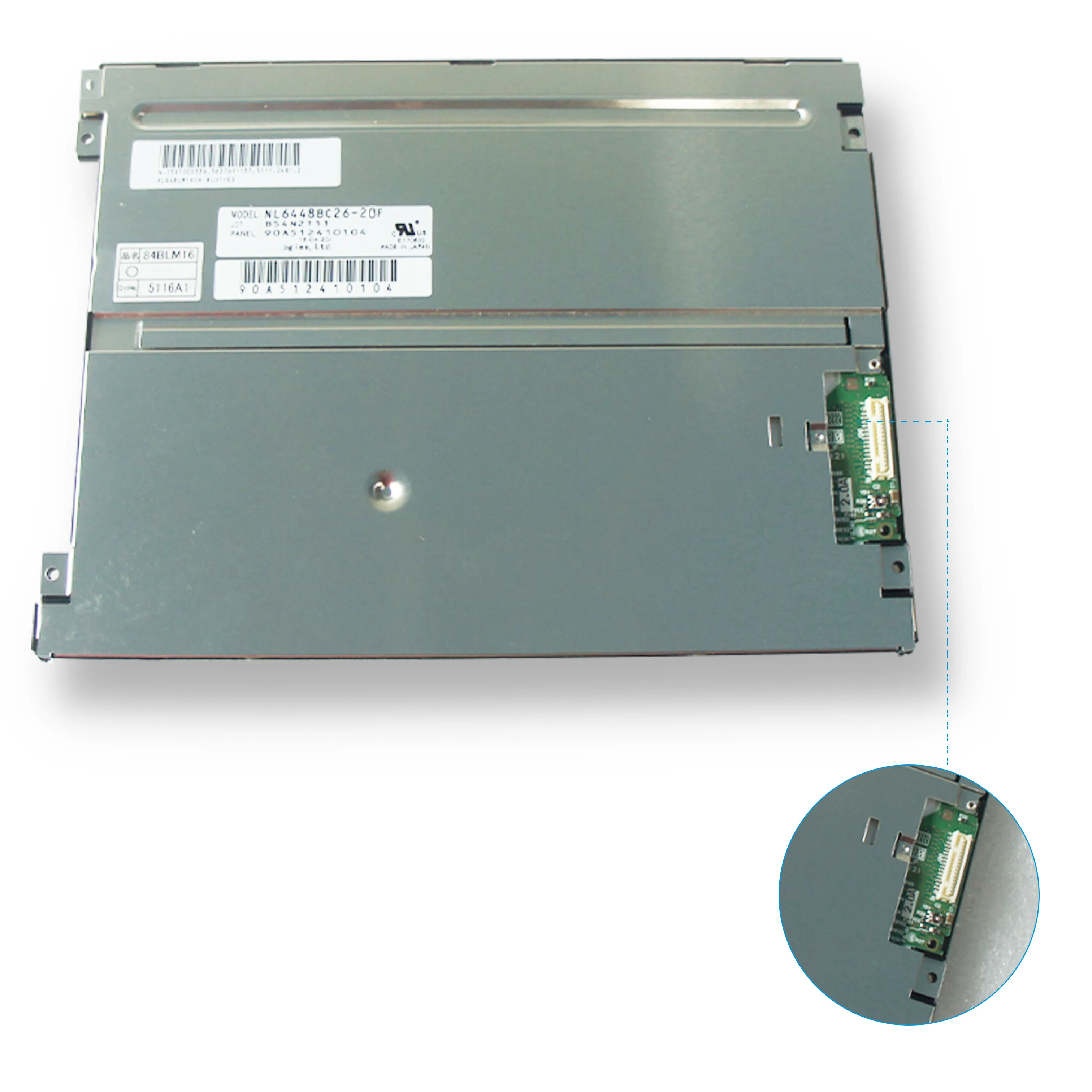
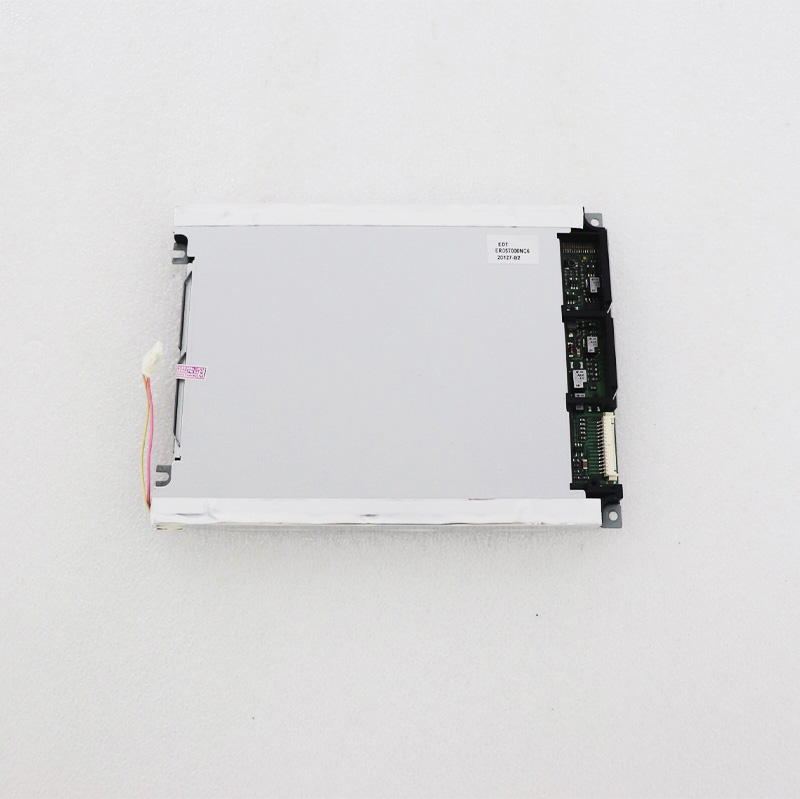
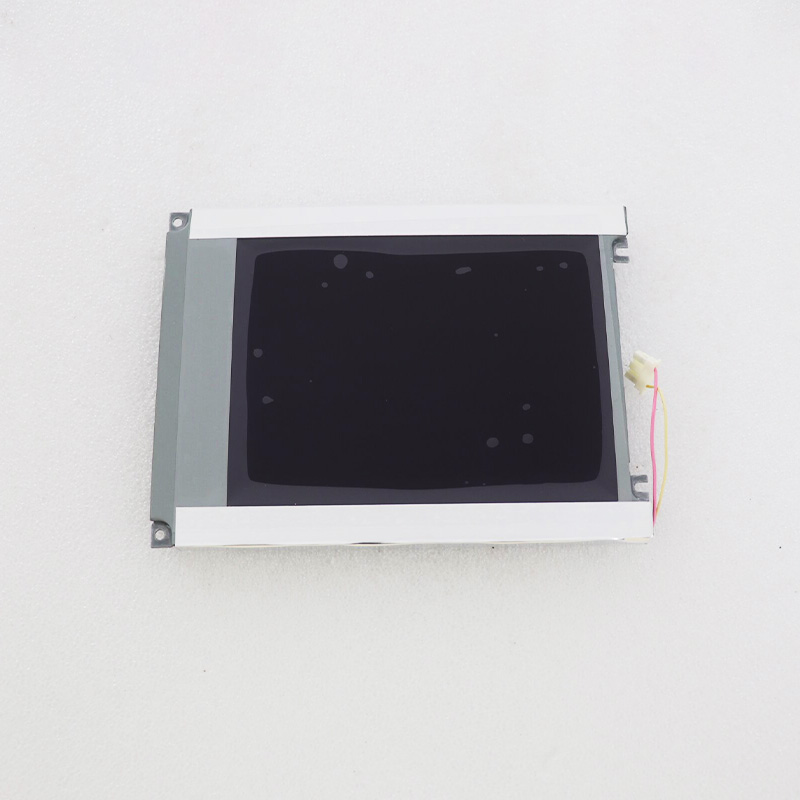
In the intricate world of electronic components, the display panel often serves as the critical interface between machine and user. Among the myriad of specialized screens available, the ER057000NC6 EDT 7.8-inch 320*240 LCD Panel emerges as a noteworthy solution for applications where clarity, durability, and efficient communication are paramount. This model, defined by its precise physical dimensions and unique electrical interface, is not merely a generic screen but a tailored component engineered for specific industrial and embedded environments. This article delves into a comprehensive analysis of the ER057000NC6 panel. We will move beyond basic specifications to explore its core technological architecture, the significance of its EDT interface, and the practical implications of its resolution and size. Our journey will uncover its ideal application scenarios, provide crucial integration guidelines for engineers, and situate it within the competitive landscape. Finally, we will project its future relevance in an evolving technological ecosystem, offering a holistic view for designers, procurement specialists, and tech enthusiasts seeking to understand this distinct display module. Decoding the Specification: Core Architecture of the ER057000NC6
The identifier ER057000NC6 is more than a model number; it is a concise data sheet. The 7.8-inch diagonal measurement defines a compact yet sufficiently viewable area, a sweet spot between portability and information density. The 320*240 pixel resolution, commonly known as QVGA, is a defining characteristic. In an era of 4K displays, this may seem modest, but it is a deliberate and strategic choice. This resolution ensures exceptional reliability, lower system processing load, and reduced power consumption, which are critical for embedded systems. Fundamentally, the panel utilizes a TN (Twisted Nematic) or potentially an advanced STN type LCD matrix, optimized for monochrome or grayscale presentation. This technology offers high contrast and fast response times for displaying static data or basic graphics. The "NC6" suffix often points to specific revision or backlighting details, typically involving an LED backlight system for uniform, long-life illumination. Understanding this architecture is the first step in recognizing that this panel is built not for multimedia consumption, but for clear, dependable data rendering in controlled environments.
The EDT Interface: Enabling Simplified and Robust Communication
A pivotal feature of this panel is its EDT (Enhanced Display Technology) interface. Unlike standard parallel RGB or LVDS interfaces common in consumer displays, EDT represents a serial communication protocol. It simplifies the physical connection between the host controller and the display module by drastically reducing the number of required data lines. This serialization translates into a less complex and more cost-effective physical design, with reduced EMI (Electromagnetic Interference) and lower connector costs.
For system integrators, the EDT interface means a cleaner PCB layout and simplified firmware development. The protocol handles much of the timing and signal generation internally, offloading this task from the main system microcontroller. This robustness makes the ER057000NC6 particularly resilient in electrically noisy industrial settings, where signal integrity is paramount. The choice of EDT is a clear indicator that this panel is designed for integration into larger systems where reliability and design efficiency outweigh the need for ultra-high-speed pixel data transfer. Resolution in Context: The Strategic Value of QVGA
The 320x240 (QVGA) resolution of the ER057000NC6 is a key factor in its application profile. This resolution is perfectly suited for displaying structured information such as text, numerical data, simple icons, and basic schematic graphics. Its low pixel count is a significant advantage: it requires a smaller display buffer in the controlling microcontroller, reduces the computational power needed for screen updates, and minimizes power draw—a crucial consideration for battery-operated or energy-sensitive devices. Furthermore, this resolution allows for highly legible character fonts without excessive anti-aliasing complexity. In medical devices, industrial controllers, or test equipment, where information must be absorbed quickly and accurately under various lighting conditions, the clarity offered by a well-implemented QVGA display is often superior to a cramped, high-resolution screen trying to render similar UI elements. It represents the principle of "fit-for-purpose" engineering, where the specification is optimized for the task, not maximized for marketing appeal.
Ideal Application Ecosystems and Use Cases
The technical profile of the ER057000NC6 naturally directs it towards specific, demanding sectors. Its rugged construction, stable performance, and clear display make it an excellent choice for industrial human-machine interfaces (HMIs) on factory floor equipment, PLC control panels, and agricultural machinery. In the medical field, it can be found in portable diagnostic devices, patient monitoring systems, and laboratory instruments where reliability is non-negotiable. Other prime applications include:
Transportation & Telematics: Fleet management systems, GPS units for specialized vehicles, and onboard diagnostic displays.
Test & Measurement: Oscilloscopes, multimeters, and environmental sensors requiring a persistent data readout.
Point-of-Sale (POS) & Kiosks: For dedicated terminal displays showing transaction information or menu systems.
Utility Metering: Smart meters for gas, water, or electricity where a low-power, always-on display is needed.
In each case, the panel serves as a dependable window into the device's core functions.
Integration Essentials and Design Considerations
Successfully integrating the ER057000NC6 into a product requires attention to several key factors. First, the designer must ensure the host microcontroller or processor has adequate support for the EDT interface, either through a dedicated controller or bit-banged serial communication. The electrical characteristics, such as voltage levels (typically 3.3V or 5V) and signal timing, must be meticulously matched. Second, mechanical integration is critical. The 7.8-inch form factor requires a precisely sized bezel cutout and secure mounting. Consideration must be given to the viewing angle requirements and the potential need for an enhanced optical solution, like a bonded cover glass with an anti-glare treatment. Finally, the backlight driving circuit must be designed for consistent current delivery to ensure even brightness and long LED life. Proper ESD protection and noise filtering on the power and signal lines are also mandatory for industrial-grade reliability.
Market Position and Future Trajectory
Within the niche market of industrial and embedded displays, the ER057000NC6 occupies a position defined by proven reliability and cost-effectiveness. It competes with other mid-size monochrome or grayscale panels and newer color TFT modules of similar size but higher cost and complexity. Its value proposition is strongest in applications where color is unnecessary, power budget is tight, and the operating environment is challenging. Looking forward, the future of such panels is not about obsolescence but evolution and specialization. While color TFTs continue to drop in price, the fundamental advantages of low-power, high-reliability monochrome displays ensure their longevity. The trajectory for modules like the ER057000NC6 points towards further integration—perhaps incorporating touch capability via an add-on layer, even lower power consumption, and broader temperature tolerance ranges to meet the needs of next-generation IoT and industrial automation devices. Frequently Asked Questions (FAQs)
Q1: What does "EDT" stand for in the panel's description?A1: EDT stands for Enhanced Display Technology, a serial interface protocol that simplifies connection and reduces wire count compared to parallel interfaces.
Q2: Is the ER057000NC6 a color or monochrome display?A2: It is primarily a monochrome or grayscale display panel, optimized for showing text, numbers, and basic graphics.
Q3: What is the typical operating voltage for this LCD panel?A3: It typically operates at 3.3V or 5V logic levels; the exact specification should be confirmed in the manufacturer's datasheet.
Q4: Can this display be used outdoors?A4: It can be used in varied lighting conditions, but for direct sunlight readability, it would likely require a high-brightness backlight and an anti-glare surface treatment.
Q5: Does this module include a touch screen?A5: No, the standard ER057000NC6 is a display-only module. Touch functionality would require an additional resistive or capacitive overlay.
Q6: What is the advantage of the 320x240 (QVGA) resolution?A6: Advantages include lower system cost, reduced microcontroller memory/processing requirements, lower power consumption, and excellent legibility for structured data.
Q7: What type of connector does it use?A7: It typically uses a standard FPC (Flexible Printed Circuit) or pin-header connector; the exact type and pinout are defined in the datasheet.
Q8: Is this panel suitable for battery-powered devices?A8: Yes, its relatively low power consumption, especially with LED backlighting, makes it a candidate for portable, battery-operated equipment.
Q9: Where can I find the technical datasheet for this panel?A9: The datasheet should be obtained directly from the manufacturer or authorized distributors to ensure accuracy.
Q10: How does it compare to a same-size color TFT display?A10: It is generally more power-efficient, more cost-effective, and often more readable for data-centric applications, but it lacks color information and may have narrower viewing angles.
Conclusion
The ER057000NC6 EDT 7.8-inch LCD panel exemplifies the principle that in engineering, the optimal component is not always the one with the highest specifications, but the one most precisely aligned with the application's demands. Its combination of a compact 7.8-inch form factor, reliable QVGA resolution, and efficient EDT interface crafts a solution tailored for clarity, durability, and integration simplicity. This analysis underscores its vital role in industrial, medical, and embedded systems where performance is measured in reliability and years of service, not in pixel density. For designers navigating the complex landscape of display technologies, understanding the nuanced value proposition of specialized modules like the ER057000NC6 is key to building robust, effective, and sustainable products. It remains a testament to the enduring relevance of purpose-driven design in an increasingly complex digital world.