- Industrial LCD display
-
Industrial Products
- DC Servo Drive
- AC Servo Drive
- other
- Heidelberg
- FANUC
- IFM
- Meter
- CCD
- Membrane Keypad
- Film
- YOKOGAWA Module
- Card
- ABB
- MITSUBISHI
- FANUC
- KEYENCE
- BECKHOFF
- Honeywell
- HOLLYSYS
- FUJI servo drives
- HP
- solenoid valve
- thermostat
- Siemens adapter
- color oscilloscope
- Fujitsu connector
- CHELIC
- SMC
- CISCO Module
- INTEL
- Key board
- FAIRCHILD
- Motherboard
- Board
- Bearing
- other
- Control Panel
- Contactor
- Circuit
- OMRON
- Relay
- Controller
- Photoelectric Switch
- Photoelectric Sensor
- Original
- Fan
- Motor Driver
- Limit Switch
- Amplifier
- power supply
- LENZE
- Cable
- Encoder
- Sensor
- Transformer
- Fiber Optic Sensor
- Protection Relay
- Temperature Controller
- Proximity Switch
- Switch Sensor
- Siemens
- Industrial board
- HMI Touch Glass
-
HMI Full Machine Whole unit
- OMRON HMI Touch Panel
- Siemens HMI Touch Panel
- Mitsubishi HMI Touch Panel
- Allen-Bradley automation HMI Touch Panel
- DELTA HMI Touch Panel
- EVIEW DELTA HMI Touch Panel
- KINCO DELTA HMI Touch Panel
- HITECH HMI Touch Panel
- WEINTECK HMI Touch Panel
- TECVIEW HMI Touch Panel
- WEINVIEW HMI Touch Panel
- PRO-FACE HMI Touch Panel
- SIMATIC HMI Touch Panel
- AMPIRE HMI Touch Panel
- HEIDELBERG HMI Touch Panel
- PANASONIC HMI Touch Panel
- PATLITE HMI Touch Panel
- KYOCERA HMI Touch Panel
- KEYENCE HMI Touch Panel
- WEINVIEW HMI Touch Panel
- HITECH HMI Touch Panel
- FUJI HMI Touch Panel
- HAKKO HMI Touch Panel
- SCHNEIDER HMI Touch Panel
- SAMKOON touch panel
- other
- Module
- lcd inverter
- Membrane Keypad Switch
- Winni Touch Screens
- Frequency Inverter
- Servo Motor
- PLC


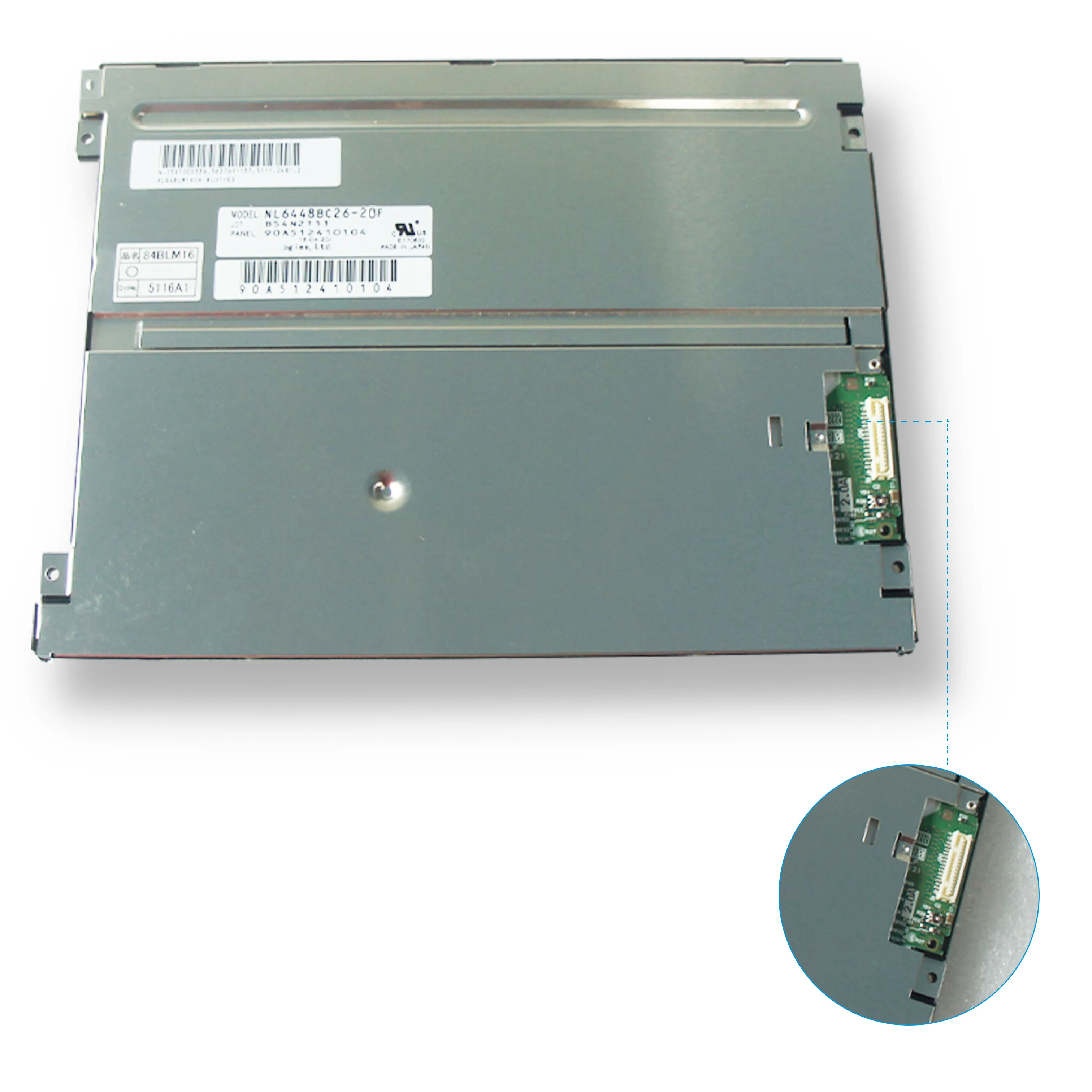


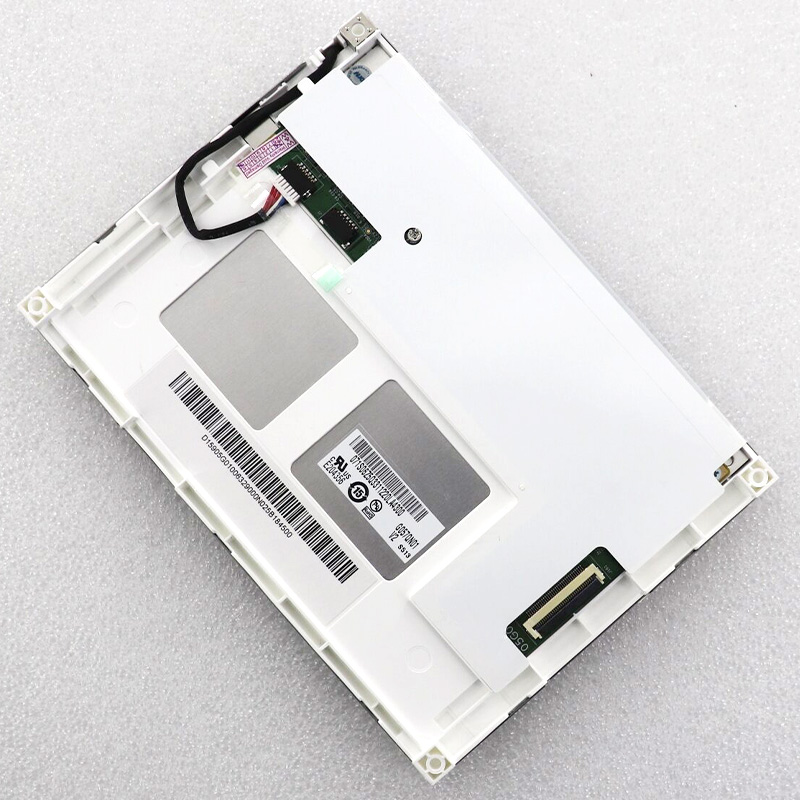
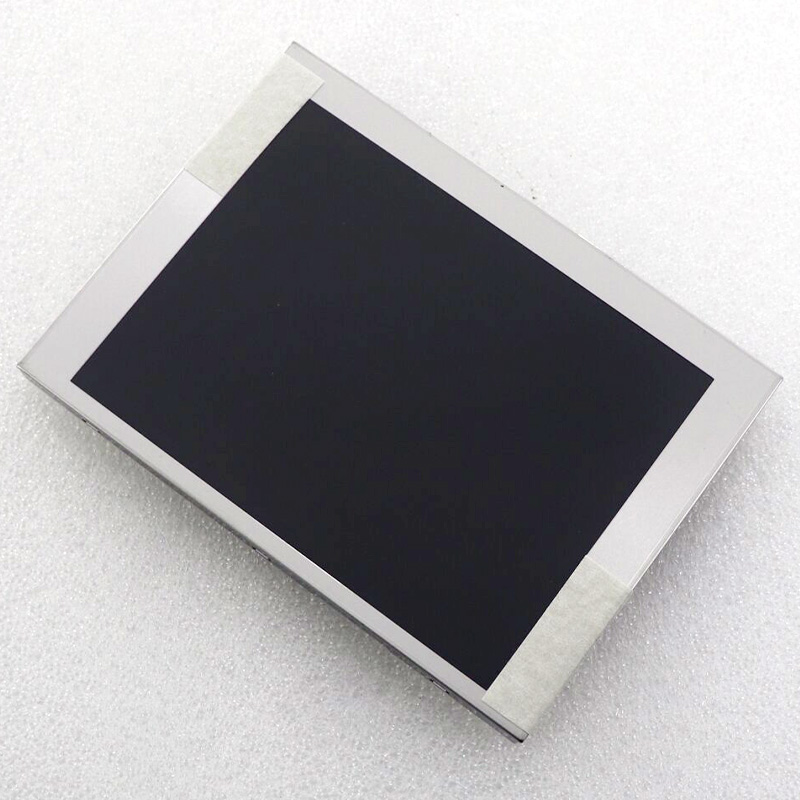
G057QN01 V.2 AUO 5.7inch 320*240 lcd display
In the intricate world of electronic components, where specifications often blur into a sea of part numbers, the G057QN01 V.2 stands out as a remarkably specialized display module. This 5.7-inch LCD panel, with its distinctive 320x240 pixel resolution, represents a deliberate and thoughtful design choice rather than a compromise. Manufactured by AUO (AU Optronics), a leader in display technology, this variant serves a critical niche in industries where reliability, readability, and integration efficiency are paramount.
This article delves beyond the basic datasheet to explore the unique value proposition of the G057QN01 V.2. We will dissect its technical architecture, understand the logic behind its seemingly "low-resolution" design, and explore the diverse industrial landscapes it empowers. From legacy system upgrades to modern human-machine interfaces, this display is a testament to the principle that the right tool for the job isn't always the one with the highest pixel count, but the one engineered with a specific purpose in mind.
Decoding the Specification: A Purpose-Built Architecture
The G057QN01 V.2 is built around a 5.7-inch diagonal TFT-LCD (Thin-Film Transistor Liquid Crystal Display) panel. Its 320x240 pixel resolution, known as Quarter VGA (QVGA), is its most defining characteristic. This translates to a pixel pitch significantly larger than that of smartphone or monitor screens, resulting in large, easily discernible individual pixels. The display typically features a high-brightness backlight, often in the range of 300-400 nits or higher, ensuring clear visibility in brightly lit industrial environments or under direct sunlight.
It commonly utilizes an RGB interface, a parallel digital interface that provides direct control over sub-pixel color data. This offers stable, low-latency communication with microcontrollers or application processors, crucial for real-time control systems. The "V.2" designation indicates a specific revision or version from AUO, which may include improvements in backlight longevity, power efficiency, or connector type over a previous iteration, underscoring AUO's ongoing support for this industrial-grade product line.
The Strategic Advantage of QVGA in a 4K World
In an era dominated by ultra-high-definition displays, the persistence of QVGA might seem anachronistic. However, its continued relevance is rooted in profound engineering and operational advantages. Firstly, reduced processing overhead is a major benefit. Driving a 320x240 display requires a fraction of the graphical processing power and memory bandwidth needed for HD screens. This allows the use of simpler, lower-cost, and more power-efficient microcontrollers, reducing overall system cost and complexity.
Secondly, the large, blocky graphics and text are inherently highly legible. At a typical viewing distance for industrial panels, information is absorbed instantly, reducing operator error and eye strain. This makes it ideal for displaying critical status updates, numerical data, simplified diagrams, or basic control menus where aesthetic detail is secondary to functional clarity. The resolution is a strategic choice for usability, not a limitation of technology.
Core Applications and Industrial Integration
The G057QN01 V.2 finds its home in environments where durability and function trump flashy visuals. A primary application is in Industrial Human-Machine Interfaces (HMIs) for factory automation, PLC control panels, and manufacturing equipment. Here, it provides a robust and reliable window into machine status, production counts, and fault diagnostics.
It is equally vital in the medical device sector, integrated into portable diagnostic equipment, patient monitors, and laboratory instruments where clear data presentation is critical. Other key domains include transportation and vehicular systems (for auxiliary displays in heavy machinery, agricultural equipment, or fleet management terminals), test and measurement instruments (oscilloscopes, multimeters), and point-of-sale (POS) systems. Its design facilitates easy integration into sealed enclosures, often featuring robust mounting options and wide operating temperature ranges.
Interface and Compatibility Considerations
Successful integration of the G057QN01 V.2 hinges on understanding its communication interface. The parallel RGB interface, while less common in consumer electronics, is a workhorse in embedded design. It requires multiple data lines (for red, green, and blue color bits), along with control signals like clock, horizontal sync, and vertical sync. Developers must ensure their host processor has a compatible LCD controller or use an external controller bridge.
Furthermore, attention must be paid to the backlight power supply, which is often a separate high-voltage circuit for the CCFL (Cold Cathode Fluorescent Lamp) or a constant-current driver for LED backlights (in newer versions). The specific pinout, voltage levels, and timing parameters detailed in the official AUO datasheet are essential for creating a functional and stable interface, avoiding flicker or display corruption.
Upgrading and Replacing Legacy Display Systems
This display module plays a crucial role in the lifecycle management of industrial equipment. Many machines built in the late 1990s and early 2000s utilized 5.7-inch QVGA monochrome or early color STN displays. The G057QN01 V.2 serves as a form-fit-function upgrade, often matching the original cutout dimensions and electrical interface.
This allows manufacturers and maintenance technicians to modernize existing equipment with a brighter, higher-contrast, and more reliable TFT display without redesigning the entire control system or enclosure. This extends the service life of capital-intensive machinery, a critical consideration for industries like manufacturing, utilities, and aerospace where equipment turnover is slow and costly.
Sourcing and Long-Term Supply Chain Strategy
For engineers and procurement specialists, sourcing a display like the G057QN01 V.2 involves more than finding the lowest price. It requires a supply chain partnership. Given its industrial application, long-term availability and consistency are paramount. Working with authorized distributors or reputable suppliers who specialize in industrial components is essential to avoid counterfeit parts and ensure access to the exact AUO version.
Evaluating the total cost of ownership is key. This includes not just the unit price, but the engineering effort for integration, the risk of downtime due to part failure, and the assurance of a stable supply for the projected 10-15 year lifespan of the end product. Planning for potential end-of-life (EOL) scenarios by securing lifetime buys or identifying approved alternates early is a best practice in design for this sector.
FAQs: G057QN01 V.2 Display Module
Q10: How do I ensure a stable long-term supply?A10: Partner with established industrial electronic component distributors, consider lifetime buy agreements for long-term projects, and validate alternative part numbers early in the design phase.
Conclusion
The AUO G057QN01 V.2 5.7-inch display is a paradigm of specialized engineering. It demonstrates that in the professional and industrial realm, optimal technology is not defined by the highest specifications, but by the most appropriate ones. Its QVGA resolution, robust construction, and efficient interface are not shortcomings but carefully selected features that deliver unmatched reliability, legibility, and integration simplicity for mission-critical applications.
For designers, engineers, and procurement professionals, understanding this display's true value means looking beyond the pixels to appreciate its role in sustaining and modernizing the vast, often invisible, technological infrastructure that powers industry. It is a component that prioritizes function, longevity, and clarity, proving that in a world chasing higher resolutions, there remains indispensable value in getting the fundamentals perfectly right.