- Industrial LCD display
-
Industrial Products
- DC Servo Drive
- AC Servo Drive
- other
- Heidelberg
- FANUC
- IFM
- Meter
- CCD
- Membrane Keypad
- Film
- YOKOGAWA Module
- Card
- ABB
- MITSUBISHI
- FANUC
- KEYENCE
- BECKHOFF
- Honeywell
- HOLLYSYS
- FUJI servo drives
- HP
- solenoid valve
- thermostat
- Siemens adapter
- color oscilloscope
- Fujitsu connector
- CHELIC
- SMC
- CISCO Module
- INTEL
- Key board
- FAIRCHILD
- Motherboard
- Board
- Bearing
- other
- Control Panel
- Contactor
- Circuit
- OMRON
- Relay
- Controller
- Photoelectric Switch
- Photoelectric Sensor
- Original
- Fan
- Motor Driver
- Limit Switch
- Amplifier
- power supply
- LENZE
- Cable
- Encoder
- Sensor
- Transformer
- Fiber Optic Sensor
- Protection Relay
- Temperature Controller
- Proximity Switch
- Switch Sensor
- Siemens
- Industrial board
- HMI Touch Glass
-
HMI Full Machine Whole unit
- OMRON HMI Touch Panel
- Siemens HMI Touch Panel
- Mitsubishi HMI Touch Panel
- Allen-Bradley automation HMI Touch Panel
- DELTA HMI Touch Panel
- EVIEW DELTA HMI Touch Panel
- KINCO DELTA HMI Touch Panel
- HITECH HMI Touch Panel
- WEINTECK HMI Touch Panel
- TECVIEW HMI Touch Panel
- WEINVIEW HMI Touch Panel
- PRO-FACE HMI Touch Panel
- SIMATIC HMI Touch Panel
- AMPIRE HMI Touch Panel
- HEIDELBERG HMI Touch Panel
- PANASONIC HMI Touch Panel
- PATLITE HMI Touch Panel
- KYOCERA HMI Touch Panel
- KEYENCE HMI Touch Panel
- WEINVIEW HMI Touch Panel
- HITECH HMI Touch Panel
- FUJI HMI Touch Panel
- HAKKO HMI Touch Panel
- SCHNEIDER HMI Touch Panel
- SAMKOON touch panel
- other
- Module
- lcd inverter
- Membrane Keypad Switch
- Winni Touch Screens
- Frequency Inverter
- Servo Motor
- PLC


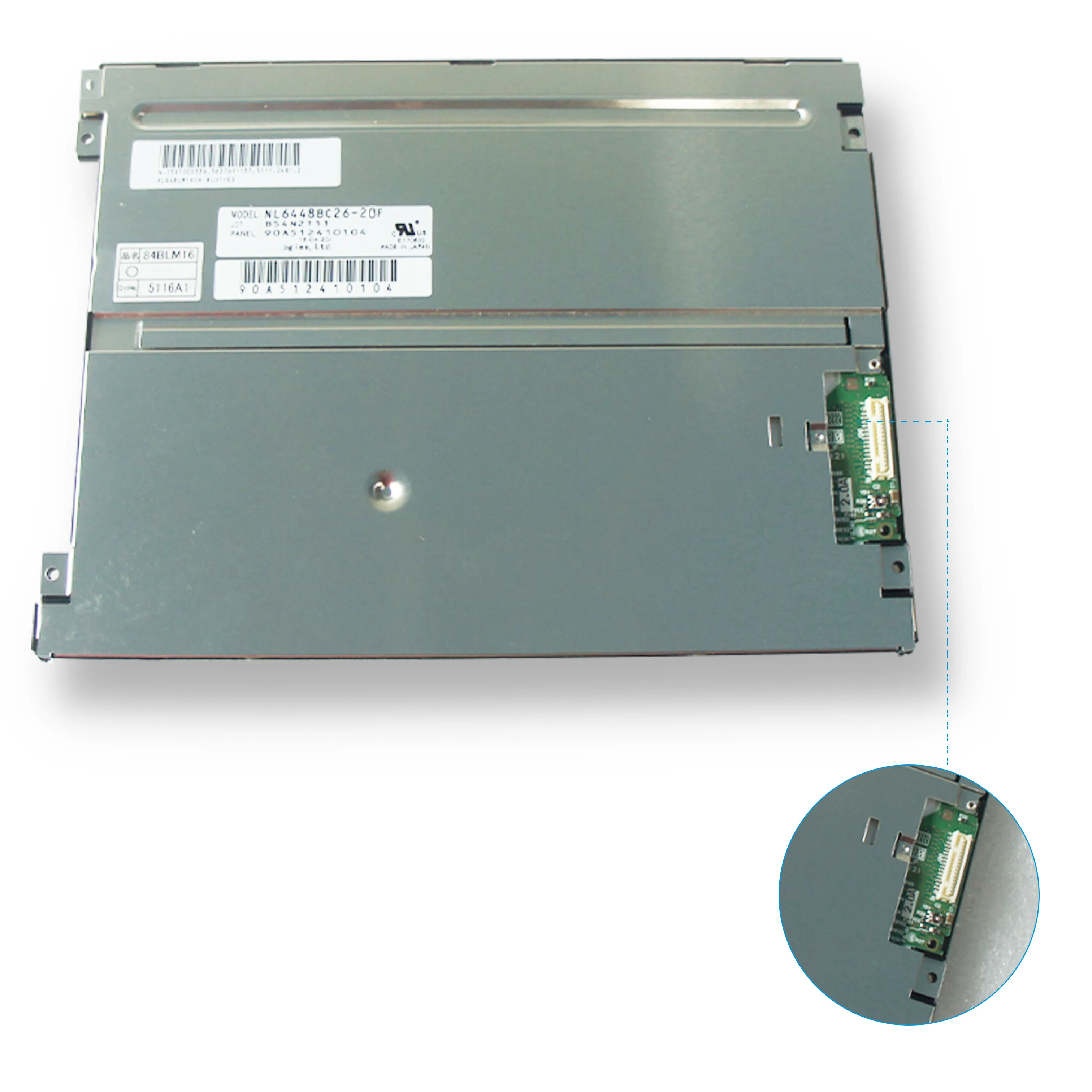


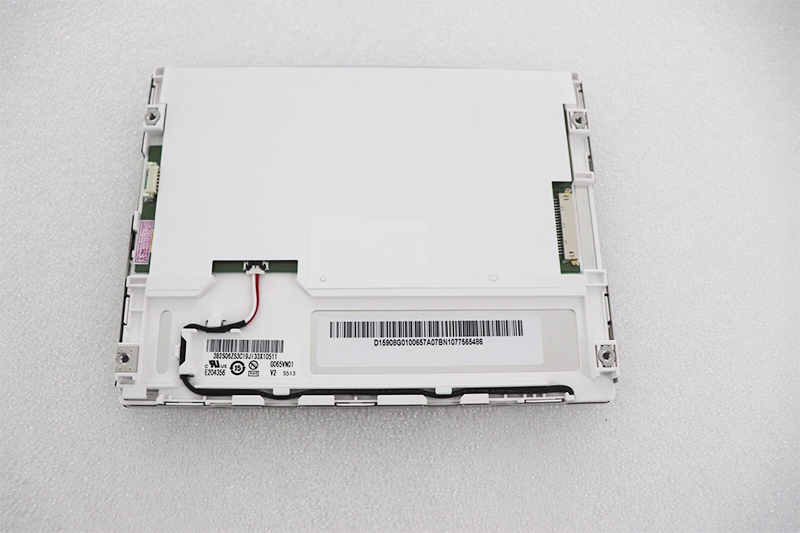
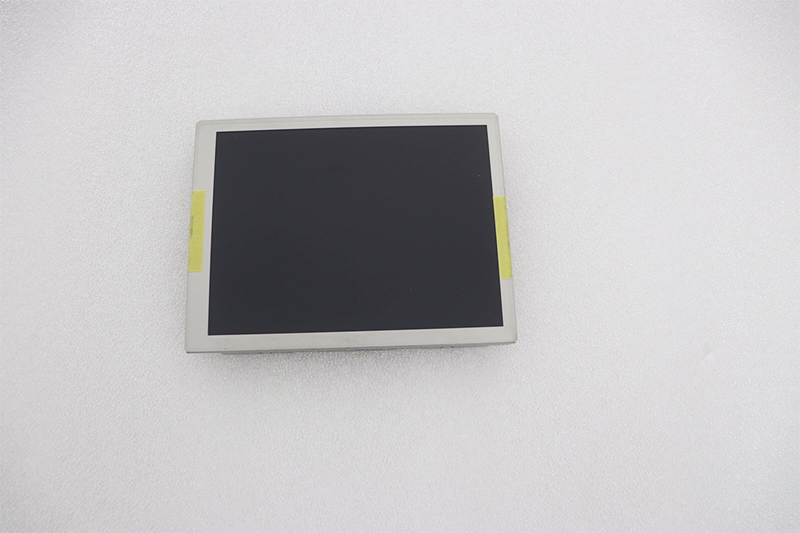
In the intricate world of electronic displays, the choice of a specific TFT-LCD panel can define the user experience and functionality of a device. The G065VN01 V2, a 6.5-inch display module manufactured by AUO (AU Optronics), stands as a specialized component engineered for applications where reliability, readability, and cost-effectiveness are paramount. With its 640 x 480 (VGA) resolution and amorphous Silicon (a-Si) technology, this panel represents a mature yet vital solution in a market increasingly dominated by high-resolution screens.
This article delves into a comprehensive technical and application-oriented analysis of the G065VN01 V2. We will move beyond basic specifications to explore its underlying technology, the rationale behind its key parameters, and its ideal use cases. By understanding its strengths and inherent limitations, engineers, product designers, and procurement specialists can make informed decisions about integrating this specific display into industrial, medical, or consumer devices, ensuring it aligns perfectly with the intended operational demands and environmental conditions.
Deconstructing the Core Technology: a-Si TFT-LCD
The foundation of the G065VN01 V2 lies in amorphous Silicon (a-Si) Thin-Film Transistor (TFT) technology. This mature and highly optimized process involves depositing non-crystalline silicon on a glass substrate to create the transistors that control each individual pixel. The primary advantage of a-Si is its excellent manufacturing yield and cost-effectiveness, especially for panels with moderate resolutions and smaller sizes. It offers a reliable and stable performance profile suitable for long-lifecycle products.
Compared to more advanced technologies like Low-Temperature Polycrystalline Silicon (LTPS) or Oxide TFT, a-Si has limitations in electron mobility, which constrains its ability to support extremely high resolutions or ultra-fast refresh rates. However, for the 640x480 resolution of this panel, a-Si is more than adequate. Its stability and lower power consumption in static or slowly changing image scenarios make it a pragmatic choice. This technological choice directly informs the panel's application suitability, steering it towards devices where cutting-edge pixel density is less critical than consistent performance and total cost of ownership.
Resolution and Form Factor: The 6.5-inch VGA Rationale
The 6.5-inch diagonal size coupled with a 640 x 480 pixel (VGA) resolution defines a very specific niche. This combination results in a pixel pitch of approximately 0.2055mm x 0.2055mm, offering a balance between information density and legibility. In practical terms, this resolution is sufficient to display clear text, basic graphics, and user interface elements without requiring excessive graphical processing power from the host system.
The physical dimensions make it an ideal candidate for replacing older CRT-based monitors in industrial settings or for integration into portable handheld devices, test equipment, and point-of-sale systems. The 4:3 aspect ratio, once the universal standard, remains highly relevant for many industrial and legacy applications where software interfaces are designed for this format. This "right-sized" resolution avoids the cost and complexity overhead associated with driving high-definition panels, aligning perfectly with the principle of using an appropriately specified component for the task at hand.
Critical Optical Performance Parameters
Beyond size and resolution, the optical characteristics of the G065VN01 V2 determine its usability in various environments. Key parameters include brightness, contrast ratio, and viewing angles. A typical brightness specification for such a panel would be in the range of 300 to 500 nits, ensuring visibility under normal indoor lighting. The contrast ratio defines the depth between blacks and whites, impacting overall image clarity.
Viewing angle performance, specified using the standard Left/Right/Up/Down metrics (e.g., 80/80/80/80), is crucial for applications where the screen may not be viewed head-on. While a-Si panels generally have more limited viewing angles compared to IPS (In-Plane Switching) variants, specific versions of this panel may employ optical film enhancements to improve this aspect. Understanding these optical specs is essential for matching the display to environments with high ambient light or requiring wide viewing cones.
Interface and Power Architecture
The interface is the critical communication link between the display module and the system's main controller. The G065VN01 V2 typically employs a parallel RGB interface, a common and robust standard for VGA-resolution panels. This interface uses multiple data lines to transmit pixel clock, synchronization signals, and color data (often in 6-bit per color, or 18-bit total, format). This simplicity aids in driver compatibility and reduces design complexity.
Power consumption is a key design consideration. The a-Si backlight system, often using LED arrays, is the primary power draw. The panel's datasheet provides detailed current consumption figures for the logic board and the backlight at various intensity levels. Designers must carefully design the power supply circuitry, often involving a boost converter for the backlight's higher voltage requirement and LDOs for the logic power, ensuring stable operation across the device's voltage input range.
Primary Application Domains and Use Cases
The technical profile of the G065VN01 V2 naturally directs it towards specific, demanding application domains. Its robustness and reliability make it a mainstay in industrial human-machine interfaces (HMIs) for factory automation, process control systems, and embedded instrumentation. Here, its longevity and stable performance under continuous operation are valued.
Another significant domain is medical devices, particularly portable diagnostic equipment or patient monitoring systems, where clarity and reliability are non-negotiable, though it may not be suitable for high-end imaging diagnostics. Furthermore, it finds use in transportation systems (e.g., rear-seat displays, information panels), point-of-sale terminals, and consumer appliances with advanced interfaces. In each case, the panel serves as a dependable visual output component for systems where functionality trumps flashy aesthetics.
Design-In Considerations and Challenges
Successfully integrating the G065VN01 V2 into a product requires addressing several design-in considerations. Mechanical integration is paramount; designers must account for the module's exact outline dimensions, bezel requirements, and mounting hole positions. Thermal management must be planned, as the backlight and drivers generate heat that must be dissipated to ensure longevity.
Electrical design challenges include managing signal integrity for the parallel RGB lines, especially in noisy environments, which may require careful PCB layout and shielding. Sourcing a compatible and reliable LCD controller board or integrating the timing controller (T-Con) logic into the main system PCB is another critical step. Furthermore, engineers must plan for the supply chain longevity of this specific panel, considering potential end-of-life scenarios and identifying alternative or pin-compatible modules for future product revisions.
FAQs: G065VN01 V2 AUO 6.5-inch TFT-LCD
Conclusion
The AUO G065VN01 V2 6.5-inch TFT-LCD module exemplifies the principle of right-technology-for-the-right-application. In an era of relentless pursuit of higher pixel densities, this panel carves out a vital and enduring space by offering a balanced, reliable, and cost-optimized visual solution. Its VGA resolution on a 4:3 aspect ratio screen, powered by mature a-Si technology, meets the precise needs of numerous industrial, medical, and embedded systems where longevity, readability, and simplicity are the primary drivers.
For product designers and engineers, a deep understanding of its specifications, interface requirements, and optical behavior is crucial for successful implementation. By recognizing its strengths in stable performance and total cost of ownership, and acknowledging its limitations in viewing angles and format flexibility, one can leverage the G065VN01 V2 to build robust and effective devices that stand the test of time in demanding operational environments.