- Industrial LCD display
-
Industrial Products
- DC Servo Drive
- AC Servo Drive
- other
- Heidelberg
- FANUC
- IFM
- Meter
- CCD
- Membrane Keypad
- Film
- YOKOGAWA Module
- Card
- ABB
- MITSUBISHI
- FANUC
- KEYENCE
- BECKHOFF
- Honeywell
- HOLLYSYS
- FUJI servo drives
- HP
- solenoid valve
- thermostat
- Siemens adapter
- color oscilloscope
- Fujitsu connector
- CHELIC
- SMC
- CISCO Module
- INTEL
- Key board
- FAIRCHILD
- Motherboard
- Board
- Bearing
- other
- Control Panel
- Contactor
- Circuit
- OMRON
- Relay
- Controller
- Photoelectric Switch
- Photoelectric Sensor
- Original
- Fan
- Motor Driver
- Limit Switch
- Amplifier
- power supply
- LENZE
- Cable
- Encoder
- Sensor
- Transformer
- Fiber Optic Sensor
- Protection Relay
- Temperature Controller
- Proximity Switch
- Switch Sensor
- Siemens
- Industrial board
- HMI Touch Glass
-
HMI Full Machine Whole unit
- OMRON HMI Touch Panel
- Siemens HMI Touch Panel
- Mitsubishi HMI Touch Panel
- Allen-Bradley automation HMI Touch Panel
- DELTA HMI Touch Panel
- EVIEW DELTA HMI Touch Panel
- KINCO DELTA HMI Touch Panel
- HITECH HMI Touch Panel
- WEINTECK HMI Touch Panel
- TECVIEW HMI Touch Panel
- WEINVIEW HMI Touch Panel
- PRO-FACE HMI Touch Panel
- SIMATIC HMI Touch Panel
- AMPIRE HMI Touch Panel
- HEIDELBERG HMI Touch Panel
- PANASONIC HMI Touch Panel
- PATLITE HMI Touch Panel
- KYOCERA HMI Touch Panel
- KEYENCE HMI Touch Panel
- WEINVIEW HMI Touch Panel
- HITECH HMI Touch Panel
- FUJI HMI Touch Panel
- HAKKO HMI Touch Panel
- SCHNEIDER HMI Touch Panel
- SAMKOON touch panel
- other
- Module
- lcd inverter
- Membrane Keypad Switch
- Winni Touch Screens
- Frequency Inverter
- Servo Motor
- PLC


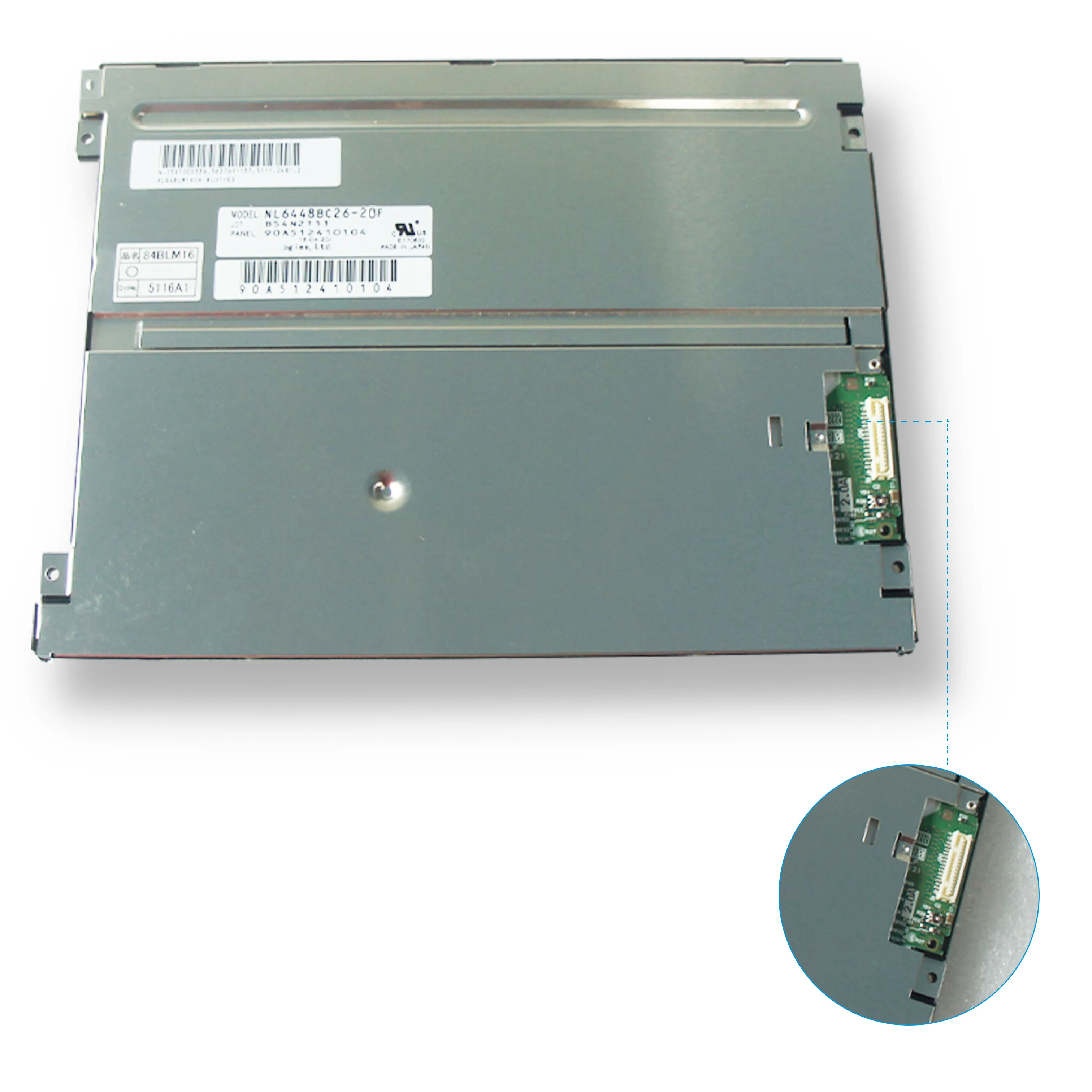


G101EVN03.1 AUO 10.1inch TFT-LCD screen 1280*800 Display
In the intricate world of electronic components, the display often serves as the critical interface between machine and user. Among the myriad of options available to engineers and product designers, the G101EVN03.1 from AUO (AU Optronics) stands out as a meticulously engineered solution for applications demanding clarity, reliability, and compact form. This 10.1-inch TFT-LCD module, with its 1280 x 800 pixel resolution (WXGA), represents a sweet spot in the performance-to-size ratio, offering sufficient screen real estate and sharp detail for a wide range of industrial, commercial, and embedded uses.
This article delves deep into the technical essence and practical implications of the G101EVN03.1 screen. We will move beyond basic datasheet specifications to explore its underlying technology, the tangible benefits of its key features, and the specific market niches where it excels. From its optical performance and interface design to its durability and integration considerations, this analysis aims to provide a comprehensive resource for anyone evaluating this display module for their next project, ensuring an informed decision that aligns with both technical requirements and user experience goals.
Decoding the Core Technology: TFT-LCD and WXGA Resolution
The G101EVN03.1 is built upon a foundation of Thin-Film Transistor Liquid Crystal Display (TFT-LCD) technology. This mature yet continually refined technology employs a dedicated transistor for each pixel, allowing for precise control over the liquid crystal alignment and, consequently, the light passing through. This results in images with superior contrast, faster response times, and better color reproduction compared to older passive-matrix LCDs. The active-matrix design is crucial for maintaining a stable, high-quality image, especially in dynamic content scenarios.
Its 1280 x 800 resolution, known as WXGA (Wide Extended Graphics Array), is a strategic choice. On a 10.1-inch diagonal, it achieves a pixel density of approximately 149 PPI (Pixels Per Inch). This density strikes an optimal balance, providing crisp text and clear graphics without imposing an excessive processing burden on the system's graphics controller. The 16:10 aspect ratio offers a slightly taller screen than the ubiquitous 16:9, granting more vertical space for viewing documents, code, or dashboard data—a subtle but significant advantage in productivity-focused and industrial applications.
Optical Performance and Viewing Experience
The visual output of any display is paramount. The G101EVN03.1 module is engineered to deliver consistent and readable performance under various conditions. Key optical specifications include its brightness, contrast ratio, and viewing angles. A typical high brightness level ensures visibility even in moderately lit environments, which is essential for kiosks, outdoor portable devices, or factory floors with overhead lighting.
Furthermore, the panel's contrast ratio defines the difference between its darkest black and brightest white, contributing to image depth and legibility. Wide viewing angles, often achieved through specific LCD mode technologies like IPS (In-Plane Switching) or AAS (Advanced Axially Symmetric), are a critical feature for this module. They ensure that color and contrast shift minimally when viewed from the side, above, or below, making it suitable for multi-person viewing or devices mounted at non-ideal angles. This combination of specs ensures the display provides a reliable and high-fidelity visual interface.
Interface and Signal Integration: The LVDS Standard
The bridge between the host system and the display panel is its interface. The G101EVN03.1 utilizes a Low-Voltage Differential Signaling (LVDS) interface. This is a critical technical choice with major implications for integration. LVDS is a robust, noise-resistant digital signaling standard that transmits data as the difference in voltage between two wires. This differential nature makes it highly immune to electromagnetic interference (EMI), a common challenge in compact electronic enclosures or industrial settings.
For engineers, this means cleaner signal integrity over longer cable runs within the device, reducing image artifacts and ensuring data reliability. The use of LVDS simplifies the design of the surrounding circuitry compared to older TTL interfaces, as it requires fewer lines and manages high-speed data transmission efficiently. Understanding this interface is key to successfully connecting the display to a mainboard or system-on-chip (SoC) that provides a compatible LVDS output, a common feature in many embedded processors.
Mechanical Design and Environmental Robustness
Beyond the pixels and signals, the physical construction of the G101EVN03.1 determines its longevity and application scope. The module includes the LCD glass, driver ICs, backlight unit (LED-based for efficiency and longevity), and a rigid metal or plastic frame. This frame provides structural integrity and defines precise mounting points, crucial for secure installation in end products.
Durability is often quantified by operating and storage temperature ranges. A robust module like this is typically rated for a wide temperature span, ensuring functionality from freezing cold to desert heat. Additionally, considerations like resistance to vibration and shock are vital for automotive, transportation, or heavy machinery applications. The mechanical design also encompasses the bezel dimensions—the inactive border around the active display area—which directly impacts the final product's front-panel design and aesthetic.


Target Applications and Market Relevance
The specific blend of features possessed by the G101EVN03.1 makes it a preferred component in several key markets. Its 10.1-inch form factor and high resolution are ideal for Human-Machine Interface (HMI) panels in industrial automation, manufacturing control systems, and medical diagnostic equipment, where clear data presentation is critical.
It is equally relevant in the point-of-sale (POS) and kiosk sector, serving as the interactive face for retail transactions, information terminals, and self-service check-ins. Furthermore, its reliability suits it for embedded systems in transportation (in-flight entertainment, rear-seat displays, train information systems) and specialized portable devices used in field service or logistics. In each case, the display's performance directly influences the usability, professionalism, and reliability of the end product.
Integration Considerations and Supply Chain Factors
Selecting the G101EVN03.1 is the first step; successfully integrating it is the next. Designers must account for power requirements, ensuring the system's power supply can deliver stable voltage to both the logic board and the LED backlight, which often requires a higher-voltage driver circuit. Thermal management is also crucial, as prolonged operation, especially at high brightness, generates heat that must be dissipated to prevent premature aging of components.
On the supply chain side, working with a reputable distributor or directly with AUO is essential to guarantee authenticity, access technical support, and secure reliable inventory. The lifecycle stage of the module is another key factor; understanding its production status (active, end-of-life, etc.) is vital for planning long-term product manufacturing. Finally, evaluating the availability of compatible accessories, such as touch screen overlays (resistive or capacitive) and interface cables, streamlines the final assembly process.
FAQs: G101EVN03.1 Display Module
Q10: Is the G101EVN03.1 still in production?A10: Component lifecycle status changes. You must check with AUO or an authorized distributor for the current production status (active, end-of-life, etc.) before design-in.
Conclusion
The AUO G101EVN03.1 is far more than just a generic 10.1-inch screen. It is a carefully balanced convergence of WXGA resolution, robust LVDS connectivity, and industrial-grade construction, engineered to meet the rigorous demands of professional and embedded applications. Its value lies not in any single groundbreaking feature, but in the reliable and coherent integration of proven technologies that deliver a superior user experience.
For product designers and engineers, a thorough understanding of its optical characteristics, interface requirements, and mechanical parameters is essential for unlocking its full potential. By considering this module within the broader context of system integration and target application environments, one can make an informed choice that ensures longevity, performance, and ultimate product success. In a market flooded with displays, the G101EVN03.1 stands as a testament to purposeful, application-driven design.